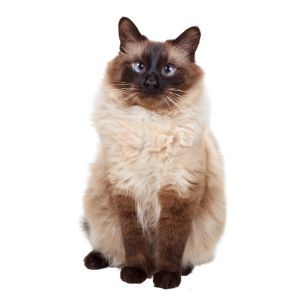
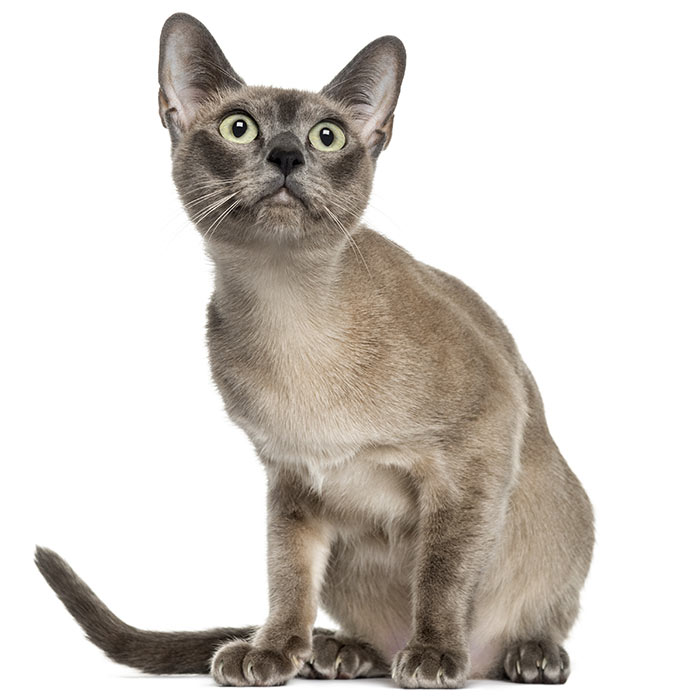
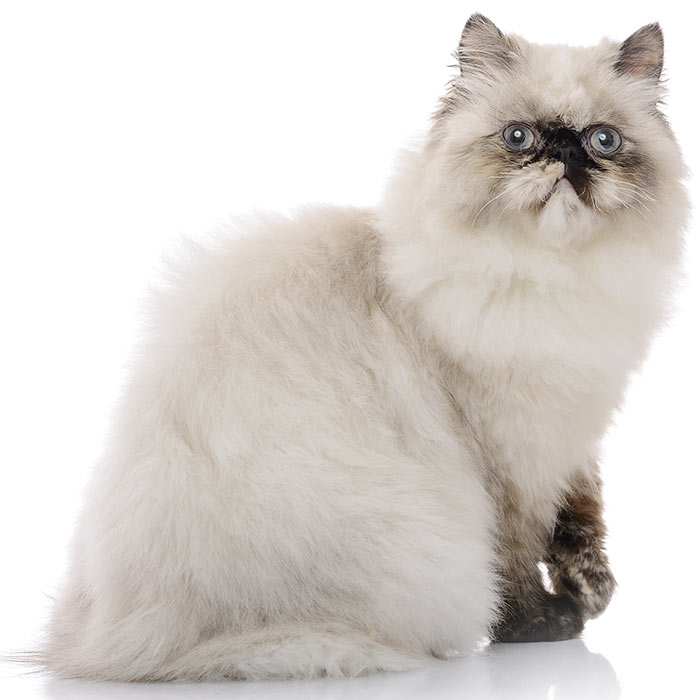
Are Siamese hypoallergenic cats?


Siamese
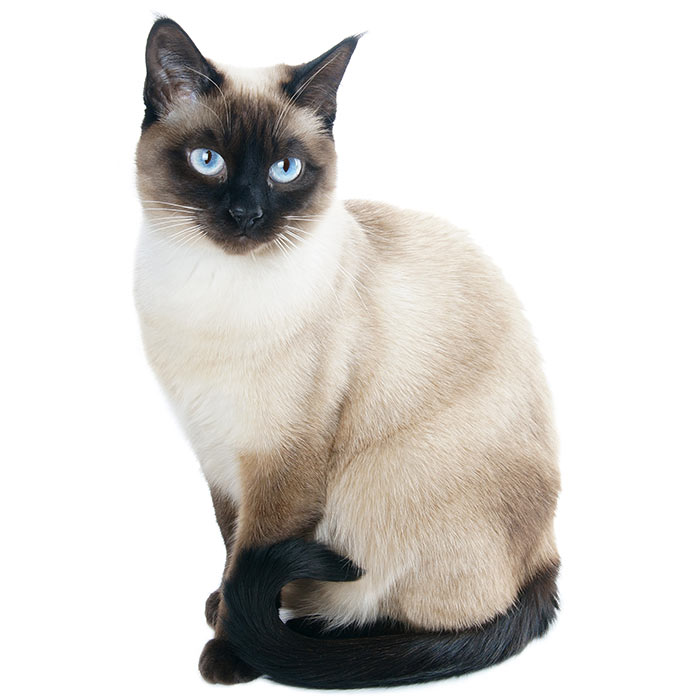
The Siamese is an elegant, highly social and vocal cat with striking colour points and a big personality. Intelligent, affectionate and often very talkative, they are best suited to owners who want an involved companion and can provide daily interaction.
| Recommended for | Active families, singles and households wanting a highly interactive cat |
| Breed Classification | Shorthair / colourpoint |
| Other names | Meezer |
| Lifespan | 12–20 years |
| Size | Medium |
| Temperament | Affectionate, vocal, intelligent and social |
| Intelligence | Very high; one of the most trainable and communicative cat breeds |
| Tendency to vocalise | High; famously talkative and expressive |
| Maintenance Level | Low grooming but high companionship and enrichment needs |
| Health Risk | Generally long-lived, but may be prone to dental disease, respiratory issues, eye problems, gastrointestinal sensitivity and some inherited conditions. |
Thinking of insuring a Siamese?
Explore the Top 5 health issues claimed for Siamese, including highest claims paid and how much pet insurance could help you save on eligible vet bills.
See Siamese pet insurance Ready to get cover? Get a quick quote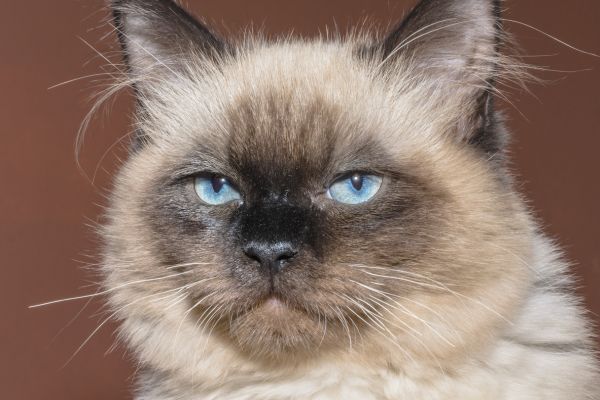
Siamese personality and temperament
Siamese cats are affectionate, intelligent and intensely people-focused. They often form strong bonds with their families and may follow people around the home, comment on household activities and insist on being included. They are not ideal for owners who want a quiet, independent cat that fades into the background.
They can do very well in apartments and indoor environments, but only when given enough enrichment and company. Their high intelligence and social nature mean boredom can become a real issue. Siamese cats need play, conversation, climbing spaces, puzzle feeders and regular interaction to thrive.
Siamese with kids and other pets
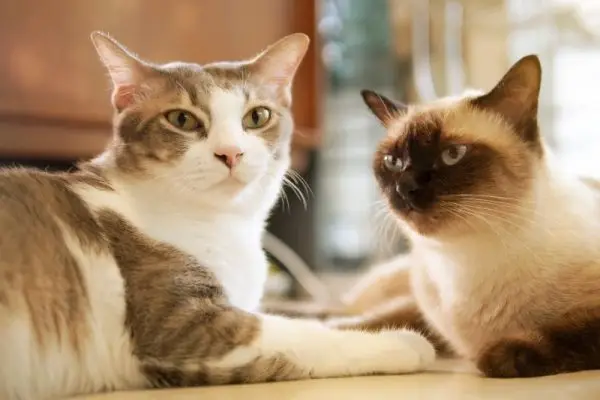
Siamese cats can be excellent with respectful children because they enjoy play and social interaction. They are often confident and engaging, but they can be sensitive to rough handling or being ignored. Children should be taught to use toys rather than hands for play.
They often enjoy other pets, especially if the other animal is social and cat-friendly. Many Siamese appreciate feline or canine companionship because they dislike being lonely. Slow introductions are still important, and separate resources should be provided in multi-pet homes.
Siamese training and exercise
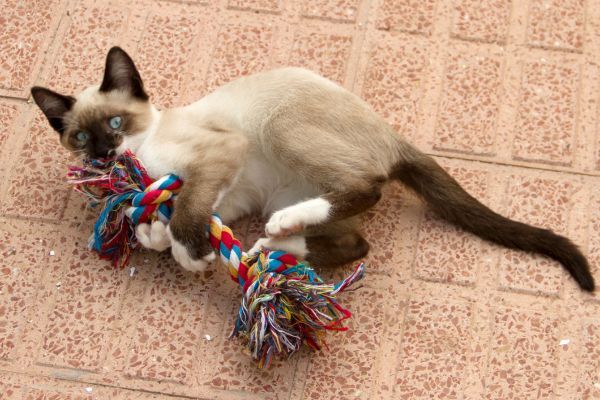
Siamese cats have high exercise needs for a domestic cat. They enjoy climbing, chasing, jumping and interactive play. Provide cat trees, shelves, wand toys, tunnels and puzzle feeders. Regular play helps prevent boredom, frustration and unwanted attention-seeking behaviours.
Training is a strength of the breed. Siamese cats can learn recall, fetch, harness walking, carrier training and household routines. Use positive reinforcement, short sessions and plenty of praise. Because they are vocal and clever, they will quickly learn which behaviours get your attention.
| Energy level | High |
| Exercise requirements | High; daily interactive play, climbing, puzzle feeders and training sessions |
Common health issues for Siamese
What do Siamese owners claim for the most?
- Respiratory issues are more common in Siamese because of their wedge-shaped head and narrower airways. Some may experience asthma or bronchial disease, so monitoring for coughing, wheezing, or laboured breathing is important.
- Dental problems, particularly gingivitis and periodontal disease, are also frequently seen in the breed. Their narrow jawline can lead to crowded teeth, increasing the risk of plaque build-up and gum irritation. Consistent dental care, including brushing or dental treats, helps reduce this risk.
- Progressive Retinal Atrophy (PRA), a genetic eye disorder that can cause vision loss over time, has been observed in Siamese. Regular eye checks during vet visits can help with early detection.
- Heart conditions such as Hypertrophic Cardiomyopathy (HCM) may also occur in some Siamese cats, making routine cardiac monitoring essential, especially in older cats.
- Obesity can become an issue if their high energy needs aren’t balanced with the right diet and exercise. Excess weight increases the risk of joint problems, diabetes, and heart disease. Controlled feeding, playtime, and activity help keep them lean and healthy.
Not all conditions are covered by Pet Insurance. For details of Bow Wow Meow Pet Insurance cover, refer to the Product Disclosure Statement.
How to choose the right insurance for your Siamese
When comparing cover for your Siamese, look for:

Cover for common Siamese conditions:
Check that the policy covers conditions Siamese can be prone to, including common health issues.

Cover for hereditary conditions:
No exclusions for hereditary or congenital conditions⑅.

Flexible cover options:
Options to adjust your annual benefit limit, reimbursement rate and excess.
Bow Wow Meow's Nose-to-Tail Cover offers flexible options for your Siamese, with cover for accidental injuries, illnesses and hereditary conditions⑅. Get a quick quote for cover that suits your Siamese and your budget.
Siamese feeding and nutrition
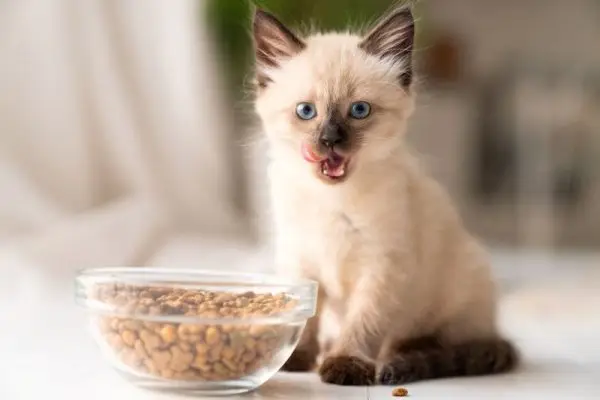
Feed a balanced diet that supports a lean, athletic body. Siamese cats are often active, but indoor adults can still gain weight if meals are not measured. Choose food appropriate for life stage and adjust portions for desexing status, activity level and body condition.
Because Siamese cats are intelligent and easily bored, puzzle feeders and small training rewards can make meals more stimulating. Wet food may help hydration, while dry food can be used strategically for enrichment. Dental care is important, so discuss diet, tooth brushing and dental checks with your vet. Appetite or weight changes should be investigated promptly.
Siamese care and grooming
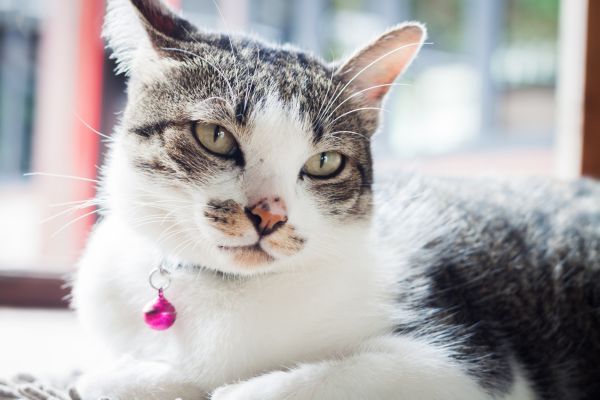
The short coat is very easy to maintain and usually needs only weekly brushing or wiping with a grooming mitt. Many Siamese enjoy grooming as social attention, which makes it a useful bonding activity as well as a way to remove loose hair.
Routine care should include nail trimming, dental care and ear checks. Because Siamese cats are active and inquisitive, scratching posts and climbing structures are important parts of care, not optional extras.
Size, appearance and coat of Siamese
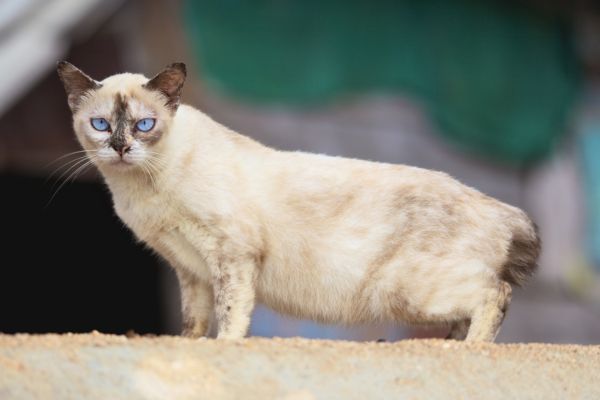
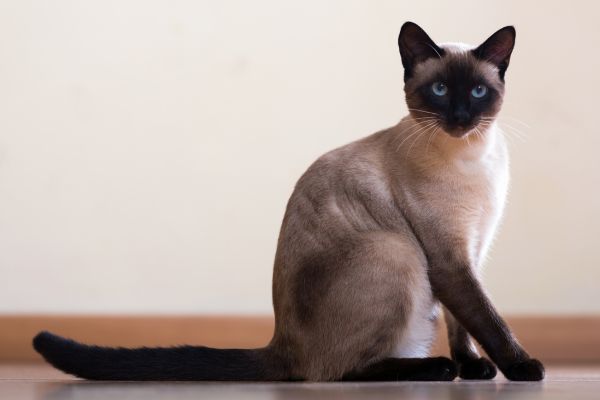
Siamese cats are sleek, medium-sized and athletic. Modern Siamese have long bodies, fine bones, wedge-shaped heads, large ears, almond-shaped blue eyes and long tapering tails. Traditional or Thai-style Siamese cats are generally more moderate in body and head type, but still share the pointed coat pattern and expressive personality.
The coat is short, fine and close-lying. Siamese colour points are temperature sensitive, so cooler areas of the body become darker. Kittens are usually born pale and develop stronger point colour as they mature. The contrast is one of the breed’s signature features.
| Weight range | About 2.5–5.5 kg |
| Height range | About 20–25 cm at the shoulder |
| Colours | Seal, blue, chocolate, lilac and other recognised point colours depending on registry |
| Coat length | Short, fine, sleek and close-lying |
Breed history of Siamese
The Siamese is one of the oldest and most recognisable pedigree cat breeds. It originated in Thailand, formerly Siam, where pointed cats appeared in manuscripts and were associated with temples, royal households and traditional stories. Their striking contrast between pale body and darker face, ears, legs and tail made them unlike most European cats when they first arrived in the West.
Siamese cats were imported to Britain in the 19th century and quickly became popular show cats. Over time, different styles developed, including modern slender show lines and more moderate traditional types. The Siamese also helped influence several other breeds, including Balinese, Oriental, Tonkinese and Himalayan lines.
Siamese facts!
- Siamese cats are famous for their loud, expressive voices.
- The darker points develop because of temperature-sensitive coat colour genetics.
- They helped influence several other breeds, including Tonkinese and Balinese.
- Some older Siamese lines were known for crossed eyes, although this is less common in modern breeding.
- A Siamese may hold a full conversation whether you asked for one or not!
- A Siamese that receives enough play and attention is usually easier to live with than one left to entertain itself.
Summary
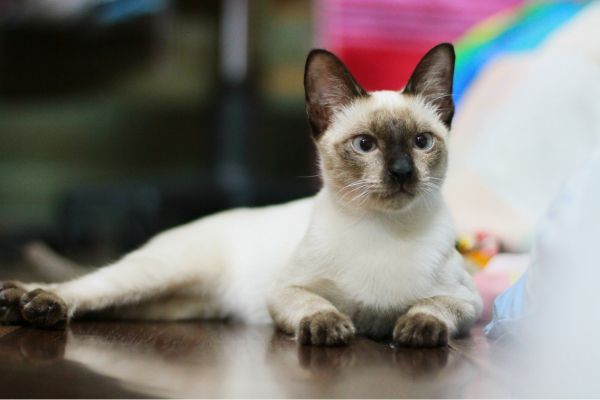
The Siamese is a striking breed recognised for its sleek body, almond-shaped blue eyes, and distinctive pointed coat pattern. Known for being vocal and affectionate, they thrive on interaction and enjoy being at the centre of family life. These medium-sized cats often live between 12 and 15 years.
Highly social and intelligent, they form strong bonds with their people and dislike being left alone. Their fine coat requires little grooming, but their active and curious nature means they need plenty of stimulation. While generally healthy, some can be prone to dental and respiratory issues, making regular vet care important.
FAQs about the Siamese
Siamese cats are not completely hypoallergenic, but some allergy sufferers find them easier to live with than other breeds. Their short, fine coat produces less loose hair and may reduce exposure to allergens.
The average lifespan of a Siamese cat is 12 to 15 years. With proper nutrition, veterinary care and a safe indoor lifestyle, many reach their late teens.
Siamese cats do shed, but their sleek, short coat makes it minimal and easy to manage. Weekly brushing helps reduce loose hair and keeps their coat shiny.
Male Siamese cats are not rare. Both males and females are equally common, and their personalities are often lively, affectionate and social.
Siamese cats are very affectionate and thrive on human interaction. They enjoy being close to their owners, following them around and engaging in constant companionship.
Siamese cats are not naturally aggressive, but they are energetic and vocal. Without enough attention or stimulation, they may become demanding or display frustration.
Siamese cats originated in Thailand, formerly known as Siam. Their name and history are directly tied to their Asian heritage.
Traditional Siamese cats were often cross-eyed due to genetics, but modern breeding has reduced this trait. Some may still show a slight cross-eyed look, which is generally harmless.
Siamese cats are easy to care for in terms of grooming because their coat requires little maintenance. They do, however, need lots of attention, play and interaction to stay happy.
Siamese cats are one of the most vocal breeds. They use loud, distinctive meows to communicate and often engage in long conversations with their owners.
MORE INFORMATION
NSW Cat Fanciers Association: https://nswcfa.asn.au/
Cats NSW breeder directory: https://catsnsw.com.au/breeders/
Australian Cat Federation breed standards: https://www.acf.asn.au/index.php?page=standards
Siamese Cat Rescue Australia: https://www.facebook.com/pages/Siamese-Cat-Rescue-Australia/280039088734605

Get 2 months free for your kitten!
Cover your kitten from Nose-to-Tail
To ensure your precious fur baby is covered from the start, we'd like to offer your first 2 months of our Nose-to-Tail Cover for free2!
Get a quick quote