UTIs in cats: signs, treatment and when it’s an emergency


Summary
Urinary tract problems in cats commonly cause frequent trips to the litter tray, straining, passing small amounts of urine, blood in the urine or urinating outside the tray. However, these signs do not always mean your cat has a bacterial urinary tract infection (UTI). In younger cats, inflammation such as feline idiopathic cystitis is often a more likely cause, while bacterial UTIs are seen more frequently in older cats and those with underlying health conditions.
Any noticeable change in your cat’s urination should be checked by a vet. Repeated straining with little or no urine being produced is an emergency, particularly in male cats, because it may indicate a urinary blockage.
UTI, cystitis or urinary blockage – what’s the difference?
Condition |
What it means |
What owners need to know |
| UTI | An infection of the urinary tract, usually caused by bacteria | More common in older cats and cats with underlying disease; urine testing and sometimes culture are needed to confirm it |
| Feline idiopathic cystitis (FIC) | Painful bladder inflammation without a bacterial infection | Very common in younger and middle-aged cats; stress and environmental factors can contribute |
| Urinary blockage | The urethra becomes obstructed so urine cannot pass normally | An emergency. Repeated straining with little or no urine requires immediate veterinary attention |
What is urinary tract infection (UTI)?
A urinary tract infection occurs when microorganisms, most commonly bacteria, infect part of the urinary system. Most bacterial UTIs in cats involve the bladder and develop when bacteria travel up the urethra into the bladder.
Healthy younger cats are relatively resistant to bacterial UTIs. Infection becomes more common with increasing age and in cats with conditions that can weaken the urinary tract’s natural defences, such as chronic kidney disease or diabetes.
Occasionally, bacteria can be found in a cat’s urine without causing symptoms or inflammation. This is known as subclinical bacteriuria and does not routinely require antibiotic treatment. Your veterinarian will determine whether treatment is appropriate based on your cat’s symptoms, health and urine test results.
Expert advice from Dr Felicia:
Feline urinary issues are usually easy to identify in indoor cats but more difficult in outdoor cats as owners generally have less familiarity with their cat’s toileting habits. Urinary issues may crop up in early life for some cats that may be more prone to stress/anxiety, but many of these cases may not be due to a true UTI where an infection is present, rather a sterile ‘stress’ cystitis.
UTIs are uncommon in young cats, with higher incidence in older cats, particularly those over the age of 10 years.
Infection of the bladder by bacteria is also known as “bacterial cystitis.” Sometimes the bacteria continue to ascend from the bladder to the kidneys, causing a kidney infection called “pyelonephritis”. Some cats will develop bladder stones (“uroliths”) with or without a UTI, which creates additional health issues.
Cost of urinary tract disorder in cats
Urinary problems can range from a relatively straightforward consultation and medication, to emergency hospitalisation for a urethral blockage, or more extensive investigation of recurrent disease.
Across cats of all ages, urinary tract disorders had an average claimed treatment cost of $1,497.20, with the highest at $41,850 according to PetSure’s 2025 dataØ. Additionally, urinary issues (bladder infection, blood in urine, difficulty in urination, FLUTD) were the second-ranked health condition for cats aged 1 to 8 and those over 8.

Signs of a urinary problem in cats
Cats often demonstrate painful or difficult urination in multiple ways which may signify a UTI. However, these can vary widely between cats, ranging from mild to extremely severe. Additionally, cats are often ‘asymptomatic’ as they may mask their symptoms, making it difficult for their owners to detect any signs except for a non-specific change in behaviour or personality.
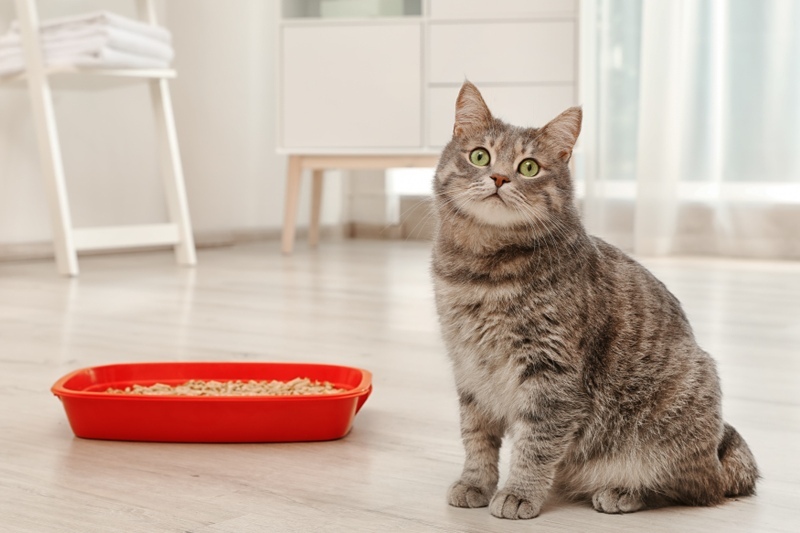
Signs that your cat may have a urinary problem include:
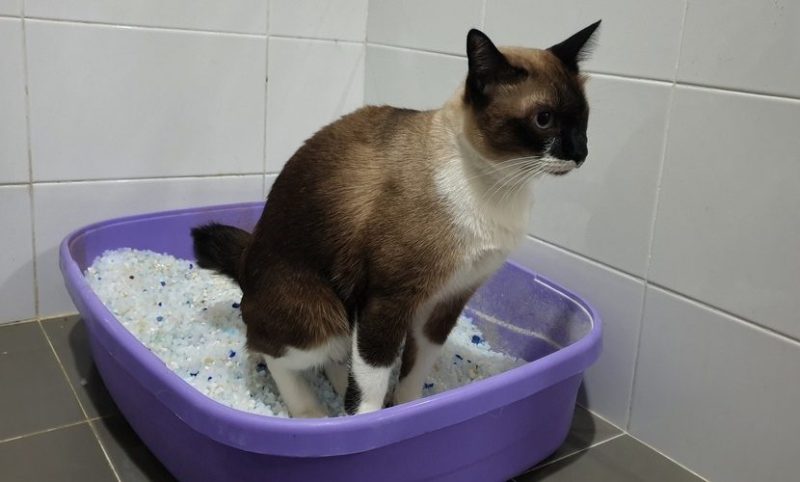
- visiting the litter tray much more often than usual
- straining or spending a long time trying to urinate
- passing only small amounts of urine
- crying or vocalising while urinating
- blood in the urine
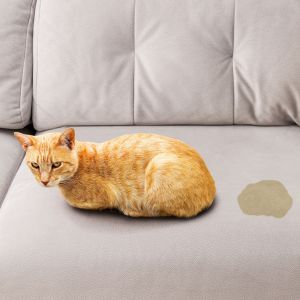
- urinating outside the litter tray
- repeatedly licking around the genital area
- unusually strong-smelling or cloudy urine
- drinking or urinating more than usual
- becoming withdrawn, irritable, lethargic or less interested in food.
These symptoms can occur with a UTI, but they can also be caused by cystitis, crystals, bladder stones or a urinary blockage, so the cause cannot be determined from symptoms alone.
Expert advice from Dr Felicia:
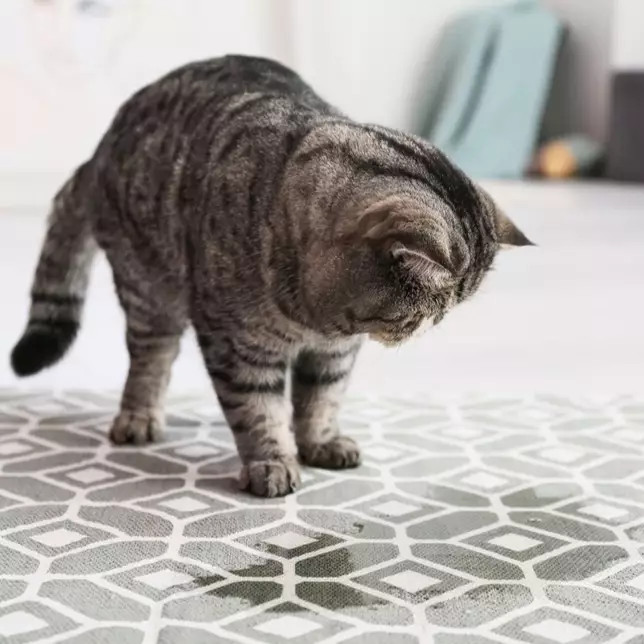
If the wet patches in the litter are smaller than usual, the litter needs cleaning more often, your cat is constantly in and out of the tray or vocalising when in the tray, there’s probably a urinary issue that needs to be checked.
Go to a vet urgently if your cat is repeatedly trying to urinate but producing little or no urine, particularly if they are also distressed, vocalising, vomiting, lethargic or hiding. A urethral blockage can become life-threatening and should not be monitored at home to “see if it improves”.
Why do some cats develop UTIs?
Most feline UTIs are caused by bacteria that enter the urinary tract and travel up the urethra towards the bladder. Escherichia coli (E. coli) is the most commonly identified bacterial cause.
Healthy young adult cats rarely develop bacterial UTIs. Risk increases in:
- older cats, particularly those aged 10 years and over
- cats with chronic kidney disease
- cats with diabetes
- cats with some other systemic or immune-suppressing illnesses
- cats receiving long-term immunosuppressive medication
- cats with abnormalities that affect urine flow or prevent the bladder emptying normally
- cats with bladder stones or other structural urinary tract problems.
If infections keep returning, identifying and treating an underlying problem is particularly important rather than repeatedly treating the urinary symptoms alone.
Expert advice from Dr Felicia:
All cats at the vet for urinary disease should have some assessment for underlying and contributing causes for their UTI. Without addressing these, the UTIs may become resistant, recurrent or even cause systemic illness.
What should I do?
- Your cat is still passing urine but is going frequently, straining, crying or there is blood: arrange a veterinary appointment promptly.
- Your cat repeatedly strains but little or no urine comes out: seek emergency veterinary care immediately – especially if your cat is male.
- Your cat has had urinary problems before: don’t assume it is the same problem again. UTIs, cystitis, stones and blockage can produce very similar signs.
- Before the appointment: note how often your cat is visiting the tray, whether urine is being produced and roughly how much, and any changes in thirst, appetite or behaviour. Photos of litter-tray wet patches or a short video of unusual behaviour can be useful to show your vet.
- Do not give human painkillers, leftover antibiotics or medication prescribed for another pet.
What to expect at the vet
Your veterinarian will ask about changes in your cat’s toileting habits and examine them for signs of pain, dehydration, bladder abnormalities or other illness.
A urine sample is one of the most important tests. In many cases, the vet will collect an uncontaminated sample directly from the bladder using a fine needle, a procedure called cystocentesis.
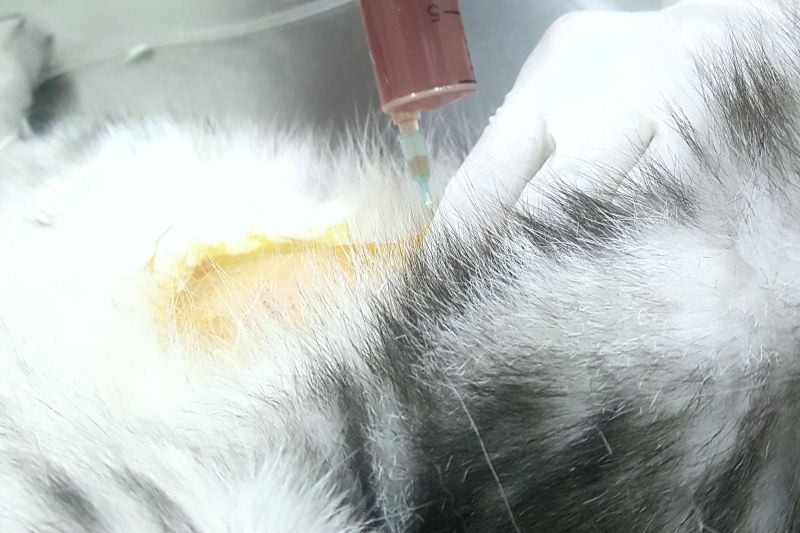
The urine can be examined for blood, inflammatory cells, crystals and other abnormalities. A urine culture may also be performed to confirm that bacteria are present and identify which antibiotic is most likely to be effective. Urine culture is considered the gold standard for confirming bacterial cystitis.
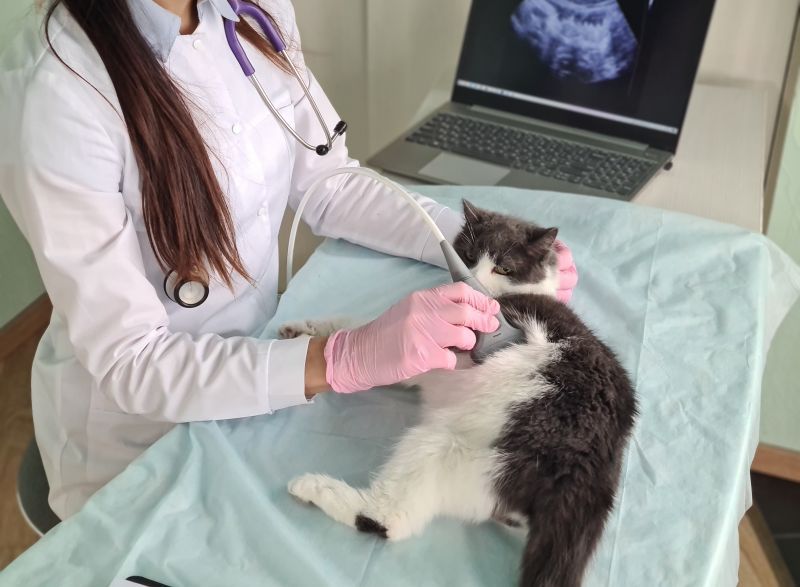
If your cat has repeated infections, is older or has other health problems, your vet may also recommend blood tests, x-rays or ultrasound to look for underlying conditions such as kidney disease, diabetes, bladder stones or structural abnormalities.
Expert advice from Dr Felicia:
The most helpful thing is to bring your cat to the visit with as full a bladder as your can manage. You may be able to achieve this by restricting access to the outdoors, or to the tray for an hour or two prior to the visit. Cats can also spend some time at the hospital to accumulate more urine for sampling when this is not feasible prior to the visit.
If your cat is straining and producing little or no urine, do not delay emergency care or restrict access to the litter tray in an attempt to obtain a fuller bladder.
Diagnosing a bladder infection
Diagnosing a bladder infection is relatively straightforward. If your vet can palpate your cat’s bladder on physical examination, an uncontaminated urine sample can be taken directly from the bladder with a needle and syringe (cystocentesis) for a ‘urinalysis’. The urine is checked for specific gravity (concentration), pH, presence of glucose, ketones, bilirubin, then examined under microscope to assess if bacteria and inflammatory cells are present.
If bacteria and large numbers of inflammatory cells are observed, a UTI is diagnosed. Ideally a urine culture is performed in the laboratory to identify the specific type of bacteria present. Sensitivity testing is usually also performed to work out the most effective antibiotic for treatment. This process can take up to a week, so usually an empirical choice will be made in the meantime while awaiting confirmation from the culture.
Expert advice from Dr Felicia:
For cats who are unlikely to tolerate restraint for the collection of urine, your vet may be able to give you some medication to be given at home to help alleviate some vet visit anxiety for your cat.
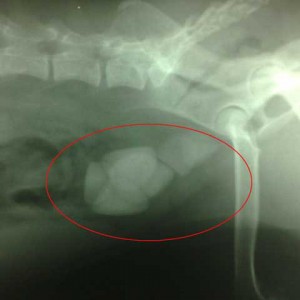
If there are no bacteria in the urine sample, abdominal x-rays or ultrasound may be recommended to look for bladder stones. Cats with bladder stones are prone to recurrent UTIs, hence the importance of getting a complete diagnosis whenever there is evidence of disease in the urinary tract. Bladder stones will need to be removed or dissolved to restore bladder health.
Other tests may be performed to diagnose underlying or contributing medical conditions, for example:
- Blood tests, including a complete blood count and serum chemistry profile, may reveal underlying conditions such as kidney disease, diabetes or hyperthyroidism.
- For recurrent or persistent UTIs, abdominal radiographs (x-rays) and ultrasonography can be helpful to assess the size and structure of the kidneys, ureters, bladder and urethra and to reveal abnormalities such as stones (uroliths), tumours and enlarged prostate glands.
- Radiographic contrast studies may be performed to identify kidney or bladder stones or masses that are obstructing the output of urine.
How are UTIs in cats treated?
If a bacterial UTI is confirmed or strongly suspected, treatment usually involves an antibiotic selected for the individual cat. A urine culture and antibiotic sensitivity test may be used to identify the bacteria and help your veterinarian choose the most appropriate medication.
It is important to give medication exactly as prescribed and contact your vet if your cat’s symptoms do not improve or return after treatment. Recurrent infection may require further urine cultures and investigation for an underlying cause.
Depending on your cat’s symptoms and other urinary problems, additional treatment may include pain relief, treatment of bladder stones or another underlying disease, and measures to support hydration.
Do not give leftover antibiotics or human medication to your cat. Urinary symptoms can have several different causes, and antibiotics will not help conditions such as feline idiopathic cystitis when bacterial infection is not present.
Expert advice from Dr Felicia:
Some cats can be difficult to medicate. If you have concerns about giving your cat medication, your vet may be able to discuss alternative formats (such as liquid, rather than a tablet), to ensure your cat receives the treatment they need.
Supporting your cat’s urinary health at home
Your veterinarian may recommend changes to your cat’s diet or water intake depending on the cause of their urinary problem. Encouraging good hydration may help support overall urinary tract health.
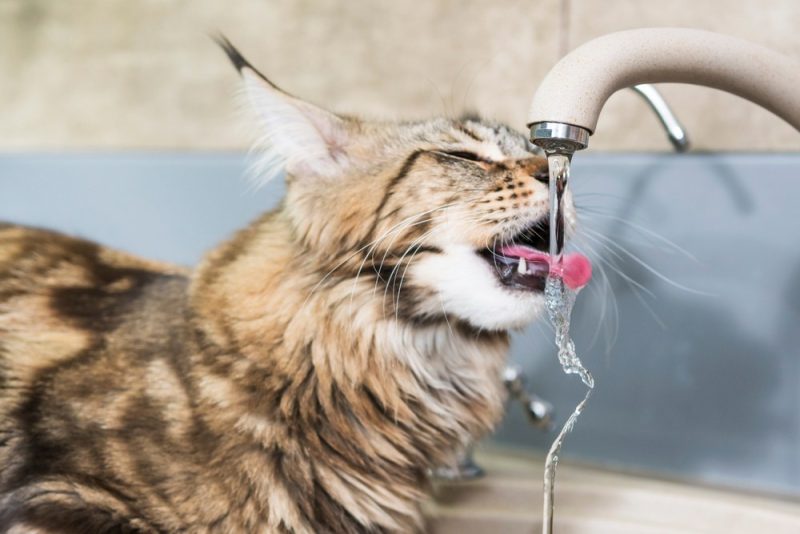
This may include:
- providing several bowls of fresh water around the home
- trying a cat drinking fountain if your cat prefers running water
- including wet food if appropriate for your cat
- keeping litter trays clean and easy to access
- providing enough litter trays in multi-cat households
- maintaining a predictable environment with opportunities to play, climb, hide and rest.
Expert advice from Dr Felicia:
Regular check ups and urine screening for cats over the age of ten and especially those with other illnesses such as chronic kidney disease, diabetes, hyperthyroidism can help with early interventions for infections or monitoring of subclinical bacteriuria.
Can you prevent another UTI?
Not every UTI can be prevented, particularly when an underlying medical condition is involved. The most important steps are to treat predisposing conditions, monitor changes in your cat’s urination and follow your vet’s recommendations for repeat testing when appropriate.
For senior cats and cats with conditions such as chronic kidney disease or diabetes, your vet may recommend periodic urine testing as part of their ongoing health monitoring.
What is the outlook for a cat with a UTI?
Most cats with a straightforward bacterial bladder infection respond well when the infection is correctly identified and treated.
The outlook is more variable when infection is recurrent or associated with an underlying problem such as kidney disease, diabetes, bladder stones or abnormalities of the urinary tract. In some cases, bacteria can spread upwards to the kidneys and cause pyelonephritis, which requires more intensive treatment.
The important emergency distinction is not simply whether a male cat has a UTI, but whether the cat can pass urine. Any cat repeatedly straining with little or no urine needs immediate veterinary attention.

In conclusion
Urinary problems are common in cats, but a true bacterial UTI is only one possible cause. The signs of infection, cystitis, bladder stones and urinary obstruction can look very similar at home, which is why changes in urination should be assessed by a veterinarian rather than treated on symptoms alone.
Pay particular attention to your cat’s litter-tray habits. Frequent visits, straining, blood in the urine or urinating outside the tray all deserve investigation – and repeated attempts to urinate with little or no urine being passed are an emergency.
Most straightforward bacterial UTIs respond well to appropriate treatment. Where infections recur, finding and managing the underlying cause is often the key to keeping your cat comfortable and reducing future problems.
Ø Based on 2025 PetSure claims data as at March 2026. ^Pet insurance policies can have an annual limit between $5,000 – $30,000 to assist with eligible treatment costs. Amount claimed per policy over a 12-month period. Reimbursement for these claims under a pet insurance policy would be subject to limits, such as annual benefit limits or sub-limits, benefit percentage, applicable waiting periods and any applicable excess. Cover is subject to the policy terms and conditions. You should consider the relevant Product Disclosure Statement or policy wording available from the relevant provider. Please note that values calculated are based on all claims for that condition and medically related conditions in each calendar year.
Bow Wow Meow Pet Insurance can help protect you and your cat should an unexpected trip to the vet occur.
-
Find out more about our cat insurance options
-
Get an online pet insurance quote
Bow Wow Meow is proud to have been awarded winner of Canstar’s ‘Most Satisfied Customers’ Award in the Pet Insurance category for both 2024 and 2025!
Bow Wow Meow is proud to be the only Pet Insurer that has been awarded Product Review’s Top Rated Pet Insurance every year from 2018 to 2026! This is based on 3,193 independent customer reviews (as at 09/04/2026), with an overall rating of 4.5 stars.

We also have the following ratings on other review platforms:
Google Review rating of 4.5 stars (based on 1,358 reviews)
Trust Pilot rating of 4.6 stars (based on 555 reviews)
Bow Wow Meow has been chosen as Winner of 4 categories in the 2026 Finder Pet Insurance Customer Satisfaction Awards!




– Most Trusted Pet Insurance
– Easiest to Claim Pet Insurance
– Most Recommended Pet Insurance
– Legendary Service Pet Insurance
We also received Highly Commended Awards for Loved Brand Pet Insurance and Best Value Pet Insurance.
Bow Wow Meow is an Australian-owned and operated pet insurance provider. Our focus is purely on pets, and we are proud to have helped provide peace of mind to over 200,000 Aussie pet owners since 2008.
Sources:
Weese JS, et al. “International Society for Companion Animal Infectious Diseases (ISCAID) guidelines for the diagnosis and management of bacterial urinary tract infections in dogs and cats”, The Veterinary Journal, 2019. https://pubmed.ncbi.nlm.nih.gov/30971357/. Accessed 22 September 2026.
Dorsch R, et al. “Urinary tract infection and subclinical bacteriuria in cats: A clinical update”, Journal of Feline Medicine and Surgery, 2019. https://pubmed.ncbi.nlm.nih.gov/31601143/. Accessed 22 September 2026.
“Bacterial Cystitis in Small Animals”, Merck Veterinary Manual. https://www.merckvetmanual.com/urinary-system/infectious-diseases-of-the-urinary-system-in-small-animals/bacterial-cystitis-in-small-animals. Accessed 22 September 2026.
“Cat Carer Guide to Lower Urinary Tract Diseases”, International Cat Care. https://icatcare.org/resources/cat-carer-guide-urinary-tract-diseases.pdf. Accessed 22 September 2026.
“Top Cat Health Conditions of 2025”, PetSure, 2026. https://petsure.com.au/knowledge-hub/common-cat-health-conditions-2025/. Accessed 22 September 2026.