Bringing a rescue dog home: an adoption and settling-in guide

Summary
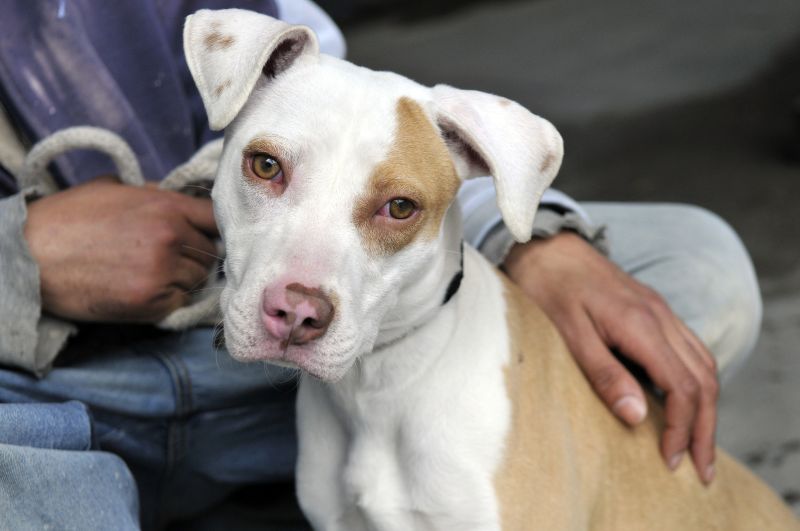
Bringing a rescue dog home is exciting, but the transition can also be stressful for your new dog. Their behaviour may change as they begin to feel safe and learn your household routine, so give them time, keep the first few days calm and predictable, and avoid overwhelming them with too many people, places or experiences at once.
Prepare a secure resting area, use reward-based training, supervise introductions to children and other pets, and let your dog settle at their own pace. Some dogs feel comfortable within days, while others may need weeks or longer to fully adjust to their new home.
What to expect when bringing a rescue dog home
You may know little about your rescue dog’s previous experiences, and their behaviour in a shelter or foster home may be quite different from their behaviour once they settle into your home. Some dogs are initially quiet or withdrawn, while others may seem excitable or restless.
Over the following days and weeks, you will gradually learn what helps your dog feel comfortable, what they enjoy and what they find difficult. Adjustment is not always linear, so be patient if their confidence or behaviour varies from day to day.
Expert advice from Dr Felicia:
As someone who has been there, I would encourage you to utilise the experience and support of the rescue group you adopt from. They are invested in helping you and your new dog form a bond, and best placed to give you clues and insights into your new family member. It is okay to feel a little overwhelmed and to need help as you start out together.
Preparing your home before your dog arrives
Take some time to prepare for your dog’s arrival. To make the transition from shelter to home as easy as possible, it is important to provide your new dog with as much structure as you are able and to be clear about certain things before your rescue dog arrives.
- Decide where your dog will and will not be allowed. Are bedrooms a no-go zone? Then close the doors. Is the dog not allowed in a certain area of the house? Then use a baby gate to fence off the area.
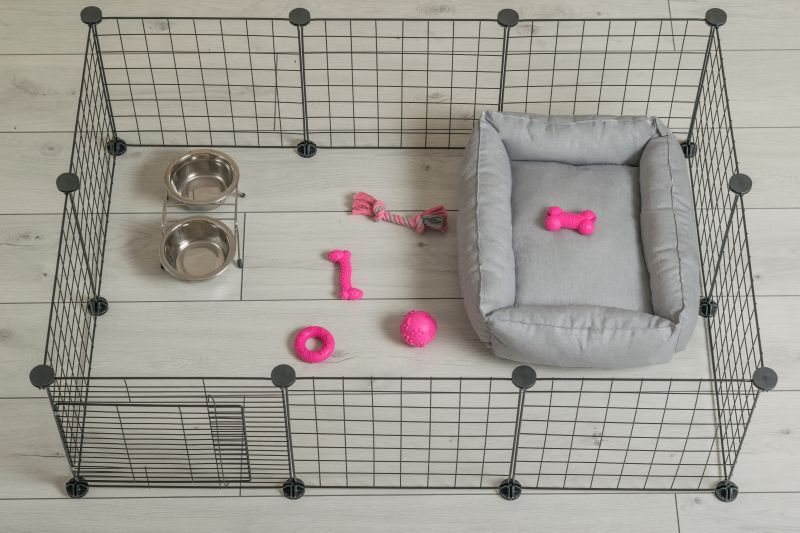
- Set up your dog’s sleeping area and ‘feeding station’
- Make sure your fencing is secure if you have an outdoor area. Some dogs are natural born Houdinis, and others are strong enough to break through unstable fencing.
- Clearly define the family/household responsibilities: who walks the dog, who is responsible for feeding and who will be the one training the dog in your house.
- Get all necessary items, including an ID tag, collar, leash, food, water and food bowls, a crate, if your dog is already comfortable using one, and bedding – and of course some toys.
- A pheromone product may help some dogs settle, but results vary. Ask your vet whether it may be appropriate for your dog.
- Keep small treats handy so you can reward calm, desirable behaviour promptly. Reward-based training is the recommended approach for teaching new behaviours and building trust.
- Doggy-proof your house: put loose cables away, store household cleaners and medication out of reach; remove plants, rugs and breakables etc. Move anything to you don’t want your dog to get hold of out of the way.
- Update the dog’s microchip and ID details once ownership transfer is complete.
The day you bring your rescue dog home
Ideally, plan to bring your dog home at a time when you can spend a few days at home. This will help with settling as well as giving you a chance to supervise your dog as they learn the house rules. Maybe choose a long weekend, or take a few days off work if possible.
Transport your dog securely in an appropriate crate, carrier or vehicle restraint. If possible, have another adult travel with you so the driver can concentrate on the road.
When you get the dog in your car, let them sniff first and get familiar with this new area before you take off. Keep the trip calm and avoid allowing the dog to travel loose or on someone’s lap.
If your dog seems calm and comfortable, a short toilet and sniff break before entering the house can help them decompress after the journey. Avoid forcing a long walk if they appear overwhelmed, frightened or tired. Some newly adopted dogs benefit from keeping outings brief and quiet for the first few days.
Ask the shelter/foster carer about the rescue dog’s feeding schedule and replicate that for the first few days to avoid tummy upsets. If you would like to change the brand of food, do it slowly over the course of a week. Dogs have more sensitive stomachs than humans and depending on your dog’s nature, moving to a new home can be stressful for them.
Expert advice from Dr Felicia:
To make the transition smooth for your new rescue’s veterinary care, ask the rescue about vaccines and parasite prevention – when and what has been given? When is it next due? This will help to be able to make sure your pet stays protected from Day 1.
Entering the house for the first time
Keep your dog on a loose lead initially if this helps you supervise them safely, but let them explore gradually rather than guiding them through every room. Give them access to only part of the home at first if the full environment appears overwhelming. Show your dog where the places for water and food are, and have a tiny bit of food in the bowl.
After a stroll inside their new home, take your rescue dog outside for a wee. Reward your dog when they urinate outside.
If you already have another dog, plan introductions gradually. Ideally, begin on neutral ground with both dogs controlled by separate adults. Reward calm behaviour and avoid forcing close interaction. At home, supervise contact and provide separate resting areas, food bowls and other high-value resources until you are confident the dogs are comfortable together. Tips on how to introduce pets.
Introduce children gradually in a calm environment and let the dog choose whether to approach. Children should always be directly supervised around a new dog and should leave the dog alone when they are eating, sleeping or using their safe resting area.
Moving to a new environment is stressful for humans and dogs. Wait a day or two while your dog settles in before inviting visitors over.
Expert advice from Dr Felicia:
Be patient with your new rescue as they settle in. It will take time to realise that this is their new forever home and that you are their person. In the beginning they may be a little uncertain and withdrawn as they absorb this change.
The first few days
- If you can’t supervise your dog, limit their access to one room or area. This will help manage your new family member and avoid accidents of all kinds.
- Once your dog is beginning to feel secure, gradually practise very short periods of separation. Start with an absence short enough that your dog remains relaxed and gradually increase the time as they become comfortable. If your dog shows significant distress, such as persistent barking, pacing, destructive behaviour or attempts to escape, reduce the difficulty and seek advice from your vet or a suitably qualified behaviour professional.
- House training accidents can happen. Even if your dog may have been house trained before, being in a shelter may cause some regression in their toilet training. Be prepared and expect accidents. Here are some tips how to toilet train your dog.

- Don’t leave your new rescue dog alone with your existing pets. You will need to monitor and control their interactions for a period of time before leaving them alone.
- You probably do not know exactly what your dog’s previous experiences were. Be patient and forgiving if things don’t go the way you expected. Your rescue dog may not be socialised to certain things and be scared of them. Your rescue dog may also not have been taught something you would expect, or commands they have learned may be different to the ones you use.
- Establish a routine and start your schedule of feeding, play times, training, toileting, walks, etc. from the first day. A predictable routine can help a newly adopted dog understand what to expect and may make the transition less stressful.
- tart gentle, reward-based training from the beginning, focusing on simple behaviours and communication rather than trying to teach everything at once. Avoid punishment-based techniques, which can increase fear, stress and behavioural problems.
- Arrange a veterinary check soon after adoption, particularly if you have limited medical history for the dog. Bring any vaccination, desexing, parasite-treatment or medication records supplied by the shelter or rescue organisation. Your vet can review preventative care, diet, dental health and any ongoing medical needs. Find out more about dog vaccination schedules and costs.

- If you are considering pet insurance, it may be worth arranging cover soon after adoption. Eligibility for future veterinary expenses depends on the policy terms, waiting periods, exclusions and whether a condition meets the policy definition of a pre-existing condition.
Expert advice from Dr Felicia:
If possible, bring information regarding microchipping, desexing, vaccinations, parasite prevention and any relevant previous medical history. If you don’t have any information, then you and the vet can put together a care plan moving forward as well.
Helping your rescue dog settle over the next few weeks
Your dog’s behaviour may continue to change as they become more comfortable and familiar with the household. Some behaviours may disappear as stress decreases, while others may become more noticeable. Continue with a calm, predictable routine and adjust your expectations to the individual dog rather than following a fixed settling-in timeline.
Once your dog has settled and your vet has confirmed their vaccination and parasite-control needs, gradually introduce new environments and other dogs. Quiet walks and carefully selected one-to-one interactions are often a better starting point than a busy dog park. Watch your dog’s body language closely and give them more distance if they appear fearful or overwhelmed.
If you come across any behavioural issues you are not familiar with, seek help from a dog trainer or behaviourist. Tips on understanding your dog’s behaviour.
Invite your friends and family over to pay low-key visits. These should be short and calm, without a lot of excitement. This way your dog will get used to meeting strangers in your house and get to know new people.
Expert advice from Dr Felicia:
Give your dog plenty of time to rest and settle into their new surroundings, if they are content to do so. Many dogs find the shelter a stressful place and benefit from some peace and quiet.
If you notice anything concerning about your new rescue’s behaviour, your rescue organisation may be able to give you some support, or it may be an opportunity to introduce your vet to your new pup and address any worries early on before they escalate.
In summary
Adopting a rescue dog can be a very rewarding experience for both dog and owner, who often form a very deep, life-long bond. In most cases you won’t know much about the history of your dog and the first few weeks are often a honeymoon period in which you will get to know each other. Take it slowly and go easy on yourself and your new furry friend. Try and keep track of any changes that come up, and if you find that any issues arise, do not hesitate to ask a professional for help.
Download your free Rescue Dog Guide
Bow Wow Meow’s Rescue Dog Guide is full of practical advice & tips for anyone adopting or fostering a rescue dog.
Bow Wow Meow Pet Insurance can help protect you and your dog should an unexpected trip to the vet occur.
-
Find out more about our dog insurance options
-
Get an online pet insurance quote
Bow Wow Meow is proud to have been awarded winner of Canstar’s ‘Most Satisfied Customers’ Award in the Pet Insurance category for both 2024 and 2025!
Bow Wow Meow is proud to be the only Pet Insurer that has been awarded Product Review’s Top Rated Pet Insurance every year from 2018 to 2026! This is based on 3,193 independent customer reviews (as at 09/04/2026), with an overall rating of 4.5 stars.

We also have the following ratings on other review platforms:
Google Review rating of 4.5 stars (based on 1,358 reviews)
Trust Pilot rating of 4.6 stars (based on 555 reviews)
Bow Wow Meow has been chosen as Winner of 4 categories in the 2026 Finder Pet Insurance Customer Satisfaction Awards!




– Most Trusted Pet Insurance
– Easiest to Claim Pet Insurance
– Most Recommended Pet Insurance
– Legendary Service Pet Insurance
We also received Highly Commended Awards for Loved Brand Pet Insurance and Best Value Pet Insurance.
Bow Wow Meow is an Australian-owned and operated pet insurance provider. Our focus is purely on pets, and we are proud to have helped provide peace of mind to over 200,000 Aussie pet owners since 2008.
Sources
“Tips for bringing a rescue dog home”, PetRescue, https://www.petrescue.com.au/library/articles/tips-for-bringing-a-new-dog-home. Accessed 8 September 2026.
“You’ve adopted a dog – here’s what to expect post-adoption”, PetRescue, https://www.petrescue.com.au/library/articles/you-ve-adopted-a-dog-here-s-what-to-expect-post-adoption. Accessed 8 September 2026.
“Adopting a dog or puppy”, RSPCA Australia, https://www.rspca.org.au/adopt/adopting-a-dog-or-puppy/. Accessed 8 September 2026.
“How should I introduce my new dog to my existing dog?”, RSPCA Australia Knowledgebase, https://kb.rspca.org.au/categories/companion-animals/choosing-a-pet/how-should-i-introduce-my-new-dog-to-my-existing-dog. Accessed 8 September 2026.
“How do I introduce a new dog or puppy to children?”, RSPCA Australia Knowledgebase, https://kb.rspca.org.au/categories/companion-animals/dogs/caring-for-my-dog/how-do-i-introduce-a-new-dog-or-puppy-to-children. Accessed 8 September 2026.
“What can I do if my dog is anxious when I’m not at home?”, RSPCA Australia Knowledgebase, https://kb.rspca.org.au/categories/companion-animals/dogs/behaviour/what-can-i-do-if-my-dog-is-anxious-when-im-not-at-home. Accessed 8 September 2026.
“The use of punishment and negative reinforcement in dog training”, Australian Veterinary Association, https://www.ava.com.au/policy/the-use-of-punishment-and-negative-reinforcement-in-dog-training. Accessed 8 September 2026.
“Driving distractions – Animals in your vehicle”, NSW Government, https://www.nsw.gov.au/driving-boating-and-transport/roads-safety-and-rules/warnings-and-hazards/driving-distractions. Accessed 8 September 2026.