FIV in cats: symptoms, testing, treatment and prevention

Summary
Feline immunodeficiency virus (FIV) is a lifelong viral infection that affects a cat’s immune system. It is spread mainly through deep bite wounds from an infected cat, which is why cats that roam outdoors and get into fights are at greatest risk.
Many FIV-positive cats remain healthy for years and may never develop severe immune-related disease. Others become more susceptible to problems such as chronic mouth inflammation, recurrent infections, weight loss or other illnesses as their immune function declines.
FIV is diagnosed with blood tests that usually detect antibodies to the virus. Positive results may need to be confirmed, particularly in vaccinated cats or kittens with maternally derived antibodies.
There is currently no cure for FIV, but good preventive healthcare, regular veterinary checks, prompt treatment of other illnesses, parasite control, dental care and a complete balanced diet can help FIV-positive cats maintain a good quality of life. Keeping cats contained indoors or in a secure outdoor enclosure is the most effective way to reduce transmission and exposure to other infections.
What is FIV?
Feline immunodeficiency virus (FIV) is a retrovirus that infects cats and gradually affects the normal function of the immune system.
Shortly after infection, some cats develop a temporary acute illness with signs such as fever or enlarged lymph nodes. This may be followed by a long asymptomatic or subclinical period, during which the cat appears healthy despite remaining infected.
Some cats eventually develop more obvious immune dysfunction and become increasingly susceptible to secondary infections, oral disease and other health problems. However, progression is highly variable and not every FIV-positive cat develops an end-stage immunodeficiency syndrome. Some remain clinically well for many years.

How common is FIV in Australia?
FIV is relatively common among Australian cats that have outdoor access, but prevalence varies considerably according to location and lifestyle.
Australian studies have found FIV in approximately 15% of adult pet cats with outdoor access, with reported rates of around 9% to 20% depending on location. Male cats, older cats and cats that roam outdoors and become involved in fights are at increased risk.
Expert advice from Dr Felicia:
FIV is passed between cats through contact with the saliva, usually via bite wounds. This virus affects cats worldwide, with middle-aged cats (5-10 years old) most commonly diagnosed.
How is FIV spread?
FIV is spread primarily through deep bite wounds, when saliva and infected white blood cells from an FIV-positive cat are introduced into another cat’s tissues. This is why roaming, fighting and bite wounds are the major risk factors for infection.
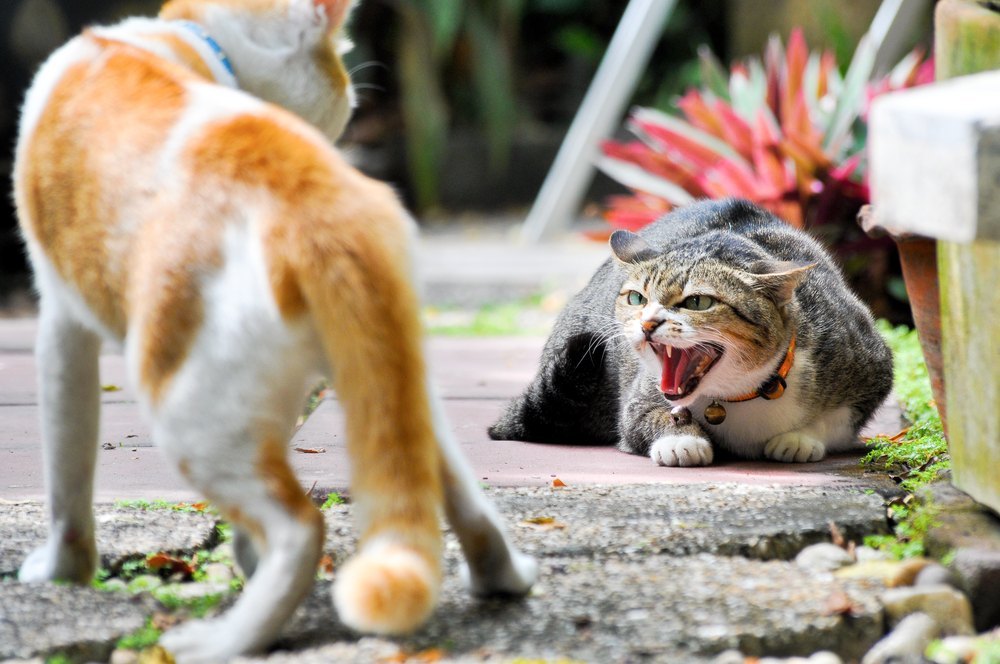
Casual social contact is much less efficient at spreading FIV. Cats that live peacefully together and do not fight are considered at relatively low risk of transmitting FIV between one another. Sharing food bowls, water bowls or litter trays and mutual grooming are not considered major routes of transmission.
FIV can occasionally pass from an infected mother to her kittens during pregnancy, birth or nursing, but this appears to be an uncommon route of natural transmission.
Symptoms of FIV in cats
Many FIV-positive cats show no obvious signs for months or years. When signs do occur, they are often caused by the effects of immune dysfunction or by secondary infections rather than by the virus itself.
Common problems associated with FIV include chronic inflammation of the gums and mouth, recurrent respiratory or skin infections, weight loss, poor appetite, enlarged lymph nodes, persistent or recurrent fever, diarrhoea, eye inflammation and a generally poor or deteriorating body condition. Some cats may also develop blood abnormalities or certain cancers.
Gingivitis and stomatitis are particularly important in FIV-positive cats, so regular dental and oral assessment is recommended.
These signs are not specific to FIV and can occur with many other diseases. A cat cannot be diagnosed with FIV from symptoms alone.
How is FIV diagnosed?
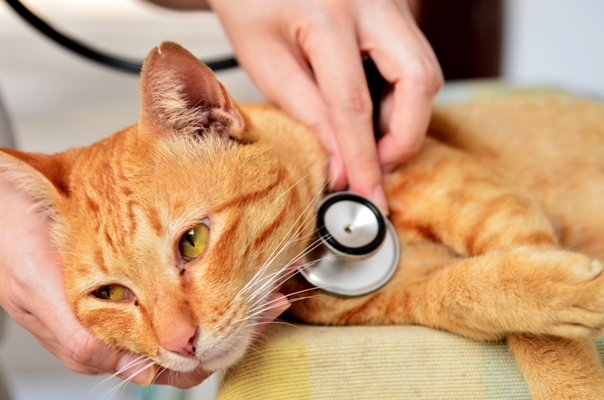
FIV is usually diagnosed using a blood test that detects antibodies against the virus.
No point-of-care test is 100% accurate, so a positive result should generally be confirmed using a different validated test before a definitive diagnosis is made. This is particularly important because an FIV diagnosis can affect long-term management decisions.
False-negative results can occur if a cat has been infected very recently and has not yet produced detectable antibodies. Your veterinarian may therefore recommend repeat testing after a recent bite wound or suspected exposure.
Testing can also be complicated by FIV vaccination because vaccination produces antibodies. However, some point-of-care tests available in Australia can distinguish vaccinated cats from naturally infected cats more reliably than older tests. Your veterinarian will select the most appropriate test according to the cat’s vaccination and exposure history.
PCR testing is useful in selected situations but is not recommended as a routine first-line screening test, because a negative PCR result does not reliably exclude FIV infection.
Expert advice from Dr Felicia:
Testing for FIV can is unfortunately challenging, as false-positive and false-negatives can occur because of delayed antibody production following infection, vaccination and maternally derived antibodies.
FIV testing in kittens
Kittens born to FIV-positive or FIV-vaccinated mothers may temporarily test positive because they have acquired maternal antibodies rather than because they are infected themselves.
These antibodies usually disappear as the kitten matures. Persistently positive antibody results after about six months of age are much more likely to reflect true infection, although the timing and type of follow-up testing should be decided by the veterinarian.
Is there an FIV vaccine in Australia?
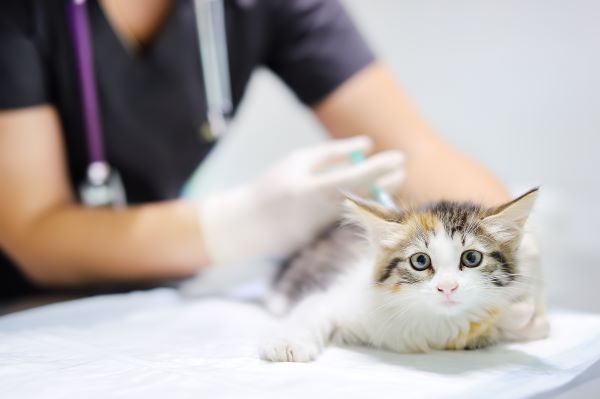
An FIV vaccine is available in Australia, but it is considered a non-core vaccine, meaning it is generally recommended only for cats whose lifestyle puts them at significant risk of exposure.
The vaccine does not provide complete protection. Australian field research has estimated effectiveness at around 56%, although confidence around that estimate was wide, and studies in different countries have produced variable results. For this reason, preventing exposure remains the most reliable way to reduce FIV risk.
FIV vaccination can also affect the interpretation of some antibody tests. Current Australian guidance recommends testing cats before beginning FIV vaccination and, for cats that continue to receive annual FIV boosters, testing prior to each annual revaccination using an appropriate point-of-care test.
Your veterinarian can advise whether FIV vaccination is worthwhile based on your cat’s lifestyle, local FIV prevalence and likelihood of outdoor fighting.
Expert advice from Dr Felicia:
FIV is much higher in outdoor cat populations due to the way it is spread. If you have an outdoor cat or are thinking about whether to let your cat roam, it is important to understand the prevalence of FIV in your area, and discuss the role of vaccination with your vet.
Treatment and management of FIV-positive cats
There is currently no cure for FIV and no medication registered specifically to eliminate the virus.
Management focuses on keeping the cat as healthy as possible and treating other conditions promptly if they arise. FIV-positive cats should receive regular veterinary examinations, good dental care, appropriate parasite prevention and a nutritionally complete and balanced diet. Secondary bacterial, fungal or other infections should be investigated and treated promptly rather than being assumed to be an inevitable part of FIV.
Raw meat, raw eggs and unpasteurised dairy products are best avoided because an immunocompromised cat may be more vulnerable to food-borne pathogens.
FIV-positive cats should ideally be kept indoors or given access only to a secure outdoor enclosure. This both reduces their exposure to infectious disease and prevents them transmitting FIV to other cats through fighting.
Current AAFP guidance recommends a preventive veterinary health check at least every six months, with particular attention to the mouth, lymph nodes, eyes, skin and general body condition. Blood and urine testing may also be recommended periodically.
Expert advice from Dr Felicia:
Cats that are FIV-positive should be monitored more closely with examinations every 6 months. Interestingly, studies suggest there is no significant difference in lifespan between infected and uninfected cats, but cats with FIV have significant morbidity compared to uninfected cats.
Outlook for cats with FIV
An FIV-positive result does not mean a cat is terminally ill. Many infected cats remain clinically well for years, particularly when they are kept indoors, receive good preventive care and have secondary illnesses treated early. Australian studies have found no significant survival difference between FIV-positive and FIV-negative cats in some populations, although FIV-positive cats do experience more health problems, particularly oral disease and recurrent infections.
More recent research has produced mixed findings. A 2026 study of cats living in a UK sanctuary found a modest reduction in longevity among FIV-positive cats, although the study population was relatively small.
Overall, prognosis depends far more on the individual cat’s health, living conditions, concurrent diseases and access to veterinary care than on a positive FIV result alone.

Prevention of FIV
The most effective way to reduce the risk of FIV is to prevent opportunities for cats to fight. Keeping cats indoors or within a secure outdoor enclosure greatly reduces exposure to bite wounds and is considered the cornerstone of FIV prevention in Australia and New Zealand.
New cats should be introduced carefully to reduce aggression, and testing may be appropriate before introducing a new cat into a household, particularly when their history is unknown.
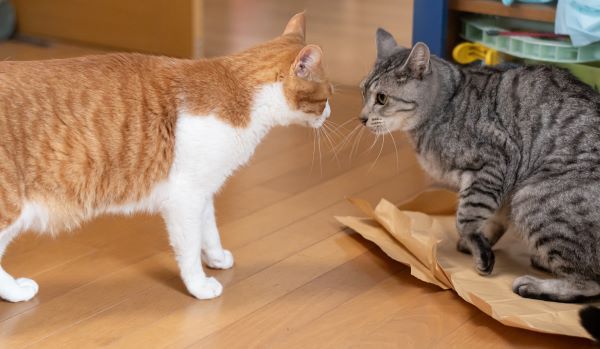
If one cat in a household is FIV-positive, transmission to peaceful housemates is considered relatively uncommon if the cats do not fight. However, the risk is not zero, so the health and FIV status of housemates, vaccination options and household management should be discussed with your veterinarian.
Infected cats should not be bred. Transmission from mother to kitten can occur, although it appears to be uncommon under natural conditions.
Which cats are most at risk?
FIV can infect cats of any breed. The most important risk factors are behavioural and lifestyle-related rather than breed-related. Adult cats with unsupervised outdoor access, particularly male cats that fight and sustain bite wounds, are at greatest risk. Australian studies have also found increasing age and intact male status to be associated with higher FIV prevalence.
Can people or other pets catch FIV?
No. FIV is specific to cats and does not infect humans, dogs or other household pets.The virus also survives poorly outside the cat’s body, so environmental contamination is not an important means of transmission. Deep bite wounds from infected cats are by far the most important route.
Conclusion
FIV is a lifelong infection, but a positive test does not mean a cat cannot enjoy many good years.
Most infections occur through deep bite wounds, which is why unsupervised outdoor access and fighting are the major risk factors. Keeping cats safely contained, testing cats when appropriate and discussing vaccination with your veterinarian can significantly reduce the risk of infection.
For cats already living with FIV, regular veterinary checks, good dental and nutritional care, parasite prevention and prompt treatment of other illnesses are particularly important. Many FIV-positive cats remain healthy for years, and management should always be based on the individual cat rather than the test result alone.
Bow Wow Meow Pet Insurance can help protect you and your cat should an unexpected trip to the vet occur.
-
Find out more about our cat insurance options
-
Get an online pet insurance quote
Bow Wow Meow is proud to have been awarded winner of Canstar’s ‘Most Satisfied Customers’ Award in the Pet Insurance category for both 2024 and 2025!
Bow Wow Meow is proud to be the only Pet Insurer that has been awarded Product Review’s Top Rated Pet Insurance every year from 2018 to 2026! This is based on 3,193 independent customer reviews (as at 09/04/2026), with an overall rating of 4.5 stars.

We also have the following ratings on other review platforms:
Google Review rating of 4.5 stars (based on 1,358 reviews)
Trust Pilot rating of 4.6 stars (based on 555 reviews)
Bow Wow Meow has been chosen as Winner of 4 categories in the 2026 Finder Pet Insurance Customer Satisfaction Awards!


– Most Trusted Pet Insurance
– Easiest to Claim Pet Insurance
– Most Recommended Pet Insurance
– Legendary Service Pet Insurance
We also received Highly Commended Awards for Loved Brand Pet Insurance and Best Value Pet Insurance.
Bow Wow Meow is an Australian-owned and operated pet insurance provider. Our focus is purely on pets, and we are proud to have helped provide peace of mind to over 200,000 Aussie pet owners since 2008.
Sources
Westman ME, Coggins SJ, van Dorsselaer M, Norris JM. “Feline immunodeficiency virus (FIV) infection in domestic pet cats in Australia and New Zealand: Guidelines for diagnosis, prevention and management”, Australian Veterinary Journal, 2022. https://onlinelibrary.wiley.com/doi/10.1111/avj.13166. Accessed 20 October 2026.
Little S, Levy J, Hartmann K, et al. “2020 AAFP Feline Retrovirus Testing and Management Guidelines”, Journal of Feline Medicine and Surgery, 2020. https://pmc.ncbi.nlm.nih.gov/articles/PMC11135720/. Accessed 20 October 2026.
“What are Feline Immunodeficiency Virus (FIV) and Feline Leukaemia Virus (FeLV)?”, RSPCA Knowledgebase, updated 2024. https://kb.rspca.org.au/categories/companion-animals/cats/health-issues/what-are-feline-immunodeficiency-virus-fiv-and-feline-leukaemia-virus-felv. Accessed 20 October 2026.
Westman ME, Paul A, Malik R, et al. “Seroprevalence of feline immunodeficiency virus and feline leukaemia virus in Australia: risk factors for infection and geographical influences”, Journal of Feline Medicine and Surgery Open Reports, 2016. https://pmc.ncbi.nlm.nih.gov/articles/PMC5362860/. Accessed 20 October 2026.
Squires RA, Crawford C, Marcondes M, Whitley N. “2024 guidelines for the vaccination of dogs and cats”, Journal of Small Animal Practice, 2024. https://onlinelibrary.wiley.com/doi/10.1111/jsap.13718. Accessed 20 October 2026.
Westman ME, Norris JM, Malik R, et al. “Clinicopathological and Epidemiological Findings in Pet Cats Naturally Infected with Feline Immunodeficiency Virus (FIV) in Australia”, Viruses, 2022. https://pubmed.ncbi.nlm.nih.gov/36298731/. Accessed 20 October 2026.
“Feline Immunodeficiency Virus (FIV)”, Merck Veterinary Manual, updated 2024. https://www.merckvetmanual.com/cat-owners/disorders-affecting-multiple-body-systems-of-cats/feline-immunodeficiency-virus-fiv. Accessed 20 October 2026.
“Twenty-year lifetime histories of FIV- and FeLV-infected cats in a sanctuary in the UK indicate an effect of retroviral infection on longevity”, Veterinary Record, 2026. https://pubmed.ncbi.nlm.nih.gov/42216781/. Accessed 20 October 2026.