Pneumonia in cats: symptoms, causes & treatment


Summary
Pneumonia in cats is inflammation of the lungs that can make it difficult for a cat to breathe and get enough oxygen. It may be caused by viral, bacterial or fungal infections, parasites, or by inhaling foreign material such as vomit, food or liquid into the lungs. Symptoms can include coughing, rapid or laboured breathing, fever, lethargy and loss of appetite. Because breathing difficulties in cats can become serious quickly, prompt veterinary care is important.
What is pneumonia in cats?
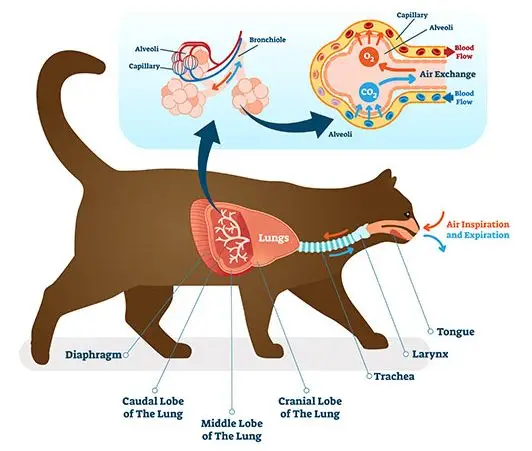
Pneumonia is inflammation of the lungs and lower airways. The lungs contain millions of tiny air sacs called alveoli, where oxygen passes into the bloodstream and carbon dioxide is removed. When pneumonia develops, inflammation and fluid can interfere with this exchange, making breathing more difficult and reducing the amount of oxygen available to the body.
Pneumonia is uncommon in healthy adult cats but can become serious, particularly in kittens, older cats and cats with underlying illness or weakened immune systems.
There are several types of pneumonia in cats, depending on the underlying cause:
Infectious pneumonia
Infectious pneumonia may be caused by viruses, bacteria, fungi, protozoa or, less commonly, parasites. Viral infection of the lower respiratory tract can damage the airways and make a cat more susceptible to secondary bacterial infection. Feline calicivirus is one virus associated with pneumonia in cats.
Aspiration pneumonia
Aspiration pneumonia occurs when foreign material is inhaled into the lungs. This can include vomit or regurgitated stomach contents, food, liquid medication or other substances. Cats with swallowing or oesophageal problems, persistent vomiting or certain congenital abnormalities may be at greater risk.
Fungal pneumonia
Fungal pneumonia is uncommon but can occur when fungal organisms are inhaled and infect the respiratory tract. Cats with compromised immune systems may be particularly vulnerable, although otherwise healthy cats can also be affected.
Expert advice from Dr Felicia:
Cats are by nature usually secretive when unwell, so early signs of illness can be hard to identify until there are more overt signs of respiratory difficulty.
Although all breeds of cats are susceptible to pneumonia, those with brachycephalic (flat-faced) features, such as Persians and Himalayans, are more likely to experience upper respiratory tract infections, which may put them at risk for respiratory complications such as pneumonia. While pneumonia tends to be uncommon in healthy adult cats, young, old and ill cats are at increased risk, because they tend to have less effective immune systems to fight off invasion by micro-organisms.

Symptoms of pneumonia in cats
The signs of pneumonia vary depending on its cause and severity. Some cats develop obvious breathing problems, while others initially show more general signs of illness.
Common symptoms can include:
- Breathing difficulties – shallow, laboured or rapid breathing rate
- Coughing – a dry, hacking cough or a short, moist cough that may bring up mucus or blood
- Loud respiratory sounds (e.g. rattling sound coming from the chest)
- Cyanosis (blue tinge to mucous membranes of the mouth)
- Dehydration
- Exercise intolerance
- Fever – increased body temperature
- Lethargy (tiredness, malaise)
- Nasal discharge (if the upper respiratory tract is involved)
- Poor, unkempt appearance
- Reduced appetite
- Weight loss
- Vomiting or regurgitation
When is it an emergency?
Any cat that is struggling to breathe should receive urgent veterinary attention. Open-mouth breathing or panting, pronounced effort when breathing, very rapid breathing, collapse, or pale, blue or grey gums can indicate serious respiratory distress.
Do not attempt to treat significant breathing difficulties at home. Keep your cat as calm as possible and contact a veterinarian or emergency veterinary hospital immediately.
Expert advice from Dr Felicia:
Cats will tend to hide and be reluctant to move when having difficulty breathing. Try and minimise handling and keep them calm when bringing them to the vet.
Causes of pneumonia in cats
Pneumonia can develop for several different reasons. Possible causes and risk factors include:
- Viral infections, particularly infections affecting the lower respiratory tract. Feline calicivirus can damage the airways and predispose a cat to pneumonia.
- Bacterial infections, which may occur on their own or develop secondarily after another respiratory infection has damaged the airways.
- Fungal infections, including infections caused by organisms such as Cryptococcus.
- Protozoal or parasitic infections, including Toxoplasma gondii and some lung parasites.
- Aspiration of vomit or regurgitated stomach contents, especially in cats with frequent vomiting or swallowing disorders.
- Accidental inhalation of food, liquids or medication, including incorrectly administered liquid medicines.
- Foreign material or airway irritants that damage the respiratory tract and may allow secondary infection to develop.
- Underlying disease or a weakened immune system, which can make it harder for the body to fight respiratory infection.
Kittens, elderly cats and cats with significant underlying health problems may be less able to fight off infection and can be more vulnerable to severe respiratory disease.
Expert advice from Dr Felicia:
Cats with chronic cat flu (‘snufflers’), brachycephalic cats, cats with immunosuppression (due to diabetes) or infections such as untreated cat fight abscesses can be more susceptible to pneumonia.
How is pneumonia in cats diagnosed?
Because coughing and breathing difficulties can be caused by several different conditions, your veterinarian will need to determine whether pneumonia is present and, where possible, identify its underlying cause.
Diagnosis usually starts with your cat’s medical history and a physical examination, including listening to the lungs and assessing breathing and oxygenation.
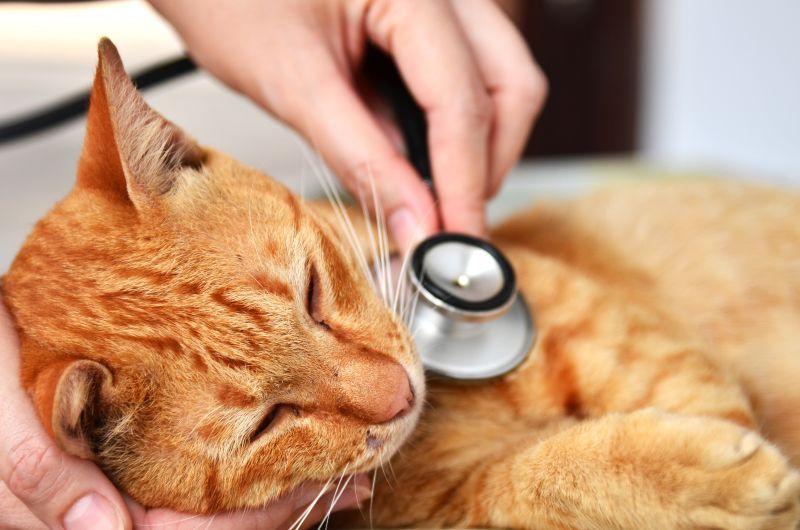
Further testing may include:
- chest X-rays to look for changes within the lungs
- blood tests to check for signs of infection or other illness
- blood oxygen or blood gas testing in cats with respiratory distress
- samples of fluid or cells from the airways for examination, culture and sensitivity testing
- tests for particular viral, fungal, protozoal or parasitic infections when these are suspected.
Identifying the cause can help your veterinarian select the most appropriate treatment.
Expert advice from Dr Felicia:
Some cats present to the vet clinic in respiratory distress, and in these situations diagnostics may have to wait until after emergency stabilisation (usually sedation and oxygen). Once the cat is calmer and able to be handled without causing further deterioration and decompensation, then further diagnostics can occur.
Treatment for pneumonia in cats
Treatment depends on the cause and severity of the pneumonia and the cat’s overall condition. Cats with significant breathing difficulties may require hospitalisation and intensive supportive care.
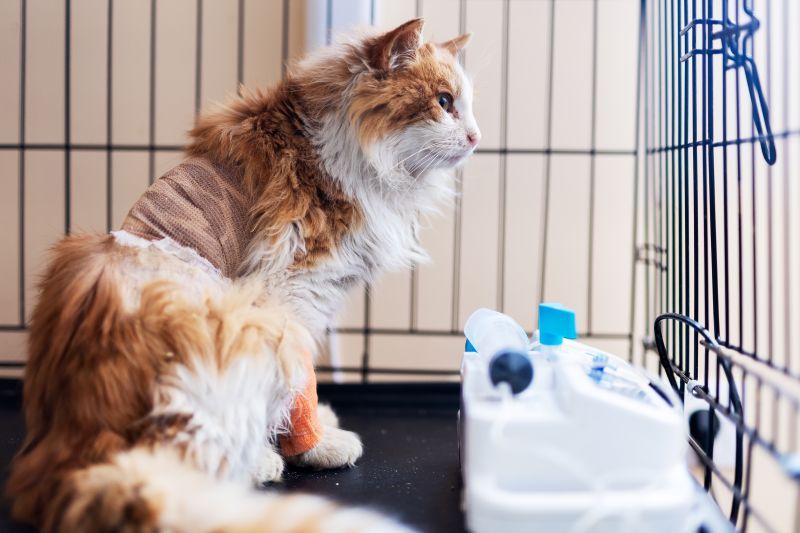
Treatment may include:
- supplemental oxygen if the cat is not getting enough oxygen
- intravenous fluids when appropriate
- nutritional support if the cat is unable or unwilling to eat
- antibiotics for confirmed or suspected bacterial infection, with treatment adjusted according to culture and sensitivity results where appropriate
- antifungal medication for fungal pneumonia
- other specific medications when a viral, protozoal or parasitic cause is identified
- treatment of any underlying condition contributing to the pneumonia.
Cats with aspiration pneumonia may also require treatment for the underlying reason that aspiration occurred, such as an oesophageal or swallowing disorder.
Follow-up examinations and repeat chest X-rays may be recommended to make sure the pneumonia is resolving.
Expert advice from Dr Felicia:
Cats with pneumonia need close monitoring for improvement or deterioration over the treatment period, as deterioration can be quick and require intervention or escalation of care. This can be difficult as cats often find hospitalisation stressful and ongoing hospital stays can be expensive.
Monitoring progress for resolution of pneumonia in cats usually includes checking oxygenation levels without supplementary oxygen, improvement of breathing effort with normal respiratory rate, and seeing improvements in white cell count and inflammatory markers.
Prognosis and recovery
The outlook for a cat with pneumonia depends on its underlying cause, the severity of the illness, the cat’s general health and how promptly treatment begins.
Many cats recover well when pneumonia is diagnosed and treated appropriately. Severe pneumonia, however, can cause dangerously low blood oxygen levels and other complications and may be life-threatening. Aspiration pneumonia can also be particularly serious.
Once your cat is well enough to return home, provide a warm, quiet environment and follow your veterinarian’s instructions closely. Give all prescribed medications for the recommended period, even if your cat appears to be feeling better, and attend any scheduled follow-up examinations.
Seek veterinary advice promptly if breathing becomes more difficult, your cat stops eating, becomes markedly lethargic or any symptoms return or worsen.

Can pneumonia in cats be prevented?
Not every case of pneumonia can be prevented, but some steps may help reduce the risk:
- keep recommended vaccinations up to date
- seek veterinary attention for persistent or worsening respiratory symptoms
- have recurrent vomiting, regurgitation or swallowing problems investigated
- administer oral medicines carefully and according to your veterinarian’s instructions
- avoid force-feeding food, liquids or medications if your cat is struggling to swallow
- attend regular veterinary health checks, particularly for kittens, senior cats and cats with chronic medical conditions.
Prompt diagnosis and treatment of respiratory illness can help reduce the risk of more serious complications.
In summary
Pneumonia is uncommon in healthy adult cats, but it can become a serious and sometimes life-threatening respiratory illness. Rapid or laboured breathing, coughing, lethargy and loss of appetite are among the signs to watch for, and any cat experiencing difficulty breathing should receive veterinary attention urgently.
Treatment varies according to the underlying cause and may range from medication and supportive care to hospitalisation and oxygen therapy. With prompt diagnosis and appropriate treatment, many cats can make a good recovery.
Bow Wow Meow Pet Insurance can help protect you and your cat should an unexpected trip to the vet occur.
-
Find out more about our cat insurance options
-
Get an online pet insurance quote
Bow Wow Meow is proud to have been awarded winner of Canstar’s ‘Most Satisfied Customers’ Award in the Pet Insurance category for both 2024 and 2025!
Bow Wow Meow is proud to be the only Pet Insurer that has been awarded Product Review’s Top Rated Pet Insurance every year from 2018 to 2026! This is based on 3,193 independent customer reviews (as at 09/04/2026), with an overall rating of 4.5 stars.

We also have the following ratings on other review platforms:
Google Review rating of 4.5 stars (based on 1,358 reviews)
Trust Pilot rating of 4.6 stars (based on 555 reviews)
Bow Wow Meow has been chosen as Winner of 4 categories in the 2026 Finder Pet Insurance Customer Satisfaction Awards!




– Most Trusted Pet Insurance
– Easiest to Claim Pet Insurance
– Most Recommended Pet Insurance
– Legendary Service Pet Insurance
We also received Highly Commended Awards for Loved Brand Pet Insurance and Best Value Pet Insurance.
Bow Wow Meow is an Australian-owned and operated pet insurance provider. Our focus is purely on pets, and we are proud to have helped provide peace of mind to over 200,000 Aussie pet owners since 2008.
Sources
“Pneumonia in Cats”, MSD Veterinary Manual, https://www.msdvetmanual.com/cat-owners/lung-and-airway-disorders-of-cats/pneumonia-in-cats. Accessed 3 September 2026
“Pneumonia in Dogs and Cats”, MSD Veterinary Manual, https://www.msdvetmanual.com/respiratory-system/respiratory-diseases-of-small-animals/pneumonia-in-dogs-and-cats. Accessed 3 September 2026
“Pneumonia”, Cornell University College of Veterinary Medicine – Cornell Feline Health Center, https://www.vet.cornell.edu/departments-centers-and-institutes/cornell-feline-health-center/health-information/feline-health-topics/pneumonia. Accessed 3 September 2026
“Dyspnea (Difficulty Breathing)”, Cornell University College of Veterinary Medicine – Cornell Feline Health Center, https://www.vet.cornell.edu/departments-centers-and-institutes/cornell-feline-health-center/health-information/feline-health-topics/dyspnea-difficulty-breathing. Accessed 3 September 2026