What is a Tonkinese cat?


Tonkinese
The Tonkinese is a lively, sociable and affectionate cat developed from Siamese and Burmese ancestry. They are playful, intelligent and people-focused, making them a good match for owners who want an interactive companion rather than a quiet ornamental cat.
| Recommended for | Families, active households and owners wanting an interactive cat |
| Breed Classification | Shorthair |
| Other names | Tonk |
| Lifespan | 12–16 years |
| Size | Medium |
| Temperament | Playful, affectionate, curious and social |
| Intelligence | High; enjoys games, routines and problem-solving |
| Tendency to vocalise | Moderate to high; often chatty but usually softer than a Siamese |
| Maintenance Level | Low grooming, moderate enrichment needs |
| Health Risk | Generally healthy, but dental disease, respiratory issues, eye concerns and heart disease may occur; ask breeders about health screening. |
Thinking of insuring a Tonkinese?
Explore the Top 5 health issues claimed for Tonkinese, including highest claims paid and how much pet insurance could help you save on eligible vet bills.
See Tonkinese pet insurance Ready to get cover? Get a quick quote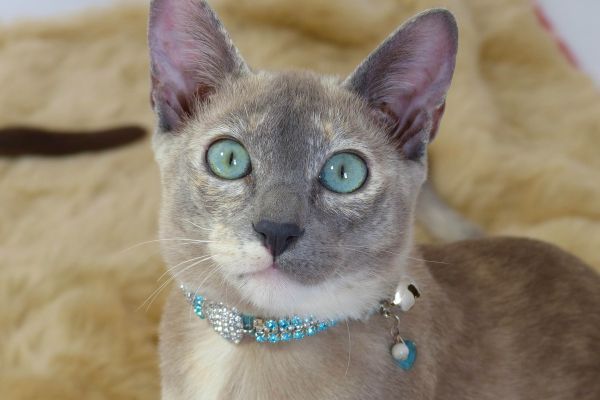
Tonkinese personality and temperament
Tonkinese cats are outgoing, affectionate and full of personality. They often want to be involved in whatever their people are doing, from household chores to laptop work. Many enjoy being carried, sitting on shoulders or laps, and greeting visitors. They are playful well into adulthood and can be quite persistent when they want attention.
They can suit apartments and indoor homes very well, but only if enrichment is taken seriously. A bored Tonkinese may become noisy or inventive. They usually need toys, climbing spaces, window views, puzzle feeders and regular interaction. They are best for owners who genuinely want a social cat.
Tonkinese with kids and other pets
Tonkinese cats often suit families because they are playful, people-oriented and confident. They can be excellent companions for children who understand how to play gently and give the cat a break when needed. Their active nature makes them more engaging than very quiet breeds.
They usually get along well with other cats and cat-friendly dogs when introduced properly. In fact, many Tonkinese appreciate companionship and may become lonely if left alone for long periods. A compatible second pet can help, but it should not replace human interaction.
Tonkinese training and exercise
Tonkinese are active cats that need daily exercise. They enjoy climbing, chasing, jumping and interactive games, so cat trees, shelves, tunnels and wand toys are useful. Their exercise needs are not extreme, but they are more active than many calm companion breeds.
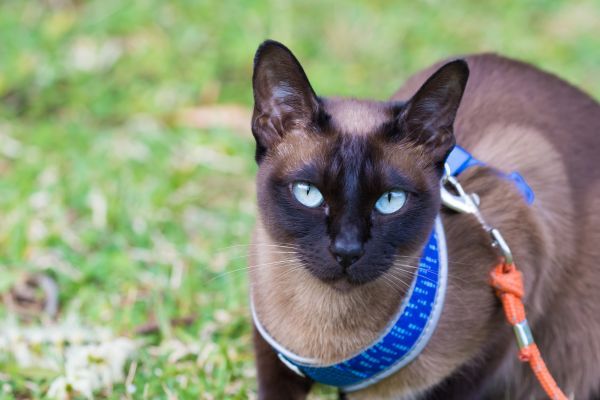
Training can be very rewarding because the breed is intelligent and food- or attention-motivated. They may learn fetch, recall, harness walking, carrier training and simple tricks. Keep sessions upbeat and short, and avoid boredom.
| Energy level | High |
| Exercise requirements | High; daily interactive play, climbing, puzzle feeders and training games |
Common health issues for Tonkinese
What do Tonkinese owners claim for the most?
- Tonkinese cats are generally healthy, though they can still develop some inherited or common feline health conditions. Responsible breeders often screen breeding cats to reduce the risk of passing on genetic diseases. Common health concerns include:
- Hypertrophic Cardiomyopathy (HCM) is a heart condition that can affect Tonkinese cats as well as many other breeds. It causes thickening of the heart muscle and may interfere with normal heart function. Some cats show few early symptoms, though signs may include fatigue, breathing difficulty, or reduced activity. Regular veterinary examinations can assist with early detection.
- Dental Disease can occur in Tonkinese cats, particularly gingivitis and periodontal disease. These conditions may lead to gum inflammation and tooth loss if not treated. Routine dental care, including brushing and veterinary dental checks, can help maintain oral health.
- Obesity may develop when activity levels are low or food intake is not carefully managed. Excess body weight can place strain on joints and increase the risk of other health problems. Maintaining an appropriate diet and encouraging regular exercise can help keep Tonkinese cats in good physical condition.
- Routine veterinary visits, including health checks and dental examinations, can help identify potential health concerns early and support long-term wellbeing.
Not all conditions are covered by Pet Insurance. For details of Bow Wow Meow Pet Insurance cover, refer to the Product Disclosure Statement.
How to choose the right insurance for your Tonkinese
When comparing cover for your Tonkinese, look for:

Cover for common Tonkinese conditions:
Check that the policy covers conditions Tonkinese can be prone to, including common health issues.

Cover for hereditary conditions:
No exclusions for hereditary or congenital conditions⑅.

Flexible cover options:
Options to adjust your annual benefit limit, reimbursement rate and excess.
Bow Wow Meow's Nose-to-Tail Cover offers flexible options for your Tonkinese, with cover for accidental injuries, illnesses and hereditary conditions⑅. Get a quick quote for cover that suits your Tonkinese and your budget.
Tonkinese feeding and nutrition
Tonkinese cats need a balanced, high-quality diet that supports an active but muscular body. Generally energetic and curious, they may burn more energy than sedentary breeds, but portions still need to be measured. Diet should be adjusted for age, desexing status, activity level and body condition.
A mix of wet and dry food may support hydration, satiety and dental care, depending on veterinary advice. Puzzle feeders can be useful as Tonkinese enjoy problem-solving and may eat too quickly from a bowl. Treats are best used as training rewards in small amounts. Ask your vet for guidance if your cat gains weight, loses muscle or develops digestive sensitivity.
Tonkinese care and grooming
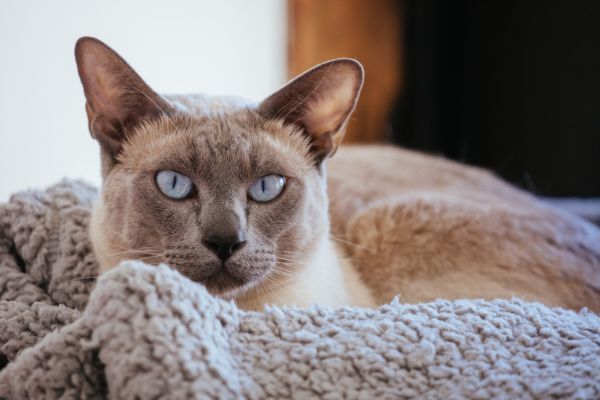
The Tonkinese coat is easy to manage. Weekly brushing or wiping with a grooming mitt usually removes loose hair and keeps the coat glossy. Many Tonkinese enjoy grooming if it is introduced as attention rather than restraint, so short positive sessions work best.
Routine care should include nail trimming, dental care and ear checks. Because Tonkinese are curious and social, they may tolerate handling well if trained early. With their low-maintenance coat, their social and mental needs are much higher than their grooming needs. Indoor enrichment is an important part of day-to-day care.
Size, appearance and coat of Tonkinese
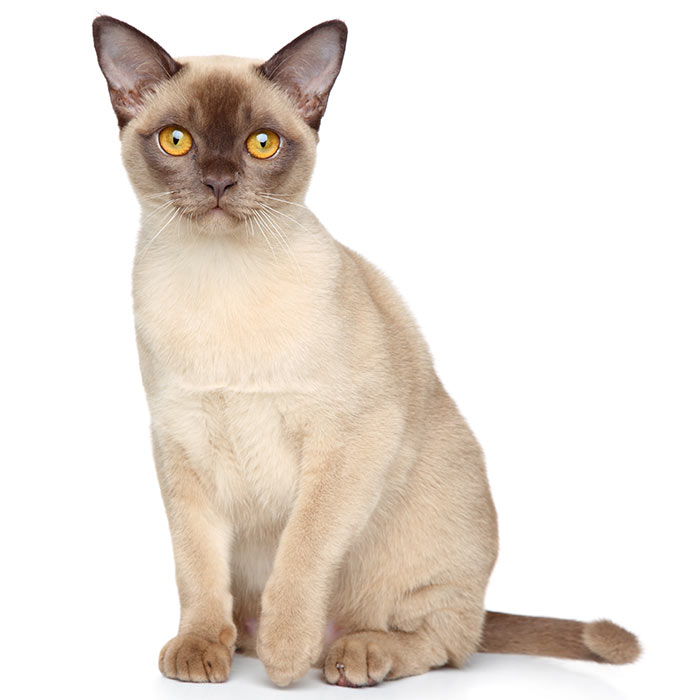
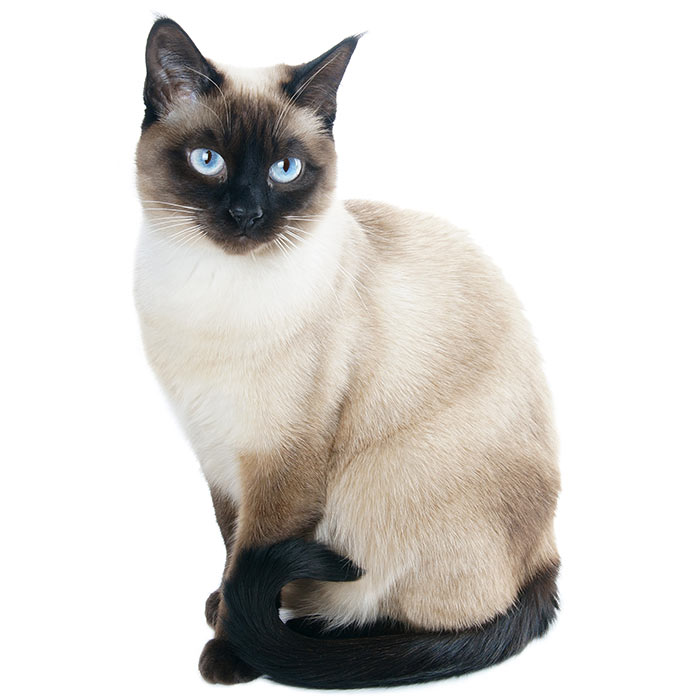
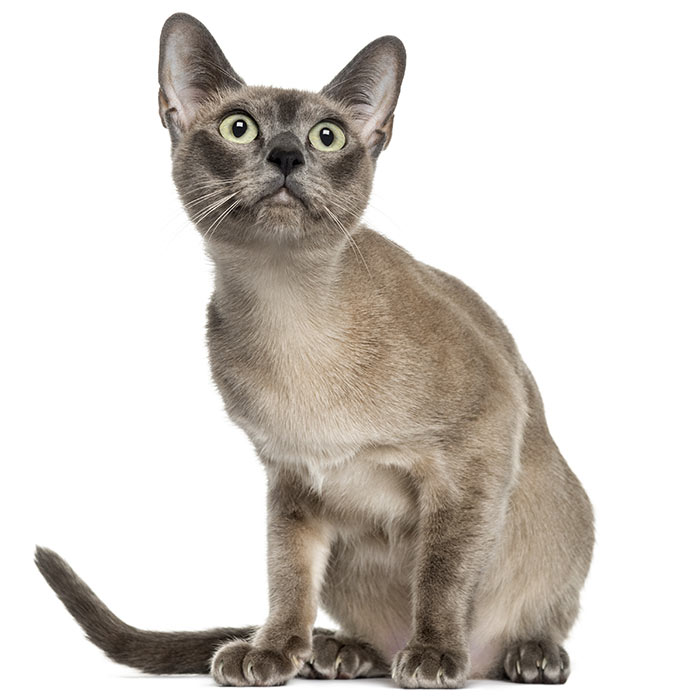
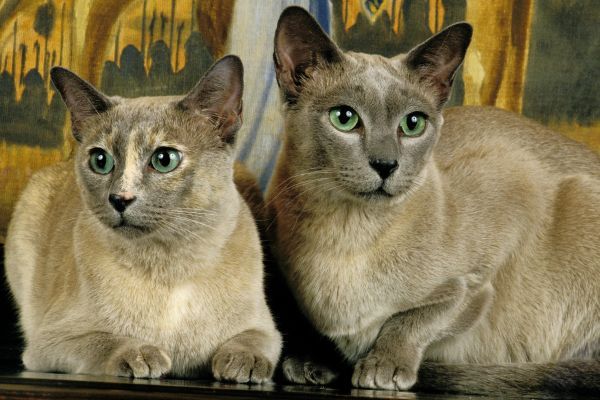
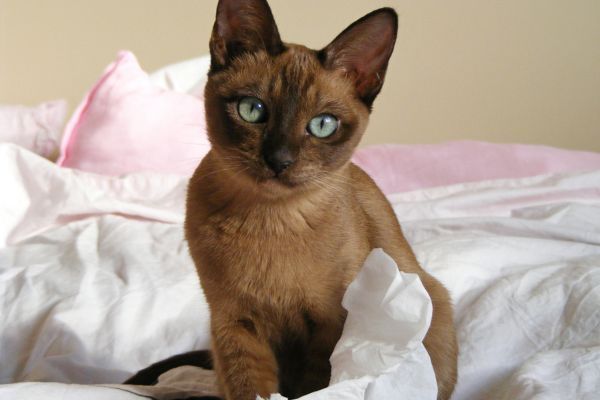
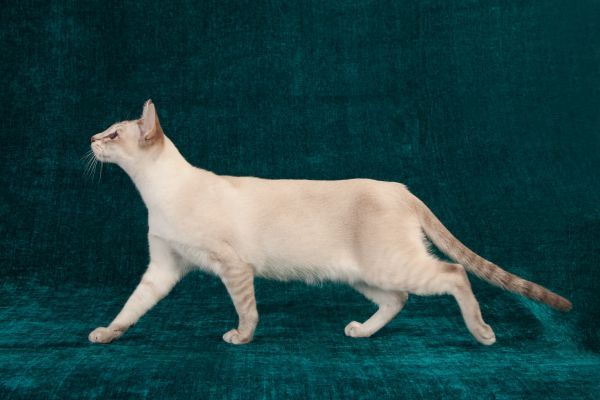
Tonkinese cats are medium-sized, muscular and surprisingly solid when picked up. They have a balanced body type, sitting between the long, fine Siamese and the more compact Burmese. The head is gently modified wedge-shaped, with medium ears, almond-shaped eyes and a sweet but alert expression.
The short coat is close-lying and silky. Tonkinese are best known for mink patterns, often with striking aqua eyes, but registry rules vary and may also include point and solid pattern expressions. Their bodies are elegant without being fragile, and their movement is athletic and confident.
| Weight range | About 2.5–5.5 kg |
| Height range | About 20–30 cm at the shoulder |
| Colours | Natural/seal, blue, champagne/chocolate, platinum/lilac and other registry-recognised colours in mink, pointed or solid patterns |
| Coat length | Short, fine, close-lying and silky |
Breed history of Tonkinese
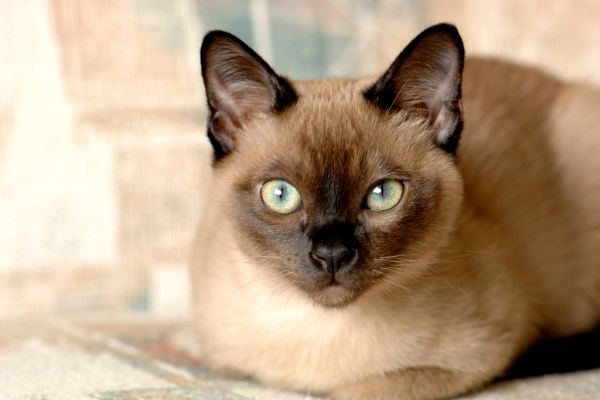
The Tonkinese was developed from Siamese and Burmese cats, combining the sociability and colourpoint patterning of the Siamese with the muscular build and affectionate nature of the Burmese. Cats of this general type appeared historically in Southeast Asia, but the modern pedigree breed was deliberately developed in the 20th century.
Breeders in North America helped establish the Tonkinese as a recognised breed, aiming for a balanced cat that was neither as slender as the modern Siamese nor as compact as the Burmese. The breed became known for its mink coat patterns, aqua eyes and confident temperament. Today, Tonkinese cats remain popular with people who enjoy a vocal, playful and highly companionable cat.
Tonkinese facts!
- Tonkinese are often described as having the best of both Siamese and Burmese personalities.
- Their voice is usually chatty but softer than many Siamese cats.
- Many Tonkinese enjoy fetch and other dog-like games.
- The classic mink pattern is associated with eye colour know as aqua.
- A Tonkinese may follow you from room to room like a small supervisor.
- They may be referred to informally as “Tonks”.
Summary
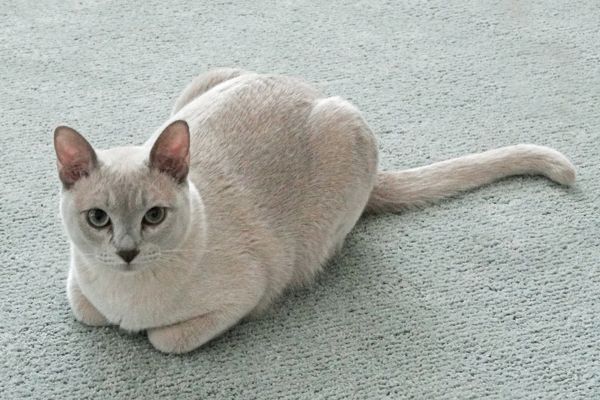
The Tonkinese is an affectionate, intelligent cat known for its playful personality and striking aqua or blue eyes. This medium-sized breed typically lives 14-18 years and is well suited to families, singles, and homes with other pets.
Tonkinese cats are social, curious, and people-oriented, often seeking companionship and interaction. Their short coat requires minimal grooming. Potential health issues include hypertrophic cardiomyopathy, dental disease, and obesity.
FAQs about the Tonkinese
A Tonkinese cat is a medium-sized breed developed by crossing Siamese and Burmese cats. The breed is known for its playful personality, affectionate nature, and distinctive coat pattern with bright aqua or blue eyes.
Tonkinese cats were developed in North America during the mid-twentieth century through breeding programs that combined Siamese and Burmese cats. The goal was to create a breed that blended the temperament and physical features of both parent breeds.
Yes, Tonkinese cats are well known for their affectionate and people-oriented personality. They enjoy spending time with their owners and often seek interaction and companionship throughout the day.
Tonkinese cats are not considered hypoallergenic. Although they have short coats and moderate shedding, they still produce the proteins in dander and saliva that can trigger allergies.
Tonkinese cats do shed, though usually less than many long-haired breeds. Their short coat is easy to maintain, and regular brushing can help remove loose hair and keep the coat in good condition.
Tonkinese cats commonly live between 14 and 18 years when provided with proper care, balanced nutrition, and regular veterinary check-ups.
The price of a Tonkinese cat can vary depending on the breeder, pedigree, and location. Cats bred for show or breeding programs may cost more than those sold as companion pets.
Tonkinese cats have a medium-sized, muscular body with a short, silky coat. Their colouring often shows a mink pattern with softly shaded points, and many individuals have distinctive aqua-coloured eyes.
Tonkinese cats can enjoy outdoor access when it is supervised or within a secure enclosure. Many owners keep them indoors to reduce risks and keep them safe.
Tonkinese cats benefit from a balanced diet that includes high-quality protein. Many owners feed a combination of wet and dry cat food to support hydration, energy levels, and overall health.
They can be chatty, but many have a softer voice than Siamese cats.
Yes, provided they receive daily interaction, climbing spaces and mental enrichment.
Not always, but many enjoy companionship and may dislike being left alone for long periods.
Yes. Their short coat is low maintenance.
MORE INFORMATION
Tonkinese Cat Rescue Australia: http://tonkinese.rescueme.org/au
Cats NSW breeder directory: https://catsnsw.com.au/breeders/
Australian Cat Federation breed standards: https://www.acf.asn.au/index.php?page=standards
Co-ordinating Cat Council of Australia breed standards: https://www.cccofa.com.au/standards.php

Get 2 months free for your kitten!
Cover your kitten from Nose-to-Tail
To ensure your precious fur baby is covered from the start, we'd like to offer your first 2 months of our Nose-to-Tail Cover for free2!
Get a quick quote