Is the Australian Kelpie Cross a good family dog?


Kelpie Cross
Kelpie Cross dogs are energetic, capable and often intensely loyal dogs that usually suit active owners best. Many inherit the Kelpie's stamina, alertness and readiness to work, making them rewarding companions for people who enjoy outdoor life, training and having a dog that wants to be involved. They are often at their best in homes that appreciate their intelligence and physical ability rather than expecting an easy, low-maintenance pet.
| Recommended for | Active owners, rural properties and energetic families |
| Breed Classification | Crossbreed / working dog |
| Other names | Kelpie x, Australian Kelpie Cross |
| Lifespan | Around 12 to 15 years |
| Size | Medium |
| Temperament | Alert, loyal, hardworking, intelligent |
| Intelligence | High |
| Tendency to bark | Medium |
| Maintenance Level | Medium |
| Health Risk | Moderate |
Thinking of insuring a Kelpie Cross?
Explore the Top 5 health issues claimed for Kelpie Crosses, including highest claims paid and how much pet insurance could help you save on eligible vet bills.
See Kelpie Cross pet insurance Ready to get cover? Get a quick quote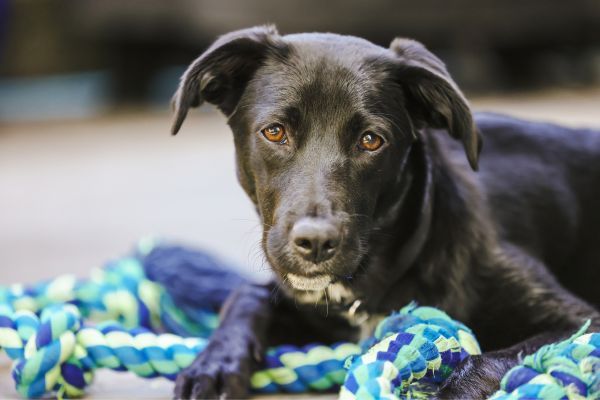
Kelpie Cross personality and temperament
Kelpie Cross dogs are often alert, loyal and quick to respond. Many form strong bonds with their owners and are happiest when they feel included in daily activity. They are often confident without being flashy and can be both affectionate and intensely focused.
Because of their working-dog heritage, many Kelpie Cross dogs need more than passive companionship. They often enjoy having tasks, routines and expectations. Without enough activity or mental input, they may become restless, vocal or destructive. Some can also be highly reactive to movement, fast-changing environments or livestock-like stimuli.
In the right home they are rewarding, capable and deeply loyal dogs. In the wrong home they can become frustrated and difficult. The difference usually comes down to lifestyle match and owner engagement.
Kelpie Crosses with kids and other pets
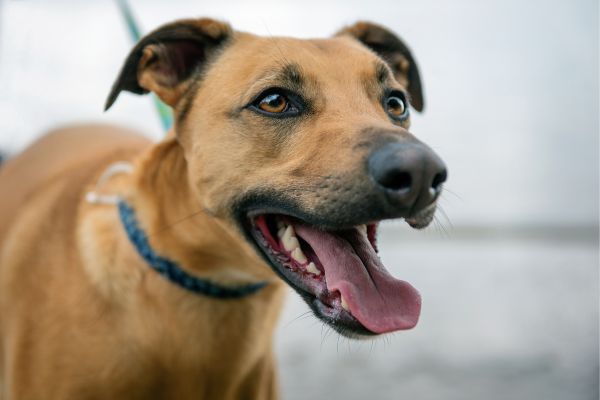
A well-socialised Kelpie Cross can be a terrific family companion in an active household. Many are loyal and affectionate with their people and enjoy being part of family routines. They can do well with children, but because some have strong movement sensitivity or herding tendencies, supervision and training are important.
With other animals, outcomes vary by individual. Some Kelpie Cross dogs are highly social and easy with other dogs, while others are more intense or selective. They can live with other pets, including cats, but early introduction and thoughtful management matter, especially in dogs with a strong chase or control instinct.
Kelpie Cross training and exercise
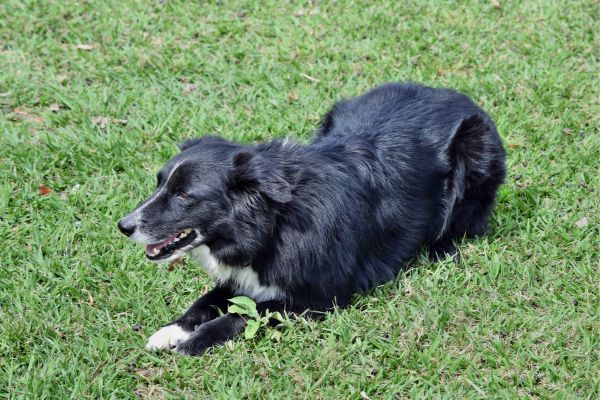
Kelpie Cross dogs usually need regular, meaningful exercise and generally benefit from more than just casual walking. They often enjoy running, play, training drills, scent work, fetch, hiking and dog sports. Mental stimulation is just as important as physical exercise.
Training should be clear, calm and consistent. These dogs are often intelligent and capable learners, but many need direction and purpose. They can become self-employed if not given appropriate outlets. Reward-based methods usually work well, particularly when training is varied and engaging.
Importantly, these dogs also need to learn how to settle. A dog that is constantly kept busy but never taught to switch off can become more restless rather than more balanced.
| Energy level | Very high |
| Exercise requirements | Very high |
Common health issues for Kelpie Crosses
What do Kelpie Cross owners claim for the most?
Most Australian Kelpies are healthy dogs. However, the following conditions have been known to affect the breed:
- Joint strain – Active, working-type dogs can place considerable stress on their joints over time, particularly if they are under-conditioned, overweight or repeatedly exposed to high-impact activity.
- Soft tissue injuries – Running, turning, jumping and rough play can increase the risk of strains and minor injuries, especially in energetic dogs that do not always pace themselves well.
- Skin irritation – Allergies, grasses, bites or environmental sensitivity can lead to itching, redness and coat problems, which may be mild and occasional or become more persistent if not addressed.
- Paw and foot injuries – Active outdoor dogs may be more prone to cuts, abrasions, grass seeds and similar foot problems, particularly if they spend time on rough ground or in dense vegetation.
- Weight loss or poor condition under heavy exercise – Very active dogs may struggle to maintain ideal body condition if exercise levels are high and diet is not adjusted to match their actual workload and energy output.
Not all conditions are covered by Pet Insurance. For details of Bow Wow Meow Pet Insurance cover, refer to the Product Disclosure Statement.
How to choose the right insurance for your Kelpie Cross
When comparing cover for your Kelpie Cross, look for:

Cover for common Kelpie Cross conditions:
Check that the policy covers conditions Kelpie Crosses can be prone to, including common health issues.

Cover for hereditary conditions:
No exclusions for hereditary or congenital conditions⑅.

Flexible cover options:
Options to adjust your annual benefit limit, reimbursement rate and excess.
Bow Wow Meow's Nose-to-Tail Cover offers flexible options for your Kelpie Cross, with cover for accidental injuries, illnesses and hereditary conditions⑅. Get a quick quote for cover that suits your Kelpie Cross and your budget.
Kelpie Cross feeding and nutrition
A Kelpie Cross should be fed according to age, activity level and body condition. Active dogs may need a diet that supports lean muscle and sustained energy, but owners should still watch condition carefully. Working-type dogs can look fit while either being under-fuelled or carrying more weight than ideal.
A balanced, good-quality diet, fresh water and sensible treat use are the basics. Food can also be useful in training, but should be accounted for in overall intake. Growing dogs in particular need sensible nutrition to support healthy development without excessive weight gain.
Kelpie Cross care and grooming
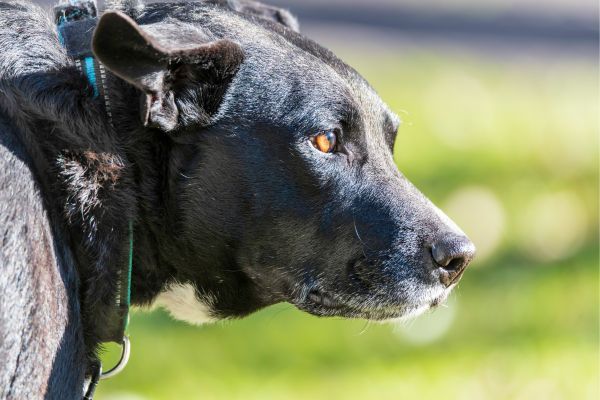
Most Kelpie Cross dogs are fairly manageable in the grooming department. Their coats are often practical rather than elaborate, and regular brushing is usually enough to remove loose hair and keep the skin and coat in good order.
Owners should also stay on top of nails, ears, feet and dental care. Dogs that spend a lot of time outdoors may need regular checks for grass seeds, cuts or other environmental wear. In general, their maintenance demands are moderate rather than high, but they still need routine care.
Size, appearance and coat of Kelpie Crosses
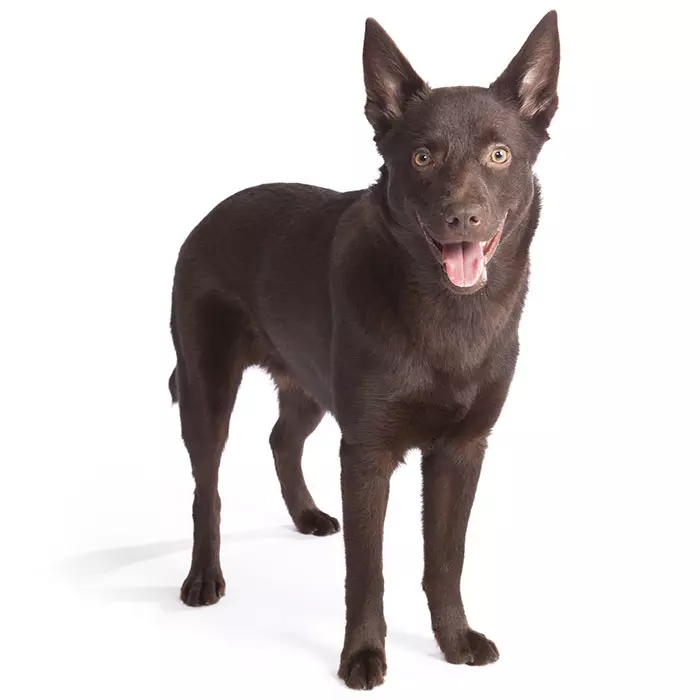
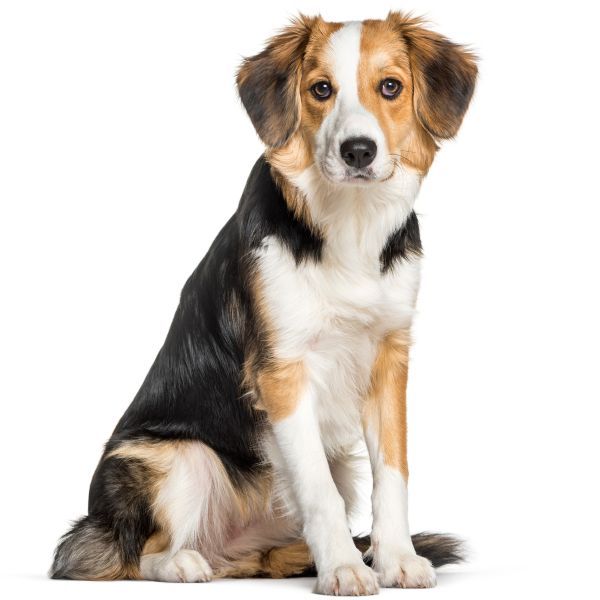
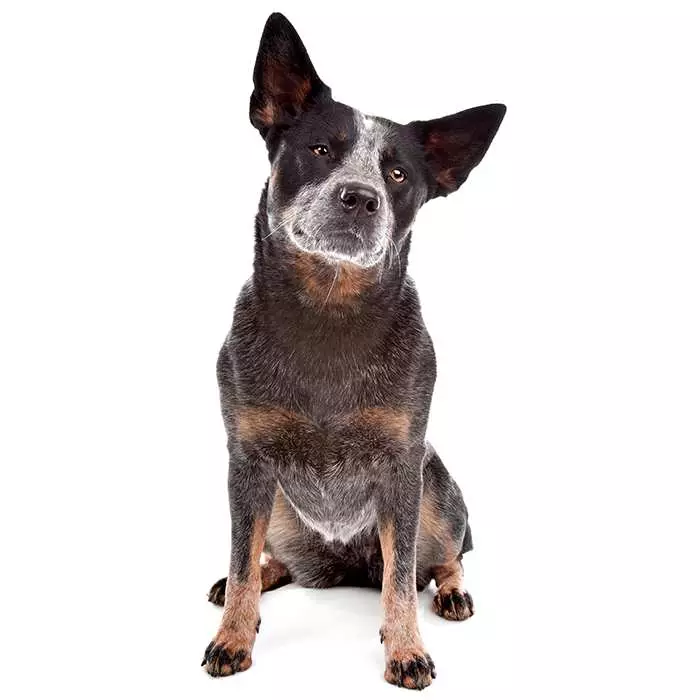
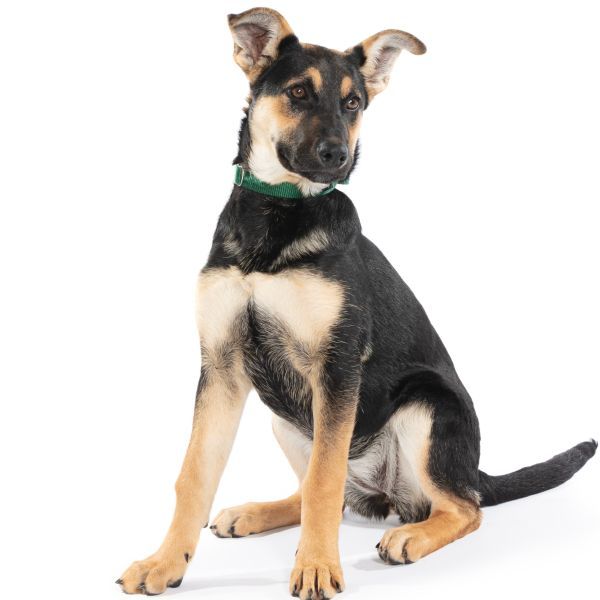
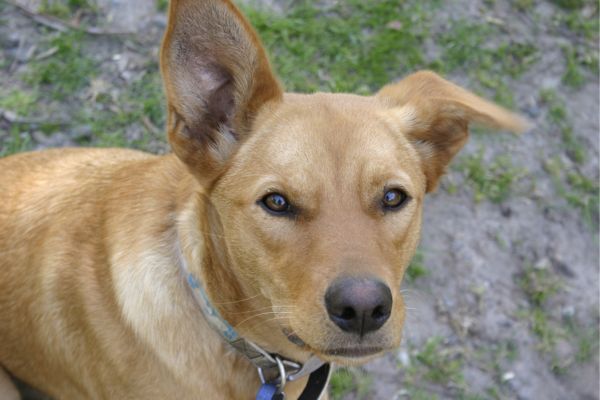
Kelpie Cross dogs are usually lean, athletic and well-balanced, with a body built for movement and endurance. They often have a moderate frame rather than a heavy one, and many carry themselves with alertness and agility. Depending on the mix, they may resemble a classic Kelpie or show obvious influence from another working or companion breed.
Common features include upright or semi-upright ears, a watchful expression, a weather-resistant coat and a body that looks capable rather than ornamental. Some are light and leggy, while others are more compact, but many share an overall impression of readiness and endurance.
| Weight range | Usually around 14 to 25 kg, depending on the cross and build. |
| Height range | Usually around 40 to 55 cm at the shoulder. |
| Colours | Often black, tan, chocolate, red, blue, fawn, cream or mixed shades, sometimes with tan points or white markings. |
| Coat length | Usually short to medium, often with a practical, weather-resistant texture. |
Breed history of Kelpie Crosses
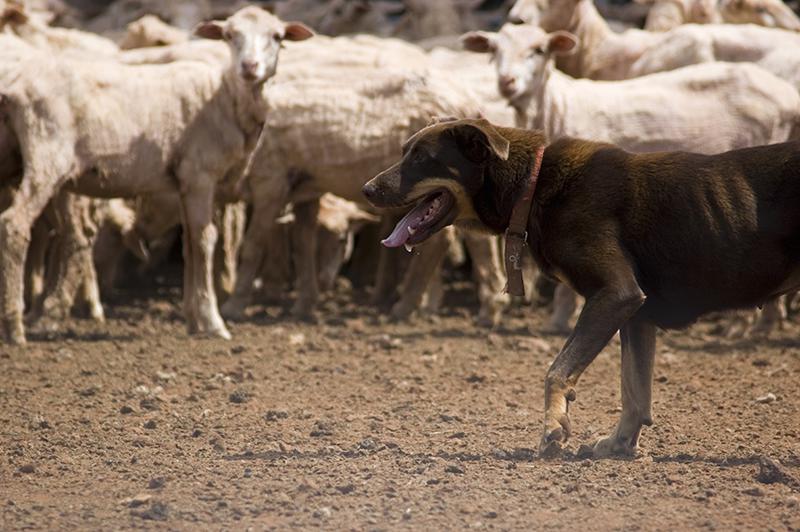
Kelpie Cross dogs come from a practical working-dog background, with the Australian Kelpie valued for stamina, intelligence and stock-handling ability. In Australia especially, Kelpie influence is common in dogs bred for utility rather than appearance, and that legacy can still be seen in many crossbred dogs today.
Some Kelpie Cross dogs arise from rural or semi-rural backgrounds where working ability is part of the breeding story. Others are found in suburban homes where owners are drawn to the dog’s athletic look, alert expression and reputation for loyalty and intelligence. The second breed in the mix can influence whether the dog is more herding-oriented, more companionable or more generally versatile.
What tends to remain constant is a sense of capability. Many Kelpie Cross dogs are not passive or decorative. They are often switched on, physically able and keen to be engaged. That can make them excellent companions in the right setting, but a poor fit for owners looking for a dog that is content with a very sedentary life.
Explore related breeds
Kelpie Cross facts!
- Kelpie Cross dogs often seem to have energy in reserve even after a busy day.
- Many stay alert to movement, sounds and activity happening all around them.
- They are often happiest when they feel useful, included and engaged.
- A Kelpie Cross can be incredibly loyal once it bonds with its people.
- Their working-dog heritage often shows through even in suburban homes.
Summary
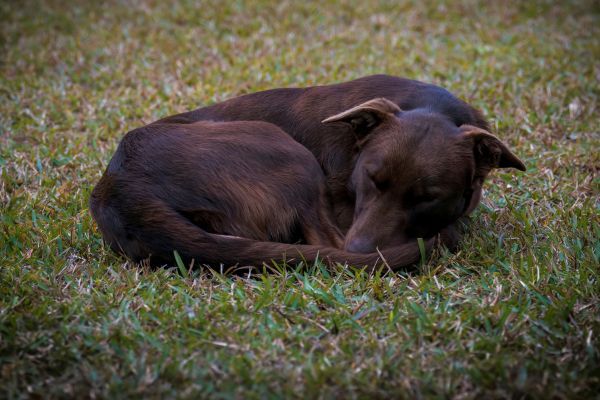
The Kelpie Cross is typically an energetic, capable and intensely loyal dog, although size, appearance and temperament vary depending on the mix. Many inherit the Australian Kelpie’s stamina, alertness, intelligence and readiness to work.
Kelpie crosses are usually best suited to active owners who enjoy outdoor life, training and involving their dog in daily activities. They are often happiest in homes that appreciate their physical and mental abilities rather than expecting a low-maintenance companion.
FAQs about the Kelpie Cross
It can be, provided the household can meet the dog’s exercise, training, mental stimulation and supervision needs.
How much exercise does an Australian Kelpie Cross need?
A: High — daily walks, active play, running opportunities, training tasks and mentally engaging games.
Shedding depends on coat type, season and grooming routine. Many have a short to medium, weather-resistant coat that sheds moderately.
No. Australian Kelpie Cross dogs are not considered hypoallergenic, and no dog breed is truly allergy-free.
Often yes. They are usually intelligent and quick to learn, but need consistent, positive training and enough activity to prevent boredom or frustration.
MORE INFORMATION
The Australian Kelpie Club of NSW: http://www.australiankelpieclubnsw.com/
The Working Kelpie Council of Australia: http://www.wkc.org.au/
Australian Cattle Dog & Kelpie Club of Qld Inc: http://www.cattledog-kelpieclubqld.com/
Working Paws Dog Rescue: https://www.workingpaws.com.au/

Get 2 months free for your puppy!
Congrats on your new bundle of joy
To ensure your precious fur baby is covered from the start, we'd like to offer your first 2 months of our Nose-to-Tail Cover for free2!
Get a quick quote