What is a Staffordshire Bull Terrier Cross?


Staffordshire Bull Terrier Cross
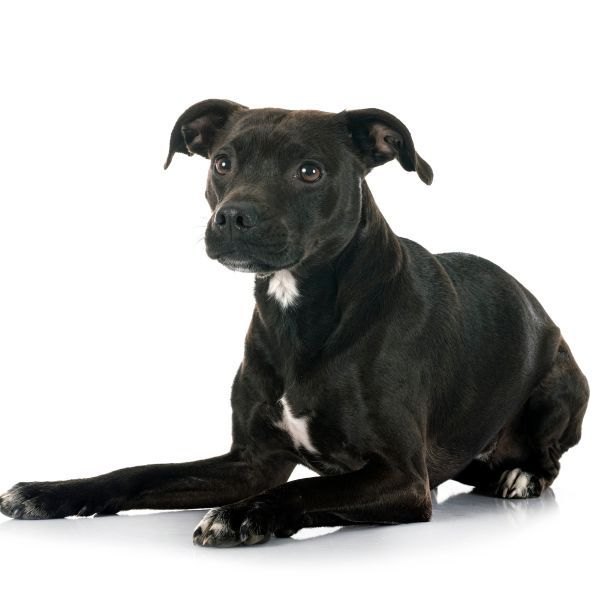
Staffordshire Bull Terrier Cross dogs are compact, strong and affectionate dogs that often combine enthusiasm, resilience and a deep attachment to their people. Many inherit the Staffordshire Bull Terrier's cheerful energy and family orientation, while also showing traits from another breed that can influence size, drive and overall temperament. They are often popular with households wanting a sturdy companion dog that is affectionate and full of character.
| Recommended for | Families and active owners |
| Breed Classification | Crossbreed / terrier-bull type |
| Other names | Staffy Cross, Stafford Cross |
| Lifespan | Around 11 to 14 years |
| Size | Small to medium |
| Temperament | Affectionate, brave, lively, loyal |
| Intelligence | Above average |
| Tendency to bark | Low to moderate |
| Maintenance Level | Low to medium |
| Health Risk | Moderate |
Thinking of insuring a Staffordshire Bull Terrier Cross?
Explore the Top 5 health issues claimed for Staffordshire Bull Terrier Crosses, including highest claims paid and how much pet insurance could help you save on eligible vet bills.
See Staffordshire Bull Terrier Cross pet insurance Ready to get cover? Get a quick quote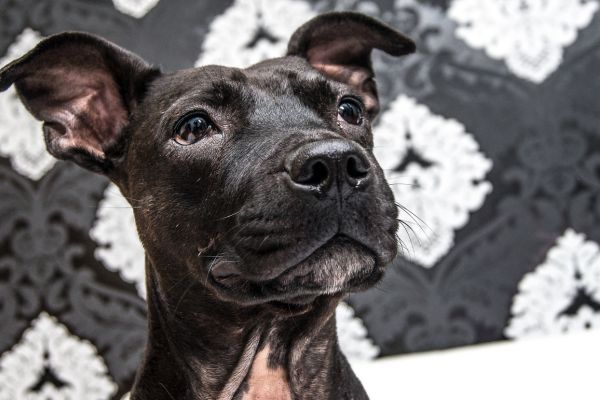
Staffordshire Bull Terrier Cross personality and temperament
Many Staffordshire Bull Terrier Cross dogs are affectionate, enthusiastic and eager to be involved in family life. They often enjoy human company and can be very people-focused, with a tendency to seek closeness, attention and play. Their cheerful nature is a big part of their appeal.
At the same time, they can be boisterous, physically strong and persistent. A young dog of this type may be bouncy, excitable and inclined to test limits if not given clear boundaries. Some are naturally more social than others, and some can be selective with unfamiliar dogs, particularly as they mature.
Overall, they often do best with owners who appreciate both sides of the dog: the affectionate family companion and the physically capable, determined character that still needs training and guidance.
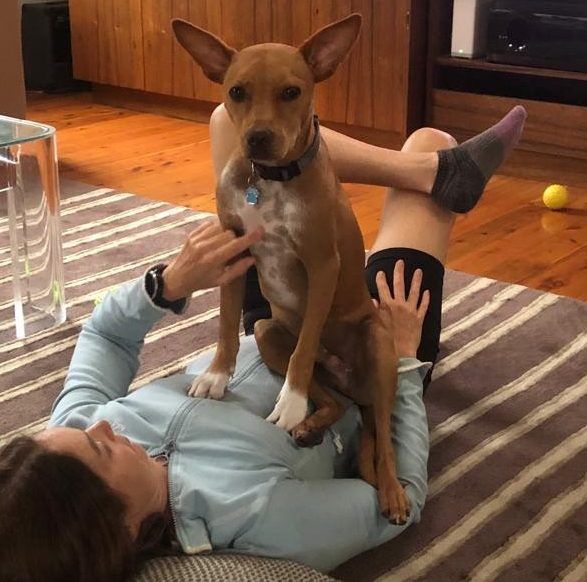
Staffordshire Bull Terrier Crosses with kids and other pets
A well-socialised Staffordshire Bull Terrier Cross can be an excellent family dog and often forms strong bonds with children in its own home. Many are playful, affectionate and tolerant when raised in a stable environment. However, their strength and enthusiasm mean supervision is still important, especially with younger children.
With other pets, there is more variation. Some live happily with other dogs and cats, while others are more intense, excitable or less socially flexible. Early socialisation, thoughtful introductions and owner awareness matter. As with many strong companion breeds, success is less about stereotype and more about the individual dog’s breeding, experience and training.
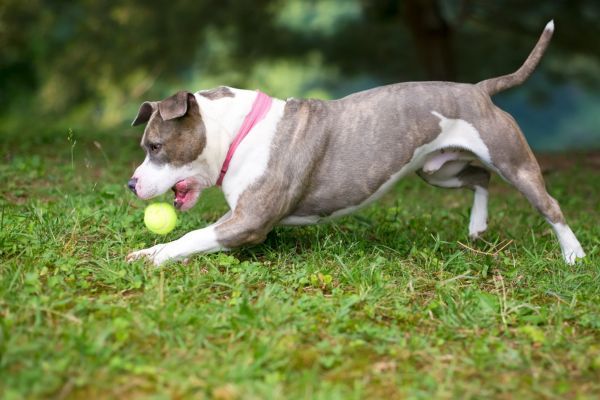
Staffordshire Bull Terrier Cross training and exercise
Staffordshire Bull Terrier Cross dogs usually benefit from regular exercise and simple, consistent training. Many enjoy walks, tug, games, short obedience sessions and mentally engaging activities. They are often responsive to positive training, especially when treats and praise are used well.
Because these dogs can be physically strong and excitable, it is worth prioritising lead manners, calm greetings, recall and basic impulse control early. They do not usually need the workload of a hard-core working breed, but they still need enough exercise and stimulation to avoid boredom and frustration.
| Energy level | High |
| Exercise requirements | High |
Common health issues for Staffordshire Bull Terrier Crosses
What do Staffordshire Bull Terrier Cross owners claim for the most?
- Skin allergies – Itchy skin, redness and recurring irritation are common issues in many Staffy-type dogs, and can affect the ears, paws, belly and coat depending on the underlying cause.
- Cruciate ligament injuries – Knee injuries affecting the cruciate ligament can cause limping, pain and reduced confidence in movement, and may become a significant mobility issue if severe.
- Joint problems – Weight, body shape and activity can all contribute to pressure on the hips and other joints, particularly as strong, compact dogs get older or become overweight.
- Ear infections – Dogs that are prone to skin or allergy issues may also be more likely to experience ear inflammation, head shaking, scratching and recurring infections.
- Weight gain – Carrying extra weight can worsen joint strain, reduce comfort and make active dogs less mobile, so maintaining a lean condition is important for long-term health.
Not all conditions are covered by Pet Insurance. For details of Bow Wow Meow Pet Insurance cover, refer to the Product Disclosure Statement.
How to choose the right insurance for your Staffordshire Bull Terrier Cross
When comparing cover for your Staffordshire Bull Terrier Cross, look for:

Cover for common Staffordshire Bull Terrier Cross conditions:
Check that the policy covers conditions Staffordshire Bull Terrier Crosses can be prone to, including common health issues.

Cover for hereditary conditions:
No exclusions for hereditary or congenital conditions⑅.

Flexible cover options:
Options to adjust your annual benefit limit, reimbursement rate and excess.
Bow Wow Meow's Nose-to-Tail Cover offers flexible options for your Staffordshire Bull Terrier Cross, with cover for accidental injuries, illnesses and hereditary conditions⑅. Get a quick quote for cover that suits your Staffordshire Bull Terrier Cross and your budget.
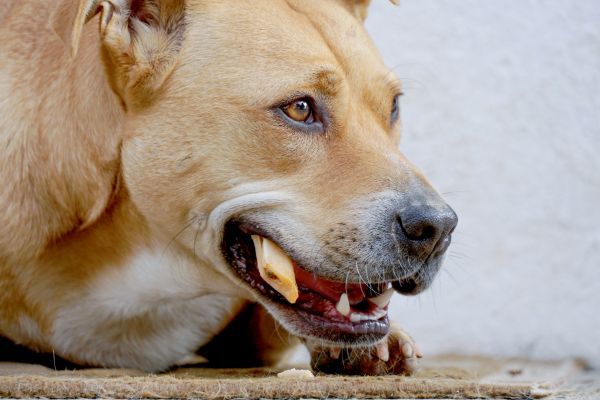
Staffordshire Bull Terrier Cross feeding and nutrition
A quality, balanced diet is important for keeping a Staffordshire Bull Terrier Cross in good condition. These dogs can be food-motivated, which is useful for training but also means weight gain can sneak up if portions are too generous or treats are overused.
Keeping them lean is important for joint health, mobility and overall comfort. Puppies and young dogs should be fed for steady growth rather than maximum bulk, and adults should be assessed by body condition rather than appearance alone.
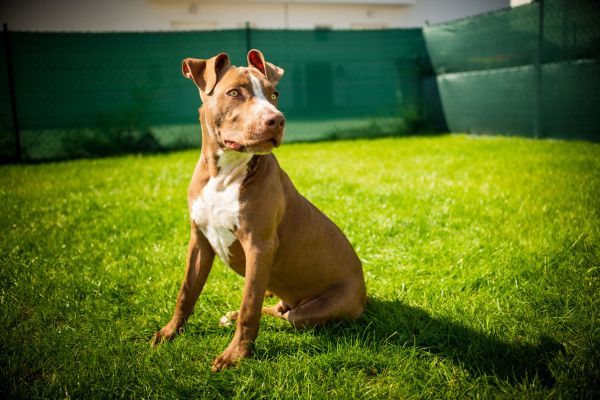
Staffordshire Bull Terrier Cross care and grooming
Most Staffordshire Bull Terrier Cross dogs are easy to groom thanks to a short coat. Weekly brushing is usually enough to remove loose hair and keep the coat looking good. Bathing is generally occasional unless the dog has been especially messy or has skin issues.
Owners should pay attention to nails, ears, teeth and skin. Some dogs of this type are prone to itchiness, redness or other signs of skin sensitivity, so routine monitoring is worthwhile.
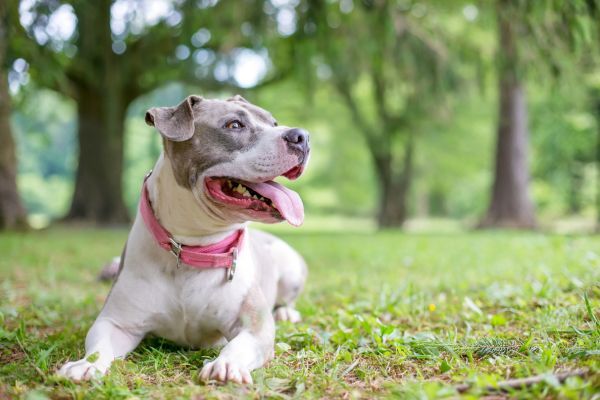
Size, appearance and coat of Staffordshire Bull Terrier Crosses
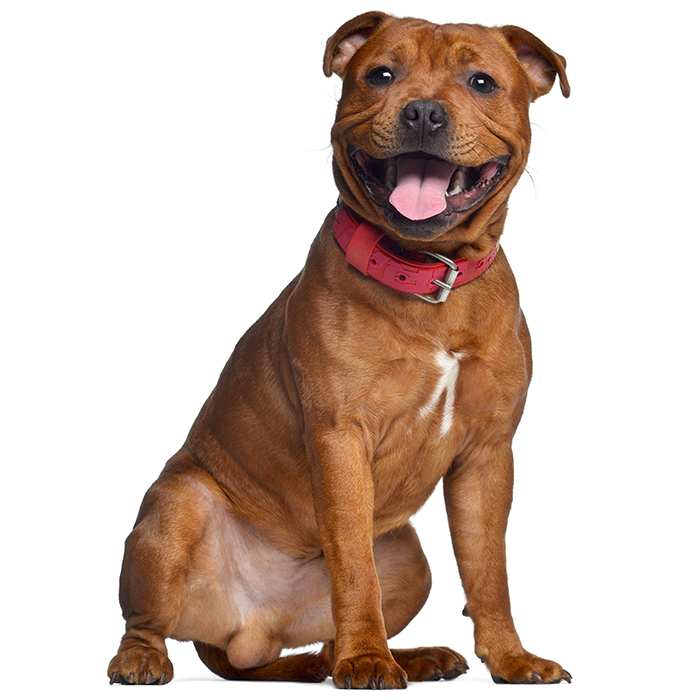
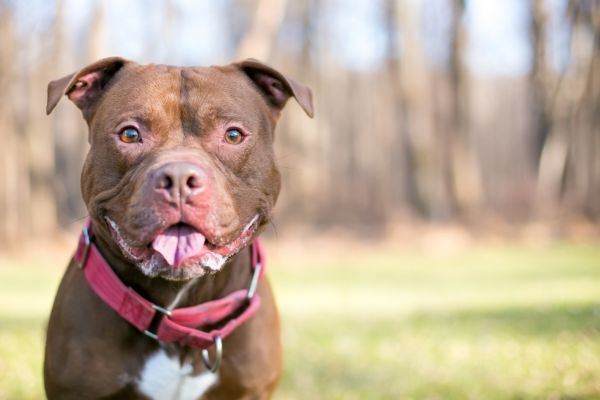
Staffordshire Bull Terrier Cross dogs are often compact, muscular and surprisingly strong for their size. They usually have a broad chest, solid shoulders and a short, smooth coat. Their body shape can vary depending on the mix, but many are sturdy dogs with substance rather than delicacy.
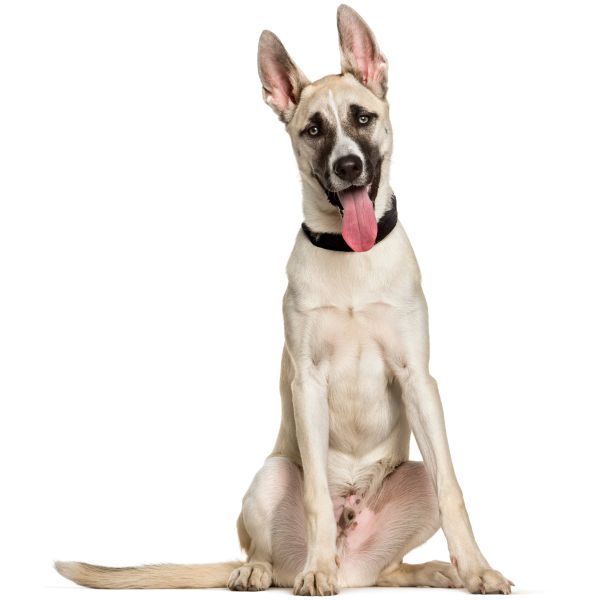
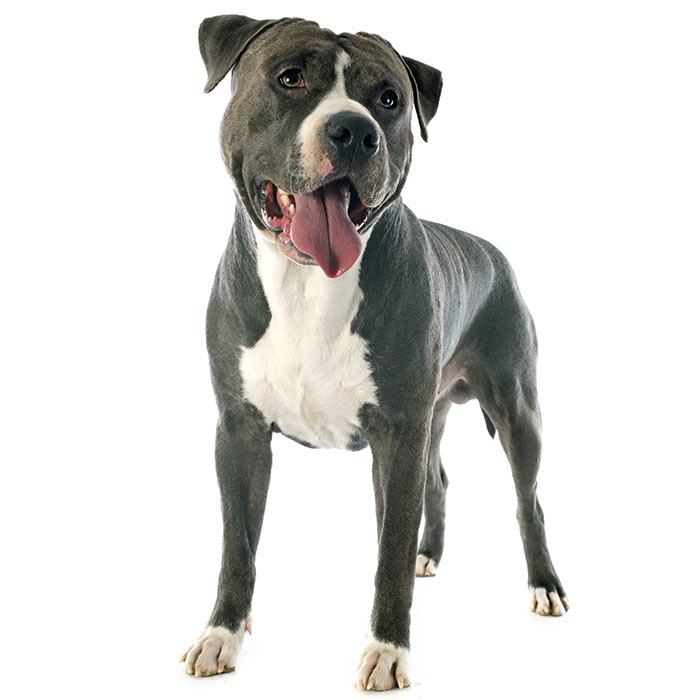
Some have the classic Staffy-style broad head and powerful jaw, while others have a lighter, longer or more terrier-like look. Their ears may fold, rose or semi-prick, and their overall impression is often one of strength, confidence and physical readiness. Even where they are not large, they often feel solid and capable.
| Weight range | Usually around 12 to 25 kg, depending on the mix and build. |
| Height range | Usually around 35 to 48 cm at the shoulder. |
| Colours | Often blue, black, brindle, red, fawn, white, tan or mixed patterns, frequently with white markings. |
| Coat length | Usually short and smooth, making coat maintenance relatively straightforward. |
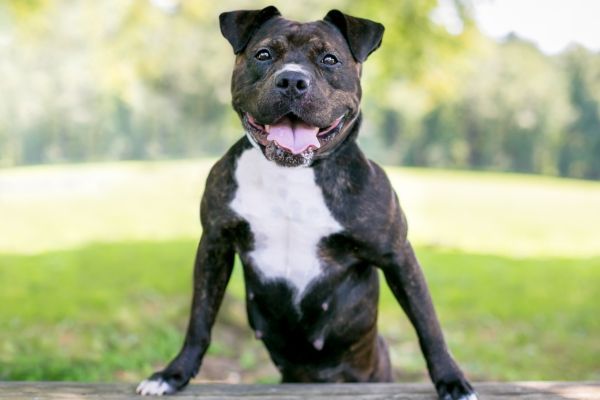
Breed history of Staffordshire Bull Terrier Crosses
The Staffordshire Bull Terrier Cross reflects the long-standing popularity of Staffy-type dogs as companion animals. The Staffordshire Bull Terrier itself has roots in older bull-and-terrier lines, but in modern homes it is best known as a compact, strong and affectionate family dog. Crossbred versions often retain much of that temperament while taking on physical or behavioural traits from another breed.
In practice, these dogs are commonly found as general companion dogs rather than as part of any formal breeding system. That means there is no single uniform ‘Staffy Cross’ type. Some are taller, some heavier, some more terrier-like and others more bull-type in appearance. Despite that variety, many remain recognisable as close relatives of the Staffordshire Bull Terrier in their build, short coat and family-oriented nature.
Part of their enduring appeal is that they often feel robust and practical without being giant dogs. They can fit into family life well, but they are rarely a dog that thrives with no training or no structure. Their background may be companion-focused, but that does not mean they are automatically easy.
Explore related breeds
Staffordshire Bull Terrier Cross facts!
- Staffordshire Bull Terrier Cross dogs are often convinced they are lap dogs, regardless of size.
- Many are known for being affectionate, enthusiastic and full of character.
- They often love human company and prefer to be in the middle of family life.
- Their short coats are easy-care, but their personalities are rarely low-key.
- A well-raised Staffy Cross often combines toughness on the outside with softness at home.
Summary
The Staffordshire Bull Terrier Cross is a compact, strong and affectionate dog whose size, drive and temperament can vary depending on the other breed or breeds in the mix. Many inherit the Staffy’s cheerful energy, resilience and deep attachment to people.
These dogs are often popular with households wanting a sturdy, affectionate companion full of character. Their individual exercise, training, grooming and behavioural needs should be considered according to the particular mix rather than assuming every Staffy cross will be the same.
FAQs about the Staffordshire Bull Terrier Cross
A Staffordshire Bull Terrier Cross is a Staffordshire Bull Terrier crossed with another purebred or mixed-breed dog. As a crossbreed, appearance, coat, size and temperament can vary between individuals.
They can make good family companions, but temperament can vary between individuals and, for crosses, according to the other breed in the mix. Early socialisation and consistent training are important.
Moderate to high. Daily walks, play and mental enrichment are important, with regular opportunities for more active exercise.
Generally yes. They are intelligent and usually respond well to positive, consistent training, particularly when sessions are engaging and rewarding.
They are generally low to moderate or moderate barkers, although barking can increase with boredom, excitement, anxiety or unfamiliar activity.
Coat type and shedding can vary considerably depending on the other breed in the mix, so neither low shedding nor a particular grooming requirement can be guaranteed.
They can adapt to apartment living in the right circumstances, but owners need to meet their daily exercise, enrichment and behavioural needs consistently.
They can live well with respectful children and other dogs, but terrier prey drive may make small pets tempting to chase and dog-to-dog compatibility varies.
Potential health concerns include joint, skin, eye and other inherited conditions depending on the other breed in the mix.
MORE INFORMATION
The Staffordshire Bull Terrier Club of WA: http://www.sbtcwa.com.au/
The Staffordshire Bull Terrier Club of Victoria: http://www.sbtcv.org.au/
QLD Staffy & Amstaff Rescue: http://www.qldstaffyandamstaffrescue.org.au/
Stafford Rescue Victoria: http://staffordrescuevictoria.org.au/
Saving Staffies: https://www.facebook.com/savingstaffies/

Get 2 months free for your puppy!
Congrats on your new bundle of joy
To ensure your precious fur baby is covered from the start, we'd like to offer your first 2 months of our Nose-to-Tail Cover for free2!
Get a quick quote