Is the Standard Schnauzer a good family dog?


Standard Schnauzer
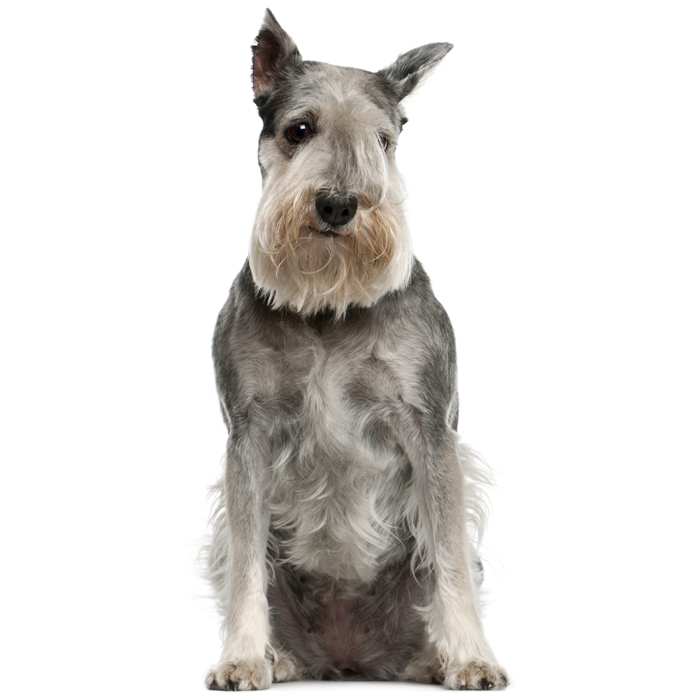
Standard Schnauzers are intelligent and sturdy medium-sized dogs with a wiry coat, distinctive beard and eyebrows, and an alert, confident nature. Originally developed in Germany as versatile farm and guard dogs, they are known for their loyalty, courage and strong work ethic. Generally devoted and lively with their family, Standard Schnauzers can be wary of strangers and may have an independent streak, so they benefit from early socialisation, consistent training and regular exercise.
| Recommended for | Active, consistent owners who want a loyal watchdog-style companion with plenty of energy and intelligence. |
| Breed Classification | Working/Utility Group |
| Other names | Mittelschnauzer |
| Lifespan | 13 to 16 years |
| Size | Medium |
| Temperament | Alert, intelligent, spirited and loyal |
| Intelligence | Generally intelligent; best results come from patient, positive and consistent training |
| Tendency to bark | Moderate to high; strong watchdog tendencies |
| Maintenance Level | Clip or hand-strip; brush beard and furnishings |
| Health Risk | Standard Schnauzers are generally robust when well bred and well cared for, but they can still be affected by recognised breed-related conditions that should be discussed with a vet or breeder. |
Thinking of insuring a Standard Schnauzer?
Explore the Top 5 health issues claimed for Standard Schnauzers, including highest claims paid and how much pet insurance could help you save on eligible vet bills.
See Standard Schnauzer pet insurance Ready to get cover? Get a quick quote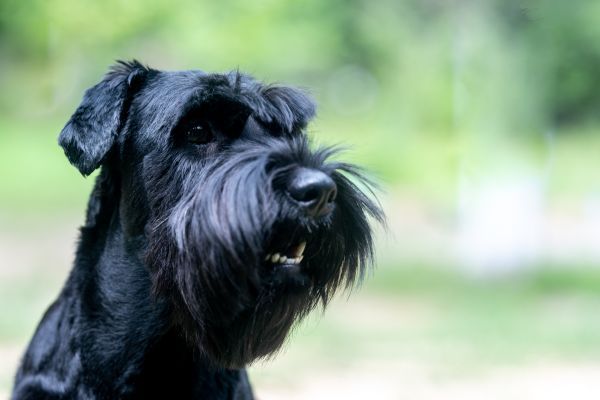
Standard Schnauzer personality and temperament
The Standard Schnauzer is intelligent, alert and energetic, with a confident temperament and strong working instincts. Originally used as a versatile farm dog and watchdog, it is naturally observant and often quick to respond to changes in its environment.
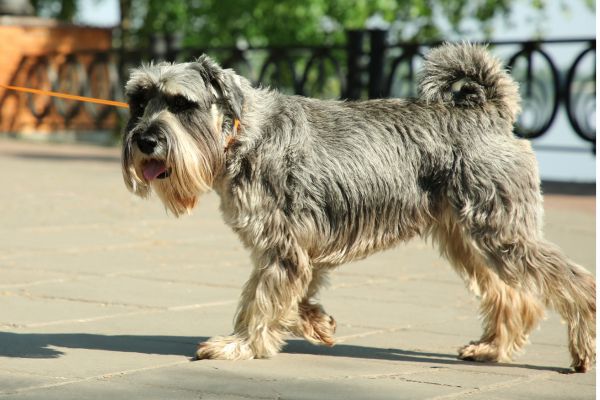
With family, the Standard Schnauzer is usually loyal, lively and affectionate, but it can also be independent and wary of strangers. It thrives with regular training, clear boundaries and plenty of mental stimulation, making it a good fit for owners who enjoy an active, engaged dog.
Standard Schnauzers with kids and other pets
Standard Schnauzers can be loyal and lively family dogs, often forming strong bonds with children in their household. They are energetic and protective, so they suit families that can provide training, structure and regular activity rather than leaving them to become bored.
With other pets, Standard Schnauzers can do well when socialised early, but they may be assertive with other dogs and may chase smaller animals. Clear rules, supervised introductions and consistent training are important in multi-pet homes.
Standard Schnauzer training and exercise
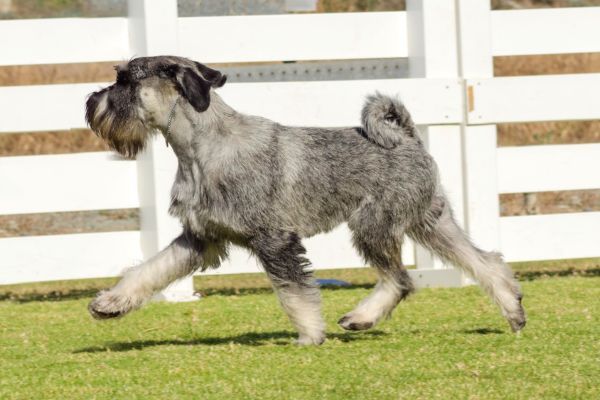
Standard Schnauzers need regular daily exercise and mental stimulation. Brisk walks, games, training activities, agility-style exercises and interactive play help satisfy their energy and working-dog instincts. They are alert and active dogs that do best when given something productive to do.
Training should be consistent, structured and positive. Standard Schnauzers are intelligent and quick to learn, but they can also be independent and strong-minded. Early socialisation, obedience training and clear boundaries are important to help manage watchdog tendencies and build reliable manners.
| Energy level | High |
| Exercise requirements | High - daily exercise, play and obedience work |
Common health issues for Standard Schnauzers
What do Standard Schnauzer owners claim for the most?
- Hip dysplasia: A developmental condition where the hip joint forms abnormally, causing looseness, pain and reduced mobility. Genetics are a major factor, while rapid growth, excess weight and inappropriate exercise can worsen symptoms. Early diagnosis, weight control and veterinary care can help manage the condition.
- Eye disorders: These can include problems such as cataracts, glaucoma, conjunctivitis, dry eye, corneal ulcers and inherited eye disorders. Signs may include redness, cloudiness, discharge, squinting, pawing at the eye, swelling or changes in vision.
- Hypothyroidism: A hormonal disorder where the thyroid gland does not produce enough thyroid hormone, slowing the dog’s metabolism. Common signs include weight gain, lethargy, hair thinning, skin infections and cold intolerance.
- Pancreatitis: A painful inflammation of the pancreas that can cause vomiting, diarrhoea, loss of appetite, abdominal pain, lethargy and dehydration. It may be triggered by high-fat foods, obesity, some medications or underlying disease, though the cause is not always clear.
- Bladder stones: Hard mineral deposits that form in the bladder, causing urinary discomfort, blood in the urine, straining, frequent urination or accidents. They can vary by stone type and may sometimes cause a life-threatening urinary blockage.
Not all conditions are covered by Pet Insurance. For details of Bow Wow Meow Pet Insurance cover, refer to the Product Disclosure Statement.
How to choose the right insurance for your Standard Schnauzer
When comparing cover for your Standard Schnauzer, look for:

Cover for common Standard Schnauzer conditions:
Check that the policy covers conditions Standard Schnauzers can be prone to, including common health issues.

Cover for hereditary conditions:
No exclusions for hereditary or congenital conditions⑅.

Flexible cover options:
Options to adjust your annual benefit limit, reimbursement rate and excess.
Bow Wow Meow's Nose-to-Tail Cover offers flexible options for your Standard Schnauzer, with cover for accidental injuries, illnesses and hereditary conditions⑅. Get a quick quote for cover that suits your Standard Schnauzer and your budget.
Standard Schnauzer feeding and nutrition
The Standard Schnauzer needs a balanced diet that supports its sturdy, active body and alert working-dog nature. High-quality protein helps maintain lean muscle, while healthy fats support skin and the breed’s wiry coat.
Portions should be based on age, weight and activity level, as Standard Schnauzers can gain weight if overfed. A consistent diet with measured meals is best, and fatty table scraps should be avoided. Some Schnauzers may be sensitive to rich foods, so simple, high-quality nutrition is recommended.
Standard Schnauzer care and grooming
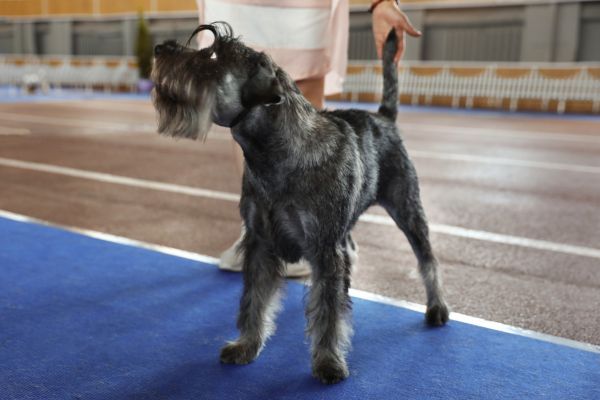
The Standard Schnauzer has a harsh, wiry coat with a dense undercoat that requires regular grooming. Weekly brushing and combing help prevent tangles, especially in the beard, eyebrows, legs and underbody. The beard should be cleaned regularly, as it can collect food and water.
Professional grooming every 6 to 8 weeks is often recommended to maintain the breed’s distinctive shape. Hand-stripping helps preserve the wiry texture, while clipping is common for pet dogs but may soften the coat. Routine nail trimming, ear care, dental care and occasional bathing are also important.
Size, appearance and coat of Standard Schnauzers
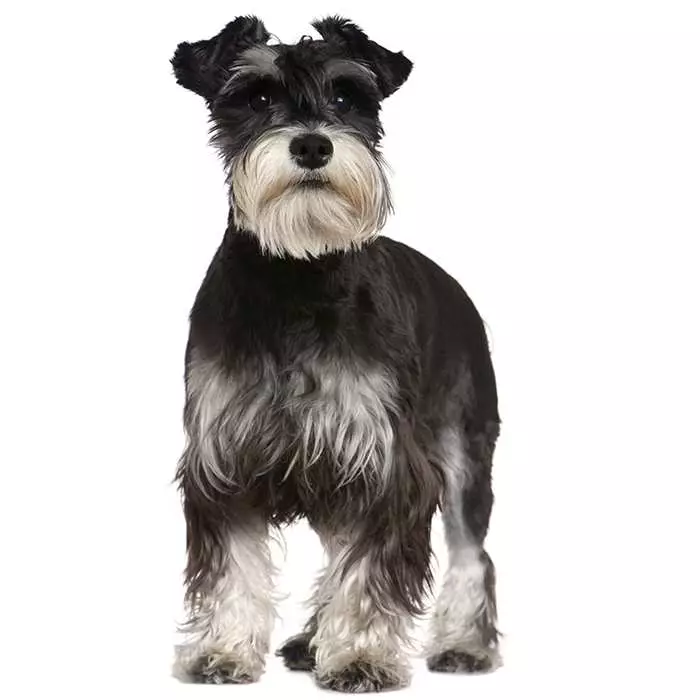
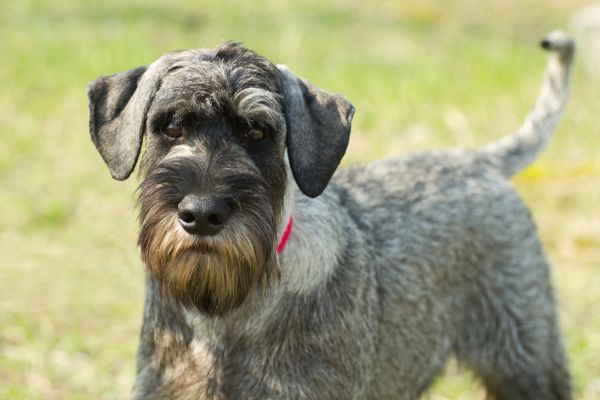
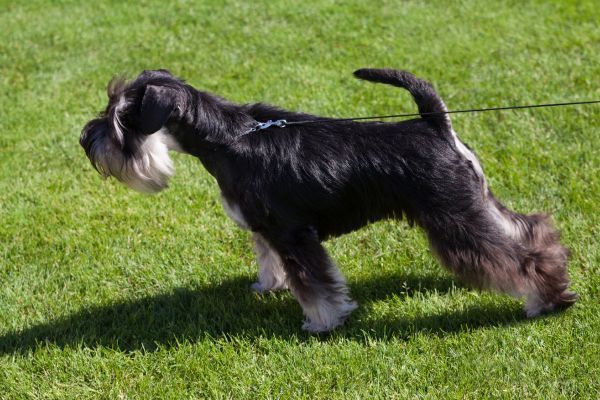
The Standard Schnauzer is a medium-sized, squarely built dog with a sturdy frame and an alert, robust appearance. It has a rectangular head, dark oval eyes, folded or erect ears depending on presentation, and a strong muzzle framed by the breed’s signature beard and eyebrows.
Its coat is harsh, wiry and dense, with a close undercoat that gives it a crisp texture. The most common colours are pepper and salt or solid black, and regular grooming helps maintain the breed’s tidy, distinctive outline.
| Weight range | 14 to 23 kg |
| Height range | 43 to 50 cm |
| Colours | Pepper and salt, or black |
| Coat length | Harsh, wiry double coat with beard and brows |
Breed history of Standard Schnauzers
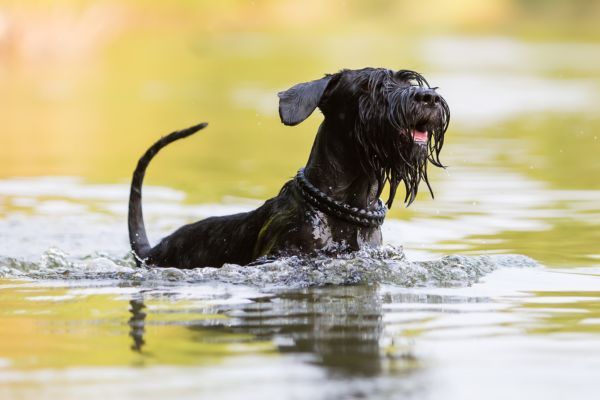
The Standard Schnauzer is the original Schnauzer breed, developed in southern Germany as a versatile farm and stable dog. It guarded property, drove livestock, protected carts and controlled vermin, with its wiry coat, sturdy body and watchful nature all shaped by practical work.
The breed was once known as the Wirehaired Pinscher before the name Schnauzer, meaning muzzle or snout, became associated with its bearded face. From this medium-sized working dog, breeders later developed both the Miniature Schnauzer and Giant Schnauzer, making the Standard the foundation of the Schnauzer family.
Explore related breeds
Standard Schnauzer facts!
- The Standard Schnauzer came before the Miniature and Giant Schnauzer, both of which were developed from the standard-sized breed.
- “Schnauzer” comes from the German word Schnauze, meaning “muzzle” or “snout”, referring to the breed’s distinctive bearded face.
- They are often described as having a human-like expression – their dark eyes, eyebrows and beard can make them look unusually thoughtful, serious or even slightly mischievous.
- A Standard Schnauzer named George was the first dog trained to detect skin cancer, and his rate of accuracy is almost 100%.
Summary
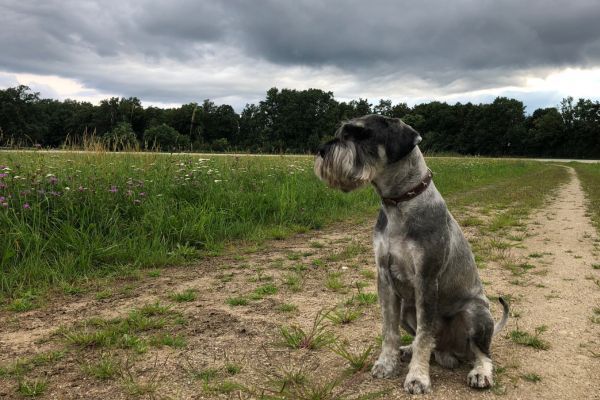
The Standard Schnauzer is a medium-sized, squarely built dog with a wiry coat, strong frame and distinctive beard and eyebrows. Intelligent, alert and loyal, it is a versatile working breed with natural watchdog instincts and a confident, spirited temperament.Standard Schnauzers need regular exercise, mental challenges, consistent training and ongoing grooming or hand-stripping to maintain their harsh coat and tidy outline.
FAQs about the Standard Schnauzer
It can be, provided the household matches the breed’s exercise, training, grooming and supervision needs.
High – daily exercise, play and obedience work.
Shedding depends on coat type, season and grooming routine. The breed has a harsh, wiry double coat with beard and brows.
No. While some individuals may shed less than others, no dog breed is truly allergy-free.
Most respond well to positive, consistent training, but owners should work with the breed’s instincts rather than against them.
MORE INFORMATION
Schnauzer Club of NSW Inc: http://www.schnauzerclubnsw.org.au/
Schnauzer Club of Victoria: http://www.schnauzerclubvic.com/

Get 2 months free for your puppy!
Congrats on your new bundle of joy
To ensure your precious fur baby is covered from the start, we'd like to offer your first 2 months of our Nose-to-Tail Cover for free2!
Get a quick quote