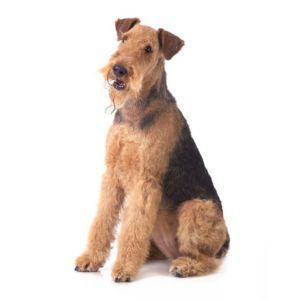
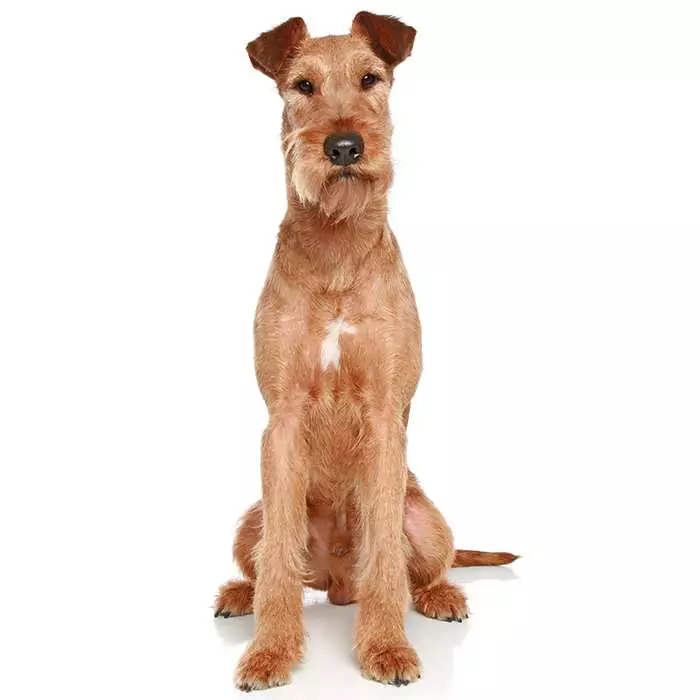
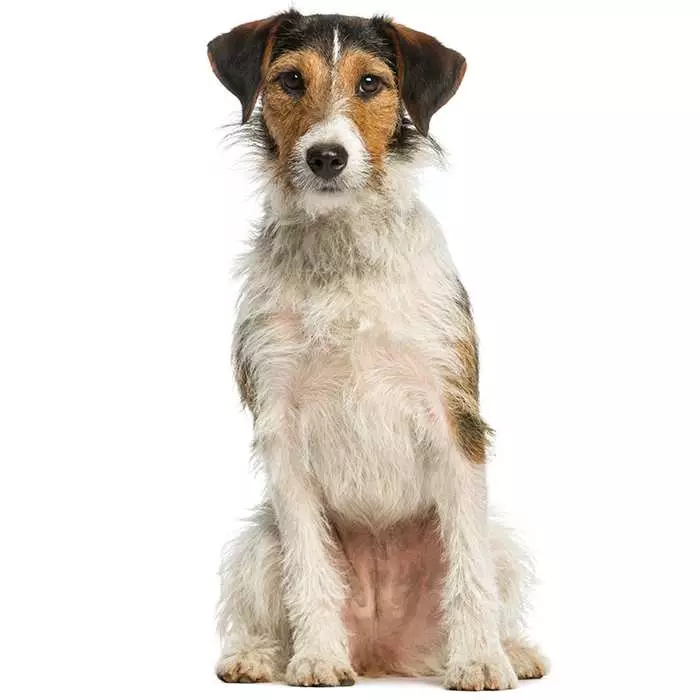
Is the Welsh Terrier a good family dog?


Welsh Terrier
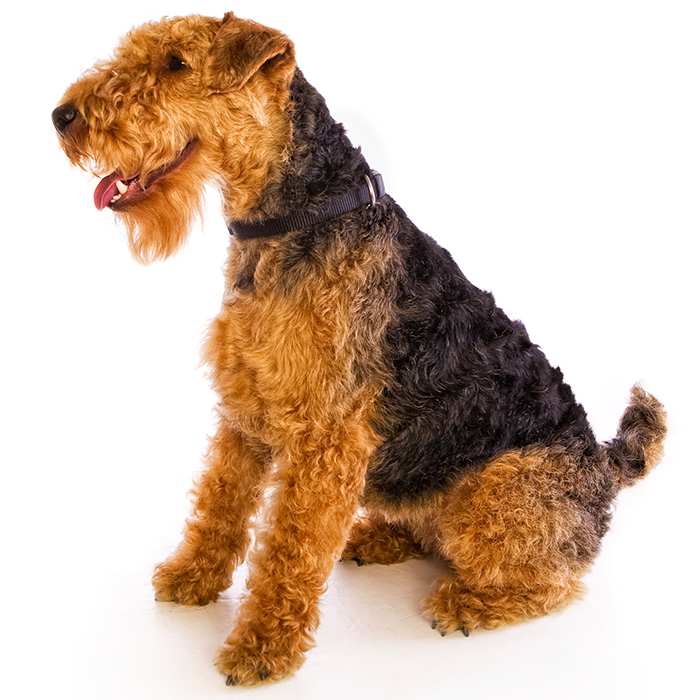
Welsh Terriers are lively and confident small-to-medium dogs with a wiry coat, compact build and classic terrier expression. Originally bred in Wales for hunting foxes, badgers and otters, they are known for their courage, intelligence and playful independence. Generally affectionate and spirited with their family, Welsh Terriers can be alert, determined and sometimes stubborn, so they benefit from consistent training, regular exercise and plenty of mental stimulation.
| Recommended for | Active owners who enjoy a spirited terrier and can provide consistent training, exercise and mental enrichment. |
| Breed Classification | Terrier Group |
| Other names | Welshie |
| Lifespan | 12 to 15 years |
| Size | Small to Medium |
| Temperament | Cheerful, lively, clever and game |
| Intelligence | Generally intelligent; best results come from patient, positive and consistent training |
| Tendency to bark | Moderate; often alerts and may be vocal |
| Maintenance Level | Hand-strip or clip coat; brush and comb weekly |
| Health Risk | Welsh Terriers are generally robust when well bred and well cared for, but they can still be affected by recognised breed-related conditions that should be discussed with a vet or breeder. |
Thinking of insuring a Welsh Terrier?
Explore the Top 5 health issues claimed for Welsh Terriers, including highest claims paid and how much pet insurance could help you save on eligible vet bills.
See Welsh Terrier pet insurance Ready to get cover? Get a quick quote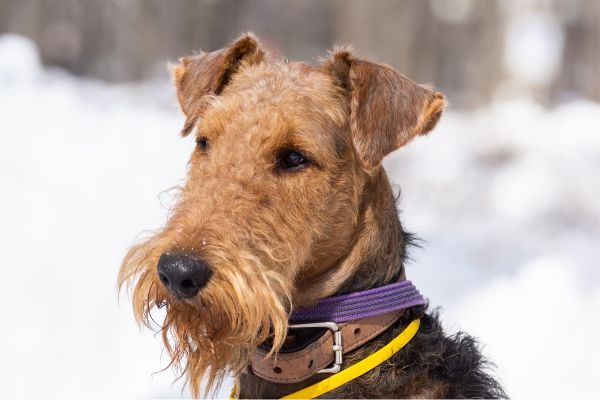
Welsh Terrier personality and temperament
The Welsh Terrier is a spirited, cheerful and confident breed with classic terrier determination. It is lively, curious and often playful, with a bold nature that reflects its history as a hunting terrier.
Welsh Terriers tend to be affectionate and entertaining with their families, but they may also be independent and strong-minded. Consistent training, early socialisation and plenty of exercise help bring out their best qualities while keeping their terrier instincts well managed.
Welsh Terriers with kids and other pets
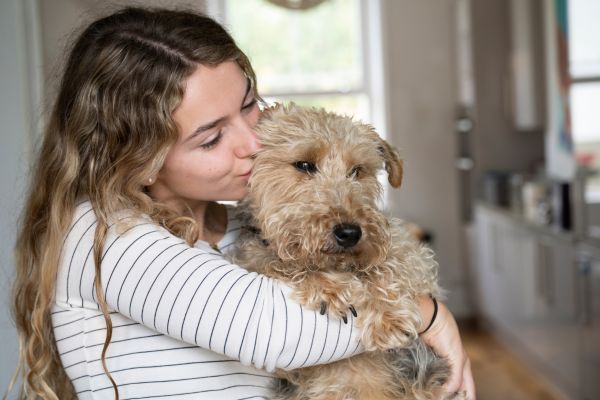
Welsh Terriers are lively, playful dogs that can enjoy family life with children who are confident and respectful. They are energetic and fun-loving, but their terrier boldness means they may become overstimulated during rough play, so supervision is recommended with younger children.
With other pets, Welsh Terriers can coexist with dogs when socialised early, but they may chase cats or smaller animals due to their hunting background. Careful introductions and ongoing training are important, especially in homes with small pets.
Welsh Terrier training and exercise
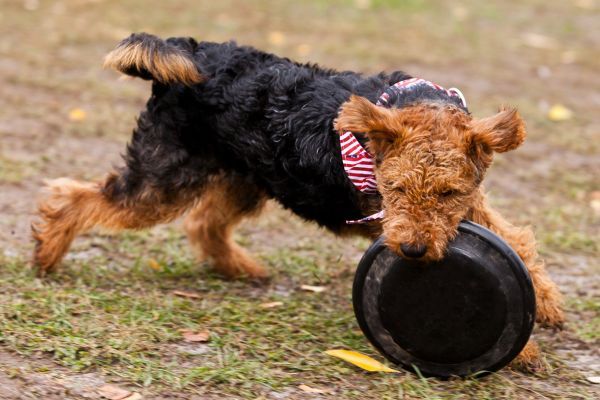
Welsh Terriers are active dogs that need daily walks, playtime and opportunities to explore safely. They enjoy energetic games, scent-based activities and secure outdoor exercise, as their terrier instincts can make them curious and eager to investigate their surroundings.
Training should be consistent, upbeat and reward-based. Welsh Terriers are intelligent but can be independent, so short and engaging sessions work best. Early socialisation and recall practice are important, particularly because their prey drive may encourage chasing small animals.
| Energy level | High |
| Exercise requirements | High - active walks, play and terrier-safe enrichment |
Common health issues for Welsh Terriers
What do Welsh Terrier owners claim for the most?
- Allergies: These commonly cause itchy, inflamed skin, leading to scratching, licking, redness, hair loss, hot spots and recurring ear or skin infections. Common triggers include fleas, food sensitivities and environmental allergens.
- Lens luxation: An eye condition where the lens shifts or dislocates from its normal position, which can cause eye pain, redness, cloudiness and vision loss. It may be inherited, especially in some terrier breeds, or occur secondary to trauma, cataracts, glaucoma or inflammation.
- Glaucoma: A painful eye disease where fluid does not drain properly, causing increased pressure inside the eye. Signs may include redness, cloudiness, squinting, tearing, eye enlargement or sudden vision loss. It can quickly damage the optic nerve and lead to permanent blindness.
- Hip issues: These may include conditions such as hip dysplasia, osteoarthritis, hip luxation, fractures and Legg-Calvé-Perthes disease. Signs may include hind-leg lameness, stiffness, pain, difficulty rising, reluctance to jump or climb stairs and reduced mobility.
- Seizures: Sudden bursts of abnormal electrical activity in the brain that can cause collapse, shaking, paddling, drooling, twitching, loss of awareness or unusual behaviour. They may be caused by epilepsy, toxins, metabolic problems, brain disease or other underlying conditions.
Not all conditions are covered by Pet Insurance. For details of Bow Wow Meow Pet Insurance cover, refer to the Product Disclosure Statement.
How to choose the right insurance for your Welsh Terrier
When comparing cover for your Welsh Terrier, look for:

Cover for common Welsh Terrier conditions:
Check that the policy covers conditions Welsh Terriers can be prone to, including common health issues.

Cover for hereditary conditions:
No exclusions for hereditary or congenital conditions⑅.

Flexible cover options:
Options to adjust your annual benefit limit, reimbursement rate and excess.
Bow Wow Meow's Nose-to-Tail Cover offers flexible options for your Welsh Terrier, with cover for accidental injuries, illnesses and hereditary conditions⑅. Get a quick quote for cover that suits your Welsh Terrier and your budget.
Welsh Terrier feeding and nutrition
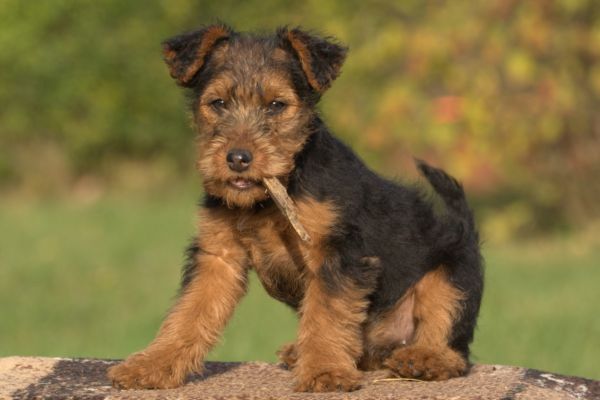
The Welsh Terrier needs a high-quality diet that supports its active, muscular body and lively terrier energy. Good animal protein helps maintain lean muscle, while healthy fats support skin and coat condition, particularly for its wiry coat.
Portion control is important, as Welsh Terriers can gain weight if their food intake is too high for their activity level. Meals should be measured and adjusted according to exercise, age and body condition. Avoid too many rich treats or table scraps, which can upset digestion and contribute to weight gain.
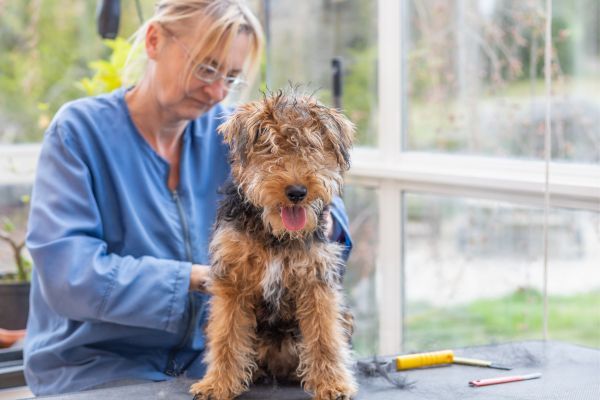
Welsh Terrier care and grooming
The Welsh Terrier has a dense, wiry coat that requires regular grooming to maintain its classic terrier texture and outline. Weekly brushing and combing help prevent tangles, particularly in the beard, legs and furnishings. The coat does not shed heavily, but it needs maintenance to avoid becoming untidy or matted.
Professional grooming every few months is recommended, especially if the coat is hand-stripped to preserve its harsh texture. Pet Welsh Terriers are sometimes clipped, though clipping can soften the coat over time. Routine nail trimming, dental care, ear cleaning and occasional bathing help keep the breed clean and healthy.
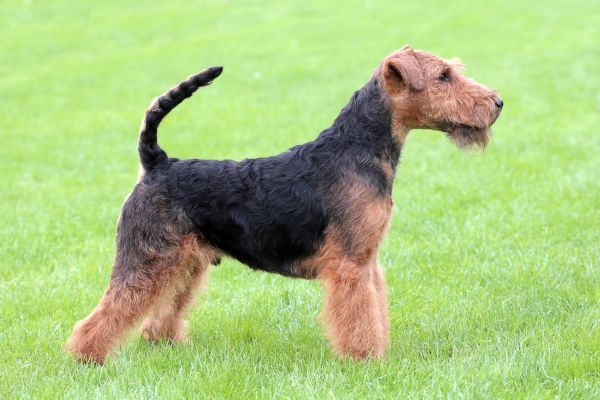
Size, appearance and coat of Welsh Terriers
The Welsh Terrier is a compact, squarely built terrier with a lively, alert expression and a confident stance. It has a long head, small dark eyes, folded V-shaped ears and a strong muzzle, giving it the classic determined look of a working terrier.
Its coat is dense, hard and wiry, with furnishings on the face and legs that create a neat, rugged outline. The traditional colour pattern is black and tan, with a dark jacket over the back and rich tan colouring on the head, legs and body.
| Weight range | 9 to 10 kg |
| Height range | 36 to 39 cm |
| Colours | Black and tan, or grizzle and tan |
| Coat length | Dense, hard, wiry jacket with softer undercoat |
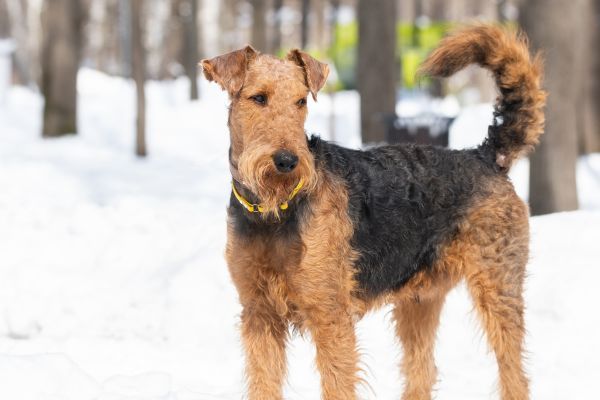
Breed history of Welsh Terriers
The Welsh Terrier is an old working terrier from Wales, developed to hunt fox, otter and badger in rugged country. It belongs to the black-and-tan terrier tradition of Britain, but became known for a particular combination of courage, weather resistance and enough leg to keep up with hounds.
The breed moved into the show world in the late nineteenth century, when fanciers worked to distinguish it from similar terriers. Although its appearance became more refined, its history remains that of a hardy Welsh earthdog bred for difficult quarry and rough terrain.
Explore related breeds
Welsh Terrier facts!
- Welshies like to be in high places and have been known to climb onto tables and other high furniture.
- King Edward VIII, JFK, Former UK Prime Minister Clement Attlee and Armie Hammer have all owned Welsh Terriers.
- The Welsh Terrier is one of the few breeds of dogs that actually sweats, which means they can have a noticeable body odour and may need a bath more frequently than other breeds.
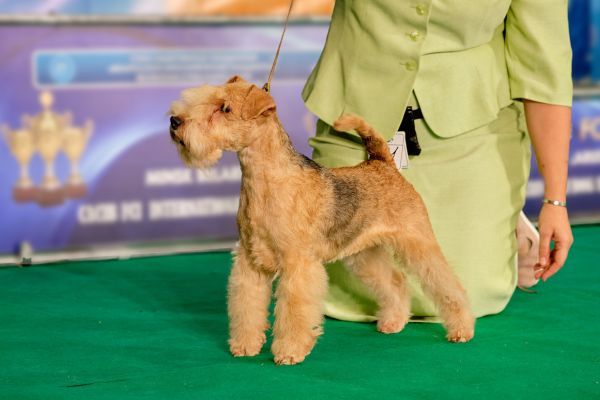
Summary
The Welsh Terrier is a compact, wiry-coated terrier with a classic black-and-tan coat, strong build and lively, alert expression. Spirited, intelligent and playful, this breed is affectionate with family but retains the determination and independence of a traditional working terrier.
Welsh Terriers need regular exercise, consistent training, early socialisation and ongoing grooming or hand-stripping to keep their coat tidy and functional.
FAQs about the Welsh Terrier
It can be, provided the household matches the breed’s exercise, training, grooming and supervision needs.
High – active walks, play and terrier-safe enrichment.
Shedding depends on coat type, season and grooming routine. The breed has a dense, hard, wiry jacket with softer undercoat.
No. While some individuals may shed less than others, no dog breed is truly allergy-free.
Most respond well to positive, consistent training, but owners should work with the breed’s instincts rather than against them.
MORE INFORMATION
Welsh Terrier Club (UK): http://www.welshterrierclub.co.uk/
The Welsh Terrier Club of America: https://welshterrier.org/
Welsh Terrier Owners of Australia: https://www.facebook.com/groups/220410008891040/

Get 2 months free for your puppy!
Congrats on your new bundle of joy
To ensure your precious fur baby is covered from the start, we'd like to offer your first 2 months of our Nose-to-Tail Cover for free2!
Get a quick quote