Is the Chihuahua a good family dog?


Chihuahua
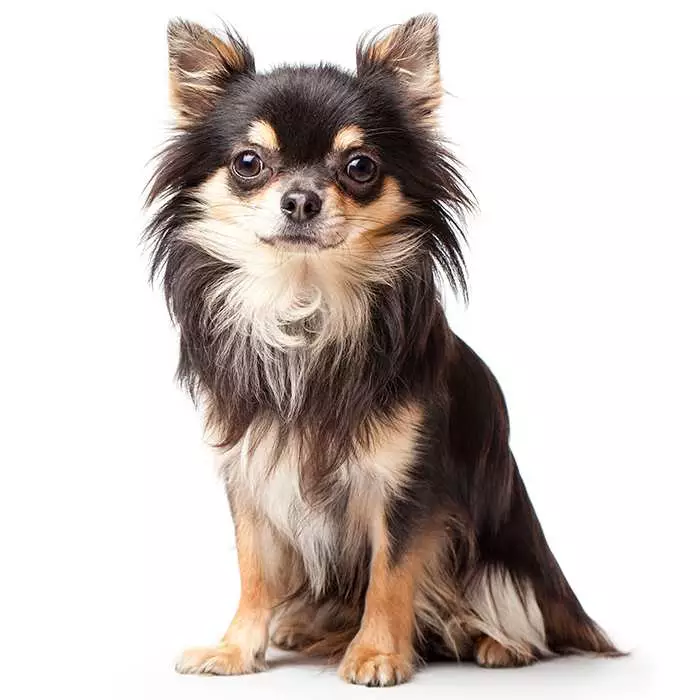
Chihuahuas are tiny, lively companion dogs known for their distinctive apple-shaped heads, large expressive eyes and confident personalities. Despite their small size, they are alert, energetic and often strongly bonded to their families.
| Recommended for | Singles, couples, seniors and families with older children |
| Breed Classification | Toys |
| Other names | Chi |
| Lifespan | 14-16 years |
| Size | Small |
| Temperament | Lively, loyal, courageous |
| Intelligence | High: quick learners that can also be independent |
| Tendency to bark | High: alert and vocal, particularly around unfamiliar people, dogs or activity |
| Maintenance Level | Low to medium: coat care is generally easy, but dental care and regular brushing of Long Coats require ongoing attention |
| Health Risk | Chihuahuas are generally long-lived and relatively healthy but can be prone to several dental, joint, cardiac, airway and eye conditions. |
Thinking of insuring a Chihuahua?
Explore the Top 5 health issues claimed for Chihuahuas, including highest claims paid and how much pet insurance could help you save on eligible vet bills.
See Chihuahua pet insurance Ready to get cover? Get a quick quote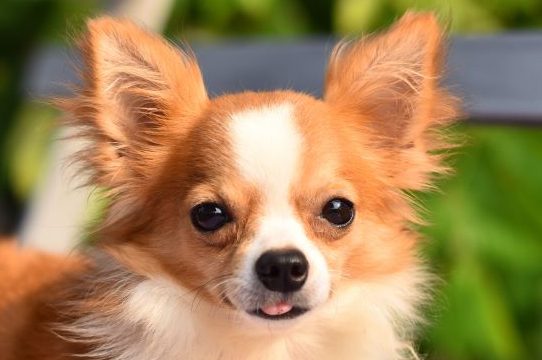
Chihuahua personality and temperament
Chihuahuas are alert, lively and affectionate dogs with confident personalities that can seem much larger than their tiny bodies suggest. They often form close bonds with their owners and enjoy being involved in everyday family life. The breed standard describes the ideal Chihuahua as spirited and intelligent, without being snappy or withdrawn.
Some Chihuahuas can be reserved or vocal around unfamiliar people and dogs, making early positive socialisation important. Their intelligence and awareness of their surroundings also make them effective little watchdogs, although appropriate training can help prevent alert barking from becoming excessive.
Chihuahuas are ideal city pets, being well-suited to apartment- and smaller-home living.
Chihuahuas with kids and other pets
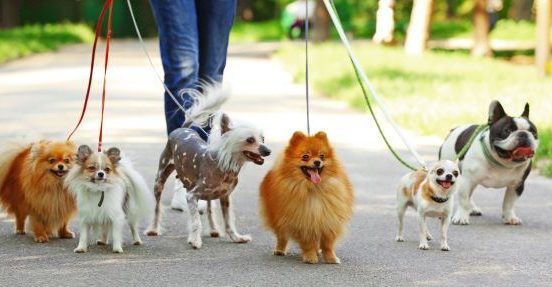
Chihuahuas can make affectionate family companions, but their extremely small and delicate bodies mean they are generally better suited to older children who understand how to handle dogs gently. Young children should always be supervised closely, as accidental falls, squeezing or rough play can cause serious injury to such a tiny dog.
They can also live successfully with other dogs and pets when appropriately socialised. Particular care is needed around much larger dogs, which can accidentally injure a Chihuahua during play. Dogs with a strong prey drive may also need careful supervision around such a small companion.

Chihuahua training and exercise
Although tiny, Chihuahuas are energetic dogs that benefit from daily exercise and play. Around 20–30 minutes of dedicated activity each day is generally sufficient for most healthy adults, although many enjoy additional indoor play, short walks and opportunities to explore. Exercise needs should be adjusted for the dog’s age, health and individual energy level.
Chihuahuas are intelligent and capable learners but can also be independent and strong-willed. Short, enjoyable training sessions using positive reinforcement generally work well. Early socialisation, house training and teaching calm behaviour around unfamiliar people and dogs are particularly useful.
Because of their small size, owners should avoid relying on carrying them everywhere. Regular opportunities to walk, sniff, play and interact appropriately with the world help support confidence and normal behaviour.
| Energy level | High: lively and playful despite their tiny size |
| Exercise requirements | Low to medium: around 20–30 minutes daily plus indoor play and mental enrichment |
Common health issues for Chihuahuas
What do Chihuahua owners claim for the most?
Chihuahuas are generally long-lived and relatively healthy, but prone to several dental, joint, cardiac, airway and eye conditions.
- Patellar luxation occurs when the kneecap slips out of its normal position, which may cause intermittent skipping, lameness, pain and, over time, arthritis. Mild cases may need little treatment, while more severe cases can require surgery.
- Periodontal disease is particularly common in Chihuahuas because their small jaws can lead to crowded teeth and retained baby teeth, encouraging plaque and tartar to accumulate. Daily tooth brushing and regular veterinary dental care are particularly important for the breed.
- Tracheal collapse occurs when the cartilage supporting the windpipe weakens, allowing the airway to narrow. Signs can include a characteristic honking cough, wheezing and breathing difficulty. Using a harness rather than attaching a lead to the collar can reduce pressure on the neck.
- Heart disease can affect Chihuahuas, particularly degenerative mitral valve disease as they age. Congenital abnormalities such as patent ductus arteriosus may also occur. A heart murmur is a sound caused by turbulent blood flow and may be one of the first signs of underlying heart disease rather than a disease itself.
- Eye problems including cataracts, glaucoma and dry eye can occur in Chihuahuas. Their relatively large, prominent eyes can also be vulnerable to irritation or injury, so redness, cloudiness, discharge or eye pain should be assessed promptly by a veterinarian.
- Hypoglycaemia or low blood sugar is particularly important in very young or extremely small Chihuahua puppies. Signs can include weakness, lethargy, trembling, collapse or seizures and require prompt veterinary attention. Regular appropriate meals can help reduce risk in susceptible puppies.
- Hydrocephalus is a congenital condition in which excessive cerebrospinal fluid accumulates within the skull. Signs can include abnormal behaviour, poor coordination, seizures and vision problems, with treatment depending on severity.
Not all conditions are covered by Pet Insurance. For details of Bow Wow Meow Pet Insurance cover, refer to the Product Disclosure Statement.
How to choose the right insurance for your Chihuahua
When comparing cover for your Chihuahua, look for:

Cover for common Chihuahua conditions:
Check that the policy covers conditions Chihuahuas can be prone to, including common health issues.

Cover for hereditary conditions:
No exclusions for hereditary or congenital conditions⑅.

Flexible cover options:
Options to adjust your annual benefit limit, reimbursement rate and excess.
Bow Wow Meow's Nose-to-Tail Cover offers flexible options for your Chihuahua, with cover for accidental injuries, illnesses and hereditary conditions⑅. Get a quick quote for cover that suits your Chihuahua and your budget.
Chihuahua feeding and nutrition
Chihuahuas should be fed a complete and balanced diet appropriate for their age, body condition, activity level and health. Because their calorie requirements are very small, even seemingly modest amounts of treats or table food can contribute to weight gain, so portions should be measured carefully. Young Chihuahua puppies may require more frequent meals because their tiny size can make them susceptible to hypoglycaemia.
Maintaining good dental health is also particularly important, with daily tooth brushing and regular veterinary dental checks recommended. Speak to your vet if you have concerns about your Chihuahua’s diet, weight or feeding schedule.
Chihuahua care and grooming
Chihuahuas have relatively straightforward grooming needs, although care varies between the two coat varieties. Smooth Coat Chihuahuas generally benefit from weekly brushing, while Long Coats should be brushed several times a week to prevent tangles and keep feathering in good condition. Both varieties shed, although the amount varies between individuals.
Dental care is especially important in this breed, and daily tooth brushing is ideal. Routine nail and ear care should also form part of their grooming routine.
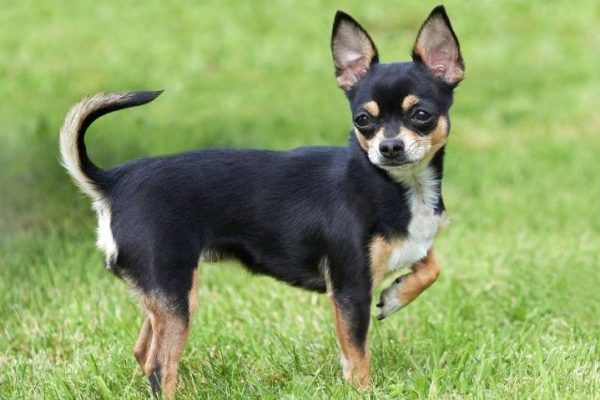
Size, appearance and coat of Chihuahuas
The Chihuahua is a tiny, dainty and compact dog with a distinctive rounded “apple dome” skull, moderately short pointed muzzle and large, widely spaced ears. The eyes are large and round but should not protrude. Despite their tiny size, Chihuahuas should move briskly and confidently.
The breed occurs in two coat varieties. Smooth Coat Chihuahuas have a soft, close and glossy coat, while Long Coats have soft, flat or slightly wavy hair with feathering on the ears, legs and tail and often a fuller ruff around the neck. Almost any colour or colour combination is permitted under the Dogs Australia standard, but merle is not accepted.
| Weight range | Preferably 1.8–2.7 kg |
| Height range | Approximately 15-23 cm |
| Colours | Wide variety of colours or mixture of colours |
| Coat length | Short or long |
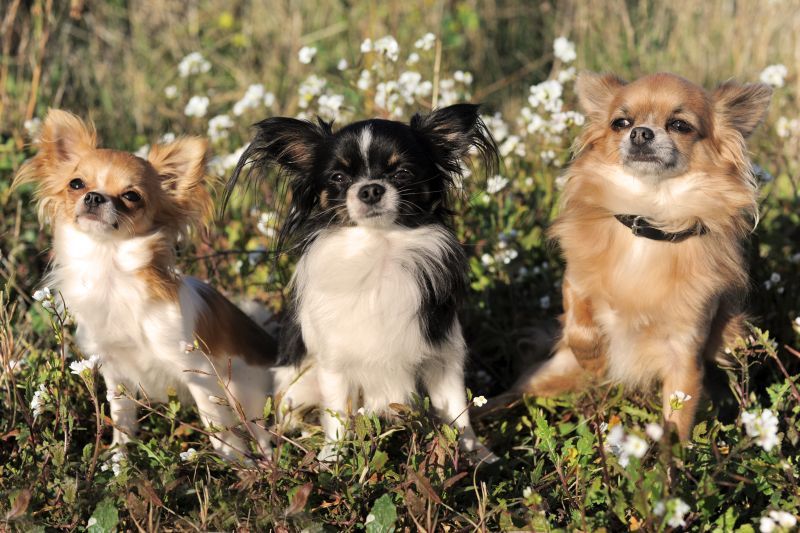
Breed history of Chihuahuas
The Chihuahua takes its name from the Mexican state of Chihuahua and is considered one of the oldest dog breeds of the Americas. Its precise ancestry is uncertain, but the breed is widely associated with the Techichi, a small companion dog kept by the Toltec civilisation in what is now Mexico around a thousand years ago. The Aztecs later kept similar small dogs and incorporated them into both everyday and ceremonial life.
During the 19th century, American visitors to Mexico began acquiring small dogs from the Chihuahua region and bringing them back to the United States. Interest in the breed grew, and the American Kennel Club formally recognised the Chihuahua in 1904. Smooth and Long Coat Chihuahuas are two varieties of the same breed rather than the result of modern crosses with breeds such as Pomeranians or Papillons.
The first Chihuahuas were imported into Australia during the 1930s, with the breed becoming more established in Sydney during the 1950s. Dogs Australia today recognises Smooth Coat and Long Coat Chihuahuas separately within Group 1 (Toys).
Explore related breeds
Chihuahua facts!
- The Chihuahua takes its name from Chihuahua, Mexico’s largest state, where small dogs of this type attracted the attention of American visitors during the 19th century.
- There are two recognised Chihuahua coat varieties—Smooth Coat and Long Coat—but they share the same basic breed standard apart from coat type.
- Long Coat Chihuahuas are not Pomeranian or Papillon crosses; the long coat is a genuine variety of the Chihuahua breed.A Chihuahua may have a “molera”, a small soft area in the skull similar to a baby’s fontanelle, although it is not required by the modern breed standard.
- Chihuahuas can be surprisingly athletic and can compete successfully in activities such as agility and obedience despite their tiny size.The first Chihuaha registered by the American Kennel Club in 1904 was named Midget.
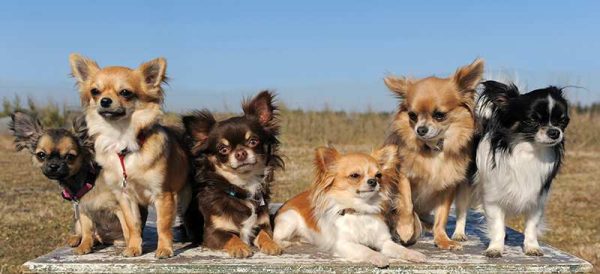
Summary
The Chihuahua is a tiny, energetic dog with a big personality, expressive eyes and a distinctive apple-shaped head. Loyal and devoted, Chihuahuas often form a particularly strong attachment to one person.
Their confidence can make them protective, vocal or reserved around strangers, and their small size makes them better suited to considerate handling and households with older children. They adapt well to smaller homes but still need socialisation, activity and companionship.
FAQs about the Chihuahua
They are generally affectionate companions and can suit families, couples or singles when their individual exercise, training and grooming needs are met.
Moderate. Daily walks and play are generally appropriate, adjusted for the dog’s age, health and individual energy level.
They are intelligent but can be independent or strong-willed, so patient, consistent reward-based training and early socialisation are important.
They are generally low to moderate or moderate barkers, although barking can increase with boredom, excitement, anxiety or unfamiliar activity.
Yes. They generally shed a low to moderate or moderate amount and benefit from routine brushing.
Yes, they can adapt well to apartment living provided they receive sufficient daily exercise, mental stimulation and companionship.
They can live happily with respectful children and other pets when well socialised, but their small or delicate size means interactions with young children should be closely supervised.
Potential health concerns include dental disease, patellar luxation, heart disease, eye problems and tracheal disorders.
They are two coat varieties of the same breed and share the same general size, temperament and physical standard. Smooth Coat Chihuahuas have short, close, glossy hair, while Long Coats have soft flat or slightly wavy hair with feathering on the ears, legs and tail. Long Coats generally require more frequent brushing.
MORE INFORMATION
Chihuahua Club of VIC Inc: http://www.chihuahuaclubvictoria.com/
Chihuahua Club of SA Inc: http://www.chihuahuaclubofsainc.com/
Chihuahua Rescue Australia Inc: http://chihuahuarescueaustralia.com/
Chihuahua Rescue Victoria: http://www.chihuahuarescuevictoria.org/
Chihuahua Rescue QLD: http://www.chihuahuarescueqld.com.au/
Perth Chihuahua Rescue: http://www.perthchihuahuarescueinc.com.au/

Get 2 months free for your puppy!
Congrats on your new bundle of joy
To ensure your precious fur baby is covered from the start, we'd like to offer your first 2 months of our Nose-to-Tail Cover for free2!
Get a quick quote