Why is my dog limping? A practical guide for dog owners

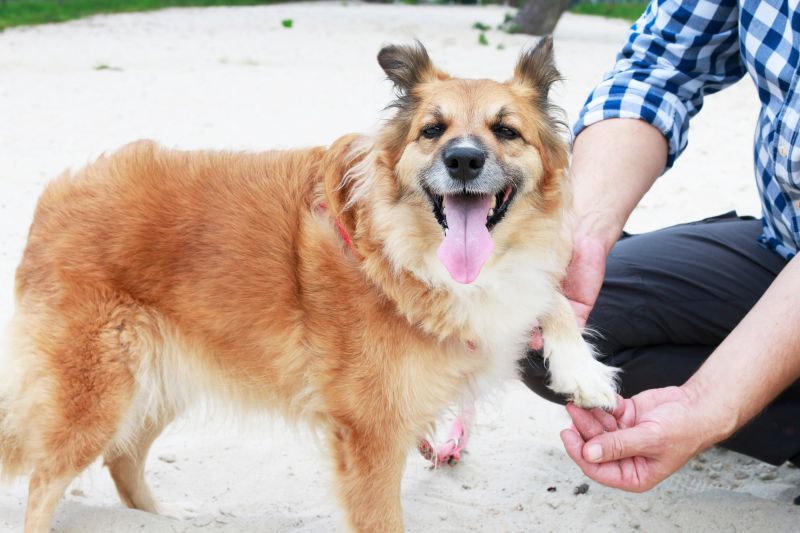
Why is my dog limping?
One minute your dog is trotting along happily, the next they are favouring one leg, holding a paw up, or doing that tell-tale “hop and wobble” that makes every pet parent’s heart sink.
Limping is one of the most common signs that something is not quite right with your dog’s movement. Sometimes the cause is obvious, such as a thorn in the paw or a tumble at the park. Other times, it can be much harder to spot, especially if the limp comes and goes or only appears after rest or exercise.
While not every limp is an emergency, limping usually means your dog is experiencing pain, weakness or discomfort. The tricky part is that dogs are often very good at hiding pain, so even a mild limp is worth paying attention to.
First things first: what does limping actually mean?
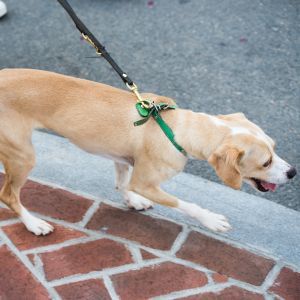
Limping, also called lameness, means your dog is not using one or more legs normally. They may put less weight on a sore leg, move slowly and stiffly, take shorter steps, hold a paw off the ground, bunny-hop, drag a foot, or seem reluctant to jump, climb stairs or get up after resting.
A limp can come on suddenly, such as after an injury, or develop gradually over time. It can affect the front legs, back legs, paws, joints, muscles, bones, ligaments, tendons, nerves or spine.
In other words, “my dog is limping” is a symptom, not a diagnosis.
Expert advice from Dr Felicia:
Dogs vary in their temperaments, and will communicate pain differently. Some dogs are incredibly stoic, while others are quick to make it obvious that there is something amiss.
Do you know… dogs carry more weight on their front legs
One reason front-leg limps can be so noticeable is that dogs naturally carry more of their body weight through their front end. Their front legs act a bit like shock absorbers, especially when landing, stopping, turning or running downhill.
This is also why sore shoulders, elbows, wrists or paws can make a dog look quite uneven when walking. Some limps are only noticeable when dogs are running, rather than at a walk.

Common reasons dogs limp
There are many possible causes of limping in dogs, ranging from minor paw problems to more serious orthopaedic or neurological conditions.
Some common causes include:
- A cut, graze, cracked nail or broken nail
- A grass seed, thorn, burr, splinter or small stone stuck in the paw
- A torn paw pad or burn from hot pavement
- Muscle strain or soft tissue injury
- Sprains or ligament injuries
- Arthritis or joint stiffness
- Hip dysplasia or elbow dysplasia
- Luxating patella, where the kneecap slips out of place
- Cruciate ligament injury in the knee
- Bone fracture or dislocation
- Infection, swelling or an abscess secondary to a foreign body
- Insect stings or bites
- Back, neck or spinal pain
- Nerve problems
- Growth-related issues in puppies and young large-breed dogs
- Skin disease such as interdigital dermatitis or interdigital cysts
Sometimes the cause is not in the leg at all. For example, a dog with back pain may move oddly, look weak in the hind legs, or avoid normal activities such as jumping into the car.
Expert advice from Dr Felicia:
Less common but important causes of limping in dogs can even include immune mediated joint disease, intoxications causing a dog to become wobbly or even tick paralysis.
The paw check: small problem, big limp
A tiny object stuck between the toes can cause a surprisingly dramatic limp. Dogs have sensitive paw pads, and the spaces between the toes can easily trap grass seeds, prickles, grit or matted fur.
If your dog suddenly starts limping during or after a walk, their paw is a good place to start. Check for:
- Thorns, prickles or grass seeds
- Cuts, grazes or bleeding
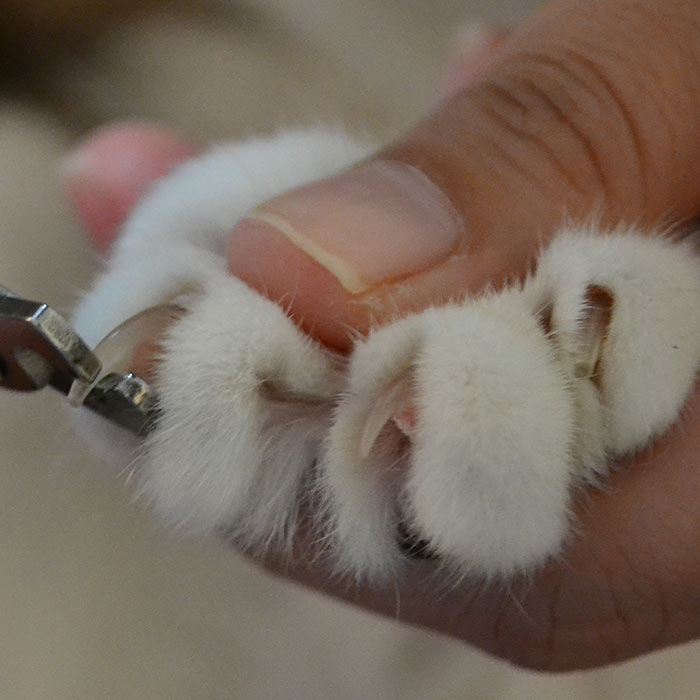
- Torn or cracked nails
- Swelling between the toes
- Redness or licking
- Hot, sore or damaged paw pads
- Something sticky, sharp or irritating stuck to the foot
Be gentle. If your dog pulls away, growls, yelps or seems distressed, stop and call your vet.
See our article Nail disorder and torn nails in dogs and cats.
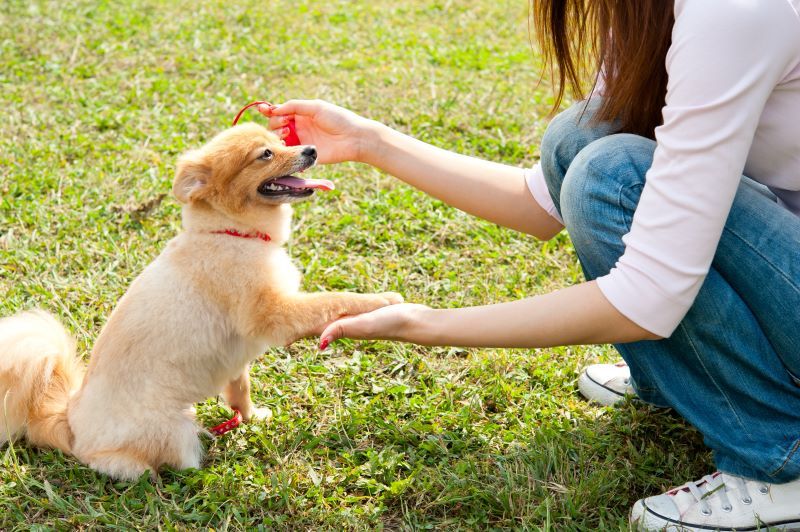
Why does my dog limp after resting?
A dog that limps after lying down, then seems to “warm out” of it, may be dealing with stiffness or joint discomfort. This pattern is commonly seen with arthritis, especially in older dogs, but it can also occur with injuries or other joint conditions.
You might notice your dog is slower to get up, hesitant on stairs, less keen to jump, or a bit stiff first thing in the morning.
This kind of limp should not be dismissed as “just old age”. Older dogs can still benefit greatly from veterinary care, pain management, weight control, appropriate exercise and changes around the home.
See our article Arthritis in dogs and cats.
Expert advice from Dr Felicia:
There are lots of different ways to help improve and support our pets mobility as they age. This ranges from physical therapies such as hydrotherapy and physio, to the use of supplements or special diets, to medications which can be given at home or regular injections given at the vet.
Why does my dog limp after exercise?
If the limp appears after running, playing or a long walk, it may be linked to a strain, sprain, joint problem or underlying injury that becomes more obvious once the area is tired or inflamed.
Dogs who love chasing balls, rough play or sudden twists and turns can be particularly prone to soft tissue injuries. Some dogs will keep playing even when they are sore, then show the limp later when the excitement wears off.
A useful rule: if the limp keeps returning after activity, it is worth a vet check, even if your dog seems fine in between.
Do you know… dogs can “hide” pain surprisingly well
In the wild, showing weakness can be risky, and many dogs still have a strong instinct to mask pain. Some will wag, eat and play even when they are uncomfortable.
This is why subtle changes matter. Slowing down, sleeping more, licking one joint, avoiding stairs, sitting differently or becoming grumpy when touched can all be clues that something hurts.
Expert advice from Dr Felicia:
Mention subtle changes at a check up. Your pet’s physical examination can be targeted for identifying painful/arthritic joints which help flag mobility issues early.
Front-leg limp vs back-leg limp
Where the limp appears can sometimes give clues, although your vet will need to examine your dog to work out the cause.
A front-leg limp may involve the paw, wrist, elbow, shoulder, neck or upper back. You may notice head bobbing, where the head lifts when weight goes onto the sore leg. Dogs with forelimb discomfort are reluctant to walk down stairs or jump down from high surfaces, for example from the back of the car.
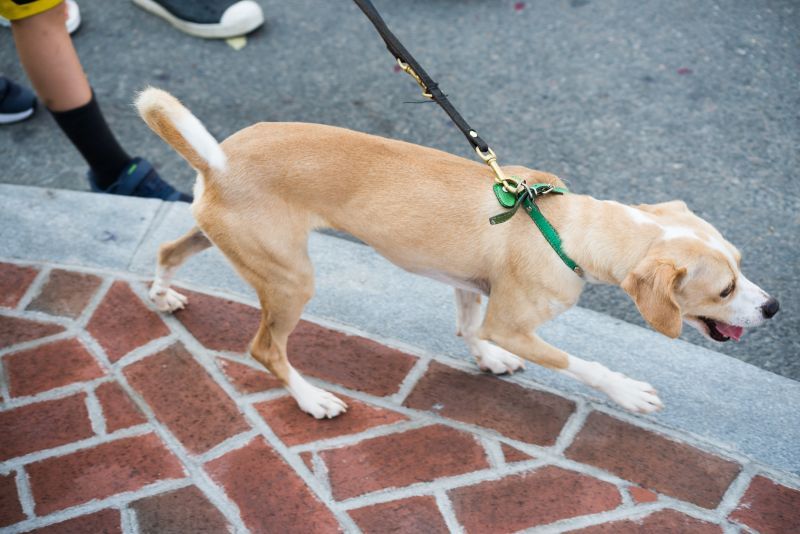
A back-leg limp may involve the paw, hock, knee, hip, pelvis, lower back or nerves. You may notice bunny-hopping, a skipping step, stiffness after rest, difficulty rising, or reluctance to climb stairs.
When should I see a vet about my dog limping?
Some limps need urgent veterinary attention. Others can be monitored briefly at home if your dog is otherwise well and the limp is very mild.
Contact your vet promptly if:
- Your dog cannot put weight on the leg
- The limp is sudden, severe or worsening
- Your dog is crying, yelping, trembling or clearly painful
- There is swelling, bleeding, heat or an obvious wound
- The leg looks bent, twisted or out of place
- Your dog is dragging a paw or seems weak or wobbly
- Your dog has back or neck pain
- Your dog is lethargic, not eating or seems generally unwell
- The limp follows a fall, car accident, rough play or other trauma
- Your puppy is limping
- The limp lasts more than 24 hours
- The limp keeps coming back
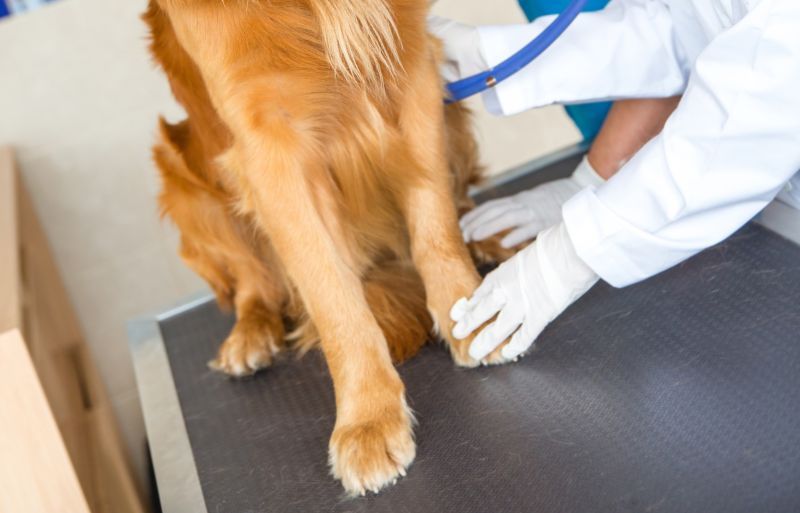
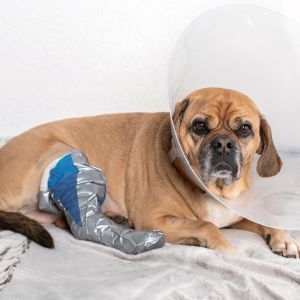
If your dog is unable to walk, do not force them to move. Keep them calm and contact a vet or emergency vet for advice.
Expert advice from Dr Felicia:
Be careful when attempting to move your dog if walking is very painful. They may behave differently to normal and even bite from their pain. It can be helpful to use a lead to encourage them to get up, or treats if they are food-motivated.
What can I do at home?
If your dog has a mild limp but is otherwise bright, eating, comfortable and able to walk, there are a few things you can do while deciding whether veterinary care is needed.
1. Rest your dog
Rest is one of the most helpful first steps. Keep your dog quiet and avoid running, jumping, stairs, rough play and long walks. Take them outside on lead for toilet breaks only.
Even if your dog seems keen to play, it is best to keep activity limited until you know the limp is improving.
2. Check the paw and nails
Look carefully at the paw pads, nails and between the toes. Remove only objects that are easy to see and safe to remove. Do not dig into the skin or attempt to remove anything deeply embedded.
If there is a cut, broken nail, swelling, discharge or a grass seed lodged in the paw, contact your vet.
3. Watch how the limp changes
Make a note of when the limp happens. Is it worse after rest? After exercise? On slippery floors? On stairs? Does your dog hold the paw up or simply shorten their stride?
A short video of your dog walking can be very useful for your vet, especially if the limp comes and goes.
4. Keep them comfortable
Provide a soft bed, easy access to water, and a calm space to rest. If your dog struggles on tiles or floorboards, use mats or rugs to reduce slipping.
For small dogs, carry them up and down stairs if needed. For larger dogs, use a ramp or help them avoid stairs until they are assessed.
5. Do not give human pain medication
Never give your dog human pain relief such as ibuprofen, paracetamol or aspirin unless your vet has specifically instructed you to do so. Some human medications can be toxic to dogs, even in small amounts.
Your vet can prescribe safe and appropriate pain relief if needed.

Should I use ice or heat?
For a sudden minor strain or swelling, your vet may recommend a cold pack wrapped in a towel for short periods. For chronic stiffness, warmth may feel soothing. However, it is best to ask your vet what is appropriate, especially if there is swelling, a wound, severe pain or an unknown injury.
Do not apply heat to a swollen or freshly injured area unless advised by your vet.
What will the vet do?
Your vet will usually start by watching your dog move and performing a physical examination. They may gently feel the paws, joints, muscles, spine and neck to look for pain, swelling, instability or reduced range of motion.
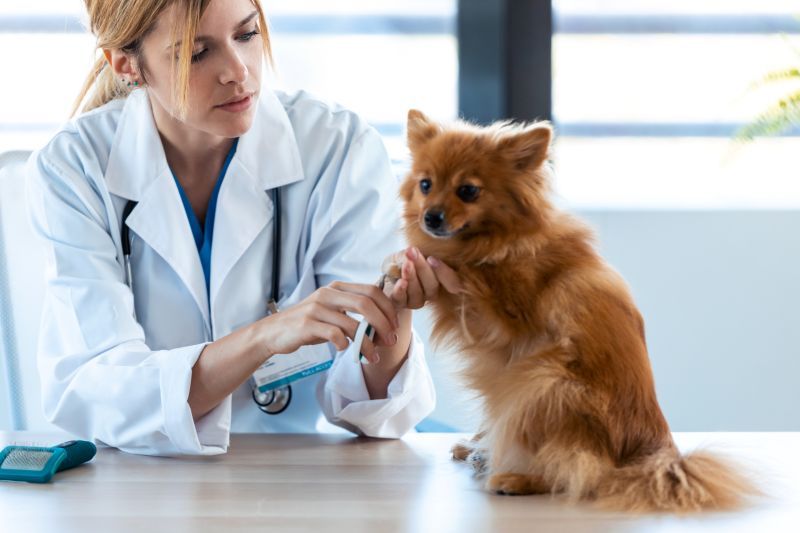
Depending on the findings, your vet may recommend:
- Rest and activity restriction
- Pain relief or anti-inflammatory medication
- Skin/wound care or nail treatment
- X-rays
- Blood tests
- Joint or neurological assessment
- Referral to a specialist
- Physiotherapy or rehabilitation
- Weight management or joint support
- Surgery for some injuries, such as certain fractures or cruciate ligament injuries
Expert advice from Dr Felicia:
The duration of the lameness, the age of your pet and other findings will guide recommended next steps, which may vary from additional diagnostics or a treatment trial with an anti-inflammatory pain medication.
How to help prevent limping injuries
Not every limp can be prevented, but a few everyday habits can reduce the risk.
- Keep your dog at a healthy weight
- Build exercise gradually, especially after rest or injury
- Avoid repetitive high-impact ball chasing
- Trim nails regularly
- Check paws after walks
- Avoid hot pavement in summer
- Use ramps or steps for dogs that struggle with jumping
- Keep older dogs moving with gentle, regular exercise
- Use non-slip mats on slippery floors
- See your vet early if stiffness or limping keeps returning
Final thought
A limp is your dog’s way of saying, “something doesn’t feel right.” Sometimes it is a simple paw problem. Sometimes it is the first sign of a joint, ligament, spine or nerve issue.
The best thing you can do is notice it early, keep your dog rested, check for obvious paw problems, avoid human medications and seek veterinary advice if the limp is severe, painful, persistent or recurring.
Bow Wow Meow Pet Insurance can help protect you and your dog should an unexpected trip to the vet occur.
-
Find out more about our dog insurance options
-
Get an online pet insurance quote
Bow Wow Meow is proud to have been awarded winner of Canstar’s ‘Most Satisfied Customers’ Award in the Pet Insurance category for both 2024 and 2025!
Bow Wow Meow is proud to be the only Pet Insurer that has been awarded Product Review’s Top Rated Pet Insurance every year from 2018 to 2026! This is based on 3,193 independent customer reviews (as at 09/04/2026), with an overall rating of 4.5 stars.

We also have the following ratings on other review platforms:
Google Review rating of 4.5 stars (based on 1,358 reviews)
Trust Pilot rating of 4.6 stars (based on 555 reviews)
Bow Wow Meow has been chosen as Winner of 4 categories in the 2026 Finder Pet Insurance Customer Satisfaction Awards!




– Most Trusted Pet Insurance
– Easiest to Claim Pet Insurance
– Most Recommended Pet Insurance
– Legendary Service Pet Insurance
We also received Highly Commended Awards for Loved Brand Pet Insurance and Best Value Pet Insurance.
Bow Wow Meow is an Australian-owned and operated pet insurance provider. Our focus is purely on pets, and we are proud to have helped provide peace of mind to over 200,000 Aussie pet owners since 2008.