Cruciate disease in dogs and cats

Summary
Partial or complete cruciate ligament tears cause lameness and knee instability. Diagnosis uses exam and imaging. Treatment ranges from rest and pain relief to surgery such as lateral suture or TPLO, followed by controlled rehab. Weight management, physiotherapy and joint support aid recovery and reduce arthritis progression. Early intervention improves outcomes.
What is cruciate disease?
Cruciate disease is the deterioration of the stifle (knee) joint, resulting from the sudden or progressive injury to the cranial cruciate ligament (CCL). It is one of the most common and most debilitating orthopaedic diseases seen in dogs but is far less common in cats. Large breed dogs are more likely to be affected, and it typically happens at middle age.

Known as the anterior cruciate ligament (ACL) in humans, the cranial cruciate ligament is the band of fibrous connective tissue that attaches the back of the femur (thigh bone) to the front of the tibia (shin bone). Its major function is to stabilise the knee by preventing the joint from rotating. There is a second cruciate ligament, the caudal (posterior) cruciate ligament. The cruciate ligaments are snamed because they “cross over” inside the knee joint.
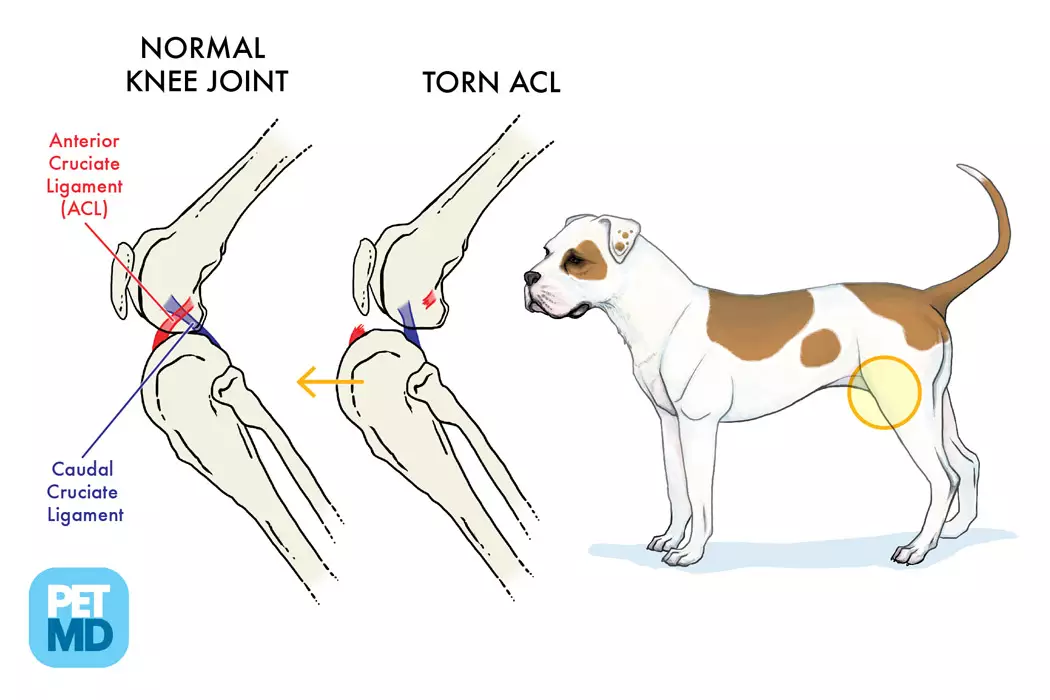
Stretching or rupture of the CCL causes instability of the knee joint, leading to lameness, inflammation and damage to the menisci (knee cartilages). A complete rupture of the CCL causes non-weight bearing lameness; the animal will often hold the injured leg in a flexed position while standing, as the knee is so unstable they cannot support themselves on that leg. A partial tear of the CCL usually results in a subtle to obvious intermittent lameness that may last from weeks to months. Over time, a partial tear can progress to a complete rupture.
In most cases of CCL rupture in dogs, the tear occurs during normal activity; many owners describe the dog yelping and then becoming lame. In cats, the typical presentation is a complete rupture after a traumatic event, such as falling from a significant height.

More common than a sudden rupture in dogs is a chronic or progressive degeneration of the cranial cruciate ligament. A normal CCL keeps the femur bone in position on top of the tibia, with the meniscus (a cartilage pad) acting as a cushion between the bones. When the CCL is torn and the dog bears weight on the leg, the femur slides down the tibia and scrapes back and forth, causing inflammation to the joint and damage to the meniscus. If untreated, this can lead to severe chronic degenerative joint disease (osteoarthritis) in the knee.
CCL rupture in cats is not nearly as common as in dogs, possibly because the CCL in the dog is smaller than the caudal cruciate ligament, while the reverse is the case in cats. The smaller size of cats may also play a role, as degenerative changes in stifle joints are more severe, and occur earlier, with increased weight.
Expert advice from Dr Felicia:
Cruciate ligament disease is a common cause of lameness in the veterinary clinic. In many cases it is not preventable, but maintaining an ideal body condition score and being careful with high-impact play that involves twisting and jumping may help reduce the likelihood in some pets.
Cost of cruciate ligament disease in dogs
Average claim costØ |
Highest claim costØ |
No. of dogs affected in 2022Ø |
| $2,408 | $25,687 | 10,993 |
ØBased on PetSure claims data, 2022 calendar year. Reimbursement for these claims under a pet insurance policy would be subject to limits, such as annual benefit limits or sub-limits, benefit percentage, applicable waiting periods and any applicable excess. Cover is subject to the policy terms and conditions. You should consider the relevant Product Disclosure Statement or policy wording available from the relevant provider. Please note that values calculated are based on all claims for that condition and medically related conditions in each calendar year.
Cruciate ligament disease can be very costly. Bow Wow Meow’s Nose-to-Tail Cover has no sub-limits for cruciate disease and up to $30,000 annual limit, giving you flexibility to use the full annual limit on cruciate disease treatment, if required, in a given year⑅.
Get a quick quote
Symptoms of cruciate disease in dogs and cats
Depending on the degree of rupture (partial or complete) and the presentation (acute or chronic) of the cruciate ligament injury in dogs and cats, symptoms might range from mild to severe. Typical symptoms include rear leg lameness and deterioration of the affected knee and limb.
Lameness
This can range from a hint of lameness or limping in a back leg, to being unable to bear weight on the injured leg.
A typical presentation of lameness may include one or more of the following:
- A gradual onset of lameness that gets worse with exercise and over time
- Several episodes of lameness after exercise that resolve with rest
- A sudden onset of lameness after a traumatic event (particularly with cats)
- Holding the affected leg in a partial bent position (flexion) while standing
- “Toe touching” or placing only a small amount of weight on the injured leg
- Stiffness on rising
- Stiffness after excessive exercise
- Reduced exercise tolerance
- Inability to jump properly
Other symptoms may include:
- Swelling on the inside of the knee
- Instability and pain on flexion and extension of the stifle (knee joint), often with a palpable ‘clunk’ if meniscal injury is present
- The presence of the “drawer sign” – when the femur is held in place, the tibia can be pulled forward in a manner similar to a drawer sliding open
- Atrophy (decreased muscle mass and weakening of muscles) of the thigh muscles of the affected limb
- Inflammation and thickening of the joint (osteoarthritis)
- Fluid build-up in the joint (joint effusion)
- Injury to other structures such as the menisci (joint cartilages)
- Inability to sit squarely. Dogs will often keep the affected leg stretched out rather than bent and sit on an angle.
Expert advice from Dr Felicia:
Hind limb lameness is commonly either due to hip or knee disease, and your vet will be able to palpate these joints and potentially compare with your pet’s response to handling of the joint on the non-painful side to localise the discomfort.
Causes of cruciate disease
The causes of cruciate disease are only partly understood. Most commonly in dogs, it appears that cruciate disease occurs from damage to the cranial cruciate ligament or surrounding structures, such as:
- Acute cruciate ligament injury, resulting from a twisting injury to the knee joint, for example by slipping, twisting, falling or jumping off furniture.
- Chronic cruciate ligament injury, resulting from repetitive micro-injuries to the CCL and the gradual weakening of the CCL fibres. Putting pressure on the ligament in the same way, repeatedly, causes slight stretching of the ligament each time, which alters the structure and eventually causes the ligament to tear.
- Anatomical abnormalities in the formation, or growth process (conformation abnormalities). Where the bones that make up the stifle were abnormally formed, the cruciate ligament will be unduly stressed and traumatized. For example, excessive slope of the top of the tibia bone causing chronic stress to the ligament.
- Knee injury, such as dislocation of the kneecap (patellar luxation). Patellar luxation can be genetic or acquired, and results in abnormal joint biomechanics of the knee and additional pressure/strain on the cruciate ligament.
- Age-related ligament degeneration.
- Pre-existing inflammation of the knee joint.
Other factors may also play a role in the development of cruciate disease in dogs, such as:
- Occasional strenuous exercise — so-called “weekend warriors”.
- A history of athletic exercise, with repetitive movements.
- Obesity – carrying extra weight increases the incidence of repetitious injury to the same part of the leg.
- Age – CCL injury in dogs can occur at any age from late adolescence onwards, but more commonly seen in dogs older than 5 years.
- Breed susceptibility – while all breeds appear to be susceptible, incidence increases for large-breed dogs, such as Rottweilers, Labrador and Golden Retrievers, Boxers and Mastiffs, from one to two years of age.
- Previous occurrence – in 50-70% of dogs both stifle joints will eventually become affected.
- Desexed dogs are more likely to develop cruciate ligament disease.
- Females have a higher odds ratio than males for developing cruciate ligament disease.
In cats, CCL ruptures are most likely to result from a severe trauma, such as a car accident or a fall from a significant height, which may also cause other injuries to structures within the stifle, such as meniscal tears. CCL injury may be secondary to another knee problem, for example, a luxating patella (kneecap that slips out of place).
In rarer cases of chronic CCL ruptures in cats, obesity is often present; in these cases the degenerative changes appear to mimic those of dogs.
Expert advice from Dr Felicia:
Dogs with cruciate ligament disease typically present to the clinic in two distinct groups – young active large dogs that have ruptured their ligament through rough or high-impact play, or smaller, older dogs who were doing something seemingly normal but their cruciate ligament had been slowly degenerating until it finally ruptured with resulting toe-touching lameness.
How is cruciate disease diagnosed?
The vet will perform a thorough physical examination and will perform a complete review of the animal’s history. Additional diagnostic tests may be undertaken to identify the source and extent of the CCL injury, including:
Cranial drawer test
This test is performed to assess if the cranial cruciate ligament has ruptured. The dog or cat may be sedated while the affected joint is palpated. In the case of a CCL rupture, the tibia can be pulled forward under the femur in a motion that resembles opening a drawer, which would be impossible if the CCL were intact.
Radiographs
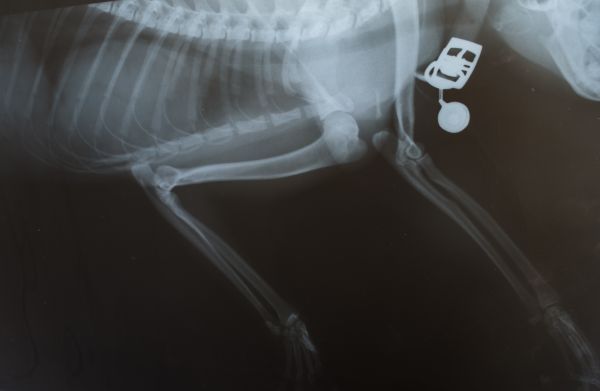
X-rays may reveal the presence of larger than normal amounts of fluid or arthritis in the joint, as well as any bone abnormalities. Radiographs usually require a sedation to allow for positioning of the joint for diagnostic accuracy.
Arthrocentesis
This is rarely performed unless there is suspicion of infectious, neoplastic or immune-mediated disease contributing, but the affected joint can punctured so that fluid can be removed for laboratory analysis.
Expert advice from Dr Felicia:
Diagnosing cruciate disease may be presumed by findings on the physical examination, and confirmed with radiographs under sedation, when the cranial drawer test can be repeated.
Life expectancy
While cruciate disease in dogs and cats is not life threatening, it can greatly affect the animal’s quality of life. After a rupture, the stifle becomes more acutely inflamed and painful, as well as unstable. This instability commonly leads to damage of the meniscus, the shock-absorbing cartilage located inside the joint. If left unmanaged, the stifle joint can become thickened and chronically painful and the leg muscles may atrophy from disuse.
Generally, the prognosis in most cases of CCL disease in dogs and cats is good once the stifle joint is successfully stabilised. However, rehabilitation back to normal function can take up to six months depending on severity and duration of injury and compliance with the rehabilitation program.
Because it is difficult to predict the costs of veterinary care, it can help to have measures in place to help prepare for the unexpected. Pet insurance can help by covering a portion of the eligible vet bill if the unexpected does happen.
Get a quote for 2 months free pet insurance for your puppy or kitten in their first year.
Treatment for cruciate disease
Cranial cruciate ligament disease in dogs and cats is conventionally treated either surgically or conservatively. Treatment options will depend on the animal’s weight, severity of rupture, pre-existing disease and cartilage tears. Although cats and some smaller dogs can improve with conservative management, most vets recommend that a ruptured CCL be repaired surgically. For both dogs and cats, appropriate management and rehabilitation greatly facilitate successful recovery.
Conservative management (non-surgical)
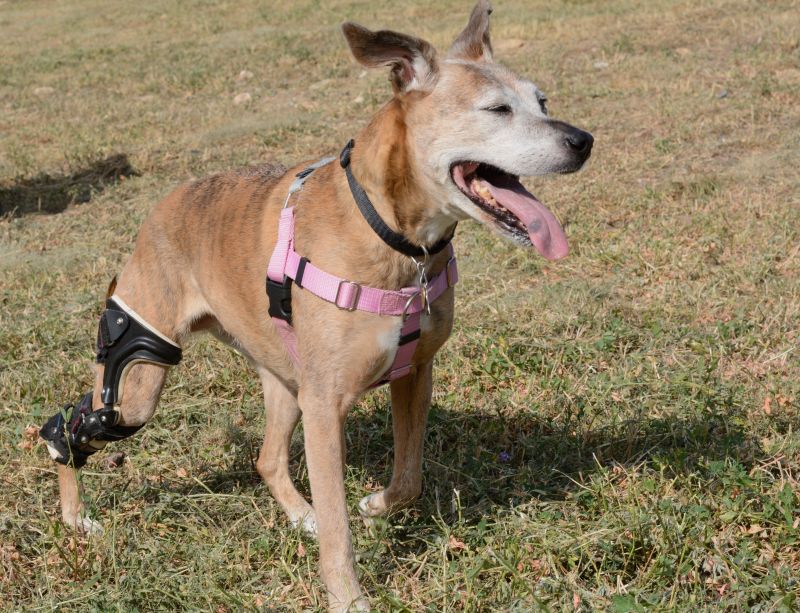
Conservative, non-surgical treatment may be considered for dogs weighing less than 15 kg, particularly for aged dogs and where the CCL hasn’t torn completely. This may include enforced rest, physical therapy and anti-inflammatory medications for six weeks to two months, followed by a gentle program of exercise and, if obesity is present, weight loss. With this treatment method, affected dogs are often confined to cage rest for four to eight weeks. A brace may be used to support the knee and reduce instability during activity. If there is no improvement with conservative management, surgery should be considered.
Cats suffering from a partial CCL tear and elderly cats with chronic degenerative cruciate disease are conventionally treated with conservative management. This includes pain medication, non-steroidal anti-inflammatories, confinement and severely curtailing activity, with no running or jumping for up to 6 weeks.
Although the outcome of conservative management is often successful, the likelihood of arthritic changes in the joint is greater when the cruciate injury is not surgically treated, therefore this approach is not recommended for very young, large or especially active animals.
Cruciate ligament surgery for dogs
Stabilisation surgery may be recommended in most cases of CCL injury as it speeds the rate of recovery, reduces joint degeneration and pain and improves joint mobility and function. There are several surgical techniques that aim to provide stability to the joint; selection of technique depends on what is appropriate for your dog’s size, age and condition.

The most common techniques are:
- Tibial Plateau Levelling Osteotomy (TPLO) – changes the forces in the joint to create a more stable ‘platform’ when the dog is weight bearing on the leg; generally indicated for larger dogs.
- Tibial Tuberosity Advancement (TTA) – an implant is used to correct the angle of the joint and stabilise the knee.
- Extra-capsular Stabilisation – involves placing a synthetic ligament on the outside of the joint capsule (“extra-capsular”) to replace the cruciate ligament.
Expert advice from Dr Felicia:
Cruciate ligament surgery is expensive, and dogs that rupture one cruciate ligament are likely to rupture the other. It is important to adhere to post-op and homecare restrictions on activity and instructions to help your dog recover as well and as quickly as possible without complication to reduce ongoing strain on the other hind leg.
Cruciate ligament surgery for cats
If conservative management is unsuccessful or if the cat’s stifle is very unstable, surgery will often be recommended. The most common technique used for cats is extra-capsular stabilisation. This procedure typically has a good outcome after a traumatic injury where the joint was normal prior to injury.
Regenerative medicine
Stem cell treatment is a fairly new procedure which can be performed during the surgery. Stem cells may aid in the recovery of the knee joint after surgery and provide long term benefits to the joint, particularly in cases of early diagnosis and partial tearing of the CCL.
Medication
Your vet will prescribe medications for pain and inflammation to help keep your pet feeling less painful. The medications prescribed may vary depending on your pet’s age, health status and other medications they may be taking.
Living and management
After the condition has been diagnosed and your pet has gone through the initial stage of treatment, ongoing care and management is essential for a successful outcome.
Post-operative care
Most surgical techniques require two to four months of rehabilitation with very limited activity for the initial six to eight weeks after surgery. Depending on the procedure used, it may take two to three weeks before the dog is able to bear weight on the injured leg.
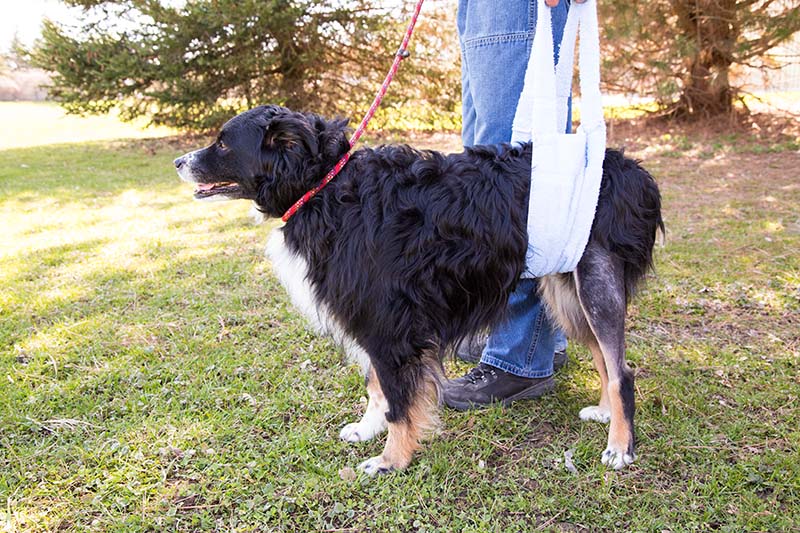
In the post-operative period it will be necessary restrict the dog’s activity to walking on a leash and to prevent falling, jumping, playing with other dogs, or other activities that could result in trauma to the recovering joint. Confinement in a cage or crate may be necessary for periods when supervision of activity is not possible.
Following cruciate ligament surgery, recovery will be greatly assisted by physical therapy (such as range-of-motion exercises, massage, and electrical muscle stimulation), which is a key aspect of rehabilitation. Conscientiously following the vet’s instructions should allow good function to return to the limb within three months.
Expert advice from Dr Felicia:
Some dogs that are young and very active may find confinement very difficult. It is important to try and keep them entertained in different ways to help them remain mentally stimulated even if they can’t move around as usual. For some dogs, sedating anxiolytic medications can help in this immediate post-op period.
Rehabilitation
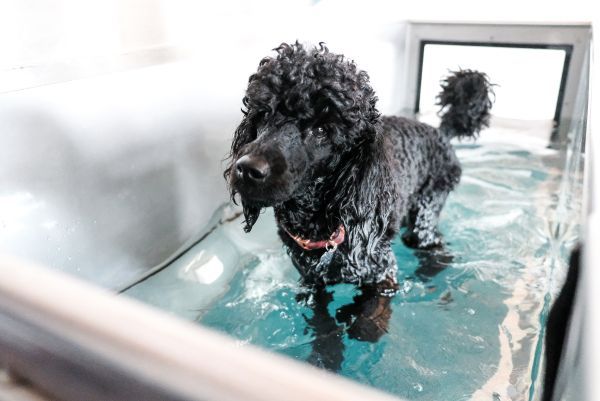
Physical therapy is essential for the success of both surgical and conservative management of cruciate disease in dogs. The rehabilitation program should be specific to the dog’s needs and the time since injury or surgery.
Rehabilitation can include a variety of approaches, such as:
- Massage – one of the most used physical therapy modalities, there are a wide variety of techniques, including stroking, pressure, friction, percussion and vibration.
- Joint mobilisation – manually manipulating the affected joint back and forth to restore movement.
- Cryotherapy – the use of freezing or near-freezing temperatures to control inflammation, often used immediately after surgery.
- Appropriate bedding that provides good support.
- Hydrotherapy and/or underwater treadmill – the buoyancy of water enables strengthening of the surrounding muscles while minimising the load on the healing structures.
- A customised home exercise program (including exercise restrictions) specific to your pet’s stage of healing and your home environment.
- Weight control – essential for decreasing stress on the stifle joint.
- Laser Therapy – effective for wound healing, sprained and strained ligaments, soft tissue injuries and aids with pain relief and inflammation.
Therapeutic exercise
This is an essential element of, and the final step in, the rehabilitation program, encompassing a wide range of physical activities designed to enhance function, improve cardiovascular fitness, and increase flexibility and strength. It also prevents long term physical impairment and reduces the risk of injury during unrestricted exercise. Activities should be slowly progressive, with the goal of reaching your dog’s previous lifestyle prior to the injury.
Expert advice from Dr Felicia:
Types of activity and therapy that will be best for recovery will depend on your dog’s tolerance for handling and fitness/interest in activities. It is important to take things slow with a priority to keep it fun and enjoyable for your dog. Lots of treats can help with activities your dog might feel unsure about.
Arthritis
Unfortunately, regardless of the technique used to stabilise the joint, arthritis is likely to develop in the joint as the dog or cat ages. The lack of a healthy CCL may cause the bones to rub against one another, leading to the development of bone spurs, pain, inflammation and a decreased range of motion. However, if surgery is performed, arthritic changes tend to occur to a lesser degree and much more gradually. Arthritis is more likely to occur in medium-sized to large dogs.
Dietary management
Obesity or excessive weight can be a significant contributing factor in cruciate ligament rupture for both dogs and cats. The CCL may become weakened from the strain of carrying too much weight, and other factors associated with obesity may cause ligament changes, allowing it to tear more easily. Excessive weight also increases the animal’s risk of long-term arthritic degeneration within the joint.
Additionally, obesity will make the recovery time much longer, and it will make the other knee more susceptible to subsequent ligament injury or rupture. Weight loss is as important as surgery in ensuring rapid return to normal function, as well as being a preventive measure to help protect against this debilitating injury.
Dietary management, as prescribed by the vet, may include:
- Weight control – if the dog is overweight, a special diet to return to its ideal weight, which will reduce stress on the knee and assist with the prevention of arthritis.
- Supplementation with Omega-3 fatty acids (fish oil), glucosamine, chondroitin sulfate, green-lipped mussel, Vitamin-B, Calcium, Zinc, Manganese and/or other minerals that may reduce inflammation, protect joint cartilage, help with joint lubrication and assist with tissue healing.
- There are prescription diets available with supplements incorporated to help support joint cartilage and reduce inflammation.
Expert advice from Dr Felicia:
Managing weight loss and obesity in a poorly mobile post-op patient can be very difficult given exercise is limited and a lot of mentally stimulating exercises for dogs involve food. This highlights the importance of keeping your dog at an ideal weight beforehand!
Overview
Cruciate disease describes the problems that occur in the knee from injury to the cranial cruciate ligament; dogs’ cruciate ligament injury is one of the most commonly occurring orthopaedic problems. The severity of this condition depends on whether the CCL rupture is partial or complete and whether it presents suddenly or has been a long-term (chronic) degenerative condition.
Dogs with partial CCL tears will exhibit subtle symptoms such as occasional lameness and stiffness on rising, while a dog with complete tear will exhibit signs ranging from variable degrees of lameness to being unable to bear weight on the injured leg.
The reasons for cruciate ligament injury in dogs are only partly understood. The CCL may become stretched or partially torn over time and lameness may be only slight or occasional, but a process of inflammation and degeneration is occurring in the knee joint at the same time. With continued use of the joint, this can gradually progress to complete rupture of the CCL, injury to other structures such as the menisci (joint cartilages) and arthritis of the joint.
Diagnosis commonly entails a physical exam and x-rays to investigate the extent of damage and rule out other possible causes of lameness. Arthroscopy might also be used to verify diagnosis and investigate potential cartilage tears and other problems.
Treatment for cruciate disease in dogs may follow a conservative approach; however, surgery is often required to stabilise the joint, prevent rapid progression of arthritis, reduce pain and restore mobility to the dog. In cats, traumatic CCL injuries are usually stabilised with surgery. Rehabilitation and physical therapy are important components of successful recovery.
Bow Wow Meow Pet Insurance can help protect you and your pet should an unexpected trip to your vet occur.
- Find out more about our dog insurance options
- Find out more about our cat insurance options
- Get an instant online pet insurance quote
Bow Wow Meow is proud to have been awarded winner of Canstar’s ‘Most Satisfied Customers’ Award in the Pet Insurance category for both 2024 and 2025!
Bow Wow Meow is proud to be the only Pet Insurer that has been awarded Product Review’s Top Rated Pet Insurance every year from 2018 to 2026! This is based on 3,193 independent customer reviews (as at 09/04/2026), with an overall rating of 4.5 stars.

We also have the following ratings on other review platforms:
Google Review rating of 4.5 stars (based on 1,358 reviews)
Trust Pilot rating of 4.6 stars (based on 555 reviews)
Bow Wow Meow has been chosen as Winner of 4 categories in the 2026 Finder Pet Insurance Customer Satisfaction Awards!




– Most Trusted Pet Insurance
– Easiest to Claim Pet Insurance
– Most Recommended Pet Insurance
– Legendary Service Pet Insurance
We also received Highly Commended Awards for Loved Brand Pet Insurance and Best Value Pet Insurance.
Bow Wow Meow is an Australian-owned and operated pet insurance provider. Our focus is purely on pets, and we are proud to have helped provide peace of mind to over 200,000 Aussie pet owners since 2008.