Pet insurance that covers hip dysplasia in cats

Hip dysplasia is under-recognised in cats, but more common than most owners think
Cats are experts at hiding pain, so hip dysplasia often goes unnoticed until it’s well established. Owners rarely associate ‘hip dysplasia’ with cats. It’s seen as a dog-only condition. In predisposed breeds like Maine Coons, documented prevalence is far higher than most owners expect.
Because it’s inherited, diagnosis timing matters. A hereditary predisposition alone does not establish a pre-existing condition. Earlier signs and the applicable waiting period matter, even if diagnosis comes later.
Hip dysplasia has been found in 24.9–37.4% of Maine Coon cats in large registry studies, with heritability comparable to dogs. Feline hip dysplasia is described in veterinary literature as a challenge to recognise and treat.

Understanding hip dysplasia in cats
Hip dysplasia is a malformation of the ball-and-socket hip joint, causing looseness or laxity. It leads to abnormal wear, subluxation and eventual degenerative joint disease (osteoarthritis). It’s an inherited condition, most documented in Maine Coon, Persian, Himalayan, Devon Rex and Siamese cats. Obesity, rapid growth and large body size can make it worse.
Signs of hip dysplasia in cats (often subtle)
- Reluctance to jump onto furniture, or jumping to lower heights than before
- Avoiding stairs
- Stiffness after rest or play
- General decline in activity level
- Hind leg weakness or a ‘bunny hop’ gait
- Overgrooming around the hips, or resisting being touched near the hips
How vets diagnose hip dysplasia in cats
- Orthopaedic exam checking range of motion and pain response
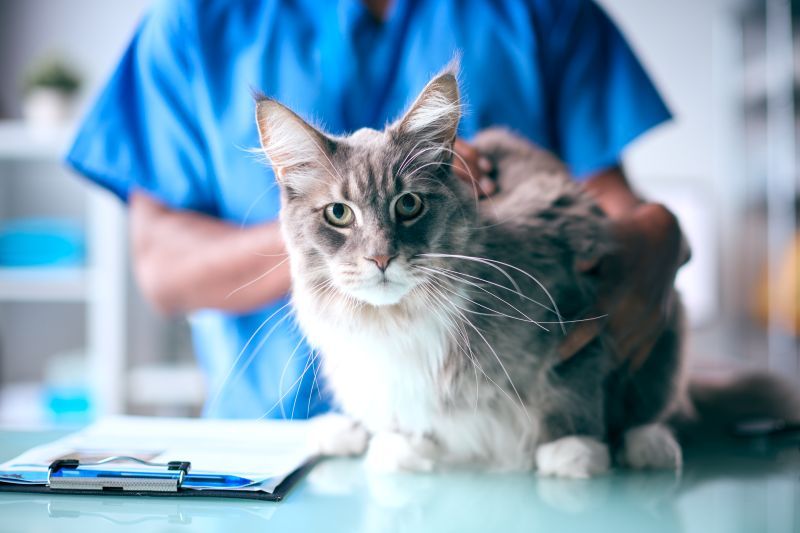
- X-rays. Cats usually need sedation or a general anaesthetic for diagnostic-quality hip images
- Specialist scoring/screening programs used in some pedigree breeding lines
- Referral to a specialist for interpretation in less clear-cut cases
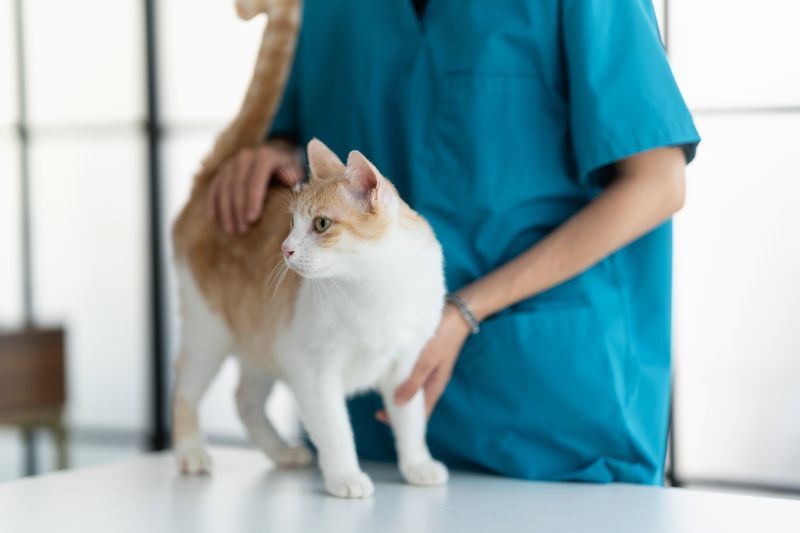
Treatments for hip dysplasia in cats
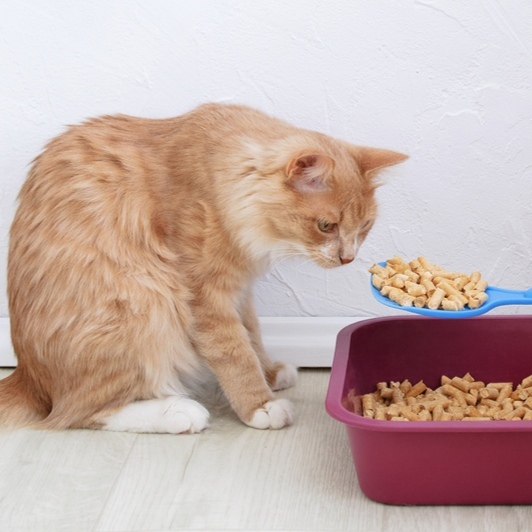
Most cats are managed conservatively, through weight management and joint supplements, pain relief and anti-inflammatories with monitoring for long-term use, and environmental changes such as ramps, steps and low-sided litter trays. Surgery is reserved for severe cases where conservative management has failed: femoral head and neck excision (FHO) or total hip replacement.
How much does treating hip dysplasia cost for a cat in Australia?
| Item | Published price examples | Notes | Source |
| Sedated X-ray | From $640 | Cats usually need sedation or a GA for diagnostic-quality hip images; consult additional | Clare Valley Veterinary Services |
| Ongoing conservative management (pain relief, supplements) | $865 per year on average, with a highest claim of $11,215 | Australian claims data for feline osteoarthritis treatment | PetSure claims data 2025 for osteoarthritis and medically related conditions generally. |
| FHO surgery | From $2,500 (small dog/cat) | Named AU figure explicitly covers cat/small-dog sizing | Animal Surgery Centre (AU) |
| Total hip replacement | Individual specialist quote required |
Why hip dysplasia becomes expensive over a cat’s lifetime
Hip dysplasia in cats commonly develops into osteoarthritis, a chronic, lifelong condition. It can start showing effects as early as 3 to 4 months of age, meaning decades of potential management. Ongoing medication, supplements and monitoring are not a one-off cost, and surgery, if needed later, sits on top of years of conservative management costs.
Expert advice from Dr Felicia:
Cats are so good at hiding joint pain by reducing movement that aggravates the discomfort, so that by the time an owner notices a change or pain is noted on a physical examination, we’re often already looking at established osteoarthritis on X-ray. Predisposed breeds like Maine Coons genuinely benefit from insurance while they’re still kittens, well before that first subtle reluctance to jump shows up.
Understanding the difference: developmental joint condition vs injury vs routine care
| Type | Typical coverage |
| Hip dysplasia (developmental/hereditary) | Covered as illness if not pre-existing |
| Traumatic hip injury (e.g. dislocation from a fall) | Usually covered under accident/injury benefits |
| Routine wellness checks / elective screening X-rays | Not covered; falls under optional routine care add-ons |
Does pet insurance cover hip dysplasia in cats?
Bow Wow Meow’s Nose-to-Tail Cover can cover eligible diagnosis and treatment of hip dysplasia in cats, including surgery, provided the condition is not pre-existing. A hereditary predisposition alone does not automatically exclude a cat from cover.
A diagnosis made after cover starts does not necessarily mean the condition is covered. Signs such as reduced jumping or stiffness before the first policy starts, or during the applicable waiting period, may affect eligibility. Assessment considers your cat’s clinical history and whether you knew, or reasonably should have known, about the condition.
A 30-day illness waiting period applies, together with your chosen annual benefit limit, benefit percentage, annual excess and policy exclusions. There is no separate hip dysplasia sub-limit.

How to compare pet insurance for hip dysplasia in cats
When comparing policies, look beyond the premium to understand how each insurer covers diagnosis, treatment and ongoing care. Check:
- Illness and hereditary-condition cover: Does the policy include developmental joint conditions such as hip dysplasia? Accident-only cover generally does not cover this condition.
- Pre-existing condition rules: Check how earlier signs, symptoms and veterinary findings affect eligibility, including whether a problem in one hip can affect cover for the other.
- Waiting periods: Confirm the waiting period for hip dysplasia and what happens if signs appear during that period.
- Benefits and out-of-pocket costs: Compare annual limits, any condition sub-limits, reimbursement percentages and excesses.
- Ongoing treatment and rehabilitation: Check cover for medication, monitoring and specialist care, and whether therapies such as physiotherapy require an optional benefit.

For predisposed breeds such as Maine Coons, consider arranging cover while your cat is young and before signs develop. Early insurance does not guarantee a future claim will be covered, but it can reduce the likelihood of a condition being excluded as pre-existing. Always seek veterinary advice promptly if your cat becomes stiff, limps or changes their jumping habits.
Bow Wow Meow Pet Insurance can help protect you and your cat should an unexpected trip to the vet occur.
-
Find out more about our cat insurance options
-
Get an online pet insurance quote
Bow Wow Meow is proud to have been awarded winner of Canstar’s ‘Most Satisfied Customers’ Award in the Pet Insurance category for both 2024 and 2025!
Bow Wow Meow is proud to be the only Pet Insurer that has been awarded Product Review’s Top Rated Pet Insurance every year from 2018 to 2026! This is based on 3,193 independent customer reviews (as at 09/04/2026), with an overall rating of 4.5 stars.

We also have the following ratings on other review platforms:
Google Review rating of 4.5 stars (based on 1,358 reviews)
Trust Pilot rating of 4.6 stars (based on 555 reviews)
Bow Wow Meow has been chosen as Winner of 4 categories in the 2026 Finder Pet Insurance Customer Satisfaction Awards!


– Most Trusted Pet Insurance
– Easiest to Claim Pet Insurance
– Most Recommended Pet Insurance
– Legendary Service Pet Insurance
We also received Highly Commended Awards for Loved Brand Pet Insurance and Best Value Pet Insurance.
Bow Wow Meow is an Australian-owned and operated pet insurance provider. Our focus is purely on pets, and we are proud to have helped provide peace of mind to over 200,000 Aussie pet owners since 2008.
Sources
“Demography, heritability and genetic correlation of feline hip dysplasia and response to selection in a health screening programme”, Low et al., Scientific Reports, published 20 November 2019. https://www.nature.com/articles/s41598-019-53904-w. Accessed 29 October 2026.
“Demographics of hip dysplasia in the Maine Coon cat”, Loder and Todhunter, Journal of Feline Medicine and Surgery, 2018. https://journals.sagepub.com/doi/10.1177/1098612X17705554. Accessed 29 October 2026.
“Feline hip dysplasia: A challenge to recognise and treat”, Perry, Journal of Feline Medicine and Surgery, March 2016. https://pubmed.ncbi.nlm.nih.gov/26936493/. Accessed 29 October 2026.
“Hip Dysplasia”, Cornell University College of Veterinary Medicine, Cornell Feline Health Center, updated 2022. https://www.vet.cornell.edu/departments-centers-and-institutes/cornell-feline-health-center/health-information/feline-health-topics/hip-dysplasia. Accessed 29 October 2026.
“Cats Hide Signs of Hip Dysplasia”, CatWatch Newsletter, updated 30 December 2019. https://www.catwatchnewsletter.com/health/cats-hide-signs-of-hip-dysplasia/. Accessed 29 October 2026.
“Hip Dysplasia in Cats: Symptoms and Treatment”, PetMD, updated 28 December 2025. https://www.petmd.com/cat/conditions/musculoskeletal/c_ct_hip_dysplasia. Accessed 29 October 2026.
“Joint Disorders in Cats”, Merck Veterinary Manual. https://www.merckvetmanual.com/cat-owners/bone%2C-joint%2C-and-muscle-disorders-of-cats/joint-disorders-in-cats. Accessed 29 October 2026.
“Top Cat Health Conditions of 2025”, PetSure, published 24 June 2026. https://petsure.com.au/knowledge-hub/common-cat-health-conditions-2025/. Accessed 29 October 2026.
“Arthritis in dogs and cats”, Bow Wow Meow Pet Insurance, updated 12 March 2026. https://bowwowinsurance.com.au/pet-care/diseases-conditions/arthritis-in-dogs-and-cats/. Accessed 29 October 2026.
“Pricing Guide for Fixed Cost Cat & Dog Surgeries”, Animal Surgery Centre. https://www.animalsurgerycentre.com.au/pricing-guide. Accessed 29 October 2026.
“Nose-to-Tail Cover”, Bow Wow Meow Pet Insurance. https://bowwowinsurance.com.au/cover-options/. Accessed 29 October 2026.
“Nose-to-Tail Cover Product Disclosure Statement”, Bow Wow Meow Pet Insurance, 6 November 2024. https://bowwowinsurance.com.au/wp-content/uploads/2024/11/Bow-Wow-Meow_Nose-to-Tail-Cover-PDS_03A_bwm11_06112024.pdf. Accessed 29 October 2026.
“Rear Limb Weakness”, Cummings School of Veterinary Medicine at Tufts University. https://vet.tufts.edu/foster-hospital-small-animals/specialty-services/cardiology/heartsmart/heart-disease-symptoms/rear-limb-weakness. Accessed 29 October 2026.