Biliary tract disease in cats: symptoms, causes and treatment
Summary
Biliary tract disease affects the structures that carry and store bile, including the bile ducts and gallbladder. Conditions include inflammation, infection, gallstones and blockages, and some also affect the surrounding liver.
Signs can include poor appetite, vomiting, weight loss, lethargy and jaundice—a yellow discolouration of the eyes, gums or skin.
Contact your vet promptly if your cat develops jaundice or stops eating. Severe pain, collapse or sudden deterioration requires emergency care. Treatment depends on the cause and may involve medication, nutritional support or surgery.
What is the biliary tract?
The liver produces bile, a fluid that helps the body digest and absorb dietary fats and eliminate certain waste products.
Bile travels through small ducts within the liver into larger ducts. Some is stored and concentrated in the gallbladder before being released into the small intestine.
Inflammation, damage or obstruction can interfere with this process. Reduced or stopped bile flow is called cholestasis. It can develop because of disease within the liver or a blockage affecting the larger bile ducts.
What types of biliary tract disease occur in cats?
Cholangitis and cholangiohepatitis
Cholangitis means inflammation of the bile ducts. When inflammation extends into surrounding liver tissue, it is called cholangiohepatitis.
Different forms occur. Neutrophilic cholangitis is commonly associated with bacterial infection, while lymphocytic cholangitis is generally considered immune-mediated. Distinguishing these forms helps the vet select treatment.
Gallbladder inflammation
Inflammation of the gallbladder is called cholecystitis. It may occur with bacterial infection, gallstones or other biliary disease.
Bile duct obstruction
A bile duct may become partly or completely blocked. Causes include inflammation or swelling, pancreatic disease, gallstones and tumours.
Gallstones
Gallstones are solid deposits within the biliary system. Some are discovered incidentally and cause no obvious illness. Others occur with infection or inflammation, or obstruct bile flow.
Bile leakage
Damage or rupture of the gallbladder or bile ducts can allow bile to leak into the abdomen. This causes bile peritonitis, a serious condition requiring emergency treatment.
What symptoms should I watch for?
Possible signs include:
- Reduced appetite or refusing food
- Vomiting
- Weight loss
- Lethargy or hiding more than usual
- Abdominal discomfort
- Fever
- Jaundice
- Occasionally, unusually pale stools.
Signs can develop suddenly or fluctuate over time. Their severity does not always reveal how serious the underlying problem is.
What does jaundice look like?
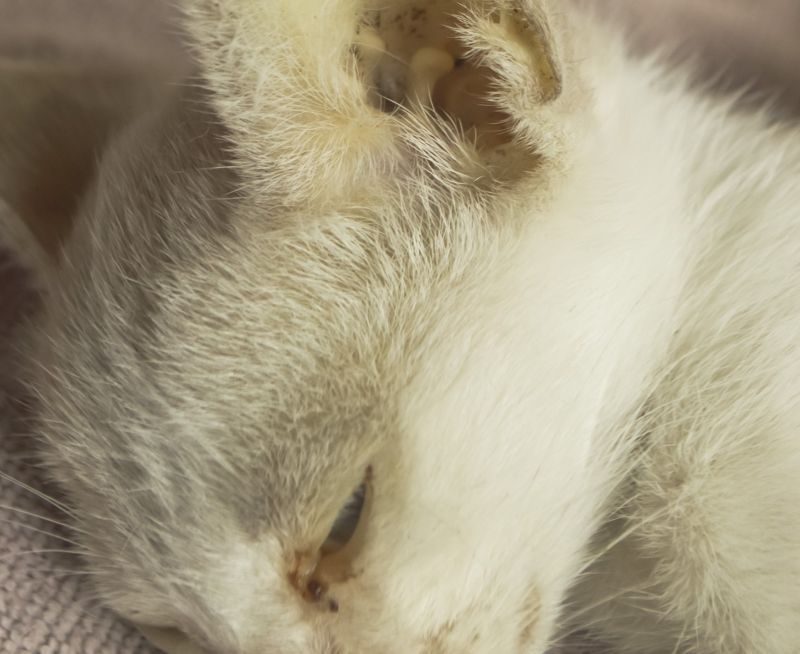
Jaundice causes a yellow tinge to the whites of the eyes, gums or skin. It results from a build-up of bilirubin, a pigment produced during the breakdown of red blood cells.
Jaundice can occur with bile duct obstruction, liver disease or excessive red blood cell destruction. It needs veterinary investigation rather than being treated as a diagnosis itself.
When should I contact my vet?
Arrange prompt assessment if your cat develops yellow discolouration, persistent vomiting, appetite loss or unexplained weight loss.
If your cat has eaten nothing for around 24 hours, seek veterinary advice without waiting longer. Seek help sooner if they are already unwell, very young or showing other concerning signs.
Collapse, severe weakness, difficulty breathing or a painful, swollen abdomen require emergency care.
Unsure how serious it is?
Bow Wow Meow policyholders can get access to trusted vet care anytime, anywhere, at no additional cost. Connect to an experienced Australian registered vet via video call, 24/7. Whether it’s providing vet advice, setting up at-home treatment plans, or confirming if you need to visit a vet in person, you can get help when you need it.
Find out more about our pet insurance cover options.
What causes biliary tract disease?
Possible causes include bacterial infection, immune-mediated inflammation, pancreatic inflammation, gallstones, tumours and injury.
Some cats have inflammation affecting the bile ducts, pancreas and intestines together. This combination is known as triaditis. Because signs overlap, the vet may investigate several organs rather than the gallbladder alone.
How is it diagnosed?
Your vet will examine your cat and ask about appetite, weight changes, vomiting and other symptoms.
Investigations may include:
- Blood tests: To assess liver enzymes, bilirubin, blood cells and overall health.
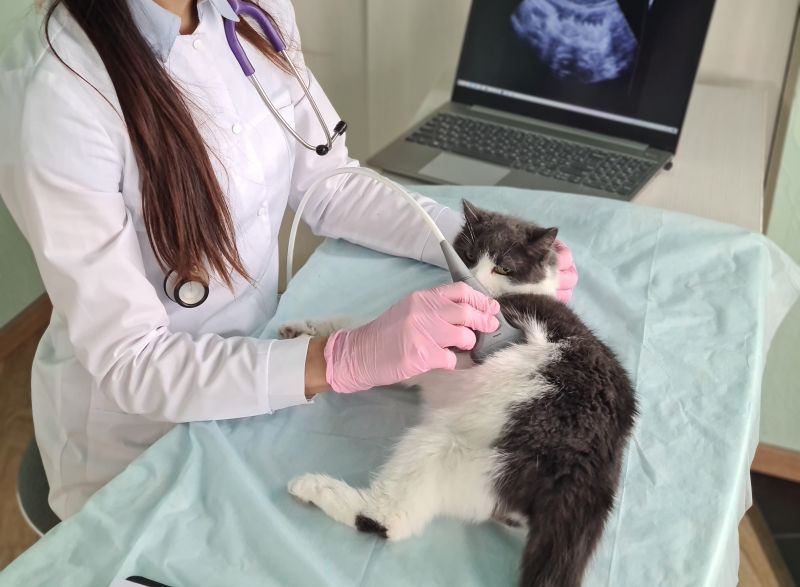
- Ultrasound: To examine the liver, gallbladder, bile ducts, pancreas and intestines.
- Clotting tests: Particularly before procedures that could cause bleeding.
- Bile sampling and bacterial culture: When appropriate, to investigate infection and guide antibiotic selection.
- Liver biopsy: To identify the type of inflammation or investigate other diseases.
Ultrasound findings can sometimes be normal despite inflammatory disease. A biopsy may provide information that blood tests and imaging cannot, although its suitability depends on your cat’s condition.
Prognosis
Some biliary tract disorders, such as blocked bile ducts, are medical emergencies that must be treated immediately, usually with surgery. The prognosis is good if surgery and appropriate antibiotics are started early but is less favourable if diagnosis and treatment are delayed. The outcome for cats with bile peritonitis varies widely. If bacteria are present in the abdominal fluid (septic bile peritonitis), the prognosis is poor.
Owners should be prepared for possible complications or recurrences. After surgery, cats are at risk for recurrent bacterial infections of the biliary tract. Gallstones may become a chronic problem, and new stones may form even after surgery has been performed to remove the existing ones. In cases of trauma to the biliary tract, recovery depends on the nature and severity of the trauma. A ruptured biliary tract and/or subsequent peritonitis may complicate and prolong your cat’s recovery.
How is biliary tract disease treated?
Medication and supportive care
Treatment may include fluids, pain relief, anti-nausea medication and nutritional support.
Antibiotics are used when bacterial infection is suspected or confirmed. Immune-mediated disease may require corticosteroids or other immune-modifying medication. Selected cats may also receive medicines or supplements supporting liver health.
These treatments are not interchangeable: medication appropriate for one form of disease may be unsuitable for another.
Surgery or specialist treatment
Surgery may be necessary to relieve an obstruction, address a diseased gallbladder or repair bile leakage. Procedures can include gallbladder removal or techniques to restore bile drainage.
Some inflammation-related obstructions may improve with medical treatment under close veterinary supervision. Persistent obstruction or bile leakage may require urgent surgery and specialist care.
Nutritional support
Cats that stop eating are at risk of hepatic lipidosis, also called fatty liver disease, which can complicate their original illness.
Your vet may recommend a feeding tube if your cat cannot consume enough food. This provides nutrition while treatment addresses the underlying problem.
Do not fast your cat or make major dietary changes without veterinary advice.

What is the outlook?
The outlook depends on the diagnosis, severity and response to treatment.
Some cats recover well or achieve long periods of remission. Others need ongoing medication and monitoring. Obstruction, bile leakage, severe infection and cancer can make recovery more difficult.
Follow-up may include weight checks, blood tests and repeat ultrasound examinations. Your vet will tailor the schedule to your cat’s progress.
Recognising changes early
Biliary disease can initially resemble other illnesses. Noticing appetite loss, weight changes, vomiting or yellow discolouration, and seeking veterinary advice promptly, helps your cat receive appropriate investigation and treatment.
Bow Wow Meow Pet Insurance can help protect you and your cat should an unexpected trip to the vet occur.
-
Find out more about our cat insurance options
-
Get an online pet insurance quote
Bow Wow Meow is proud to have been awarded winner of Canstar’s ‘Most Satisfied Customers’ Award in the Pet Insurance category for both 2024 and 2025!
Bow Wow Meow is proud to be the only Pet Insurer that has been awarded Product Review’s Top Rated Pet Insurance every year from 2018 to 2026! This is based on 3,193 independent customer reviews (as at 09/04/2026), with an overall rating of 4.5 stars.

We also have the following ratings on other review platforms:
Google Review rating of 4.5 stars (based on 1,358 reviews)
Trust Pilot rating of 4.6 stars (based on 555 reviews)
Bow Wow Meow has been chosen as Winner of 4 categories in the 2026 Finder Pet Insurance Customer Satisfaction Awards!


– Most Trusted Pet Insurance
– Easiest to Claim Pet Insurance
– Most Recommended Pet Insurance
– Legendary Service Pet Insurance
We also received Highly Commended Awards for Loved Brand Pet Insurance and Best Value Pet Insurance.
Bow Wow Meow is an Australian-owned and operated pet insurance provider. Our focus is purely on pets, and we are proud to have helped provide peace of mind to over 200,000 Aussie pet owners since 2008.
Sources:
“Cholangiohepatitis”, Cornell University College of Veterinary Medicine, updated March 2025. https://www.vet.cornell.edu/departments-centers-and-institutes/cornell-feline-health-center/health-information/feline-health-topics/cholangiohepatitis. Accessed 22 October 2026.
“Feline Cholangitis / Cholangiohepatitis Syndrome”, Merck Veterinary Manual, updated September 2024. https://www.merckvetmanual.com/digestive-system/hepatic-diseases-of-small-animals/feline-cholangitis-cholangiohepatitis-syndrome. Accessed 22 October 2026.
“Disorders of the Liver and Gallbladder in Cats”, Merck Veterinary Manual, updated September 2024. https://www.merckvetmanual.com/cat-owners/digestive-disorders-of-cats/disorders-of-the-liver-and-gallbladder-in-cats. Accessed 22 October 2026.
“Biliary Tree (Biliary Tract): Intrahepatic and Extrahepatic Components in Animals”, Merck Veterinary Manual. https://www.merckvetmanual.com/digestive-system/liver-structure-and-function/biliary-tree-biliary-tract-intrahepatic-and-extrahepatic-components-in-animals. Accessed 22 October 2026.
“Cholelithiasis in Small Animals”, Merck Veterinary Manual, updated July 2026. https://www.merckvetmanual.com/digestive-system/hepatic-diseases-of-small-animals/cholelithiasis-in-small-animals. Accessed 22 October 2026.
“Extrahepatic Biliary Tract Obstruction”, American College of Veterinary Surgeons. https://www.acvs.org/small-animal/extrahepatic-biliary-tract-obstruction/. Accessed 22 October 2026.
“Hepatic Lipidosis”, Cornell University College of Veterinary Medicine. https://www.vet.cornell.edu/departments-centers-and-institutes/cornell-feline-health-center/health-information/feline-health-topics/hepatic-lipidosis. Accessed 22 October 2026.
“Anorexia”, Cornell University College of Veterinary Medicine. https://www.vet.cornell.edu/departments-centers-and-institutes/cornell-feline-health-center/health-information/feline-health-topics/anorexia. Accessed 22 October 2026.