Vomiting in dogs and cats: causes, treatment and when to see a vet
Summary
Vomiting is common in dogs and cats and can have many causes, ranging from a mild stomach upset to more serious problems such as poisoning, pancreatitis, intestinal obstruction, kidney disease or another underlying illness.
An otherwise well pet that vomits once may not need emergency treatment, but repeated vomiting, blood in the vomit, severe lethargy, abdominal pain, suspected toxin or foreign-body ingestion, or an inability to keep water down should be assessed by a veterinarian promptly.
What is vomiting?
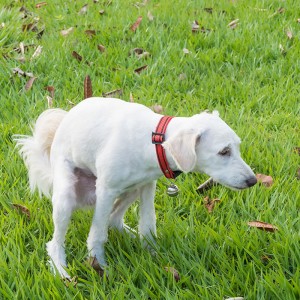
Vomiting is the active, forceful expulsion of stomach or upper intestinal contents through the mouth. Before vomiting, pets may appear nauseated, restless, drool, lick their lips or repeatedly swallow. This is usually followed by retching and visible contractions of the abdominal muscles.
The material brought up may contain food, clear or foamy fluid, yellow-green bile or, in some cases, blood.
Vomiting is a clinical sign rather than a disease in itself, and the underlying cause can range from a temporary digestive upset to a condition requiring urgent treatment.
Is vomiting the same as regurgitation?
No. Vomiting is an active process involving nausea, retching and abdominal effort.
Regurgitation is generally passive and happens without abdominal contractions. Undigested food or fluid may come up suddenly, often soon after eating or drinking. Regurgitation can indicate a problem involving the oesophagus rather than the stomach.
For cats, coughing can occasionally be confused with vomiting as well. A short video of an episode can be extremely useful for your veterinarian if you are not sure what you are seeing.
Why do dogs and cats vomit?
Vomiting has many possible causes. A mild episode may follow eating too quickly, eating spoiled or unusual food, a sudden diet change or eating something that irritates the stomach.

Other possible causes include gastroenteritis, intestinal parasites, food intolerance, pancreatitis, foreign-body obstruction, poisoning, liver or kidney disease, diabetes, Addison’s disease, thyroid disease, inflammatory gastrointestinal disease and some cancers.
Cats may also vomit hair from grooming, although frequent hairballs should not automatically be regarded as normal. Persistent or increasing vomiting deserves veterinary assessment.
Young dogs and cats may be particularly prone to swallowing foreign objects. Dogs commonly ingest items such as socks, toys or bones, while cats are especially at risk from linear foreign bodies such as string or thread. Gastrointestinal obstruction can become life-threatening and may require surgery.
What does vomiting look like?
A pet about to vomit may become restless, drool, lick their lips or repeatedly swallow. Vomiting itself usually involves retching and forceful abdominal contractions before food, fluid or foam is expelled.
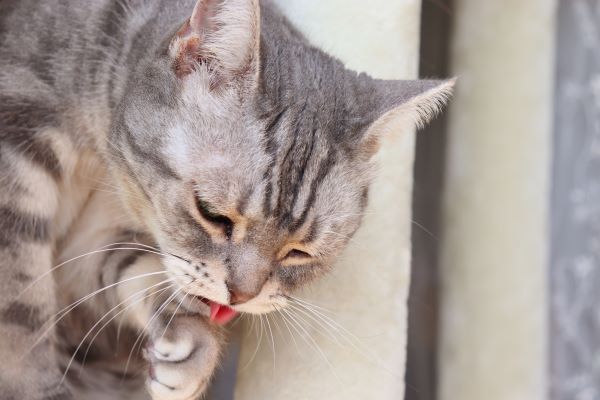
What comes up can sometimes provide clues, but the appearance of the vomit alone cannot reliably identify the cause.
Yellow or green fluid is often bile and can occur when the stomach is relatively empty. Fresh red blood or dark material resembling coffee grounds can indicate gastrointestinal bleeding and should be discussed with a veterinarian.
When should vomiting be checked by a vet?
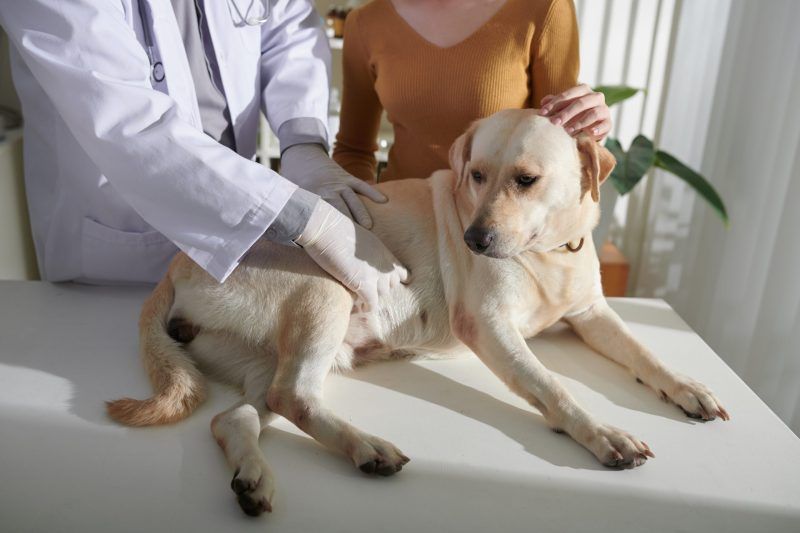
A single episode in an otherwise bright, comfortable adult pet may sometimes settle without treatment. However, arrange veterinary advice if vomiting is repeated, persists or is accompanied by other changes.
Seek prompt or urgent veterinary care if your dog or cat has any of the following:
- repeated or severe vomiting
- blood in the vomit, or dark material resembling coffee grounds
- marked lethargy, weakness or collapse
- obvious abdominal pain or swelling
- repeated retching without producing vomit
- difficulty breathing
- diarrhoea together with significant vomiting
- signs of dehydration
- inability to keep water down
- loss of appetite, particularly if persistent
- suspected toxin ingestion
- suspected ingestion of string, toys, bones, fabric or another foreign object
- a significant change in behaviour or responsiveness.
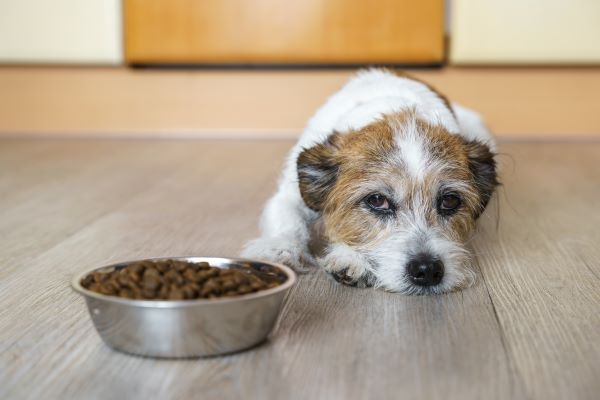
Repeated unproductive retching with abdominal enlargement in a dog can be a sign of gastric dilatation-volvulus (bloat) and requires immediate emergency treatment.
Puppies, kittens, senior pets and animals with existing medical conditions can become unwell or dehydrated more quickly, so a lower threshold for veterinary advice is appropriate.
What can you do at home after a mild episode of vomiting?
If your adult dog or cat has vomited once but otherwise appears bright, comfortable and interested in water, monitor them closely.
Offer access to fresh water, but if drinking triggers further vomiting, contact your veterinarian. Do not force large quantities of food or water.
Your vet may advise feeding small amounts of a highly digestible diet once vomiting has settled. The right approach differs between pets, so avoid prolonged fasting or major diet changes without veterinary advice, particularly for cats, puppies, kittens, senior animals or pets with underlying disease.
Do not give human anti-nausea, pain-relief or stomach medication unless your veterinarian has specifically instructed you to do so.
If you suspect your pet has swallowed a toxin or foreign object, contact a vet immediately rather than attempting home treatment.
Unsure how serious it is?
Bow Wow Meow policyholders can get access to trusted vet care anytime, anywhere, at no additional cost. Connect to an experienced Australian registered vet via video call, 24/7. Whether it’s providing vet advice, setting up at-home treatment plans, or confirming if you need to visit a vet in person, you can get help when you need it.
Find out more about our pet insurance cover options.
Never try to make your pet vomit without veterinary advice
If you think your dog or cat has eaten something poisonous or swallowed a dangerous object, do not attempt to make them vomit unless a veterinarian specifically tells you to.
Contact your veterinarian or an emergency veterinary service immediately and, if possible, have information about what was swallowed, how much and when.
How is the cause of vomiting diagnosed?
Your veterinarian will first ask about the vomiting and your pet’s recent history. Useful information includes when the vomiting started, how often it occurs, what the vomit looks like, recent food changes, access to rubbish or toxins and whether your pet could have swallowed a foreign object.
The physical examination may include checking hydration, temperature and gum colour, feeling the abdomen for pain, swelling or abnormal masses, and examining the mouth.
Depending on the severity and suspected cause, further tests may include:
- Blood and urine tests to look for dehydration, infection and disorders involving organs such as the kidneys, liver or pancreas.
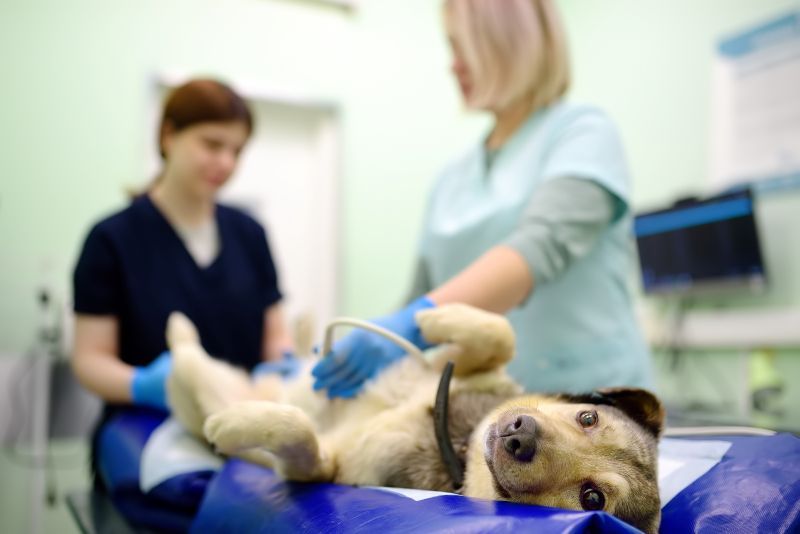
- X-rays or ultrasound to look for foreign bodies, intestinal obstruction, masses or other abdominal abnormalities.
- Faecal testing where parasites or infectious disease are suspected.
- Endoscopy, biopsy or exploratory surgery in selected cases where initial testing does not identify the cause or obstruction is suspected.
How is vomiting treated?
Treatment depends on the underlying cause and how unwell or dehydrated the pet has become.
- For mild gastrointestinal upset, treatment may involve a highly digestible diet and medication prescribed by the veterinarian to control nausea.
- More significant cases may require fluid therapy to correct dehydration and electrolyte abnormalities, injectable anti-nausea medication and treatment of the underlying disease.
- If vomiting is caused by an intestinal foreign body, obstruction or another surgical condition, endoscopy or surgery may be required.
How much can vomiting and gastrointestinal illness cost to treat?
Vomiting can accompany conditions ranging from a minor stomach upset to gastrointestinal obstruction, pancreatitis or another serious illness, so treatment costs vary considerably.
PetSure’s 2024 claims data found that gastroenteritis was the second most claimed condition in dogs and the most claimed condition in cats. Average treatment costs were approximately $737 for dogs and $735 for cats, while the highest treatment costs reached $32,310 in dogs and $26,987 in cats.
These figures relate to gastroenteritis broadly rather than vomiting alone. More complex causes of vomiting can cost considerably more; PetSure’s 2025 claims data reported an average amount claimed of $3,042 for toxin or foreign-body ingestion, with the highest claimed amount reaching $27,681Ø.

Can vomiting be prevented?
Not every cause of vomiting can be prevented, but owners can reduce some common risks by introducing diet changes gradually, keeping rubbish and unsafe foods inaccessible, preventing pets from chewing or swallowing socks, string, toys and other objects, using appropriate parasite prevention and keeping potentially toxic foods, plants, medications and household chemicals out of reach.
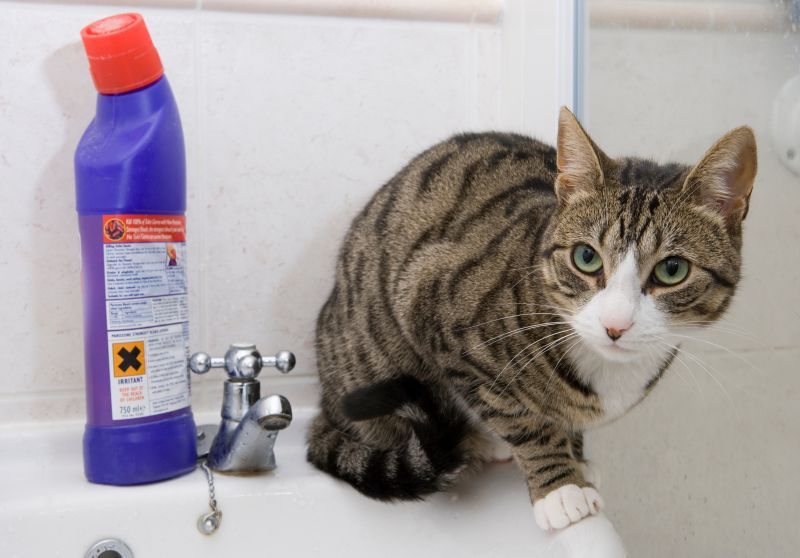
Learn more about foods pets should never eat, pet poisoning, and foreign-body ingestion.
In summary
Most dogs and cats will vomit at some point, and an isolated episode in an otherwise well adult pet may settle without treatment. However, vomiting can also be the first sign of poisoning, intestinal obstruction or significant gastrointestinal or systemic disease.
The most important clues are how often your pet is vomiting, how they seem between episodes and whether other symptoms are present.
Repeated vomiting, blood, severe lethargy, abdominal pain, inability to keep water down or suspected toxin or foreign-body ingestion should be assessed promptly. If you are unsure whether your pet is vomiting, regurgitating or coughing, recording a short video can help your veterinarian work out what is happening.
ØBased on PetSure claims data, 2024 & 2025 calendar years. Reimbursement for these claims under a pet insurance policy would be subject to limits, such as annual benefit limits or sub-limits, benefit percentage, applicable waiting periods and any applicable excess. Cover is subject to the policy terms and conditions. You should consider the relevant Product Disclosure Statement or policy wording available from the relevant provider. Please note that values calculated are based on all claims for that condition and medically related conditions in each calendar year.
Bow Wow Meow Pet Insurance can help protect you and your pet should an unexpected trip to your vet occur.
- Find out more about our dog insurance options
- Find out more about our cat insurance options
- Get an instant online pet insurance quote
Bow Wow Meow is proud to have been awarded winner of Canstar’s ‘Most Satisfied Customers’ Award in the Pet Insurance category for both 2024 and 2025!
Bow Wow Meow is proud to be the only Pet Insurer that has been awarded Product Review’s Top Rated Pet Insurance every year from 2018 to 2026! This is based on 3,193 independent customer reviews (as at 09/04/2026), with an overall rating of 4.5 stars.

We also have the following ratings on other review platforms:
Google Review rating of 4.5 stars (based on 1,358 reviews)
Trust Pilot rating of 4.6 stars (based on 555 reviews)
Bow Wow Meow has been chosen as Winner of 4 categories in the 2026 Finder Pet Insurance Customer Satisfaction Awards!


– Most Trusted Pet Insurance
– Easiest to Claim Pet Insurance
– Most Recommended Pet Insurance
– Legendary Service Pet Insurance
We also received Highly Commended Awards for Loved Brand Pet Insurance and Best Value Pet Insurance.
Bow Wow Meow is an Australian-owned and operated pet insurance provider. Our focus is purely on pets, and we are proud to have helped provide peace of mind to over 200,000 Aussie pet owners since 2008.
Sources:
“Vomiting in Dogs”, VCA Animal Hospitals. https://vcahospitals.com/park/know-your-pet/vomiting-in-dogs. Accessed 8 October 2026.
“Vomiting in Cats”, VCA Animal Hospitals. https://vcahospitals.com/premier/know-your-pet/vomiting-in-cats. Accessed 8 October 2026.
“Vomiting in Dogs”, Merck Veterinary Manual. https://www.merckvetmanual.com/dog-owners/digestive-disorders-of-dogs/vomiting-in-dogs. Accessed 8 October 2026.
“The Digestive System in Animals”, Merck Veterinary Manual. https://www.merckvetmanual.com/digestive-system/digestive-system-introduction/the-digestive-system-in-animals. Accessed 8 October 2026.
“Gastrointestinal Obstruction in Small Animals”, Merck Veterinary Manual. https://www.merckvetmanual.com/digestive-system/surgical-problems-of-the-gastrointestinal-tract-in-small-animals/gastrointestinal-obstruction-in-small-animals. Accessed 8 October 2026.
“Gastroenteritis in cats & dogs: What you need to know”, PetSure, 2025. https://petsure.com.au/knowledge-hub/gastro-in-pets/. Accessed 8 October 2026.
“Bland Diet for Dogs and Cats With Upset Stomachs”, PetSure, 2026. https://petsure.com.au/knowledge-hub/bland-diet-for-dogs-and-cats/. Accessed 8 October 2026.
“Most Expensive Conditions in 2025 by their average claim amounts”, PetSure, 2026. https://petsure.com.au/?p=18047. Accessed 8 October 2026.