Kidney disease in dogs and cats: symptoms, treatment and care

Summary
Kidney disease affects the kidneys’ ability to filter waste, balance fluids and perform other essential functions. It can develop gradually as chronic kidney disease (CKD), or appear suddenly as acute kidney injury (AKI).
Signs may include increased drinking and urination, weight loss, reduced appetite, vomiting and lethargy. Early kidney disease can have few outward signs, so veterinary examinations and blood and urine testing are important, particularly in older pets.
Treatment depends on the cause and severity. Although chronic kidney damage is generally irreversible, appropriate care can help manage symptoms, slow progression and support quality of life.
Seek urgent veterinary help if your pet cannot pass urine, becomes suddenly very unwell or may have swallowed a kidney-damaging substance.
What do the kidneys do?
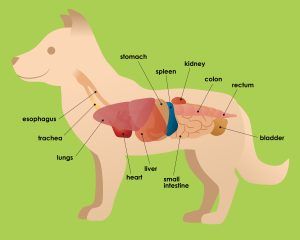
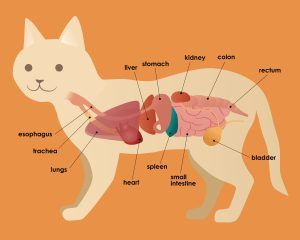
The kidneys filter the blood and remove waste products in urine. They also help maintain the body’s balance of water, minerals and acids, regulate blood pressure and support red blood cell production.
“Renal” simply means relating to the kidneys. Kidney disease can interfere with several of these functions, affecting much more than urination alone.
What is the difference between acute and chronic kidney disease?
Condition |
What it means |
| Chronic kidney disease (CKD) | Persistent kidney damage or reduced function, usually developing over months or years. It is particularly common in older cats, although dogs and younger animals can also be affected. |
| Acute kidney injury (AKI) | A sudden kidney injury, often developing over hours or days. Causes include toxins, infection, impaired blood supply and urinary obstruction. Recovery may be possible, depending on the cause and severity. |
| Acute-on-chronic kidney disease | A pet with existing CKD develops an additional acute problem, such as dehydration, infection or obstruction, and becomes suddenly worse. |
Kidney disease does not always mean complete kidney failure. Some pets have early changes that can be detected before they become noticeably unwell
What are the symptoms of kidney disease in dogs and cats?
Changes can be subtle at first. You may notice:
- Drinking more than usual
- Passing larger amounts of urine
- Needing more toilet breaks or having accidents
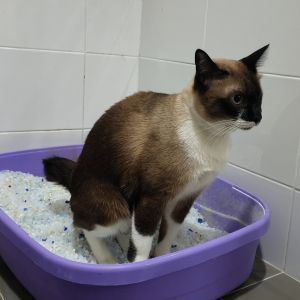
- Larger or more numerous wet clumps in your cat’s litter tray
- Gradual weight or muscle loss
- Reduced appetite, nausea or vomiting
- Lower energy levels or an unkempt coat.
More advanced illness can cause dehydration, marked weakness, mouth ulcers, unusual breath odour or pale gums associated with anaemia.
These signs are not specific to kidney disease. Conditions such as diabetes and hyperthyroidism can cause similar changes, so veterinary testing is needed. Read more about increased drinking and urination in dogs and cats.
When is it an emergency?
Contact an emergency vet immediately if your pet:
- Repeatedly strains to urinate but passes little or nothing
- Develops repeated vomiting, collapse or severe weakness
- Has seizures or sudden loss of vision
- May have swallowed a toxin or an unsafe medication.
Do not wait for symptoms after suspected poisoning. In cats, true lilies and daylilies can cause life-threatening kidney injury. Even pollen groomed from the coat or water from a vase containing these flowers can be dangerous.
Unsure how serious it is?
Bow Wow Meow policyholders can get access to trusted vet care anytime, anywhere, at no additional cost. Connect to an experienced Australian registered vet via video call, 24/7. Whether it’s providing vet advice, setting up at-home treatment plans, or confirming if you need to visit a vet in person, you can get help when you need it.
Find out more about our pet insurance cover options.
What causes kidney disease?
In many pets with CKD, especially older cats, the original cause cannot be identified. Possible contributors include inherited or developmental abnormalities, previous kidney injury, kidney infections, diseases affecting the kidneys’ filtering structures and some cancers.
Acute kidney injury may follow:
- Exposure to toxins, including lilies in cats, grapes or raisins in dogs, or antifreeze
- Certain medications, particularly when used incorrectly
- Severe or prolonged reductions in blood flow to the kidneys
- Infections, including leptospirosis in dogs
- Urinary obstruction.
A pet can continue producing urine despite serious kidney injury. Urine output alone cannot tell you how well the kidneys are working.
How is kidney disease diagnosed?
Your vet will consider your pet’s history, examine them and interpret several findings together.
Tests may include:
- Blood tests: creatinine, urea and SDMA help assess kidney function; other measurements check electrolytes, phosphorus and red blood cells.
- Urine testing: assesses urine concentration and looks for abnormalities such as protein, blood or signs of infection.
- Urine protein-to-creatinine ratio: measures protein loss when appropriate.
- Urine culture: checks for bacterial infection when indicated.
- Blood pressure measurement: identifies hypertension, which can damage the kidneys and other organs.
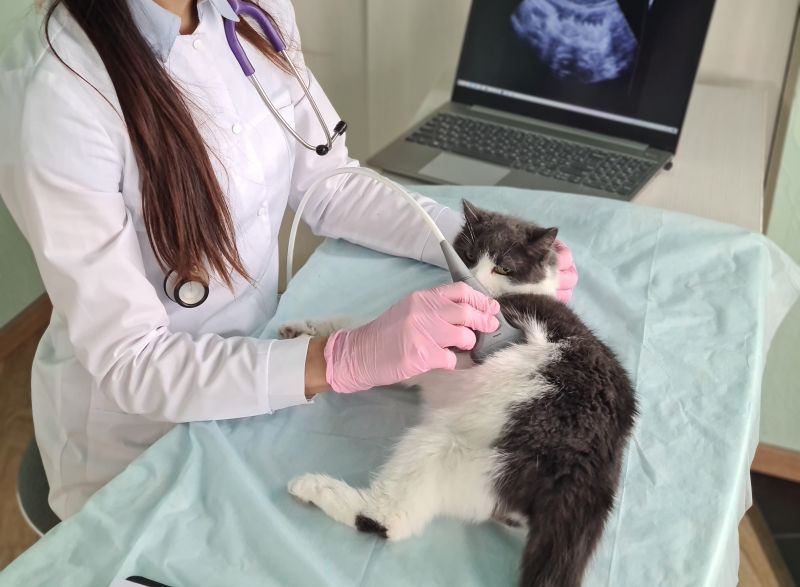
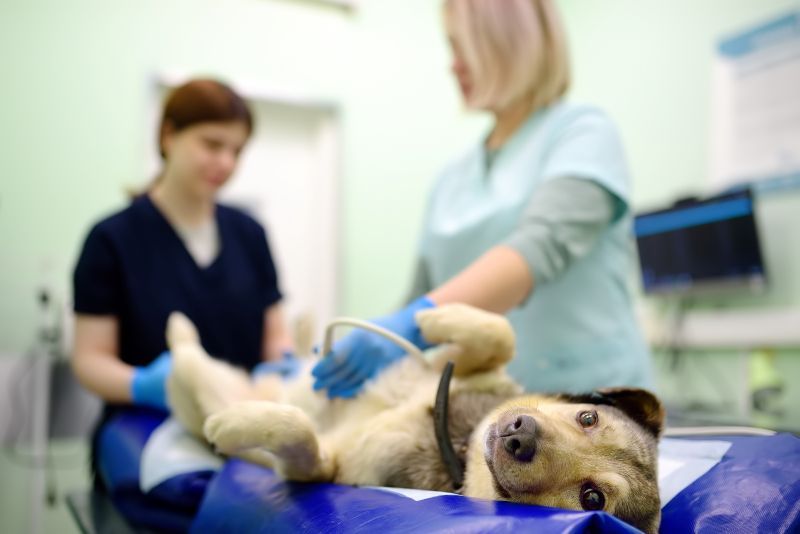
- Ultrasound or X-rays: assess kidney structure and investigate stones or obstruction.
Additional tests depend on the suspected cause and other health conditions. Kidney biopsy is reserved for selected cases.
A single abnormal blood result does not automatically establish CKD. Hydration, muscle mass, previous results and repeat testing help your vet distinguish persistent disease from temporary or acute changes.
What are the stages of chronic kidney disease?
After confirming CKD, your vet may use the International Renal Interest Society (IRIS) staging system.
Stage |
General meaning |
| Stage 1 | Evidence of kidney disease may be present despite normal or near-normal kidney blood markers. |
| Stage 2 | Mild reduction in kidney function. |
| Stage 3 | Moderate reduction in kidney function. |
| Stage 4 | Severe reduction in kidney function, with a greater risk of significant illness. |
Staging uses kidney blood markers in a clinically stable, adequately hydrated patient, with further assessment of urine protein loss and blood pressure.
The stage helps guide care. It is not a precise prediction of lifespan, and the CKD staging system should not be applied to a pet with rapidly changing kidney values from acute injury.

How is kidney disease treated?
Acute kidney injury
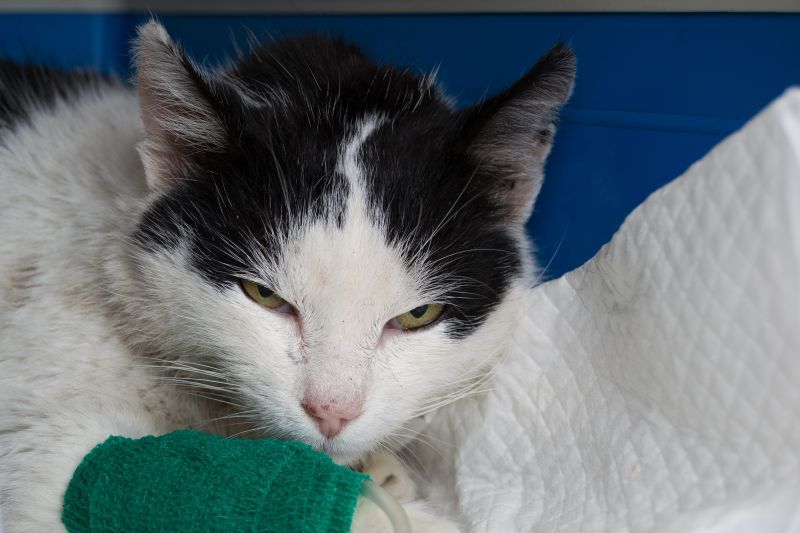
Treatment focuses on the cause and on supporting the pet while the kidneys recover. Hospital care may involve carefully monitored intravenous fluids, treatment of infection or obstruction, electrolyte correction, anti-nausea medication and nutritional support.
Fluid amounts must match the patient’s needs and urine production. Giving excessive fluids to a pet that cannot excrete them can cause dangerous fluid overload.
Selected patients may benefit from dialysis at a specialist centre. Your vet can advise whether referral is appropriate and what services are available.
Chronic kidney disease
CKD treatment aims to preserve remaining function and keep your pet comfortable. Depending on their needs, it may include:
- A veterinary renal diet
- Treatment for nausea, vomiting or poor appetite
- Medication for high blood pressure or excessive urinary protein loss
- Phosphate binders or electrolyte supplements
- Treatment for anaemia
- Fluids when required
- Treatment of associated infections or other illnesses.
Not every pet needs every treatment. Regular reassessment helps your vet adjust the plan as your pet’s condition changes.
What should a pet with kidney disease eat?
For many pets with CKD, a veterinary renal diet is an important part of treatment. These diets control phosphorus and provide an appropriate balance of protein, energy and other nutrients.
The goal is to support nutrition while managing the effects of kidney disease. Simply removing protein or feeding an unbalanced homemade diet can create further problems.
Introduce dietary changes gradually under veterinary guidance. If your pet refuses the recommended food or is eating less, contact your vet rather than allowing them to go without food.
How can I care for my pet at home?
Follow the plan agreed with your veterinary team. Helpful steps include:
- Keeping fresh water freely available
- Providing easy access to food, resting places and toilet areas
- Recording appetite, vomiting, activity and changes in drinking or urination
- Monitoring weight as advised
- Giving medications exactly as prescribed
- Attending scheduled rechecks.
Never restrict water to reduce accidents or litter-tray use. Give fluids under the skin only if your vet has prescribed them and shown you how.
Tell your vet if treatment is difficult to administer or stressful for your pet. A manageable care plan is important for both of you.
What is the outlook?
The outlook varies considerably. Some pets recover from acute kidney injury, while others retain permanent damage or do not survive. Recovery can take time and requires follow-up monitoring.
CKD is generally irreversible, but some dogs and cats remain comfortable for months or years with appropriate management. Disease progression, appetite, hydration, complications and response to treatment matter more than a single test result.
If illness progresses despite treatment, your vet can help assess comfort and quality of life and discuss supportive or palliative care.

Can kidney disease be prevented?
Not every case can be prevented. You can reduce avoidable risks by keeping toxins and medications inaccessible, maintaining access to water and seeking prompt treatment for illness or urinary problems.
Keep true lilies and daylilies out of homes with cats. Never give human medication without veterinary advice.
Regular health checks and appropriate screening can help identify changes before obvious illness develops, particularly in older pets.
Bow Wow Meow Pet Insurance can help protect you and your pet should an unexpected trip to your vet occur.
- Find out more about our dog insurance options
- Find out more about our cat insurance options
- Get an instant online pet insurance quote
Bow Wow Meow is proud to have been awarded winner of Canstar’s ‘Most Satisfied Customers’ Award in the Pet Insurance category for both 2024 and 2025!
Bow Wow Meow is proud to be the only Pet Insurer that has been awarded Product Review’s Top Rated Pet Insurance every year from 2018 to 2026! This is based on 3,193 independent customer reviews (as at 09/04/2026), with an overall rating of 4.5 stars.

We also have the following ratings on other review platforms:
Google Review rating of 4.5 stars (based on 1,358 reviews)
Trust Pilot rating of 4.6 stars (based on 555 reviews)
Bow Wow Meow Pet Insurance has been named by Finder as the Most Awarded Pet Insurance for 2021-26, after winning 4 categories in the 2026 Finder Pet Insurance Customer Satisfaction Awards!


– Most Trusted Pet Insurance
– Easiest to Claim Pet Insurance
– Most Recommended Pet Insurance
– Legendary Service Pet Insurance
We also received Highly Commended Awards for Loved Brand Pet Insurance and Best Value Pet Insurance.
Bow Wow Meow is an Australian-owned and operated pet insurance provider. Our focus is purely on pets, and we are proud to have helped provide peace of mind to over 200,000 Aussie pet owners since 2008.
Sources:
“Normal functions of the kidneys”, International Renal Interest Society (IRIS). https://www.iris-kidney.com/home-5. Accessed 27 October 2026.
“Chronic kidney disease (CKD)”, International Renal Interest Society (IRIS). https://www.iris-kidney.com/services-sales-page-3. Accessed 27 October 2026.
“IRIS Guidelines”, International Renal Interest Society (IRIS), 2026 revisions. https://www.iris-kidney.com/iris-guidelines-1. Accessed 27 October 2026.
“AKI Summary 2026”, International Renal Interest Society (IRIS), 2026. https://www.iris-kidney.com/new-page-5. Accessed 27 October 2026.
“Renal Dysfunction in Dogs and Cats”, Merck Veterinary Manual, updated March 2026. https://www.merckvetmanual.com/urinary-system/noninfectious-diseases-of-the-urinary-system-in-small-animals/renal-dysfunction-in-dogs-and-cats. Accessed 27 October 2026.
“Chronic Kidney Disease”, Cornell Feline Health Center, updated January 2025. https://www.vet.cornell.edu/departments-centers-and-institutes/cornell-feline-health-center/health-information/feline-health-topics/chronic-kidney-disease. Accessed 27 October 2026.
“2026 iCatCare consensus guidelines on the diagnosis and management of chronic kidney disease in cats”, Journal of Feline Medicine and Surgery, published September 2026. https://doi.org/10.1177/1098612X261466553. Accessed 27 October 2026.
“Managing the cat with chronic kidney disease: a guide for caregivers”, International Cat Care, 2026. https://icatcare.org/resources/cat-carer-guide-managing-chronic-kidney-disease-in-cats.pdf. Accessed 27 October 2026.
“Lovely Lilies and Curious Cats: A Dangerous Combination”, US Food and Drug Administration. https://www.fda.gov/animal-veterinary/animal-health-literacy/lovely-lilies-and-curious-cats-dangerous-combination. Accessed 27 October 2026.
“Bladder and Kidney Centre”, Small Animal Specialist Hospital (SASH). https://sashvets.com/services/bladder-and-kidney-centre/. Accessed 27 October 2026.
“Discover our Nose-to-Tail Cover”, Bow Wow Meow Pet Insurance. https://bowwowinsurance.com.au/cover-options/. Accessed 27 October 2026.