What is a Border Collie Cross?


Border Collie Cross
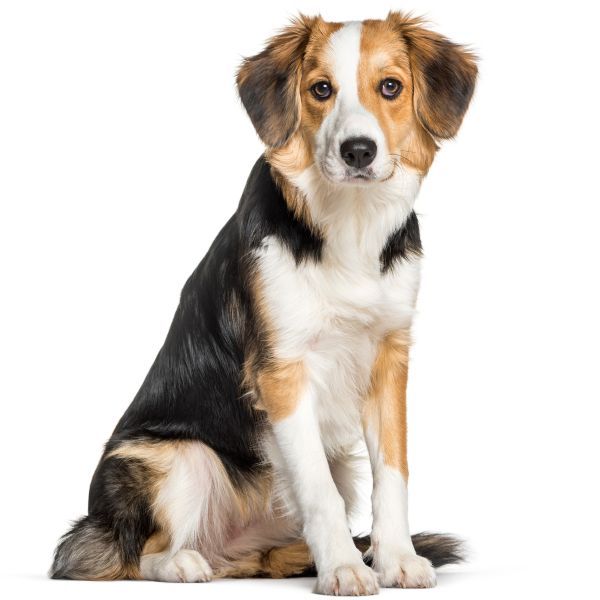
Border Collie Cross dogs are typically bright, energetic and highly responsive companions that often inherit the intelligence, stamina and work ethic associated with Border Collies. They can make excellent pets in active, engaged homes, but they are rarely a low-input dog. Many need a meaningful amount of mental stimulation and physical activity, and they generally do best with owners who enjoy training and involving their dog in day-to-day life.
| Recommended for | Active owners, sporty households and engaged families |
| Breed Classification | Crossbreed / herding-type dog |
| Other names | Border Collie x, Border Cross |
| Lifespan | Around 12 to 15 years |
| Size | Medium |
| Temperament | Intelligent, alert, energetic, responsive |
| Intelligence | Very high |
| Tendency to bark | Medium to high |
| Maintenance Level | Medium |
| Health Risk | Moderate |
Thinking of insuring a Border Collie Cross?
Explore the Top 5 health issues claimed for Border Collie Crosses, including highest claims paid and how much pet insurance could help you save on eligible vet bills.
See Border Collie Cross pet insurance Ready to get cover? Get a quick quote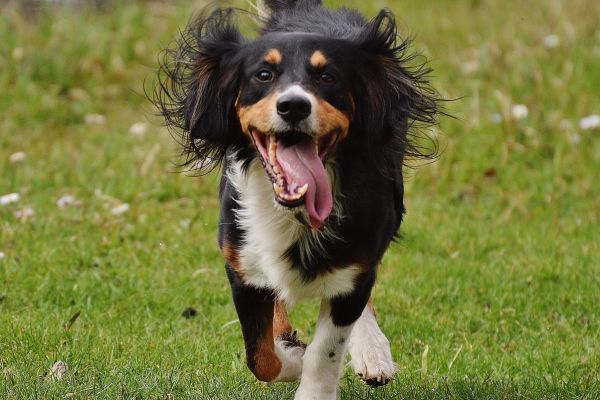
Border Collie Cross personality and temperament
Border Collie Cross dogs are often quick-thinking, observant and highly responsive to their environment. Many bond strongly with their owners and are eager to be involved in whatever is going on. They can be affectionate and loyal, but are often not content with simply being decorative companion dogs.
A common trait in this group is mental intensity. Many pick up routines quickly, anticipate patterns and become bored if there is not enough to do. That can show up as barking, pacing, destructiveness, herding behaviour or over-fixation on movement. In the right home, though, these same traits can make them exceptional companions.
Temperament can vary with the mix. Some are softer and more family-relaxed, while others are highly driven and work-oriented. Most still do best with owners who appreciate that a smart dog is not automatically an easy dog.
Border Collie Crosses with kids and other pets
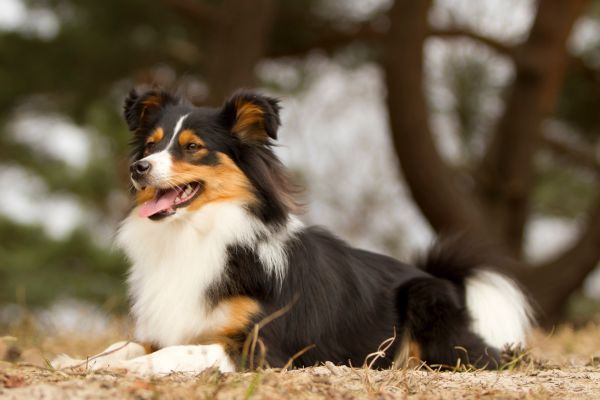
A well-socialised Border Collie Cross can be a lovely family dog, particularly in an active household where the dog is included and given plenty to do. Many are affectionate with children and enjoy being part of family routines. However, some may herd running children, bikes or other moving things, especially if they are young, overstimulated or under-exercised.
They can live well with other dogs and, in many cases, cats, but individual temperament matters. Early exposure and calm management help. Because many of these dogs are observant and reactive to movement, households with very chaotic energy may need to work harder on calmness and impulse control.
Border Collie Cross training and exercise
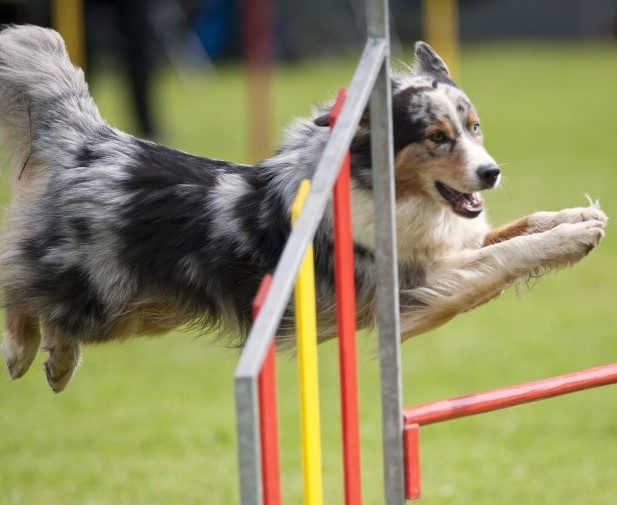
This is usually one of the more trainable crossbreed categories, but also one of the easiest to under-do. Border Collie Cross dogs often need a combination of physical activity and mental engagement. Daily walks alone may not be enough, especially for the sharper, more active individuals.
Many thrive with obedience work, trick training, fetch, agility-style games, scent work and structured play. Short, regular training sessions often suit them very well, as they tend to learn quickly and enjoy having a job. The challenge is often not teaching them something, but making sure their intelligence is channelled productively.
Exercise should be regular and appropriate to age and fitness, but owners also need to teach these dogs how to switch off. Constant stimulation without an off-switch can create a dog that is fitter and busier, but not necessarily calmer.
| Energy level | Very high |
| Exercise requirements | Very high: need plenty of daily exercise, training and mental stimulation to stay happy and well behaved. |
Common health issues for Border Collie Crosses
What do Border Collie Cross owners claim for the most?
- Joint problems – Active, athletic dogs can be affected by hip, elbow or other mobility-related issues, which may reduce comfort and performance and become more noticeable with age or heavy exercise.
- Soft tissue injuries – Dogs that run, jump and turn sharply can be more prone to strains, sprains and similar injuries, especially if fitness, recovery and exercise intensity are not well balanced.
- Eye conditions – Some herding-type dogs may be predisposed to inherited or age-related eye issues, making regular observation and veterinary attention important if vision changes or irritation are noticed.
- Skin allergies – Environmental or food-related skin irritation can lead to scratching, licking, coat thinning and general discomfort, and may flare up seasonally or persist if the cause is ongoing.
- Anxiety and stress-related behaviours – Highly intelligent dogs can become stressed, unsettled or over-reactive if they are under-stimulated, poorly matched to their home or not given enough structure and mental engagement.
Not all conditions are covered by Pet Insurance. For details of Bow Wow Meow Pet Insurance cover, refer to the Product Disclosure Statement.
How to choose the right insurance for your Border Collie Cross
When comparing cover for your Border Collie Cross, look for:

Cover for common Border Collie Cross conditions:
Check that the policy covers conditions Border Collie Crosses can be prone to, including common health issues.

Cover for hereditary conditions:
No exclusions for hereditary or congenital conditions⑅.

Flexible cover options:
Options to adjust your annual benefit limit, reimbursement rate and excess.
Bow Wow Meow's Nose-to-Tail Cover offers flexible options for your Border Collie Cross, with cover for accidental injuries, illnesses and hereditary conditions⑅. Get a quick quote for cover that suits your Border Collie Cross and your budget.
Border Collie Cross feeding and nutrition
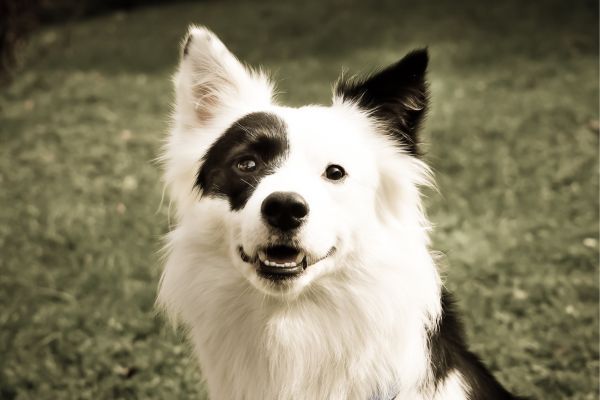
Border Collie Cross dogs usually do best on a balanced, good-quality diet suited to their age, size and activity level. Because many are naturally lean and active, owners sometimes overestimate how much extra food they need. Feeding should be based on body condition, not just perceived busyness.
Active dogs may need more calories, but all dogs in this group benefit from staying lean and athletic. Overfeeding can place unnecessary strain on joints and reduce overall fitness. Food can also be a valuable training tool, particularly in intelligent dogs that enjoy working for rewards.
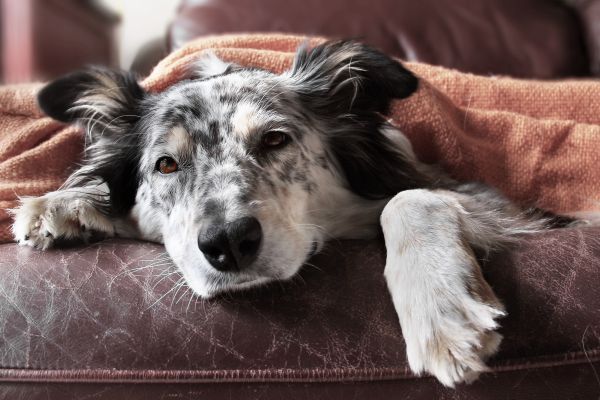
Border Collie Cross care and grooming
Grooming needs vary depending on coat type. A short-coated Border Collie Cross may need only routine brushing, while a feathered or thicker-coated dog will need more regular grooming to manage loose coat, tangles and seasonal shedding.
Beyond coat care, owners should check ears, feet and nails regularly, particularly if the dog is active outdoors. Dogs that run hard, play frequently or work on rough ground benefit from regular body checks for cuts, grass seeds and wear-related issues.
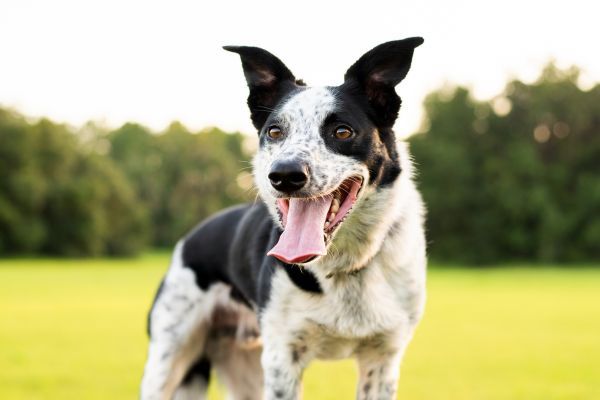
Size, appearance and coat of Border Collie Crosses
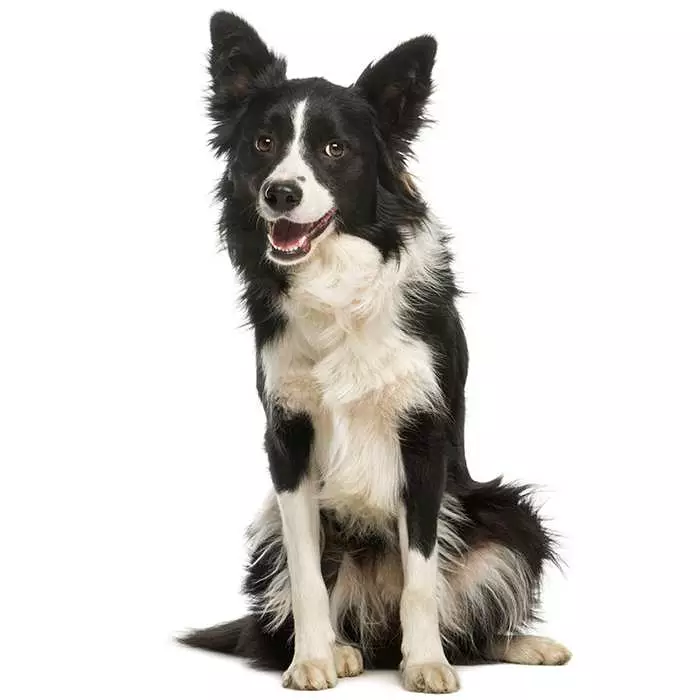
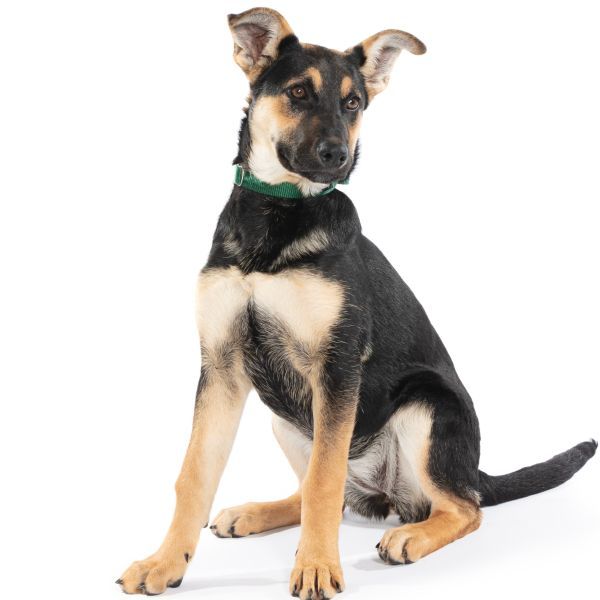
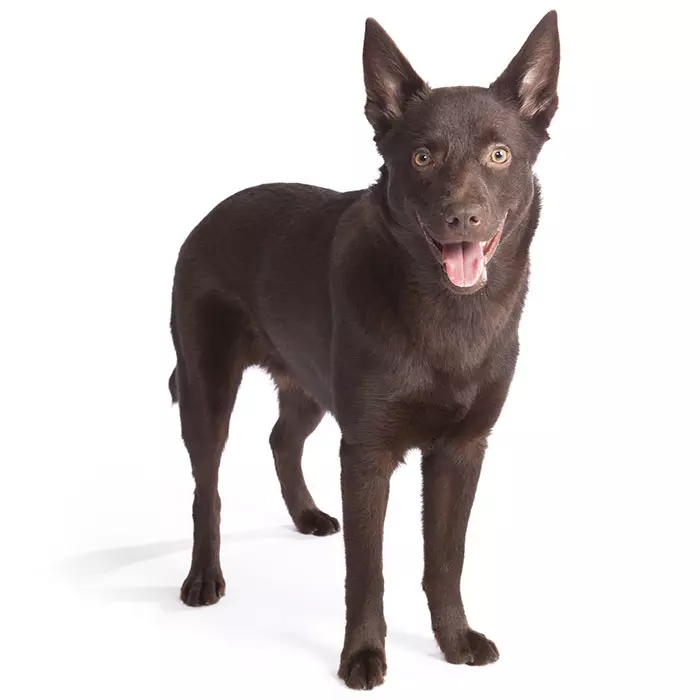
Border Collie Cross dogs are usually athletic, balanced and built for movement rather than bulk. They often have a lean but capable frame, a deep chest, agile movement and an alert, expressive face. Depending on the mix, they may look very close to a pure Border Collie or may show clear influence from another breed in body shape, head type, coat or ear carriage.
Many have bright, focused expressions and a general ‘ready to work’ appearance. Their posture often looks watchful and purposeful, and even at rest many give the impression of being switched on. Coat type varies widely, from short and easy-care through to medium-length, feathered or more heavily coated.
| Weight range | Usually around 14 to 25 kg, though some may be lighter or heavier depending on the mix. |
| Height range | Usually around 45 to 58 cm at the shoulder. |
| Colours | Often black and white, but also red and white, merle, chocolate, blue, tan, sable or tri-colour depending on the parentage. |
| Coat length | Can be short, medium or feathered, with coat texture varying from smooth to denser double coats. |
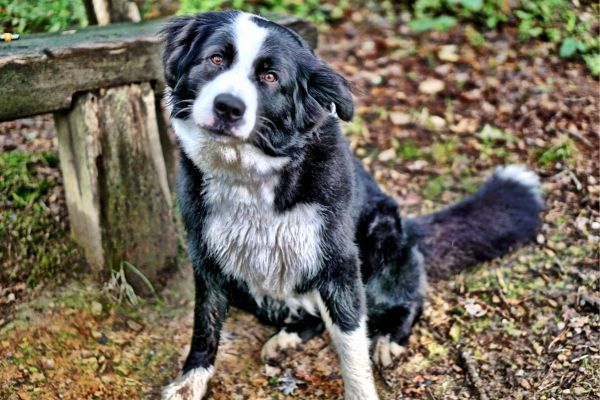
Breed history of Border Collie Crosses
Border Collie Cross dogs usually descend from a background where intelligence, movement and responsiveness have been valued, whether for stock work, sports or as active family companions. The Border Collie itself has a long history as a working sheepdog known for outstanding trainability and focus, and those qualities often show strongly even in crossbred dogs.
Some Border Collie Cross dogs come from working lines, especially in rural settings, while others have been bred simply because owners wanted a clever, active companion with a slightly different size, coat or temperament profile. That second breed can make a considerable difference. A Border Collie crossed with another herding breed may intensify the dog’s drive and sensitivity, while a cross with a companion or sporting breed may soften or redirect those traits.
What remains common across many Border Collie crosses is their mental sharpness. These are often dogs that notice everything, learn quickly and need more engagement than the average pet owner initially expects. That intelligence is a huge strength, but it can create problems when the dog is under-stimulated or mismatched to the household.
Explore related breeds
Border Collie Cross facts!
- Border Collie Cross dogs are often among the smartest dogs in the room.
- Many can learn routines so quickly that owners need to stay one step ahead.
- They often enjoy having a job, even if that job is just chasing a ball or learning tricks.
- Some will happily invent their own entertainment if they are bored.
- Their mix of intelligence and energy is a huge strength in the right home and a headache in the wrong one.
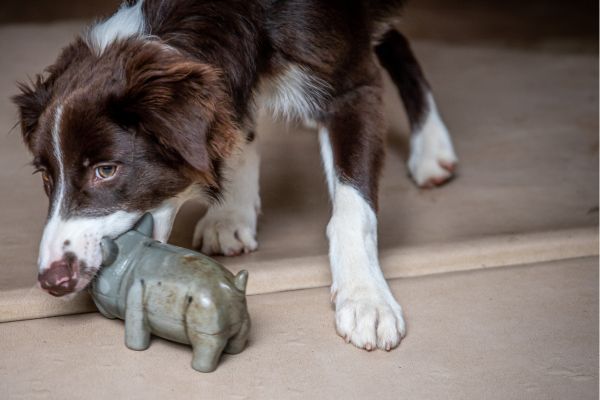
Summary
The Border Collie Cross is typically a bright, energetic and highly responsive dog, although appearance and temperament vary according to the other breed or breeds in the mix. Many inherit the Border Collie’s intelligence, stamina and strong work ethic.
These dogs generally do best in active, engaged homes where training and meaningful physical and mental activity are part of daily life. They are rarely low-input companions, so their individual drive and needs should be considered carefully.
FAQs about the Border Collie Cross
A Border Collie Cross is a Border Collie crossed with another purebred or mixed-breed dog. As a crossbreed, appearance, coat, size and temperament can vary between individuals.
They can make good family companions, but temperament can vary between individuals and, for crosses, according to the other breed in the mix. Early socialisation and consistent training are important.
Very high. They need substantial daily physical exercise plus training, problem-solving and other forms of mental stimulation.
Yes. They are highly intelligent and capable learners that usually respond very well to consistent, reward-based training and regular mental challenges.
They are generally low to moderate or moderate barkers, although barking can increase with boredom, excitement, anxiety or unfamiliar activity.
Coat type and shedding can vary considerably depending on the other breed in the mix, so neither low shedding nor a particular grooming requirement can be guaranteed.
They are generally better suited to homes with more space because of their size, energy level or working and guarding instincts, although individual circumstances vary.
They often live well with children and other pets, but some may try to herd, chase or nip at moving family members, particularly when young.
Potential health concerns include joint, eye and neurological conditions inherited from either side of the mix.
MORE INFORMATION:
The Border Collie Club of NSW: http://www.bccnsw.com/
Australian Working Dog Rescue: http://www.workingdogrescue.com.au/

Get 2 months free for your puppy!
Congrats on your new bundle of joy
To ensure your precious fur baby is covered from the start, we'd like to offer your first 2 months of our Nose-to-Tail Cover for free2!
Get a quick quote