
Is the Basenji a good family dog?


Basenji
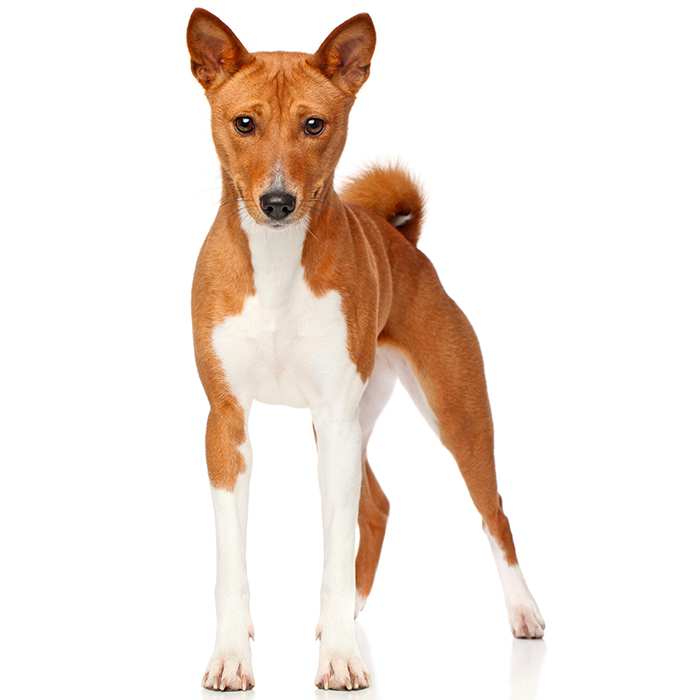
Basenjis are elegant and athletic small-to-medium dogs with a short coat, curled tail and alert, expressive face. Originally bred in Central Africa as hunting dogs, they are known for their intelligence, independence and unusual yodel-like vocalisations rather than typical barking. Generally affectionate with their family but often reserved with strangers, Basenjis can be curious, energetic and strong-willed, so they benefit from early socialisation, secure outdoor spaces and consistent, positive training.
| Recommended for | Experienced or patient owners with secure outdoor areas who can manage an independent, clever and energetic dog. |
| Breed Classification | Hound Group |
| Other names | African Barkless Dog |
| Lifespan | 13 to 14 years |
| Size | Small to Medium |
| Temperament | Independent, curious, clean and clever |
| Intelligence | Generally intelligent; best results come from patient, positive and consistent training |
| Tendency to bark | Low barking but yodels, howls and chortles |
| Maintenance Level | Minimal coat care; wipe and brush weekly |
| Health Risk | Basenjis are generally robust when well bred and well cared for, but they can still be affected by recognised breed-related conditions that should be discussed with a vet or breeder. |
Thinking of insuring a Basenji?
Explore the Top 5 health issues claimed for Basenjis, including highest claims paid and how much pet insurance could help you save on eligible vet bills.
See Basenji pet insurance Ready to get cover? Get a quick quote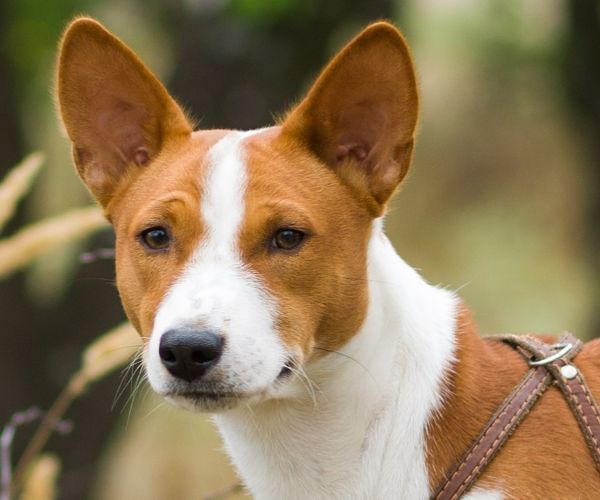
Basenji personality and temperament
The Basenji is an intelligent, independent and curious breed with a distinctive personality. Originally bred as a hunting dog, it is alert, agile and often has a strong prey drive, making it quick to notice movement and changes in its surroundings.
Basenjis can be affectionate with their families but are often reserved with strangers and less openly dependent than many companion breeds. They are clever and self-directed, so training requires patience, consistency and creativity, especially in secure environments where their curiosity can be safely managed.
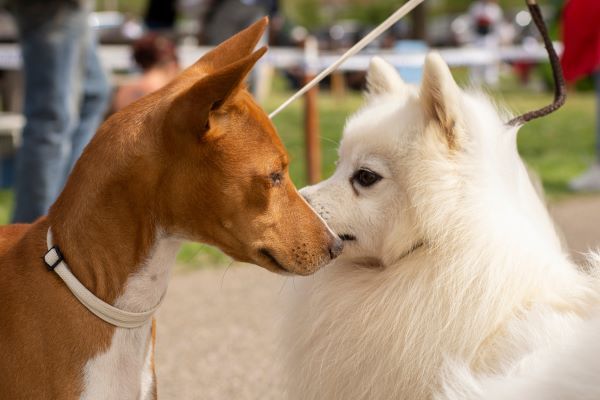
Basenjis with kids and other pets
Basenjis can be affectionate with family members, but they are usually better suited to homes with older children who understand boundaries. They are independent, active and sometimes mischievous, so they may not enjoy rough handling or chaotic play from very young children.
With other pets, Basenjis require careful management. They can live with other dogs and cats if raised together, but their strong prey drive means small animals such as rabbits, guinea pigs or birds may trigger chasing behaviour.
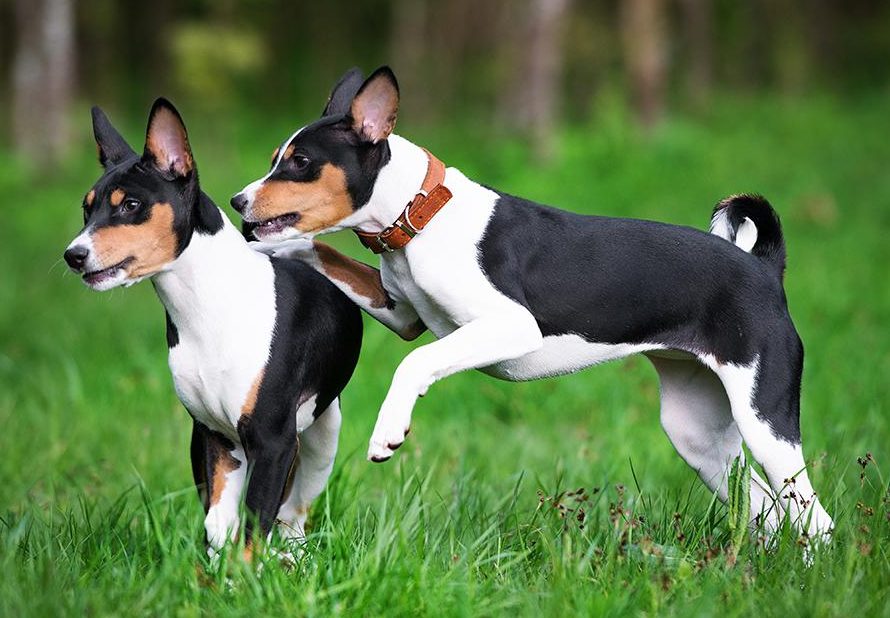
Basenji training and exercise
Basenjis need regular daily exercise, including brisk walks, play sessions and secure running time. They are agile, athletic and curious dogs that enjoy exploring, but their strong prey drive means off-lead exercise should only take place in safely enclosed areas.
Training a Basenji requires patience, creativity and consistency. They are intelligent but independent, and they may not always be eager to obey repeated commands. Positive reinforcement, short sessions and early socialisation are important, along with careful management of recall and chasing instincts.
| Energy level | High |
| Exercise requirements | High - secure walks, play, scent games and sprints |
Common health issues for Basenjis
What do Basenji owners claim for the most?
- Fanconi syndrome: A kidney tubule disorder where essential nutrients, electrolytes and glucose are lost in the urine instead of being reabsorbed. Signs may include excessive thirst and urination, weight loss, weakness, poor coat condition and, in severe cases, kidney failure.
- Progressive Retinal Atrophy: An inherited eye disease where the retina gradually deteriorates, usually first causing night blindness and then progressive vision loss. It is generally not painful, but it can eventually lead to complete blindness.
- Hip dysplasia: A developmental condition where the hip joint forms abnormally, causing looseness, pain and reduced mobility. Genetics are a major factor, while rapid growth, excess weight and inappropriate exercise can worsen symptoms. Early diagnosis, weight control and veterinary care can help manage the condition.
- Hypothyroidism: A hormonal disorder where the thyroid gland does not produce enough thyroid hormone, slowing the dog’s metabolism. Common signs include weight gain, lethargy, hair thinning, skin infections and cold intolerance.
- Pyruvate kinase deficiency: An inherited enzyme disorder that causes red blood cells to break down too quickly, leading to chronic haemolytic anaemia.Signs may include lethargy, weakness, poor exercise tolerance, pale gums, enlarged spleen or liver and poor growth.
Not all conditions are covered by Pet Insurance. For details of Bow Wow Meow Pet Insurance cover, refer to the Product Disclosure Statement.
How to choose the right insurance for your Basenji
When comparing cover for your Basenji, look for:

Cover for common Basenji conditions:
Check that the policy covers conditions Basenjis can be prone to, including common health issues.

Cover for hereditary conditions:
No exclusions for hereditary or congenital conditions⑅.

Flexible cover options:
Options to adjust your annual benefit limit, reimbursement rate and excess.
Bow Wow Meow's Nose-to-Tail Cover offers flexible options for your Basenji, with cover for accidental injuries, illnesses and hereditary conditions⑅. Get a quick quote for cover that suits your Basenji and your budget.
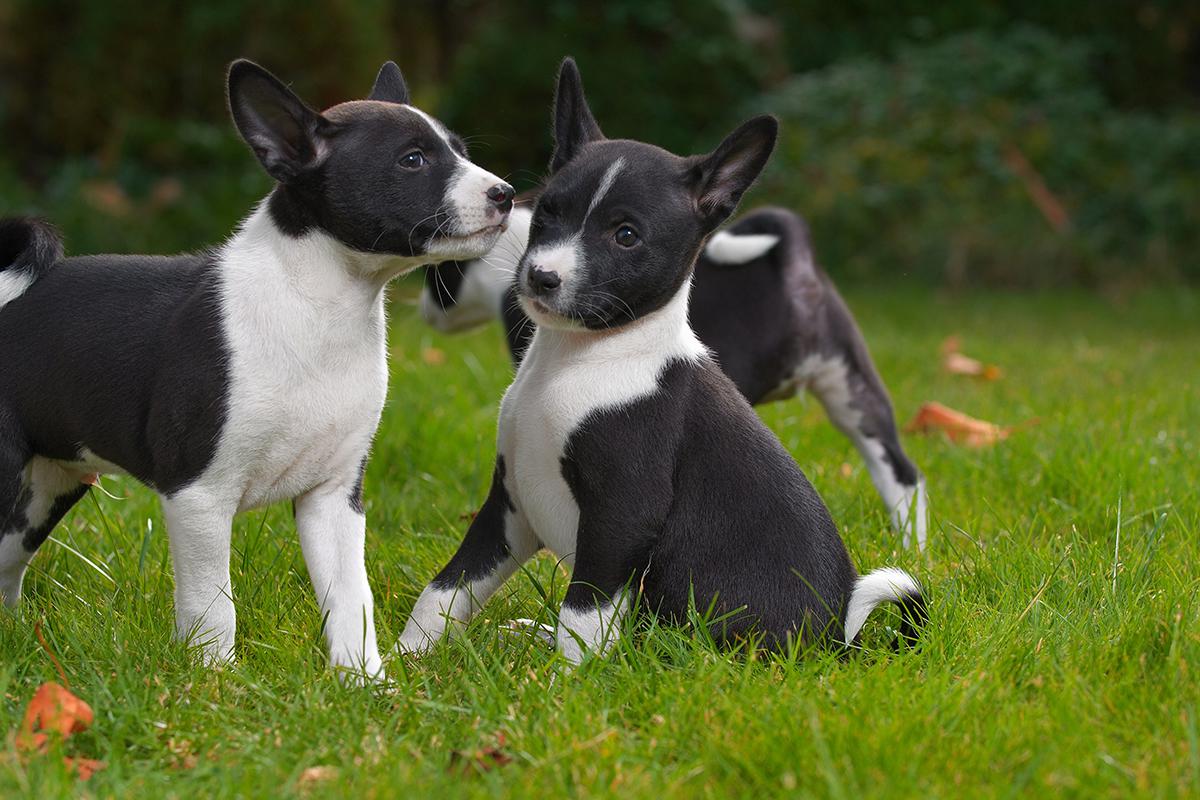
Basenji feeding and nutrition
The Basenji needs a balanced diet that supports its lean, athletic body and active nature. High-quality protein helps maintain muscle, while moderate healthy fats provide energy without encouraging unnecessary weight gain.
Basenjis are naturally light and agile, so keeping them at a healthy weight is important. Meals should be measured, and treats should be limited, particularly as they can be clever food seekers. A digestible diet with minimal unnecessary additives may suit dogs prone to stomach sensitivity.
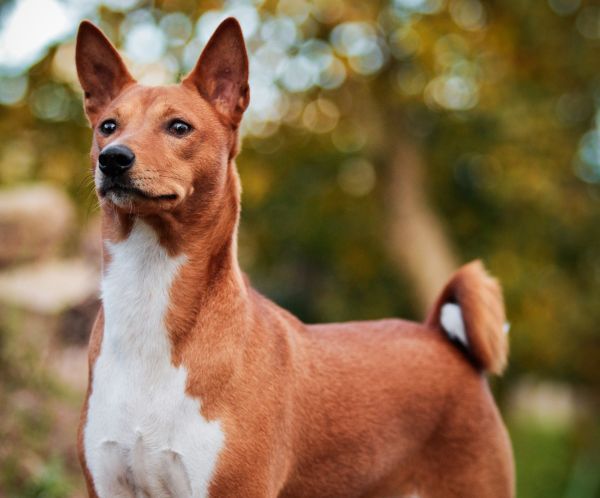
Basenji care and grooming
The Basenji has a short, fine coat that is relatively easy to care for. Weekly brushing with a soft bristle brush, grooming mitt or rubber curry brush helps remove loose hair and keep the coat sleek. Basenjis are naturally clean dogs and often groom themselves in a cat-like manner.
Bathing is only needed occasionally, as the breed typically has little doggy odour. Grooming should still include regular nail trimming, as Basenjis can be active and agile, and overgrown nails may affect movement. Routine ear checks and dental care are also important for long-term health.
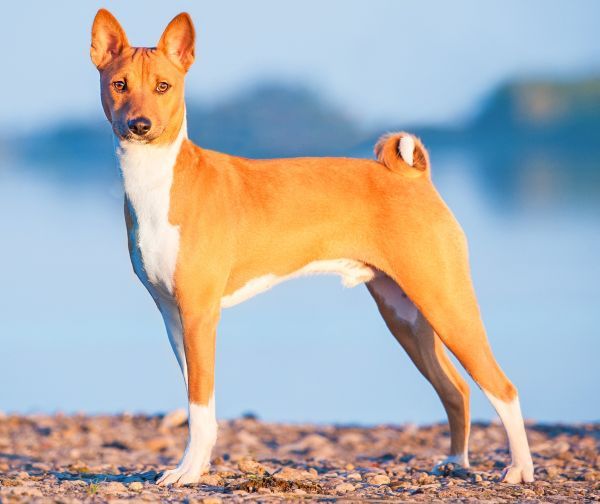
Size, appearance and coat of Basenjis
The Basenji is a small-to-medium, finely built dog with a light, athletic frame and a poised, elegant appearance. It has a wrinkled forehead, almond-shaped eyes, erect ears and a tightly curled tail, giving it a curious and highly alert expression.
Its coat is short, fine and smooth, lying close to the body with very little bulk. Basenjis are commonly seen in red and white, black and white, tricolour or brindle and white, usually with white feet, chest and tail tip.
| Weight range | 9 to 11 kg |
| Height range | 40 to 43 cm |
| Colours | Red, black, tricolour or brindle, usually with white |
| Coat length | Short, fine, low-maintenance coat |
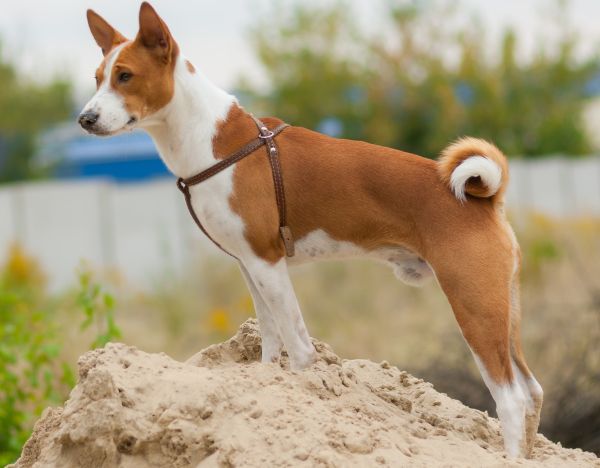
Breed history of Basenjis
The Basenji has deep roots in Central Africa, where small, agile hunting dogs were used to drive game into nets and work efficiently in dense terrain. Dogs resembling Basenjis appear in ancient art, but the modern breed was established from African stock valued for speed, cleverness, independence and unusual vocalisations.
Early attempts to import Basenjis into Europe were difficult because many dogs died from disease soon after arrival. Successful breeding programs in Britain and later North America eventually established the breed outside Africa, preserving distinctive traits such as the curled tail, prick ears, clean habits and yodel-like voice.
Explore related breeds
Basenji facts!
- The Basenji is an ancient breed type that has roots in Central Africa.
- It is theorised that Ancient Pharaoh’s kept them as pets, and there is ongoing debate as to whether it was the Basenji or the Greyhound depicted in the drawings of Tasems.
- Basenjis engage in cat-like grooming and are also similar to cats in their dislike of water.
- The Basenji is famously “barkless,” but it makes a distinctive yodel-like sound often called a baroo.
- Females typically come into heat only once a year, unlike most dog breeds, which usually cycle about twice yearly.
Summary
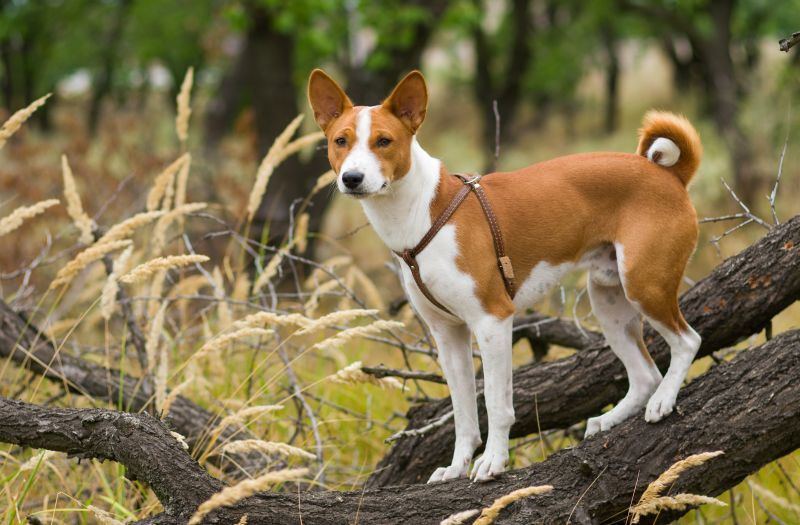
The Basenji is a small-to-medium, athletic breed with a short coat, curled tail, upright ears and distinctive alert expression. Independent, curious and clever, Basenjis are famously “barkless” but can make yodel-like sounds, and they often behave more like self-directed hunters than eager-to-please companion dogs.
They need secure exercise areas, patient training, mental enrichment and careful management around small animals due to their strong prey drive.
FAQs about the Basenji
It can be, provided the household matches the breed’s exercise, training, grooming and supervision needs.
High – secure walks, play, scent games and sprints.
Shedding depends on coat type, season and grooming routine. The breed has a short, fine, low-maintenance coat.
No. While some individuals may shed less than others, no dog breed is truly allergy-free.
Most respond well to positive, consistent training, but owners should work with the breed’s instincts rather than against them.
MORE INFORMATION
The Basenji Club of New South Wales: https://www.basenjiclubnsw.com/
Basenji Club of Victoria: http://www.basenjiclubvic.org.au/

Get 2 months free for your puppy!
Congrats on your new bundle of joy
To ensure your precious fur baby is covered from the start, we'd like to offer your first 2 months of our Nose-to-Tail Cover for free2!
Get a quick quote