How to manage inappropriate urination in cats

Summary
Urinating outside the litter tray can signal medical problems such as urinary infection, crystals, pain or kidney disease, or behavioural stressors like territory disputes and dirty trays. A vet exam and urine tests come first. Improve hygiene, tray access and litter choice, reduce stress and consider pheromones. Treating the underlying cause and making gradual changes usually restores normal toileting.
What is inappropriate urination in cats?
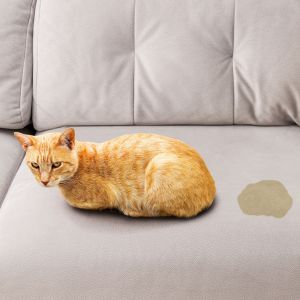
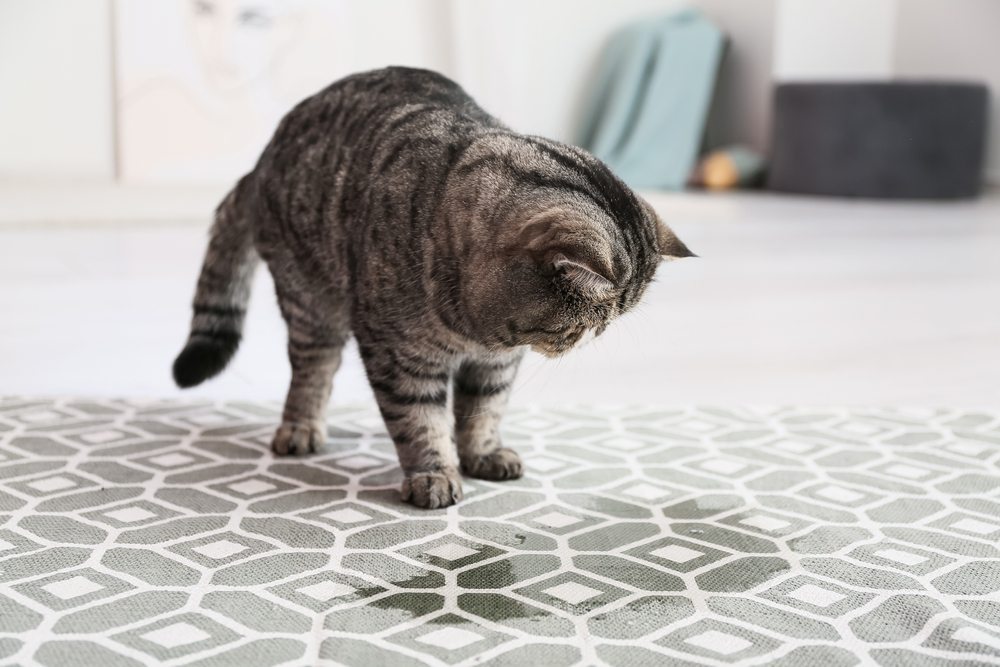
Inappropriate urination is a term that describes the common but undesirable feline behaviour of urinating outside of the litter tray. Cats urinate for two distinct purposes: to empty their bladder when it is full, and to “mark“ or define their territory, also known as spraying. Generally, cats are clean creatures who usually prefer to urinate in their litter tray, and inappropriate urination is a sign there is either a medical or behavioural issue that needs to be addressed.
Inappropriate urination is the most common behaviour problem reports by cat owners – in fact, it’s estimated that 10% of all cats will eliminate inappropriately at some point in their lives. Although cats have a reputation for fastidious cleanliness, inappropriate urination is one of the most common complaints of cat owners. In fact, many cats are turned outside, given away, or even prematurely euthanised because of this frustrating, messy and smelly problem.
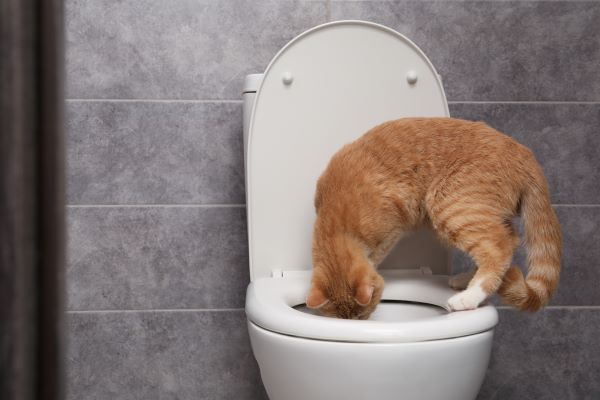
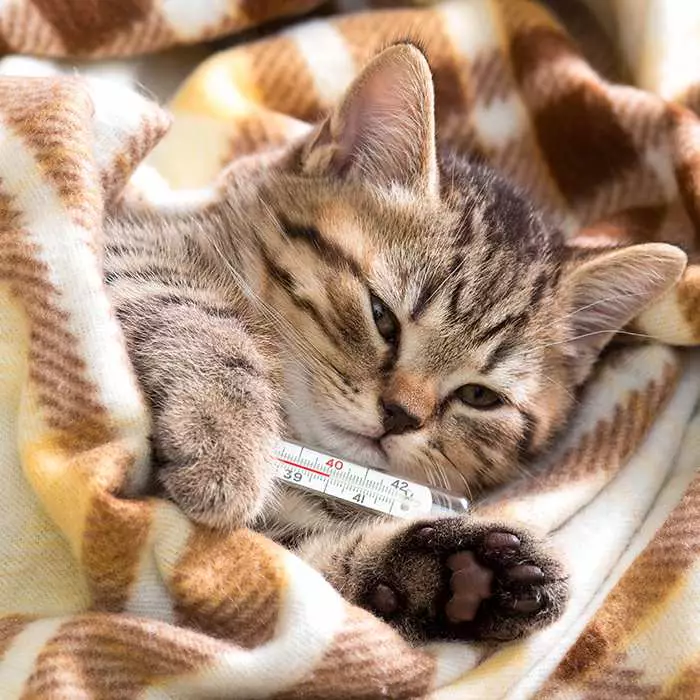
In all cases, there should be a priority to investigate for an underlying medical condition causing changes in urinary behaviours. This is most commonly an issue involving the urinary tract but sometimes a systemic disease is responsible. Initial investigation will involve a veterinary physical examination, assessment of a urine sample where possible and potentially blood tests or imaging (ultrasound or x-ray) if indicated.
When there are no abnormalities on initial assessment and workup of an inappropriately urinating cat, there may be a behavioural cause for a cat’s inappropriate urination. Cats can be frequently stressed by various social and environmental changes to their lifestyle and routines, and this can manifest as excessive urine marking or spraying in undesirable locations.
Expert advice from Dr Felicia:
The vast majority of indoor cats want to urinate in their litter tray. When they are urinating outside their tray it is a red flag that something is medically wrong, or there are some significant stressors to your cat’s wellbeing that need to be addressed.
It is important to consult your vet if your cat’s urinary habits suddenly change because some underlying diseases behind these behaviours could have serious consequences and may even constitute an emergency if there is a urinary blockage. If there is no medical problem, there is usually a behavioural component driving the change, which could include aversion to the litter box, a preference for urinating in a specific place, or a conflict with another cat or other stressful situation. Treatment will be directed at the underlying cause and may entail medical and/or behavioural interventions. These may entail anti-anxiety medication, improving the litter tray hygiene and/or minimising stressors in the home.
Continue reading below to learn more about inappropriate urination in cats or jump ahead to:
- Symptoms of inappropriate urination in cats
- Causes of inappropriate urination in cats
- Diagnosis of inappropriate urination in cats
- Treatment for inappropriate urination in cats
Types of inappropriate urination
The term “inappropriate elimination” is not a specific condition or illness; rather, it’s a category of toileting issues that usually have a medical or behavioural cause. It has also been termed as “undesirable elimination behaviour” by some animal behavioural experts, who see these urinating behaviours as not “inappropriate” for the cat – only for the owner. This is because cats urinate for two distinct reasons – voiding and urine marking – both of which are “normal” cat behaviours.
In most cases, inappropriate urination results from one of the following circumstances: an infection or inflammation in the bladder causing an increased urge to urinate, difficulty in urine voiding, an increase of urine marking, or an aversion to the litter tray. A visit to the vet to discuss the behaviours and circumstances surrounding the inappropriate urination, a physical examination and assessment of your cat’s urine will identify the most likely culprit.
Expert advice from Dr Felicia:
If in doubt, call your vet to check if you need to bring in your cat as a matter of urgency. Male cats straining to urinate can have a blocked urethra which is a medical emergency and cause them to become very sick and even die.
Bladder infection or inflammation
Discomfort in your cat’s bladder can be due to different reasons, ranging from inflammation due to stress, urinary tract infections, bladder stones or crystals, or masses in the bladder. When the bladder is inflamed cats will feel the urge to urinate frequently, and may do this in an inappropriate location. You may note a bad odour associated with the urine due to the infection or see a change in urine colour or even presence of blood in the urine.
Voiding difficulties
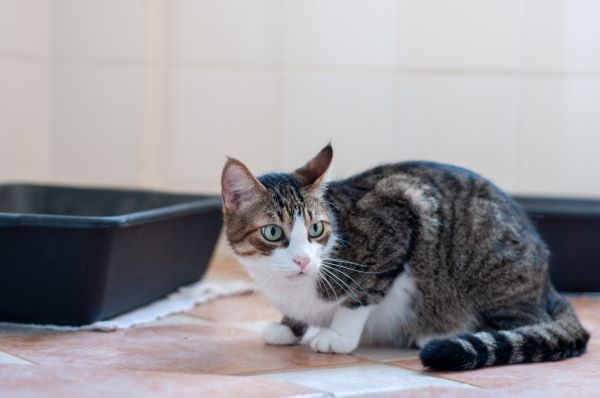
Voiding entails emptying the bladder because it feels full. Cats that cannot void urine normally may try to urinate often, but urination is slow and painful and only a small amount of urine is expelled. When the bladder does not empty properly, it can become stretched out and begin to overflow and leak, and over time the cat may develop incontinence. Often, the cat with a voiding difficulty cannot reach the litter tray in time and consequently, inappropriate urination occurs in the form of incontinence.
Urine marking behaviour
Urine marking entails deliberate, overt urination, usually in socially significant or obvious areas. The cat marks while standing up, with the tail raised and quivering, by directing a small stream of urine backwards onto a vertical surface, such as a wall, curtain, back of chair or door. Marking on a vertical surface is termed spraying.
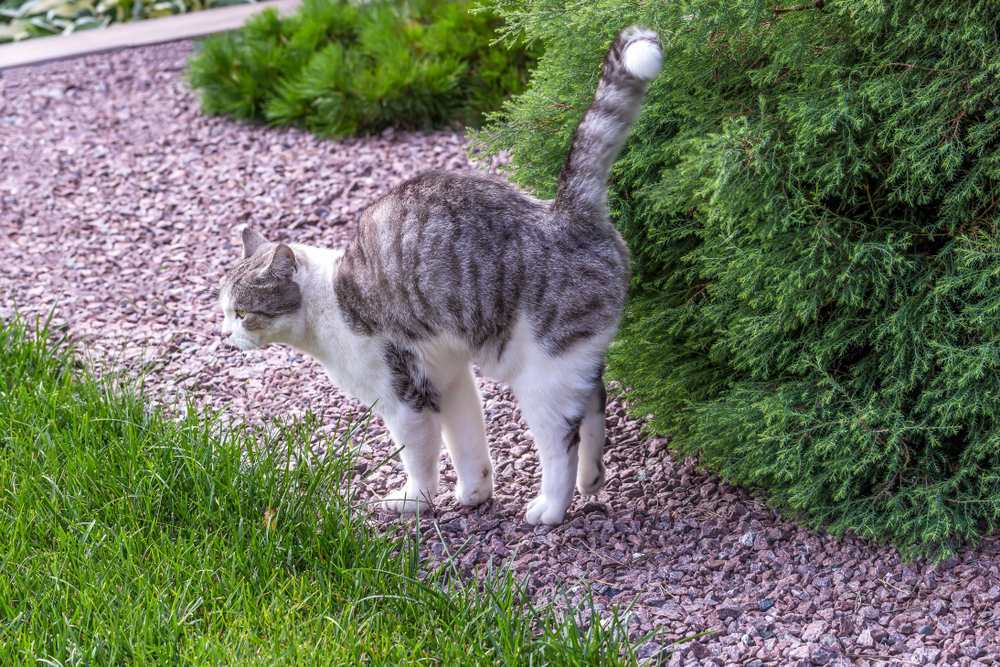
Urine marking is a form of communication used by cats. Its purpose is to leave a message for other cats; i.e., to announce his or her presence, to delineate territorial boundaries, or to advertise that he or she is ready to mate. Cats that feel safe in their environment, who have no conflicts and are spayed or neutered (so don’t need a mate) have little reason to mark, and probably will not do so. However, if they are anxious, insecure or want a mate, they will probably react by marking their territory.
Approximately 30% of cats that urinate inappropriately are engaging in urine marking behaviour. Urine marking is most common in unneutered male cats, and, to a lesser degree, unspayed females, but 10% of neutered males and 5% of neutered females also spray. In households with more than seven cats, it’s likely that one or more of the cats will spray. Cats who are desexed and live alone who are spraying may be doing so in response to another cat who is perceived to be coming into their territory.
Litter tray aversion
Cats may urinate inappropriately if they develop an aversion to some characteristic of their litter tray. There are numerous reasons why litter tray aversion may occur in a cat that has previously used the litter tray without any issues – these may be behavioural (the cat doesn’t like the type of litter used) or psychological (the cat was frightened while in the litter tray and now associates the tray with fear). Once the cat begins to avoid the litter tray, she may then develop an alternate preference for urination – on a particular surface in a certain location, for example – and the problem can become a chronic one.
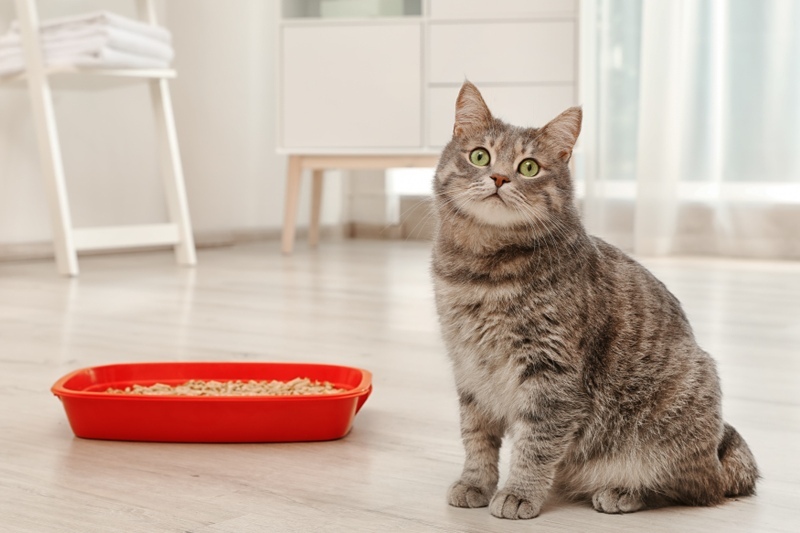 To learn more about litter tray aversion and how to manage it, see this article.
Symptoms of inappropriate urination in cats
It is not always straight-forward to determine if a cat is urinating outside of the litter tray because of bladder discomfort, a litter tray aversion, a voiding difficulty, or for urine marking purposes. In all of these situations, the cat may continue to urinate in the box from time to time. However, there are some distinctive symptoms that may help us distinguish between them – if we are willing to do a bit of unpleasant – and smelly – detective work.
Symptoms of bladder infection or inflammation
- Urination occurs inside and outside the litter tray
- There is frequent straining to urinate noted with some vocalisation, usually only small amounts of urine are produced
- There may be a change to the odour or appearance of the urine
Symptoms of urine voiding problems
- Urination occurs in different places, often close to the litter tray
- Urine puddles outside the tray usually are large
- Urination occurs on a variety of surfaces (tile, carpet, floorboards)
- Cat has difficulty entering or leaving the litter tray
Symptoms of urine marking problems
- Urine is sprayed on to vertical surfaces such as walls in small volumes
- Cat displays distinctive behaviours while spraying (cat backs up to wall or object, tail quivers, appears trance-like, vocalises, kneads the paws, ejects rapid squirt of urine)
- Urination usually occurs in a specific place or surface each time (on the owner’s bed or clothing, on carpets or rugs, near a door or window)
- Urine has a pungent smell (because it contains extra chemicals for communicating)
Causes of inappropriate urination in cats
Inappropriate urination can be strictly medical, behavioural or a combination of both. Some cats will have inappropriate urination due to medical symptoms secondary to stress.
Medical causes
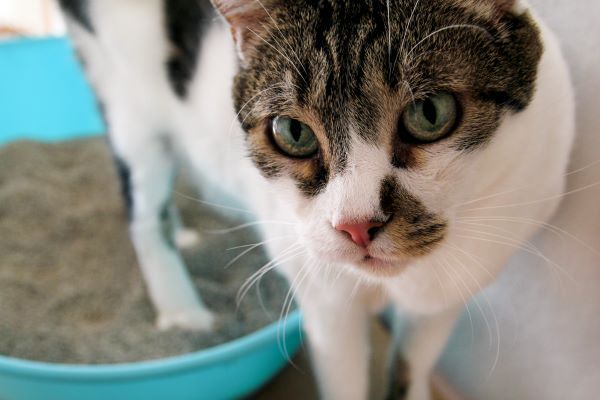
Your cat may have a medical condition affecting her urinary tract, which can interfere with urination. There are many such conditions, including bladder stones, bacterial infections, and a group of inflammatory diseases of the bladder and urinary tract, which cause painful urination and an increased urgency to urinate. Other systemic conditions can also cause problems with urination, including metabolic diseases, nervous system disorders and cognitive decline. While many of these conditions can be painful and debilitating, it is important to be aware that affected cats do not always act sick. In fact, inappropriate urination is often the first sign of clinical disease that cat owners notice.
Common health issues which may affect urination include:
- Urinary tract infection (UTI) – the cat frequently enters the litter tray but produces only small amounts of urine. Learn more about UTI in cats.
- Feline interstitial cystitis – the cat eliminates outside the litter tray because of the urgency to urinate and associated pain of urination (a life-threatening condition that occurs mainly in young adult cats).
- Bladder stones or blockage – the cat frequently enters the tray, experiences pain and mews or cries when she tries to eliminate; her abdomen may be tender to the touch.
- Feline lower urinary tract disease (FLUTD) – the cat urinates frequently and painfully, producing small amounts, with blood in the urine. Learn more about FLUTD.
- Kidney and liver disease – these can cause the cat to drink more and urinate more frequently, leading to a failure to use the litter tray.
- Metabolic and hormonal disturbances such as diabetes and hyperthyroidism – common feline conditions that cause excessive drinking and urination.
- Age related cognitive (brain function) decline– this can lead to changes in elimination habits, including house soiling.
- Conditions affecting the nerves, muscles, or joints – these can lead to pain, discomfort, stiffness or weakness that affect the cat’s ability to get to the litter tray, climb into the litter tray, or get into a comfortable position in the tray.
- Arthritis – usually occurs in older cats, who often urinate next to the tray or near it because they cannot squat properly or cannot step into a high-sided tray. Learn more about arthritis in cats.
Expert advice from Dr Felicia:
In desexed indoor cats, the most frequent cause of inappropriate urination is stress cystitis or a urinary tract infection. This can be easily identified by looking for characteristic changes in a urine sample such as red blood cells, white blood cells and or bacteria/crystals. Some cats may be serial offenders and benefit from environmental modification as well as dietary changes to try and minimise recurrence.
Behavioural causes
If a medical cause for inappropriate urination is ruled out, there is likely to be an underlying behavioural cause. There are various behavioural reasons why cats may begin to urinate inappropriately. According to a prominent veterinary manual, “some of these are related to the litter box, while others reflect social conflicts and involve anxiety or aggression.”
Incomplete toilet training
Some cats may have never had consistent toilet training or developed a solid preference or acceptance of using a litter tray. This can include cats who are accustomed to toileting outside or who were brought into the home as strays or rescues.
Stress and anxiety
Cats can become acutely or chronically unwell as a result of stress. Stress can affect many systems in the feline body, including the urinary tract, bowels and skin, leading to ongoing or recurrent health problems such as urinary tract infection, irritable bowel and dermatological (skin) conditions.
Additionally, stress in cats can result in a medical condition called cystitis where the bladder is inflamed, causing frequent voiding of small amounts of urine. Some cats will also mark their environment in response to stress or anxiety.
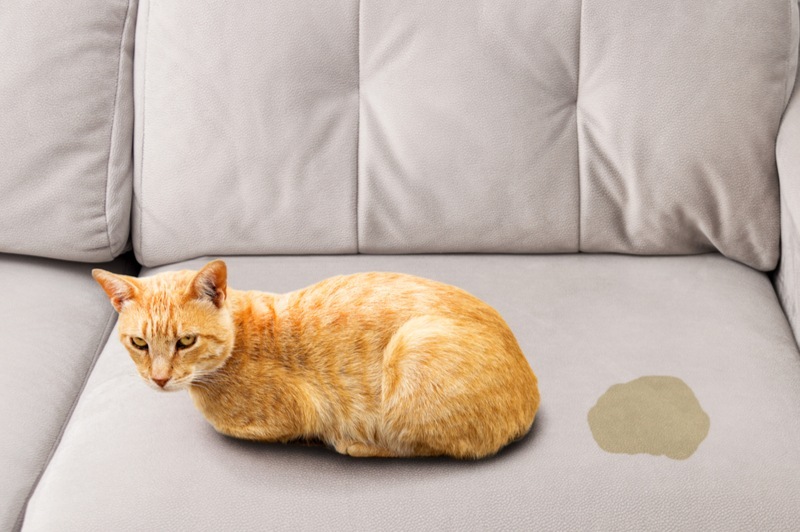
As well as toileting issues, there may be other behavioural clues your cat is feeling stressed and anxious; these include hiding, avoiding things, being over or under-active, not playing, changes in appetite, excessive grooming, losing hair, fighting with other cats in the home, and mood changes such as being grumpy, irritable or aggressive.
Social stress
Social stress is a large contributor to inappropriate urination. Cats are highly territorial animals who can be reluctant to accept new individuals – feline or otherwise – into the household. Expecting cats to live together harmoniously in our houses is often unrealistic and can sometimes be highly stressful for one or more cats involved. This can lead to territorial anxiety, which then leads to inappropriate urine marking in order to reassert territorial boundaries.
Environmental stress
Cats are generally sensitive creatures who do not cope well with change or disruptions to their environment. Any changes in the home, from a new baby to rearranging the furniture, can lead to feelings of frustration, stress, or anxiety. Even sensory input such as temperature, weather conditions, sights, sounds and smells can greatly affect a cat’s mood and behaviour.
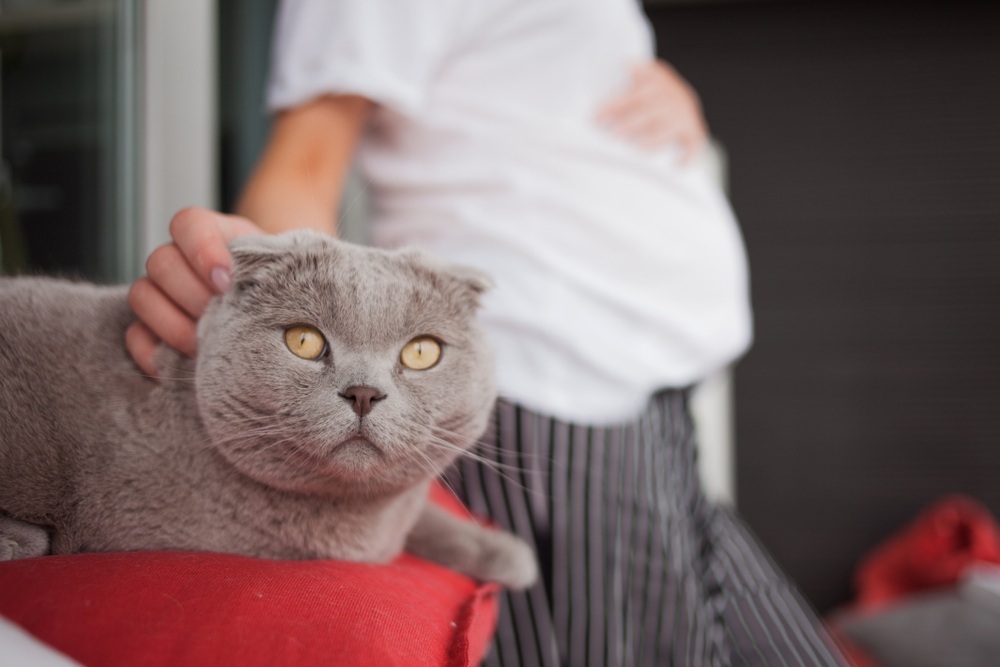
Potential stress-inducing situations in the home environment include:
- A new person, cat or other animal in the home or visiting
- Moving to a new home
- A home renovation
- New furniture
- Prolonged or sudden absence of the owner, or their return after an absence
- Death of a family pet
- A new cat or other animal next door or nearby
- Noisy construction work nearby
- Change of diet
- Change of routine
Multiple causes
There may be a combination of medical and behavioural reasons why your cat is urinating appropriately. Additionally, one cause may lead to another. For example, a cat with a medical condition such as a urinary tract disorder that can’t make it to the litter tray in time will urinate wherever she is. She may then develop a preference for the new site and continue to urinate there. Or, she may associate the litter tray with pain and then avoid it.
How is inappropriate urination in cats diagnosed?
Consult your veterinarian as soon as possible if your cat begins to urinate inappropriately. There are several painful and debilitating medical conditions that can lead to inappropriate urination, and it is vital to either rule these out, or diagnose and treat them, as soon as possible. Be aware that cats with medical conditions do not always act sick. Urgency is important because some urinary tract-related diseases such as a urinary blockage in a male cat can be emergencies requiring immediate action.
The vet will conduct a physical examination of your cat and carry out a urin analysis and, if necessary, additional diagnostic tests such as blood tests, radiographs or a urine culture. Some urinary problems can be transient or recurrent so repeated tests may be needed to diagnose the problem. Conditions to rule out are dependent on the age of the cat, as young adult cats tend to get different diseases from senior cats. If all medical conditions are excluded, your vet will look for behavioural causes of the problem.
 Your vet will take a detailed behavioural history of the problem by asking questions about how and where the accidents occur, litter tray details (including the number and location of trays, cleaning routines, and type of litter), and the home environment. The vet will also enquire about the onset, frequency, duration and progression of the problem. Note that if the cause is behavioural, it is still important to address it promptly – the longer the behaviour persists, the more likely it is to become a habit.
When there are multiple cats in the home, it may be difficult to determine which one is responsible for the inappropriate urination and you may need to separate the cats to understand which one is responsible for the behaviour. Another option is to set up a camera to record the soiling behaviour if it usually occurs in the same spot. This may also help to distinguish between urine marking and other forms of house soiling.
Treatment for inappropriate urination in cats
Your veterinarian can help you to identify the best treatment program for your cat, which will depend on the underlying cause and severity of the problem. The various treatment options may be used individually or in combination; for example, if anxiety is determined as the cause, medication and behaviour modification techniques may both be used. A full resolution is possible, but this depends on early intervention, correct diagnosis of the underlying cause, and time and effort to resolve the problem. Monitoring of treatment progress is important. Be sure to note and record any changes in behaviour so it is clear whether the treatment interventions are working.
Treatment options include:
- Antibiotics if there is an infection present
- Managing any social and/or environmental stressors in the home or neighbourhood where possible
- Changing the toileting set-up to make it more appealing for the cat to use
- Prescribing anti-inflammatory/pain relief medication for bladder inflammation
- Anxiety medication, pheromones and nutritional supplements may also be considered where appropriate
Managing social and environmental stressors
Stressors within the home or neighbourhood may be the reason behind inappropriate urination in cats. Cats tend to spray inappropriately when they perceive a threat to their territory, such as a new cat entering the home or outside cats being close by. They may also spray if they are frustrated with their environmental circumstances, for example, being on a new or restrictive diet, having insufficient playtime, or in response to the smell of new furniture or carpeting. Try as best as possible to ease your cat’s frustrations. If you are introducing a new diet, do it gradually or discontinue it until the spraying is under control. If boredom may be a factor, try to increase your cat’s playtime.
It is essential to address any social stress occurring within the home. Where tension exists in multi-cat households and cats do not get on well, there can be conflict over important resources such as the toileting area – often, cats are not comfortable sharing a toilet.
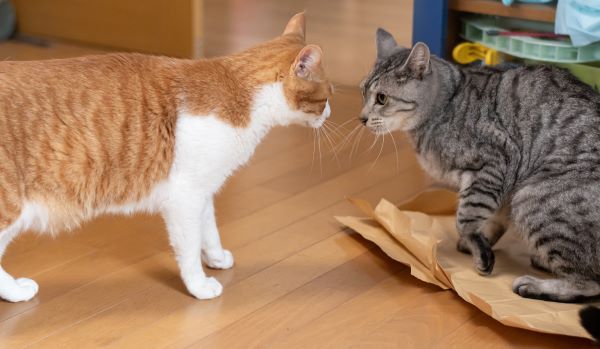
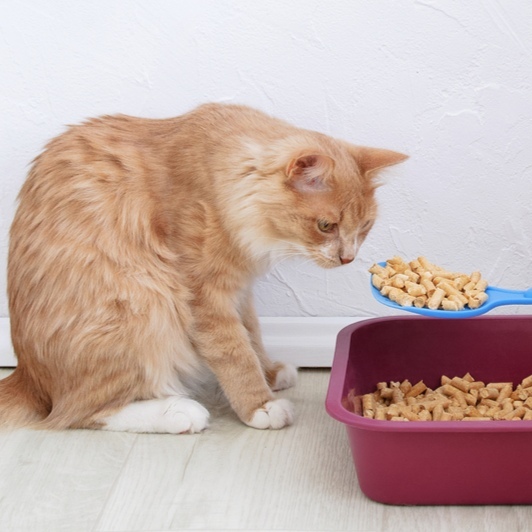
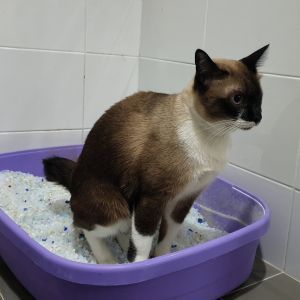
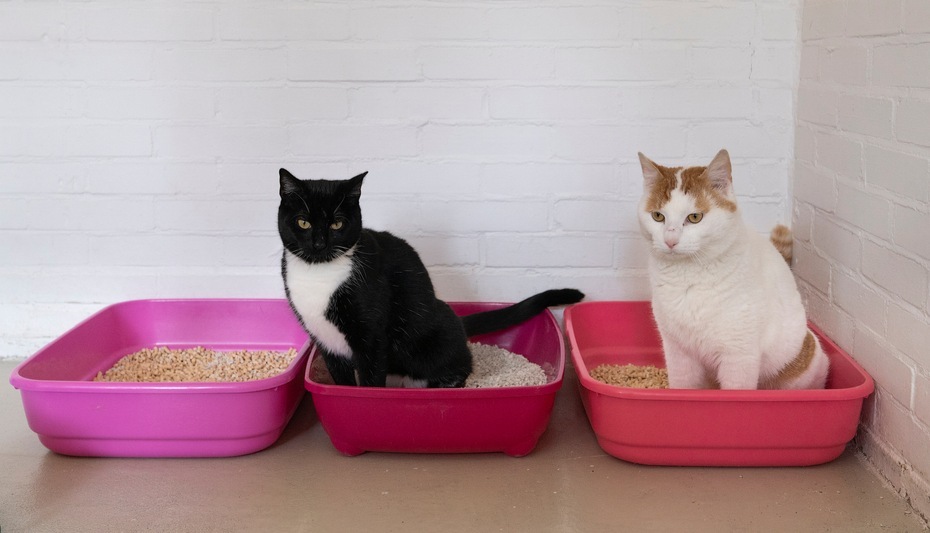
Spraying can result from territorial disputes between cats in the same household. They may need to be separated for a while and reintroduced slowly, using food treats to reward and encourage peaceful behaviour. It is vital to provide multiple litter trays throughout the house – as many as there are cats in the house, plus one extra. This decreases competition and gives each cat a tray of his or her own. If a new cat is brought into the home, provide additional trays in separate areas of the house.
Consider whether another animal or an incident has perhaps traumatised the cat while she was in the litter tray, as this may have made her afraid to use the tray. If she has had a traumatic experience such as being attacked by another cat, having something fall on her, she may not be comfortable using the tray in that spot ever again. Try to position the tray so that she has more than one way out (i.e. it’s not surrounded on three sides) and where she can see anyone approaching; this will give her more confidence while she’s using it and make her less vulnerable to ambush.
Stressors from outside the home are usually more difficult to control but it’s important to try to identify any such stimuli that may be causing your cat to spray. If you have neighbourhood cats that visit, try to block your cat’s view of them through the windows by closing blinds or curtains and prevent her from jumping onto windowsills by placing double-sided tape on them. If possible, deter outside cats from approaching the house – motion detectors that trigger sprinklers are one way to do so!
If another cat has left their odour around the house or backyard, which has led to a change in your cat’s urinating habits, it is important to eliminate the other cats’ smells. Cleaning the affected area, as well as any objects or materials touched by the other cat, may help to reduce the stress your cat is feeling and prevent her from feeling the need to mark her territory. Always ensure that all cleaning products and deodorisers are safe for use around cats.
Modifying toileting behaviours
Most cats will instinctively use a litter tray from a very early age. However, if your cat has consistently urinated outside of the tray, it is possible that she has never grasped proper use of the tray, in which case you may be able to re-train her to use it correctly.
You can try and place some of her urine in the litter so she knows where she is supposed to go.
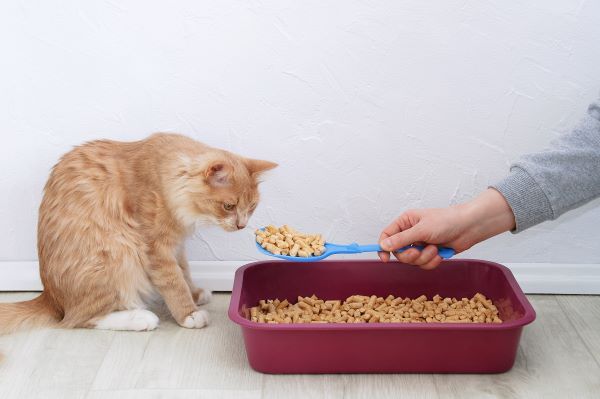
If your cat has more recently taken to urinating or spraying in an inappropriate spot, you can make a few changes to see if you can steer your cat back to the litter tray:
Neutralise the odour
Cat behaviouralists advise thoroughly cleaning the area and spraying it with odour neutralizers, as removing the urine smell may help to decrease your cat’s desire to urinate there. Cats usually continue to spray in areas they have marked with their scent, so cleaning cat-soiled items is crucial for breaking this cycle.
Cleaning is most effective when it’s done soon after an item was soiled. Use an enzymatic cleaner as odours need to be neutralised, not merely deodorised, to escape a cat’s keen sense of smell. Cover the area with foil or plastic sheeting and block it off for a few weeks to give the neutralizer time to work. Avoid using ammonia-, vinegar- or bleach-based cleaning products, as these smell like urine to cats and may encourage the cat to keep toileting in the newly cleaned area!
Change the area
Another recommendation from the experts is to change the function of the soiled area by turning it into a feeding, playing, sleeping or scratching area, which may reduce the cat’s desire to urinate there. Try placing food and water, toys or bedding in the area so that the cat no longer views it as a toilet. Other suggestions to discourage her from toileting there include adding bright lights or motion sensors to the area, or placing tin foil, upside-down carpet runners, or double-sided sticky tape in the area.
Mix up the surface
Cats can develop preferences for certain surfaces to urinate on, such as a wooden floor, a tiled floor, carpeting or even a pile of laundry. Blocking access to the favoured surface or object, or making changes to it, may help to break the cycle. For example, you could keep doors closed to prevent access to the area or cover the spot with furniture or pot plants. Or you could cover it over with a different surface, such as a plastic sheet, upside-down carpet runner or mat, or sheets of newspaper, or even sandpaper. You could also try putting a sample of her preferred fabric, tile or carpet in her litter tray to encourage her to recommence using the tray, then slowly transition back to litter.
Medication and/or adjunctive treatments
Where there is an underlying medical cause for inappropriate urination, the vet may prescribe medication to manage or treat the underlying condition. In such cases, treating the underlying cause may also resolve the house soiling and no further treatment may be required.
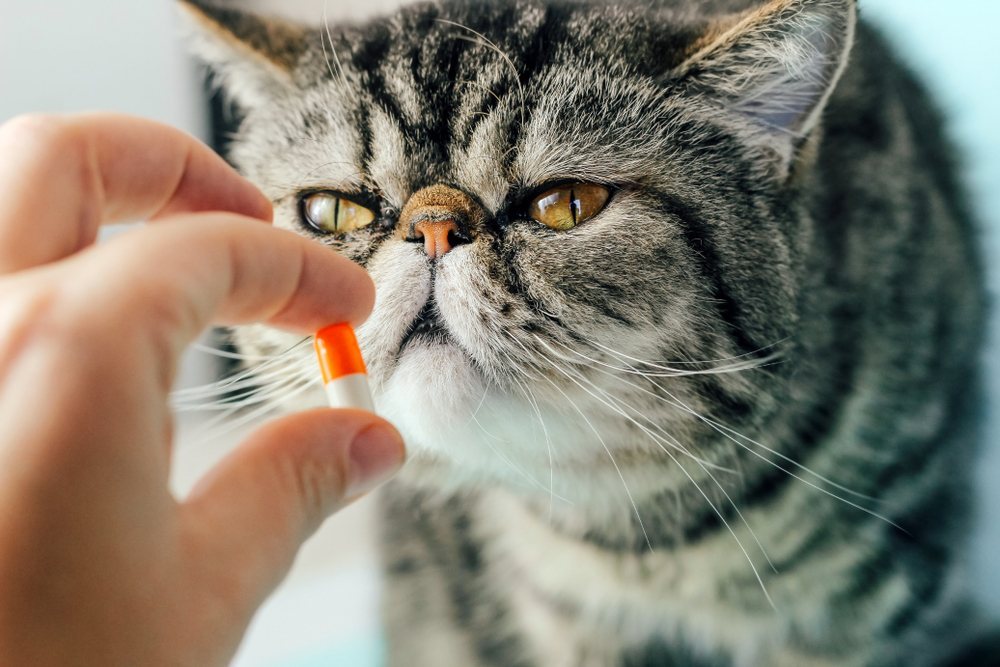
Medication may also be prescribed where anxiety is determined as the cause of inappropriate urination. In this case, medication is typically only part of the solution, used in conjunction with social and environmental changes. Be aware that medication can have potentially harmful side effects, and not all cats are good candidates. Cats placed on long-term medication must be monitored closely by a vet.
Anti-anxiety medication
Because urine marking is often a response to anxiety, anti-anxiety drugs are more likely to prescribed for inappropriate spraying behaviour. Anti-anxiety medications may be tremendously helpful if the source of stress cannot be identified or cannot be modified.
Anti-anxiety medications for inappropriate urination include:
- Clomipramine – the first choice of many behaviourists for urine-marking cats because it has shown close to 90% effectiveness, and in most cats requires only once a day dosing.
- Fluoxetine – also known as Prozac® ,this medication is as effective as clomipramine. Generally, while taking the medication cats do not mark, but if the medication is discontinued, marking may resume.
- Amitriptyline – a neurotransmitter blocker and pain reliever.
- Alprazolam – has achieved success rates between 55% and 75% but inappropriate urination often resumes when it is discontinued.
Adjunctive treatments
Several other products that help with anxiety may be recommended by your vet, especially if your cat is not amenable to taking medication or there is a medical condition that precludes medication. Treatments such as these are compatible with the therapies listed above and may be used in combination with behaviour modification and/or with medications.
Pheromone sprays and diffusers
These are applied to the area being marked rather than administered to the cat in the form of a medication. They mimic the pheromones that cats deposit when rubbing their face or cheeks on items to scent mark them (i.e. facial marking). The pheromones send a message that the cat understands, stating that the area is safe and there is nothing to be concerned about. This has a general calming effect and many cats will not spray on areas that have this scent.
Dietary Supplements
- Alpha-casozepine is a natural protein contained in cow’s milk that has been used to treat nonspecific anxiety in cats. It is available in tablet form and is also one of the main ingredients in the CALM Diet.
- L-theanine occurs naturally in the tea plant and is available in tablet form for dogs and cats. It is thought to lessen some stress conditions and mild anxiety related problems in pets and may also have a neuroprotectant effect.
Additional strategies / suggestions
- Neutering or spaying an intact cat will reduce the potent effect of hormones on spraying behaviour.
- Punishment is never recommended when dealing with inappropriate urination and may even make the problem worse.
Expert advice from Dr Felicia:
Some cats can be very fastidious about having a clean litter box. For these cats the tray may need to be cleaned twice a day or an additional clean tray provided so they can use it if they have soiled their first tray, and consider using litter that is easy to keep clean. The type of tray can also be an area to consider. Some cats prefer a hooded tray, others prefer an open one. Some older cats may need one with a lower lip to make it easier for them to get in and out.
Step-by-Step Action Plan
- Rule out medical issues that can cause inappropriate urination by visiting the vet. A vet visit and urine check will identify urinary tract infections (UTIs), idiopathic cystitis, and systemic diseases like kidney disease and diabetes.
- Identify environmental factors (e.g., moving house, introducing new pets or changes in household dynamics) that can lead to inappropriate urination.
- Address any behavioral concerns
- Try practical solutions, like using pheromone diffusers, providing multiple litter boxes, improving litter box management or enriching the cat’s environment to reduce stress and territorial behaviours.
- If the above steps do not resolve the problem, then your vet may be able to make recommendations around treatment strategies for underlying anxiety/stress management for your cat.
Expert advice from Dr Felicia:
Sometimes cats will persist in their inappropriate urination despite medication and large scale attempts to modify their environment to increase their enrichment and sense of well-being. If all attempts at management have failed it may be worth considering that cats may do better in an alternative physical location, with outdoor access or as a single cat living without other animals in the home.
In conclusion
A common and frustrating problem in cats, inappropriate urination can be difficult for owners to manage. Several different medical conditions can interfere with normal urination, so cats who are having problems using the litter tray should first and foremostly be checked by a vet. If your cat does not have a medical problem, then an underlying stress or anxiety or an aversion to the litter tray is the likely cause. Often, the vet will identify multiple factors contributing to the problem.
Treatment options include managing any social or environmental stressors in the home or neighbourhood, modifying toileting behaviours by optimising conditions relating to the tray, and medication or adjunctive treatments such as pheromones and nutritional supplements. A full resolution is possible, but this depends on early intervention, correct diagnosis of the underlying cause, and time and effort to resolve the problem.
Bow Wow Meow Pet Insurance can help protect you and your cat should an unexpected trip to the vet occur.
-
Find out more about our cat insurance options
-
Get an online pet insurance quote
Bow Wow Meow is proud to have been awarded winner of Canstar’s ‘Most Satisfied Customers’ Award in the Pet Insurance category for both 2024 and 2025!
Bow Wow Meow is proud to have been chosen as Product Review’s Pet Insurance Award Winner every year from 2018 to 2025! This is based on 2,995 independent customer reviews (as at 21/01/2025), with an overall rating of 4.3*
Google Review rating = 4.5* (based on 968 reviews)
Trust Pilot rating = 4.6* (based on 531 reviews)
Bow Wow Meow has been chosen as a winner in the Finder Pet Insurance Awards 2024. Finder’s panel of experts analysed over 140 quotes to award our Ultimate Care Plan the winner of the “Pet Insurance – Value” category.
Bow Wow Meow is an Australian-owned and operated pet insurance provider. Our focus is purely on pets, and we are proud to have helped provide peace of mind to over 200,000 Aussie pet owners since 2008.