Where to get a puppy in Australia: a responsible buyer’s guide

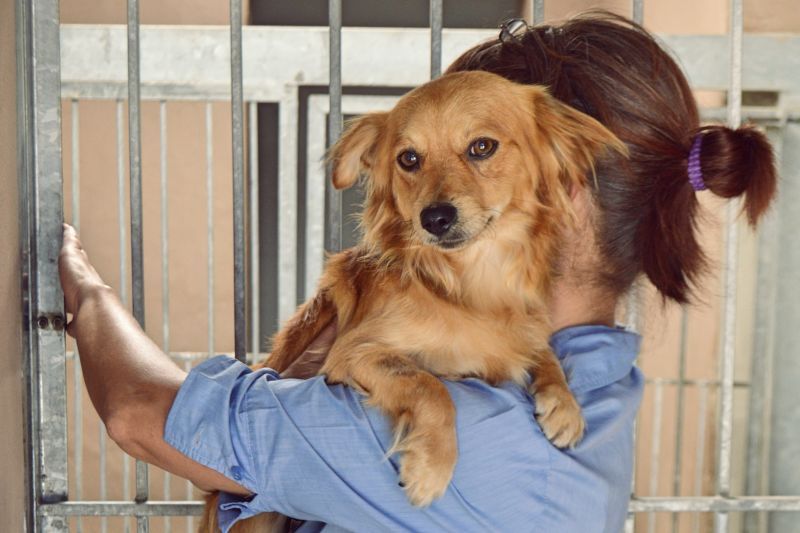
Bringing home a puppy is exciting, but choosing where your puppy comes from is one of the most important decisions you’ll make. A puppy’s early care, health, socialisation and breeding can influence their wellbeing long after they arrive home.
Whether you adopt from a rescue organisation, buy from a breeder or find a puppy through a private seller, take your time and do your research. Meet the puppy in person, find out where and how they were raised, check relevant health and identification records, and be prepared to walk away if something doesn’t feel right.
Broadly, puppies in Australia may be sourced through:
- reputable rescue or animal welfare organisations
- responsible breeders
- private rehoming
- online advertisements or marketplaces
- pet shops, where permitted under state or territory laws.
The sales channel itself does not guarantee good welfare or responsible breeding. What matters is where the puppy actually came from and how they and their parents have been cared for.
Expert advice from Dr Felicia:
As we all know, it’s very difficult to say no and give back a puppy once you’ve cuddled it and looked into its adoring eyes. This makes it all the more important to think through your intentions before meeting any puppies face to face.
Adopting a puppy or young dog
Rescue organisations, shelters and foster-based groups sometimes have puppies available, as well as adolescent dogs that may suit someone looking for a younger pet.
A reputable rescue organisation should be transparent about what is known of the puppy’s health, history and behaviour and explain what veterinary care has already been provided. Puppies in foster care may also have had the benefit of living in a home environment where carers can observe their personality and behaviour.
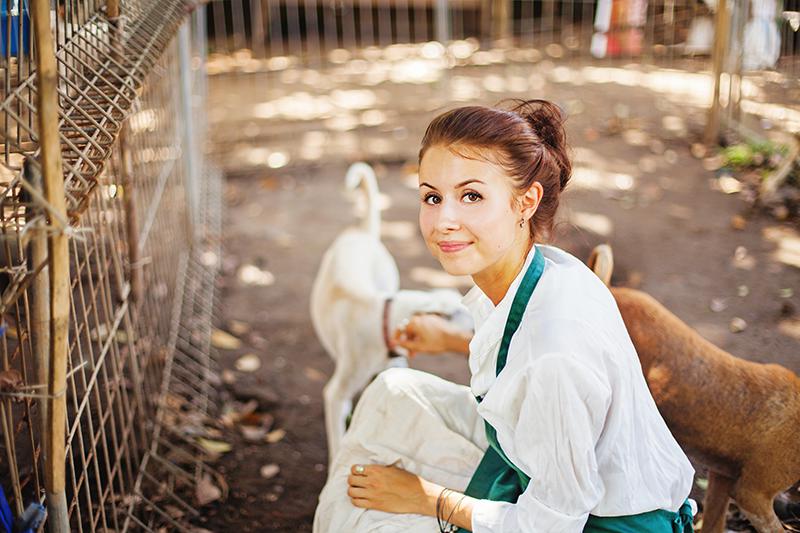
In some cases, little may be known about a rescue puppy’s parents or early history. This does not mean they will have health or behavioural problems, but it does mean there may be less predictability than when a well-documented breeding history is available.
Ask what assessments have been completed, what vaccinations and parasite treatments have been given, whether the puppy is microchipped and what ongoing support is available after adoption.
Even if a rescue organisation does not have a puppy that’s right for you, they will often be able to point you in the right direction as to where to get your puppy from. If you are looking for a rescue puppy of a specific breed, you may also ask breed clubs for contacts.
Expert advice from Dr Felicia:
While sometimes prospective owners are dismissive of rescues because they want a puppy, rescues often have puppies in their care. If they don’t have any currently, you may be able to register your interest, and give a much-needed fresh start to a puppy when they come into care.
Buying from a responsible breeder
If you are looking for a particular breed or crossbreed, a responsible breeder should prioritise the physical and behavioural health of their dogs and puppies rather than simply producing puppies for sale.
Wherever possible, visit the place where the puppy was born and raised. You should be able to meet the puppy’s mother and see that she appears healthy and comfortable around the breeder. The father may live elsewhere, for example where an outside stud dog has been used, but the breeder should still be able to provide information about him and relevant health-testing results.

A responsible breeder should:
- be open about where and how the puppies are raised
- allow you to meet the mother and see the puppies together
- provide appropriate veterinary, vaccination, microchip and health records
- explain which health conditions are relevant to the breed and provide evidence of recommended health screening of the parents
- explain how the puppies have been socialised and accustomed to normal household experiences
- know the personalities of individual puppies and help determine which may suit your household
- ask you plenty of questions as well – responsible breeders care where their puppies go
- provide clear information about contracts, transfer of ownership and ongoing support
- be willing to discuss what happens if you can no longer keep the dog in future.
Membership of a breeder association or possession of a breeder number can be useful information, but it should never replace your own checks.
Learn how to identify a responsible breeder.
Puppy farms
A puppy farm – also called a puppy factory or puppy mill – is an intensive dog-breeding operation where dogs’ physical and behavioural needs are not adequately met.
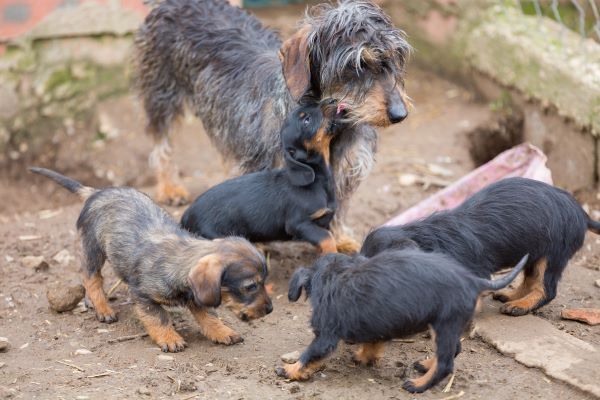
Problems can include overcrowding, inadequate housing, insufficient veterinary and preventative care, poor socialisation and breeding animals being kept in conditions that compromise their welfare. Puppies raised in these environments may consequently be at greater risk of health and behavioural problems.
Puppy-farm puppies can be sold through many different channels, including websites, social media, online marketplaces and other sellers. Some operators use agents or alternative locations so prospective buyers do not see where the puppies were actually bred.
This is why seeing the puppy in person at the place where they were raised is so important.
Red flags when buying a puppy
Be cautious if the breeder or seller:
- will not let you visit where the puppy was raised
- insists on meeting in a car park, roadside location or other neutral place
- offers delivery without allowing you to meet the puppy first
- will not let you meet the puppy’s mother
- appears to have many breeds or litters constantly available
- knows very little about the puppy’s temperament, health or early socialisation
- cannot provide appropriate identification or health records
- cannot explain relevant health testing of the parents
- asks no questions about you or the home the puppy will go to
- pressures you to make an immediate payment or says another buyer is waiting
- wants substantial payment before you have verified the puppy and seller
- uses photographs or wording that appear on numerous other advertisements.
Never buy a puppy sight unseen. Current Scamwatch advice recommends meeting the animal in person, checking the breeder or seller is legitimate and being suspicious of unusually cheap offers or sellers who will not allow an inspection.
Expert advice from Dr Felicia:
While you may want to help ‘just one puppy’ from a puppy farm, sadly this contributes to the demand and continuation of this poor animal welfare practice.
Many animal welfare organisations are campaigning against puppy farming. One of the most prominent and successful of these organisations is ‘Oscar’s Law’, which was named after Oscar, a dog that spent the first 5 years of his life as a stud dog in a puppy factory. Learn more about Oscars Law.

What is backyard breeding?
“Backyard breeder” is commonly used to describe irresponsible small-scale breeding, rather than simply anyone who breeds dogs at home. Concerns may include inadequate knowledge of breeding and whelping, failure to screen for inherited disease, poor socialisation and insufficient care of the mother and puppies.
Rather than judging a breeder by the size of their operation alone, apply the same welfare, health and transparency checks to every breeder.
Finding a puppy online
The internet is now a common place to start looking for a puppy, but an attractive website, social-media page or marketplace listing does not prove that the seller is genuine or that the puppy has been responsibly bred.
Use online listings as a way to find and research a breeder, rescue organisation or private seller – not as a reason to buy a puppy without meeting them.
Before paying:
- meet the puppy in person
- visit the place where they have been kept
- verify the seller’s identity and any required breeder or identification number
- check health, microchip and vaccination documents
- reverse-image-search photographs if anything looks suspicious
- be wary of unusually low prices and requests for additional transport, medical or delivery payments.
Scamwatch warns that fake pet websites, online marketplace listings and social-media profiles continue to be used to advertise animals that do not exist.
Buying or adopting through a pet shop
Laws governing the sale of puppies through pet shops differ between Australian states and territories, including where shops are permitted to source animals from.
If you are considering a puppy offered through a pet shop, ask exactly where the puppy came from and request the breeder’s, shelter’s or rescue organisation’s details so that you can verify the source independently.
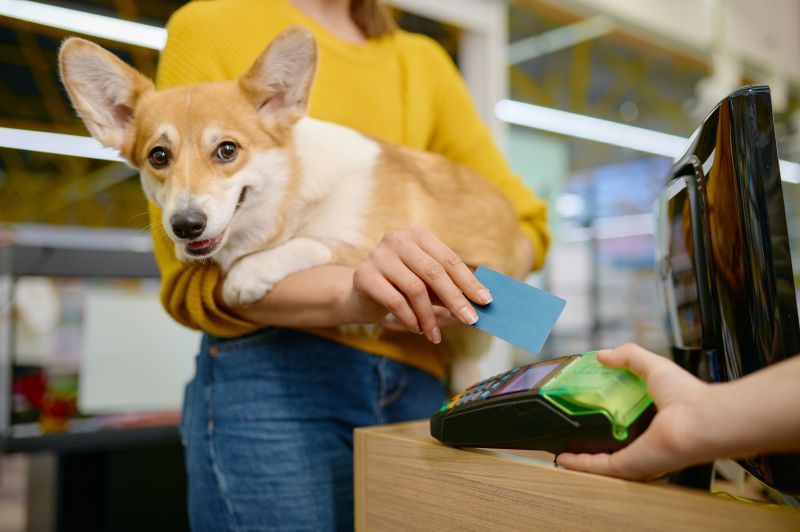
Do not assume that the puppy’s presence in a shop guarantees that the breeder or original source was responsible. Ask the same questions you would ask when obtaining a puppy directly:
- Where was the puppy born and raised?
- Can the original breeder or rescue organisation be contacted?
- What is known about the parents and the puppy’s health history?
- What vaccinations, microchipping and parasite treatments have been completed?
- What socialisation has the puppy received?
- What identification and transfer documentation will you receive?
Check the current rules and consumer protections that apply in your state or territory before purchasing.
Check the rules where you live
Dog breeding, advertising, microchipping and sale requirements differ across Australia, so check your state or territory government website before buying.
Registration is an important legal check but does not, on its own, guarantee that a breeder follows responsible breeding and welfare practices.
In NSW, for example, all dog breeders generally require a breeder identification number, and advertisements for dogs born from 1 December 2025 must include both the dog’s microchip number and the breeder identification number or relevant rehoming organisation number.
Questions to ask a breeder or seller
Before committing to a puppy, ask:
- How old is the puppy?
- Can I meet the puppy with their mother?
- Where was the litter born and raised?
- What socialisation has the puppy had?
- What vaccinations, worming and other veterinary care have been completed?
- Is the puppy microchipped and are the ownership details ready to be transferred?
- What health conditions are relevant to this breed or crossbreed?
- What health screening was performed on both parents, and can I see the results?
- Have any puppies from previous litters developed inherited health problems?
- What are the temperaments of the mother and father?
- Why was this particular mating chosen?
- What support is available after I take the puppy home?
- What happens if I can no longer care for the dog later in life?
A responsible breeder should be comfortable answering detailed questions – and should have plenty of questions for you too.
Expert advice from Dr Felicia:
As a vet, I hear about all sorts of different experiences when it comes to buying a puppy. Spending time to ensure you are comfortable with the person you are purchasing from can save a lot of heartache and stress. While being in contact for months or even years prior may feel strange, this can give both parties assurance and confidence in the arrangement.
What are your consumer rights when buying a puppy?
When a pet is purchased from a business, Australian Consumer Law provides automatic consumer guarantees. For example, an animal sold according to a particular description should match that description.
These consumer guarantees generally do not apply in the same way to a one-off sale by a private seller, so it is important to understand who you are buying from and retain contracts, receipts, advertisements and other records.
Consumer-law remedies can depend on the circumstances, so contact your state or territory consumer protection agency if a problem arises after purchase.
In conclusion
Whether you adopt a puppy or buy from a breeder, the best decision is an informed one. Take your time, meet the puppy in person, understand where they came from and ask for evidence rather than relying on reassurance alone.
If buying from a breeder, look for transparency, appropriate health screening, good early socialisation and genuine concern for where each puppy will live. If adopting, choose a reputable organisation that is open about what is known of the puppy’s history, health and behaviour.
Most importantly, be willing to walk away. Pressure to pay quickly, reluctance to let you see where a puppy was raised or gaps in health and identification information are good reasons to keep looking.
Finding the right puppy may take longer than expected, but your future dog could be part of your family for well over a decade – so it is worth getting this first decision right.
Bow Wow Meow Pet Insurance can help protect you and your dog should an unexpected trip to the vet occur.
-
Find out more about our dog insurance options
-
Get an online pet insurance quote
Bow Wow Meow is proud to have been awarded winner of Canstar’s ‘Most Satisfied Customers’ Award in the Pet Insurance category for both 2024 and 2025!
Bow Wow Meow is proud to be the only Pet Insurer that has been awarded Product Review’s Top Rated Pet Insurance every year from 2018 to 2026! This is based on 3,193 independent customer reviews (as at 09/04/2026), with an overall rating of 4.5 stars.
We also have the following ratings on other review platforms:
Google Review rating of 4.5 stars (based on 1,358 reviews)
Trust Pilot rating of 4.6 stars (based on 555 reviews)
Bow Wow Meow has been chosen as Winner of 4 categories in the 2026 Finder Pet Insurance Customer Satisfaction Awards!



– Most Trusted Pet Insurance
– Easiest to Claim Pet Insurance
– Most Recommended Pet Insurance
– Legendary Service Pet Insurance
We also received Highly Commended Awards for Loved Brand Pet Insurance and Best Value Pet Insurance.
Bow Wow Meow is an Australian-owned and operated pet insurance provider. Our focus is purely on pets, and we are proud to have helped provide peace of mind to over 200,000 Aussie pet owners since 2008.
Sources:
“How do I find a responsible dog or cat breeder?”, RSPCA Knowledgebase. https://kb.rspca.org.au/categories/companion-animals/choosing-a-pet/how-do-i-find-a-responsible-dog-or-cat-breeder. Accessed 29 September 2026.
“How do I avoid supporting puppy farms?”, RSPCA Knowledgebase. https://kb.rspca.org.au/categories/companion-animals/choosing-a-pet/how-do-i-avoid-supporting-puppy-farms. Accessed 29 September 2026.
“What is a puppy farm?”, RSPCA Knowledgebase. https://kb.rspca.org.au/categories/companion-animals/choosing-a-pet/what-is-a-puppy-farm. Accessed 29 September 2026.
“What is a ‘registered breeder’?”, RSPCA Knowledgebase. https://kb.rspca.org.au/categories/companion-animals/choosing-a-pet/what-is-a-registered-breeder. Accessed 29 September 2026.
“What are some red flags when looking for a dog or cat online?”, RSPCA Knowledgebase. https://kb.rspca.org.au/categories/companion-animals/choosing-a-pet/what-are-some-red-flags-when-looking-for-a-dog-or-cat-online. Accessed 29 September 2026.
“Buying and selling scams”, Scamwatch. https://www.scamwatch.gov.au/types-of-scams/buying-and-selling-scams. Accessed 29 September 2026.
“Buying a pet”, NSW Government – Fair Trading. https://www.nsw.gov.au/legal-and-justice/consumer-rights-and-protection/shopping/buying-a-pet. Accessed 29 September 2026.
“Changes to dog breeding laws”, NSW Office of Local Government. https://www.olg.nsw.gov.au/pets/nsw-pet-registry/breeders/changes-dog-breeding-laws. Accessed 29 September 2026.