Why does my cat get the zoomies?
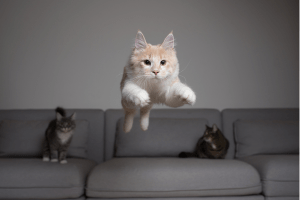
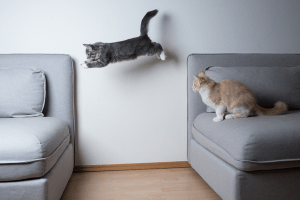
One minute your cat is curled up asleep…the next they’re sprinting through the house, bouncing off furniture and launching into the air like a tiny athlete.
What’s going on?
These sudden bursts of energy are often called “the zoomies”, and while they might seem random (and slightly chaotic), they’re actually a completely normal part of cat behaviour.
What are zoomies?
Zoomies are short bursts of high-energy activity where your cat runs, jumps, pounces and darts around, often at full speed.
They even have a technical name: Frenetic Random Activity Periods (FRAPs), which basically means exactly what it looks like…random bursts of energy!
They usually only last a minute or two before your cat suddenly stops and goes back to lounging, like nothing happened.
Did you know?
Cats aren’t the only ones who get zoomies. Dogs, rabbits and even horses can have these sudden bursts of energy too.
Why do cats get the zoomies?
Zoomies are usually your cat’s way of releasing energy or acting on instinct. Here are some of the most common reasons:
1. Burning off pent-up energy ⚡
Cats sleep a lot, often 12–16 hours a day, so when they wake up, they can have a lot of energy to burn.
2. Hunting instinct kicks in 🐾
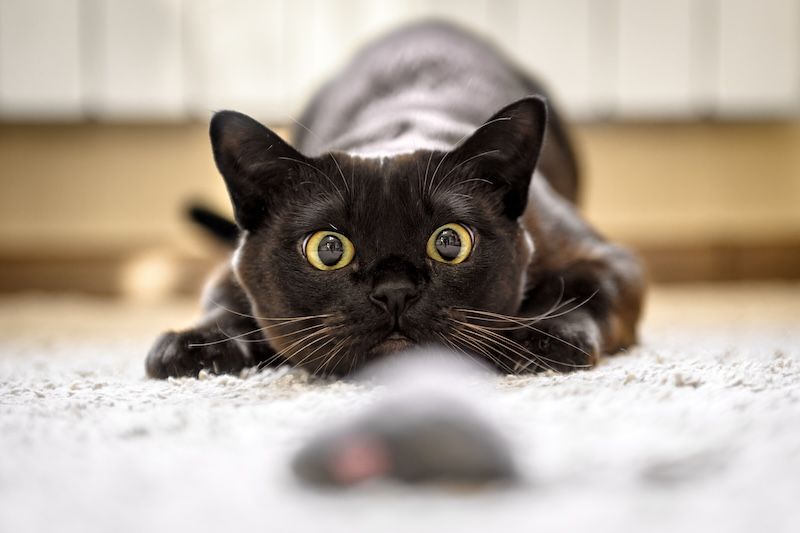
Even indoor cats have strong natural hunting instincts. Zoomies often mimic stalking, chasing and pouncing behaviours.
3. Natural activity cycles 🌙
Cats are crepuscular, meaning they’re most active at dawn and dusk, so zoomies often happen early morning or late at night.
4. Stress or overstimulation 😅
Zoomies can sometimes be a way for cats to release tension, especially after something stimulating or slightly stressful.
5. Post-litter box energy 🚽
Some cats get zoomies right after using the litter tray, possibly due to a feeling of relief or stimulation.
Did you know?
Indoor cats are more likely to get nighttime zoomies, especially if they haven’t had enough play or stimulation during the day.

When do cat zoomies usually happen?
Cat zoomies often follow a pattern. You might notice them:
- Late at night (just as you’re trying to sleep!)
- Early in the morning
- After a long nap
- After using the litter box
- During or after playtime
- When something grabs their attention (even something you can’t see!)
Did you know?
Cats often get zoomies when the house is quiet. Low light and calm surroundings can trigger their natural “hunter mode.”
Are zoomies normal?
Yes, zoomies are completely normal and healthy behaviour for cats.
In fact, they’re often a sign your cat is feeling playful, stimulated, or simply acting on their natural instincts.
Do kittens get more zoomies than older cats?
Kittens have higher energy levels, are more playful, and are still developing coordination and behaviour.
You might notice kittens get zoomies:
- After play
- When they’re overtired
- When they’re feeling extra stimulated
What about older cats?
Older cats can still get zoomies, but they’re usually less frequent and less intense.
That’s because:
- Their energy levels are lower
- They sleep more and conserve energy
- They’re generally calmer and more settled
That said, the occasional zoomie is still a great sign your cat is feeling good.
Did you know?
Zoomies are usually a sign of a happy cat. They’re a natural way for cats to release energy and express their playful side. 😻

Tips to handle the zoomies safely
You don’t need to stop zoomies, but you can make them safer (and a little less disruptive).
✅ Do:
- Encourage play during the day: This helps burn energy before nighttime
- Create a routine: Feeding and play at consistent times can reduce late-night bursts
- Give them space: Clear areas where they can run safely
❌ Don’t:
- Don’t punish your cat: Zoomies are completely normal behaviour
- Don’t chase them: It usually makes things more exciting
- Don’t try to stop them mid-run: This can cause stress or injury
Did you know?
Playing with your cat before bed can reduce nighttime zoomies. A short play session helps satisfy their hunting instincts and burn off energy.
When should I be concerned?
Zoomies themselves aren’t something to worry about, but keep an eye out if:
- They suddenly become much more frequent
- Your cat seems restless or unsettled
- There are other behaviour changes alongside them
In some cases, increased activity can be linked to stress or changes in routine, or occasionally an underlying health issue.
Unsure how serious it is?
Bow Wow Meow policyholders can get access to trusted vet care anytime, anywhere, at no additional cost. Connect to an experienced Australian registered vet via video call, 24/7. Whether it’s providing vet advice, setting up at-home treatment plans, or confirming if you need to visit a vet in person, you can get help when you need it.
Find out more about our pet insurance cover options.
The bottom line
Zoomies might feel a bit chaotic, especially at 2am, but they’re just your cat being a cat.
Whether it’s instinct, energy, or pure playful chaos, these bursts are a completely normal part of feline life.
So next time your cat tears through the house at full speed…you’ll know it’s all part of their natural behaviour. 😍
Bow Wow Meow Pet Insurance can help protect you and your cat should an unexpected trip to the vet occur.
-
Find out more about our cat insurance options
-
Get an online pet insurance quote
Bow Wow Meow is proud to have been awarded winner of Canstar’s ‘Most Satisfied Customers’ Award in the Pet Insurance category for both 2024 and 2025!
Bow Wow Meow is proud to be the only Pet Insurer that has been awarded Product Review’s Top Rated Pet Insurance every year from 2018 to 2026! This is based on 3,193 independent customer reviews (as at 09/04/2026), with an overall rating of 4.5 stars.

We also have the following ratings on other review platforms:
Google Review rating of 4.5 stars (based on 1,358 reviews)
Trust Pilot rating of 4.6 stars (based on 555 reviews)
Bow Wow Meow has been chosen as Winner of 4 categories in the 2026 Finder Pet Insurance Customer Satisfaction Awards!



– Most Trusted Pet Insurance
– Easiest to Claim Pet Insurance
– Most Recommended Pet Insurance
– Legendary Service Pet Insurance
We also received Highly Commended Awards for Loved Brand Pet Insurance and Best Value Pet Insurance.
Bow Wow Meow is an Australian-owned and operated pet insurance provider. Our focus is purely on pets, and we are proud to have helped provide peace of mind to over 200,000 Aussie pet owners since 2008.