Is the Puli a good family dog?


Puli
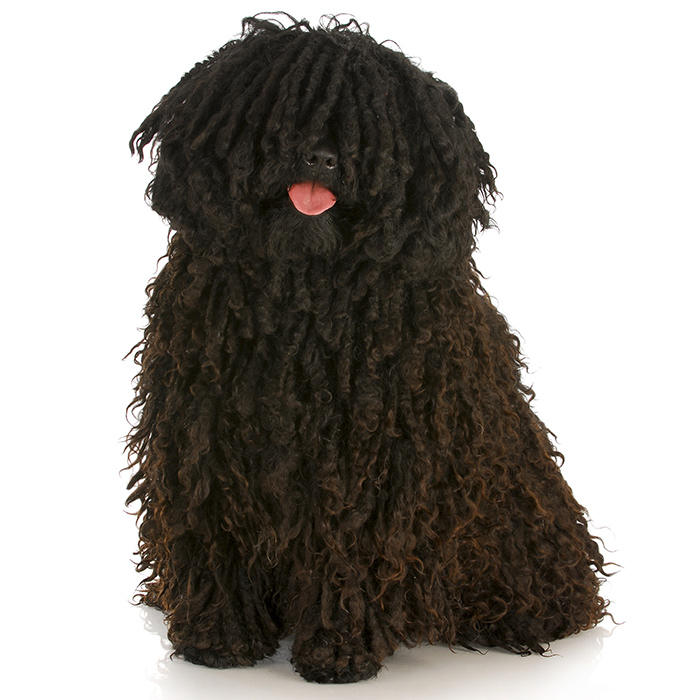
Pulis are intelligent and energetic medium-sized dogs with a distinctive corded coat, compact build and lively, alert expression. Originally bred in Hungary as herding dogs, they are known for their agility, confidence and strong working instincts. Generally loyal and affectionate with their family, Pulis can be independent, vocal and wary of strangers, so they benefit from early socialisation, consistent training, plenty of activity and specialised coat care.
| Recommended for | Active, experienced owners who can handle a clever herding breed and commit to specialised coat care. |
| Breed Classification | Herding Group |
| Other names | Hungarian Puli |
| Lifespan | 10 to 15 years |
| Size | Medium |
| Temperament | Agile, loyal, clever and energetic |
| Intelligence | Generally intelligent; best results come from patient, positive and consistent training |
| Tendency to bark | Moderate to high; alert herder |
| Maintenance Level | Corded coat needs specialist care and drying time |
| Health Risk | Pulis are generally robust when well bred and well cared for, but they can still be affected by recognised breed-related conditions that should be discussed with a vet or breeder. |
Thinking of insuring a Puli?
Explore the Top 5 health issues claimed for Pulis, including highest claims paid and how much pet insurance could help you save on eligible vet bills.
See Puli pet insurance Ready to get cover? Get a quick quote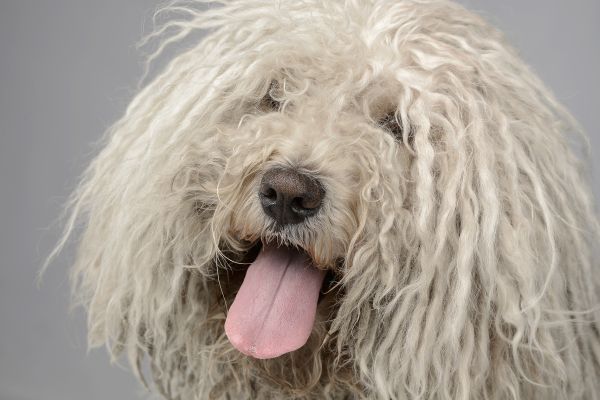
Puli personality and temperament
The Puli is intelligent, energetic and alert, with strong herding instincts and a lively temperament. Originally bred to work livestock, it is agile, quick-thinking and often very aware of its surroundings.
Pulis are usually loyal and affectionate with their families, but they can be wary of strangers and independent in their decision-making. They need early socialisation, consistent training and plenty of activity to keep their busy minds engaged.
Pulis with kids and other pets
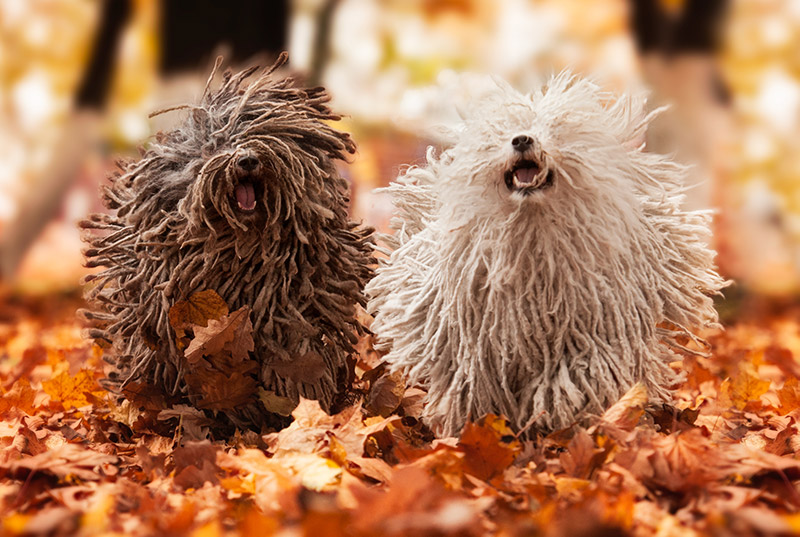
Pulis can be loyal and playful with children, especially in active homes that provide structure and training. Their herding instincts may lead them to chase, circle or nip at running children, so supervision and early training are important.
With other pets, Pulis can live well with dogs and cats when raised together and socialised early. They may be alert, vocal or protective around unfamiliar animals, so introductions should be gradual and controlled.
Puli training and exercise
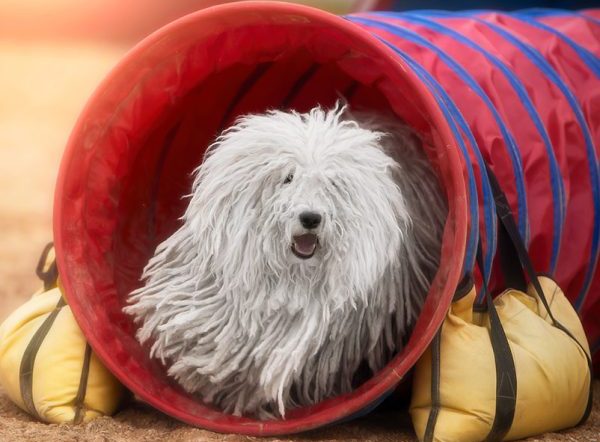
Pulis need regular exercise and plenty of mental stimulation. Walks, active play, agility-style activities, herding games and problem-solving tasks help satisfy their energetic and intelligent nature. They are agile working dogs that need more than just a short stroll.
Training should be consistent, positive and started early. Pulis are clever and quick to learn, but they can be independent and protective. Early socialisation, recall work and impulse-control training are important, along with guidance to manage barking and herding behaviours.
| Energy level | High |
| Exercise requirements | High - daily exercise, herding-style games and training |
Common health issues for Pulis
What do Puli owners claim for the most?
- Hip dysplasia: A developmental condition where the hip joint forms abnormally, causing looseness, pain and reduced mobility. Genetics are a major factor, while rapid growth, excess weight and inappropriate exercise can worsen symptoms. Early diagnosis, weight control and veterinary care can help manage the condition.
- Eye disorders: This includes problems such as cataracts, glaucoma, conjunctivitis, dry eye, corneal ulcers and inherited eye disorders. Signs may include redness, cloudiness, discharge, squinting, pawing at the eye, swelling or changes in vision.
- Degenerative Myelopathy: A progressive spinal cord disease that causes gradual hind-leg weakness, wobbliness, dragging feet and loss of coordination. It usually affects older dogs and is linked to inherited risk factors in some breeds.
- Patellar luxation: A developmental orthopaedic condition where the kneecap slips out of its normal groove, causing intermittent skipping, limping, pain or reduced mobility. It is more common in small breeds and severity ranges from mild to persistent lameness.
- Allergies: These commonly cause itchy, inflamed skin, leading to scratching, licking, redness, hair loss, hot spots and recurring ear or skin infections. Common triggers include fleas, food sensitivities and environmental allergens.
Not all conditions are covered by Pet Insurance. For details of Bow Wow Meow Pet Insurance cover, refer to the Product Disclosure Statement.
How to choose the right insurance for your Puli
When comparing cover for your Puli, look for:

Cover for common Puli conditions:
Check that the policy covers conditions Pulis can be prone to, including common health issues.

Cover for hereditary conditions:
No exclusions for hereditary or congenital conditions⑅.

Flexible cover options:
Options to adjust your annual benefit limit, reimbursement rate and excess.
Bow Wow Meow's Nose-to-Tail Cover offers flexible options for your Puli, with cover for accidental injuries, illnesses and hereditary conditions⑅. Get a quick quote for cover that suits your Puli and your budget.
Puli feeding and nutrition
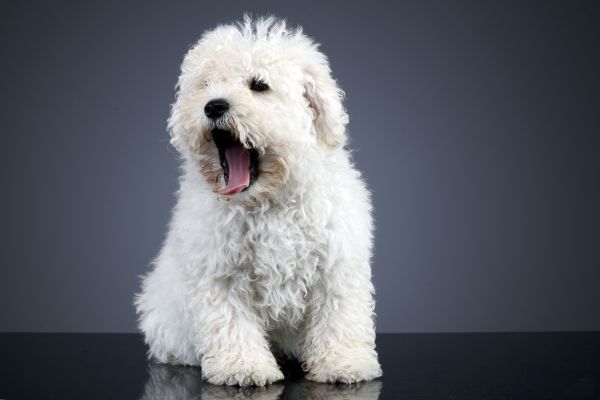
The Puli needs a high-quality diet that supports its active herding background, agile body and dense corded coat. Protein helps maintain muscle, while healthy fats support skin and coat health.
Food portions should be based on activity level, as active Pulis may need more calories than quieter household pets. Maintaining a healthy weight is important for mobility and long-term health. A consistent diet may also help support skin condition beneath the heavy coat.
Puli care and grooming
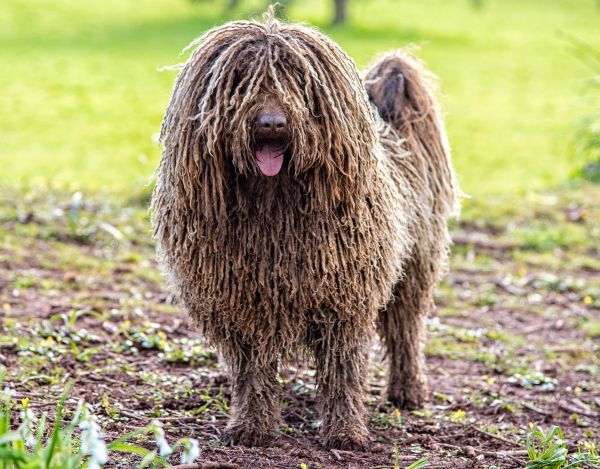
The Puli has a distinctive corded coat that requires specialised care. As the coat develops, cords need to be separated by hand to prevent them from forming large mats. This process takes time and consistency, especially as the dog matures and the coat becomes denser.
Bathing a Puli can be time-consuming because the cords hold water and must be dried thoroughly to prevent odour or skin irritation. Professional guidance is often helpful for owners unfamiliar with corded coats. Regular nail trimming, ear checks, dental care and skin checks beneath the coat are essential.
Size, appearance and coat of Pulis
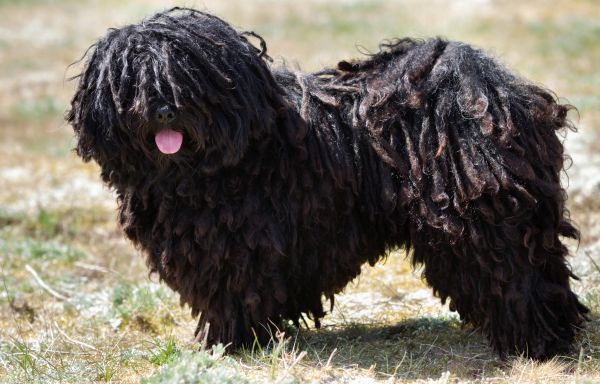
The Puli is a medium-sized herding dog with a compact, agile body and a lively, alert expression often hidden beneath its unique coat. It has a strong, square build, dark eyes and a tail that curls tightly over the back.
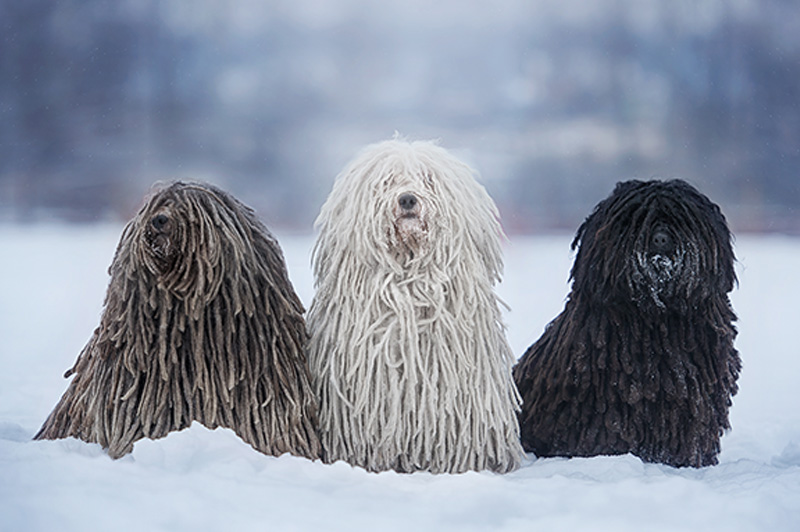
Its most distinctive feature is its dense corded coat, which forms long, rope-like cords as the dog matures. Coat colours include black, white and shades of grey, with black being the most commonly recognised.
| Weight range | 10 to 15 kg |
| Height range | 36 to 45 cm |
| Colours | Black, white, grey or fawn |
| Coat length | Long corded coat |
Breed history of Pulis
The Puli is an ancient Hungarian herding breed, brought to the Carpathian Basin by Magyar pastoral people and valued for speed, agility and close working style with sheep. Its smaller size allowed it to move quickly among flocks, while its dense corded coat helped protect it from weather.
Hungarian shepherds often used Pulis alongside larger guardian breeds such as the Komondor, with the Puli doing the fast, active herding work. The breed’s dramatic cords are not a modern novelty, but part of a long working tradition in which coat, movement and responsiveness all mattered to the shepherd.
Explore related breeds
Puli facts!
- They are famous for their corded coat. A mature Puli’s coat forms long cords that can look like dreadlocks.
- They are Hungarian herding dogs that were bred to move and manage livestock.
- They are surprisingly agile. Under the heavy coat is a quick, athletic herding dog.
- Their coat takes special care. The cords must be separated and dried thoroughly after bathing.
- Alert watchdogs, Pulis are often vocal and quick to notice anything unusual.
Summary
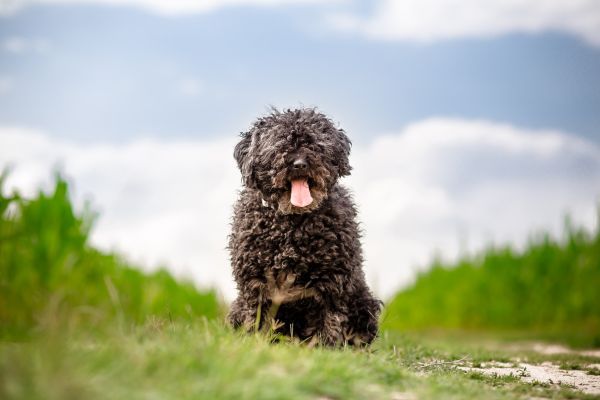
The Puli is a medium-sized Hungarian herding breed famous for its dense, corded coat and agile, energetic body. Intelligent, alert and loyal, Pulis are active working dogs with strong watchdog and herding instincts.
They need regular exercise, mental stimulation, early socialisation and specialised coat care, as their cords require careful separation and thorough drying after bathing.
FAQs about the Puli
It can be, provided the household matches the breed’s exercise, training, grooming and supervision needs.
High – daily exercise, herding-style games and training.
Shedding depends on coat type, season and grooming routine. The breed has a long corded coat.
No. While some individuals may shed less than others, no dog breed is truly allergy-free.
Most respond well to positive, consistent training, but owners should work with the breed’s instincts rather than against them.
MORE INFORMATION
The Australian Puli Club: https://www.facebook.com/groups/348101295293098/
The Puli Club of America: https://puliclub.org/wp/
The Hungarian Puli Club of Great Britain: https://hungarianpuliclubofgb.co.uk/

Get 2 months free for your puppy!
Congrats on your new bundle of joy
To ensure your precious fur baby is covered from the start, we'd like to offer your first 2 months of our Nose-to-Tail Cover for free2!
Get a quick quote