Asbestos and pets: risks, exposure and how to keep them safe


Summary
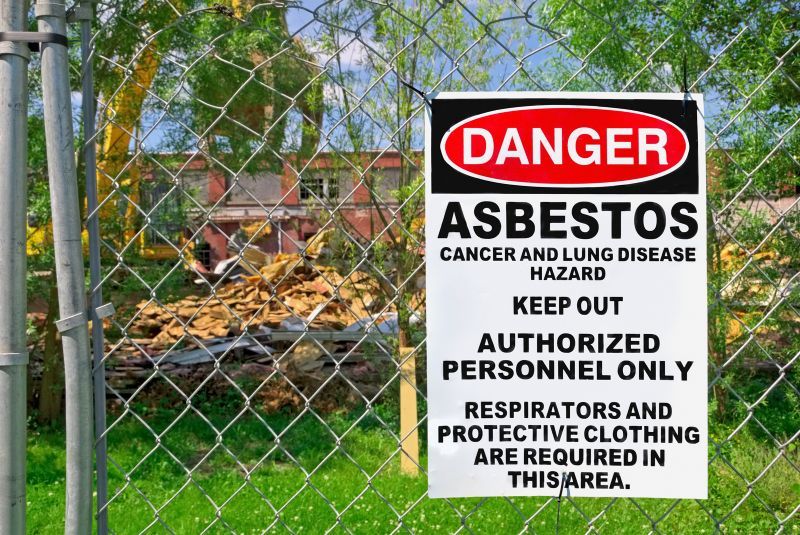
Asbestos can pose a health risk to both people and pets when microscopic fibres become airborne and are inhaled. Dogs and cats may be exposed if they enter areas where asbestos-containing building materials, contaminated soil or waste are being disturbed. While mesothelioma is rare in pets and the link with asbestos is less well established than in people, preventing exposure is important. If you suspect asbestos is present, keep pets away from the area and seek professional advice before disturbing or removing the material.
What is asbestos?
Asbestos is the name given to a group of naturally occurring fibrous minerals that were once widely used in building and other products because of their strength, durability and resistance to heat and fire.
Australia progressively phased out asbestos-containing materials and completely banned the manufacture, use, reuse, import, transport, storage and sale of asbestos from 31 December 2003. However, asbestos remains present in many older buildings. Homes built or renovated before 1990 are particularly likely to contain asbestos-containing materials, including wall and ceiling sheeting, roofing, eaves, fencing, pipes, flooring and insulation.
Asbestos-containing materials that are sealed, undamaged and left undisturbed generally pose a low risk. The major health risk occurs when asbestos fibres become airborne and are inhaled, for example when asbestos-containing materials are cut, drilled, sanded, broken or otherwise disturbed.
Why is asbestos dangerous for our pets (and ourselves)?
In much the same way that we keep our pets away from chocolate, pesticides and other toxic substances to protect them, we need to keep our pets away from asbestos.
Even though it is no longer used to manufacture new materials and products in Australia, asbestos is still present in many older building structures. When these materials are disturbed, tiny asbestos fibres fill the air and can easily be inhaled.
When asbestos-containing materials are disturbed or damaged, microscopic fibres can become airborne and may be inhaled. Inhaled fibres can lodge in the respiratory system and may persist in the body for many years. In people, asbestos exposure is a well-established cause of diseases including mesothelioma and lung cancer.
Far less research has been conducted in companion animals. Some studies have found an association between environmental asbestos exposure and mesothelioma in dogs, but the evidence is limited and the causes of most mesotheliomas in dogs and cats are not known.

What is mesothelioma?
Mesothelioma is an aggressive and deadly type of cancer.
When asbestos fibres become embedded in the body, they cause inflammation and instigate an immune response, setting off a chain reaction that leads to the growth of unnatural and potentially malignant cell mutations. When these mutations become cancerous, it is known as mesothelioma.
While mesothelioma is most well-known in humans, it can also occur in cats and dogs, though it is rare. Whilst human mesothelioma is well associated with exposure to airborne asbestos fibres, the link in dogs and cats has not been as well researched and is less understood. Mesothelioma in cats and dogs is associated with a poor long term prognosis.
There are a few small studies noting a link between asbestos fibres found within lung tissue in dogs and mesothelioma, however asbestos exposure in dogs appears to be less of a concern to researchers when compared to humans. This may be at least in part due to their short life spans compared to humans.
Nevertheless, keeping your pet away from asbestos is considered the number one way to prevent mesothelioma.
Expert advice from Dr Felicia:
Thankfully mesothelioma in dogs and cats is very rare, but it pays to be careful and minimise the risk of any advertent exposure to asbestos.
How are pets most commonly exposed to asbestos?
Exposure in dogs and cats is most likely to occur in the following circumstances:
- Home renovations or DIY projects of older houses or buildings
- Second-hand exposure when owners bring asbestos home on their clothes or skin
- Climbing or tunnelling into hard-to-reach places like basements, ceiling cavities and wall spaces
- Spending time outdoors near construction sites or parks where asbestos has been found or is being removed
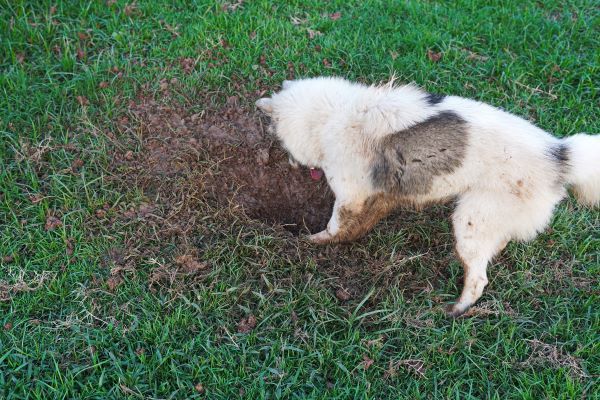
- Eating, digging or playing in mulch or soil that contains asbestos
Which pets are most at risk of asbestos exposure?
When asbestos-containing materials are disturbed or damaged, microscopic fibres can become airborne and may be inhaled. Inhaled fibres can lodge in the respiratory system and may persist in the body for many years. In people, asbestos exposure is a well-established cause of diseases including mesothelioma and lung cancer.
Far less research has been conducted in companion animals. Some studies have found an association between environmental asbestos exposure and mesothelioma in dogs, but the evidence is limited and the causes of most mesotheliomas in dogs and cats are not known.
Expert advice from Dr Felicia:
There appears to be a predisposition of mesothelioma for pets living in urban areas.
What are the symptoms of mesothelioma in pets?
Mesothelioma is rare in dogs and cats and may develop without any known history of asbestos exposure. Signs depend on where the cancer develops and are often caused by fluid accumulating within the chest, abdomen or around the heart.
Signs and symptoms of asbestos exposure can appear sooner in animals than humans. Dogs can show signs anywhere from 1 to 10 years after exposure (humans, on the other hand, can show signs from 10 to 40 years after exposure).

The most common symptoms include:
- Respiratory problems, including painful, difficult breathing, abnormally rapid breathing, huffing, wheezing or shortness of breath
- Cough
- Difficulty moving or exercise intolerance
- Abdominal swelling and discomfort
- Fatigue or lethargy
- Muffled heart, lung and abdominal sounds
- Vomiting
Expert advice from Dr Felicia:
Mesothelioma primarily affects the heart and chest cavity, so signs are associated with presence of abnormal fluid in the heart sac or the chest cavity.
How to prevent asbestos exposure in pets
The best way to protect pets from asbestos is to prevent exposure to airborne fibres. If your home was built or renovated before 1990, check for possible asbestos before beginning renovations, repairs or demolition work and use appropriately licensed asbestos professionals where required.
Keep all pets completely away from areas where suspected or confirmed asbestos-containing materials are being disturbed or removed. Do not allow pets to enter construction sites, damaged older buildings or cordoned-off contaminated areas, and prevent them from digging or playing in soil, mulch or waste known or suspected to contain asbestos.
Asbestos-containing material that is intact and undisturbed generally poses a much lower risk than damaged or friable material. If you are unsure whether a material contains asbestos, treat it as though it does until it has been professionally assessed.
Expert advice from Dr Felicia:
If precautions are recommended for humans, then our pets should also be protected from the risk of inhaling fibres.
Keep your dog on the lead when walking if your dog tends to run off to explore or likes to eat soil, mulch or grass.
What should you do if your pet is exposed to asbestos?
If you discover or suspect asbestos, remove your pet from the area and prevent them from returning until the material has been professionally assessed and the area is considered safe. Do not disturb, sweep, brush, vacuum or otherwise handle suspected asbestos-containing material, as this may release fibres into the air.
If asbestos-containing dust may have settled on your pet’s coat, avoid shaking or brushing the coat indoors. Seek advice about safe clean-up from the relevant asbestos authority or licensed asbestos professional. NSW guidance for areas affected by naturally occurring asbestos recommends washing pets to remove accumulated dust.
If you believe your pet has experienced significant asbestos exposure, or they develop breathing difficulties, coughing or other concerning symptoms, contact your veterinarian and explain the possible exposure.
Expert advice from Dr Felicia:
Diagnosing mesothelioma in pets is challenging, with a biopsy of the pleural tissue required.
Bow Wow Meow Pet Insurance can help protect you and your dog should an unexpected trip to the vet occur.
-
Find out more about our dog insurance options
-
Get an online pet insurance quote
Bow Wow Meow is proud to have been awarded winner of Canstar’s ‘Most Satisfied Customers’ Award in the Pet Insurance category for both 2024 and 2025!
Bow Wow Meow is proud to be the only Pet Insurer that has been awarded Product Review’s Top Rated Pet Insurance every year from 2018 to 2026! This is based on 3,193 independent customer reviews (as at 09/04/2026), with an overall rating of 4.5 stars.

We also have the following ratings on other review platforms:
Google Review rating of 4.5 stars (based on 1,358 reviews)
Trust Pilot rating of 4.6 stars (based on 555 reviews)
Bow Wow Meow has been chosen as Winner of 4 categories in the 2026 Finder Pet Insurance Customer Satisfaction Awards!




– Most Trusted Pet Insurance
– Easiest to Claim Pet Insurance
– Most Recommended Pet Insurance
– Legendary Service Pet Insurance
We also received Highly Commended Awards for Loved Brand Pet Insurance and Best Value Pet Insurance.
Bow Wow Meow is an Australian-owned and operated pet insurance provider. Our focus is purely on pets, and we are proud to have helped provide peace of mind to over 200,000 Aussie pet owners since 2008.
Sources
“When is asbestos a health risk?”, Asbestos NSW, https://www.asbestos.nsw.gov.au/health-risks/when-is-asbestos-a-health-risk. Accessed 27 August 2026.
“When was asbestos banned in Australia?”, Asbestos NSW, https://www.asbestos.nsw.gov.au/safety/safety-in-the-home/when-was-asbestos-banned-in-australia. Accessed 27 August 2026.
“Householders and home renovators”, Asbestos and Silica Safety and Eradication Agency, https://www.asbestossafety.gov.au/about-asbestos/practical-guidance/householders-and-home-renovators. Accessed 27 August 2026.
“Asbestos in mulch investigation”, NSW Environment Protection Authority, https://www.epa.nsw.gov.au/Working-together/Community-engagement/updates-on-issues/asbestos-in-mulch-investigation. Accessed 27 August 2026.
“Naturally occurring asbestos”, Asbestos NSW, https://www.asbestos.nsw.gov.au/identify-asbestos/what-is-asbestos/naturally-occurring-asbestos. Accessed 27 August 2026.
Glickman LT, Domanski LM, Maguire TG, Dubielzig RR, Churg A. “Mesothelioma in pet dogs associated with exposure of their owners to asbestos”, Environmental Research, 1983;32:305–313. https://pubmed.ncbi.nlm.nih.gov/6641667/. Accessed 27 August 2026.
Schlueter AH, et al. “Feline mesothelioma: case report and review of cytologic, immunocytochemical, histopathologic, and immunohistochemical findings”, Journal of Veterinary Diagnostic Investigation, 2021. https://pmc.ncbi.nlm.nih.gov/articles/PMC8229848/. Accessed 27 August 2026.
“Outcome of dogs treated with chemotherapy for mesothelioma: A retrospective clinical study on 40 cases and a literature review”, Veterinary and Comparative Oncology, https://pmc.ncbi.nlm.nih.gov/articles/PMC9796774/. Accessed 27 August 2026.