Health concerns in older dogs: signs, common conditions and care tips
Summary
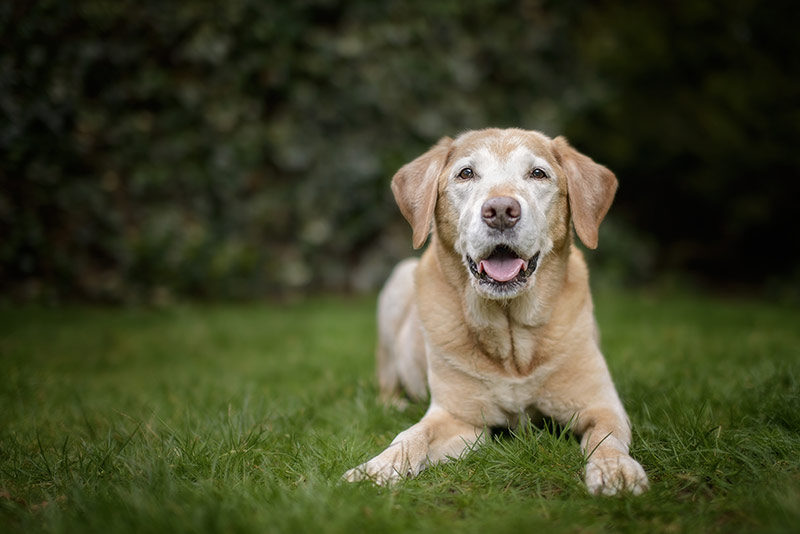
Older dogs can remain happy, active and comfortable for many years, but their health needs often change as they age. Some changes, such as greying around the muzzle or sleeping a little more, may be part of normal ageing. Others, such as stiffness, weight loss, increased thirst, coughing, bad breath, confusion or new lumps, can be signs of an underlying health problem. Because dogs often hide pain or discomfort, it is important not to dismiss changes as “just old age”. Below is a guide to some of the most common health concerns in older dogs, including the signs to watch for and when to seek veterinary advice.
When is a dog considered senior?
There is no single age at which every dog becomes a senior. Dogs age at different rates depending on their breed, size, genetics, lifestyle and overall health.vAs a general guide, large and giant breeds tend to reach their senior years earlier than small breeds.
Examples of average life spans by breed:
- Chihuahua: 12 to 20 years
- Yorkshire Terrier: 13 to 16 years
- Dachshund, Pomeranian: 12 to 16 years
- Standard poodle, Pug, Siberian Husky, Miniature Schnauzer: 12 to 15 years
- Toy Poodle, Maltese, Boston Terrier, Beagle, Shetland Sheepdog: 12 to 14 years
- Shih Tzu: 11 to 14 years
- Labrador Retriever, Greyhound, French Bulldog: 10 to 14 years
- German Shepherd: 9 to 13 years
- Doberman, Boxer, Golden Retriever: 10 to 12 years
- Mastiff: 6 to 12 years
- Great Dane, St. Bernard, Rottweiler, Bulldog, Bullmastiff, Newfoundland: 8 to 10 years
- Irish Wolfhound: 6 to 10 years
Rather than focusing only on age, it is helpful to look for changes in your dog’s normal habits. A senior health check with your vet can help identify whether your dog’s symptoms are part of normal ageing or signs of a condition that needs treatment.
Signs your older dog may need a vet
Older dogs should be checked by a vet if you notice changes in their movement, appetite, weight, thirst, toileting, breathing, behaviour, skin, coat, eyes or ears.
Common signs that may indicate a health problem include:
Change |
Signs to watch for |
| Mobility | Limping, stiffness, difficulty rising, reluctance to jump, slower walks, trouble with stairs |
| Appetite and weight | Weight loss, weight gain, reduced appetite, increased hunger, difficulty chewing |
| Thirst and urination | Drinking more, urinating more, accidents indoors, straining to urinate |
| Behaviour | Confusion, anxiety, restlessness, irritability, night waking, withdrawal |
| Breathing and energy | Coughing, tiring easily, panting more than usual, breathing difficulty |
| Skin and coat | New lumps, sores, hair loss, itchy skin, dull coat, excessive licking |
| Mouth | Bad breath, drooling, red gums, dropping food, pawing at the mouth |
| Eyes and ears | Cloudy eyes, bumping into things, discharge, head shaking, not responding to sounds |
If your dog is showing sudden, severe or worsening symptoms, contact your vet promptly.

Costs of common health conditions in older dogs
With advances in veterinary care come increased costs of treatment. Here were the average treatment cost and highest treatment cost for some of the most common health conditions for dogs aged 8-years plus in 2025, as per PetSure claims data:
Condition |
Average treatment costØ |
Highest treatment costØ |
| Skin conditions (dermatitis, pruritus, skin allergy) | $994 | $21,285 |
| Digestive issues (vomiting, diarrhoea, ingestion of foreign body, gastroenteritis) | $1,262 | $36, 126 |
| Arthritis | $839 | $15,963 |
| Ear Conditions (ear infections, ear haematoma) |
$486 | $24,213 |
| Lumps and bumps |
$1,850 | $57,153 |
Because it is difficult to predict the costs of veterinary care, it can help to have measures in place to help prepare for the unexpected. Pet insurance can help by covering a portion of the eligible vet bill if the unexpected does happen.
Get a quick quote
Arthritis and mobility problems
Arthritis is one of the most common health problems in older dogs. It occurs when the joints become inflamed, painful or less flexible, often due to wear and tear over time. Arthritis can affect any joint, but it commonly affects the hips, knees, elbows, shoulders and spine.
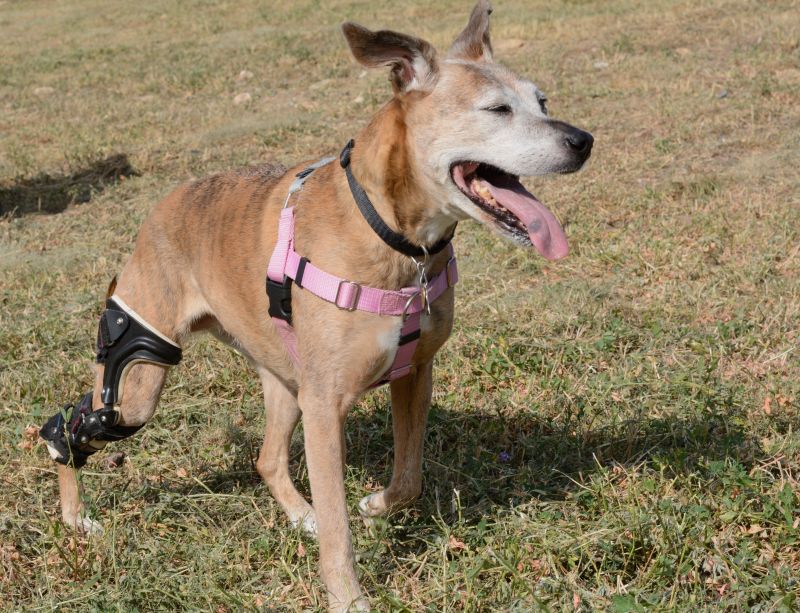
Signs of arthritis and mobility problems can include:
- Limping or stiffness
- Difficulty getting up after resting
- Reluctance to jump into the car or onto furniture
- Trouble using stairs
- Slower or shorter walks
- Reduced interest in play
- Muscle loss, especially around the hind legs
- Irritability when touched
- Licking or chewing around painful joints
Arthritis pain is sometimes mistaken for normal ageing, but older dogs do not have to simply “put up with it”. A vet can assess your dog’s joints, gait and pain levels and may recommend weight management, controlled exercise, pain relief, joint supplements, physiotherapy, environmental changes or other treatments.
At home, you can help by providing non-slip mats, supportive bedding, ramps, raised food and water bowls where appropriate, and gentle daily exercise suited to your dog’s ability.
Related reading:
Dental disease
Dental disease is very common in older dogs and can cause significant pain. Plaque and tartar build-up can lead to gum inflammation, infection, tooth decay, loose teeth and tooth root abscesses.
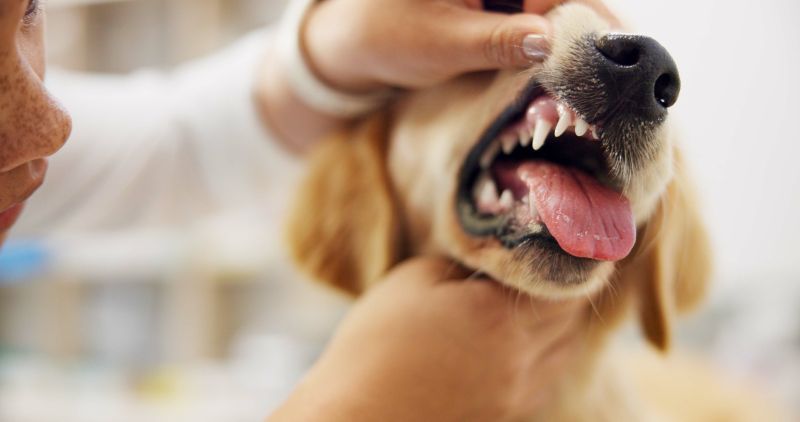
Signs of dental disease can include:
- Bad breath
- Red, swollen or bleeding gums
- Drooling
- Pawing at the mouth
- Dropping food
- Chewing on one side
- Reduced appetite
- Weight loss
- Facial swelling
- Irritability or reluctance to have the mouth touched
Many dogs continue eating despite dental pain, so dental disease can go unnoticed until it is advanced. Regular vet checks are important because your vet can examine your dog’s teeth and gums properly and recommend dental treatment if needed.
Treatment may include a professional dental scale and polish under anaesthetic, dental X-rays, tooth extractions, pain relief or antibiotics where appropriate. Your vet may also recommend at-home dental care such as brushing, dental chews, dental diets or oral care products suitable for your dog.
Related reading:
Lumps, bumps and cancer
Lumps and bumps become more common as dogs get older. Some are harmless fatty lumps, cysts, skin tags or warts, while others may be infected, painful or cancerous.
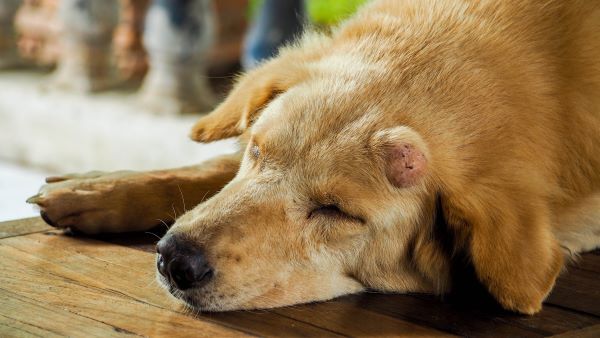
Any new lump should be checked by a vet, especially if it:
- Is growing quickly
- Changes shape, colour or texture
- Bleeds or becomes ulcerated
- Feels firm or attached to deeper tissue
- Causes pain or irritation
- Appears around the mouth, toes, mammary glands or lymph nodes
- Is associated with weight loss, lethargy or reduced appetite
A vet may recommend monitoring, fine needle aspirate, biopsy, imaging or removal, depending on the lump’s appearance and location. Early investigation is important because some cancers are more manageable when detected sooner.
Other signs that can sometimes be associated with cancer or serious disease include unexplained weight loss, persistent vomiting or diarrhoea, coughing, breathing changes, non-healing wounds, abdominal swelling, lameness or sudden changes in energy.
Related reading:
Skin infections and allergies
Skin problems are common in dogs of all ages, but older dogs may be more prone to recurring infections, irritation or skin changes linked to allergies, parasites, hormonal disease or reduced immune function.
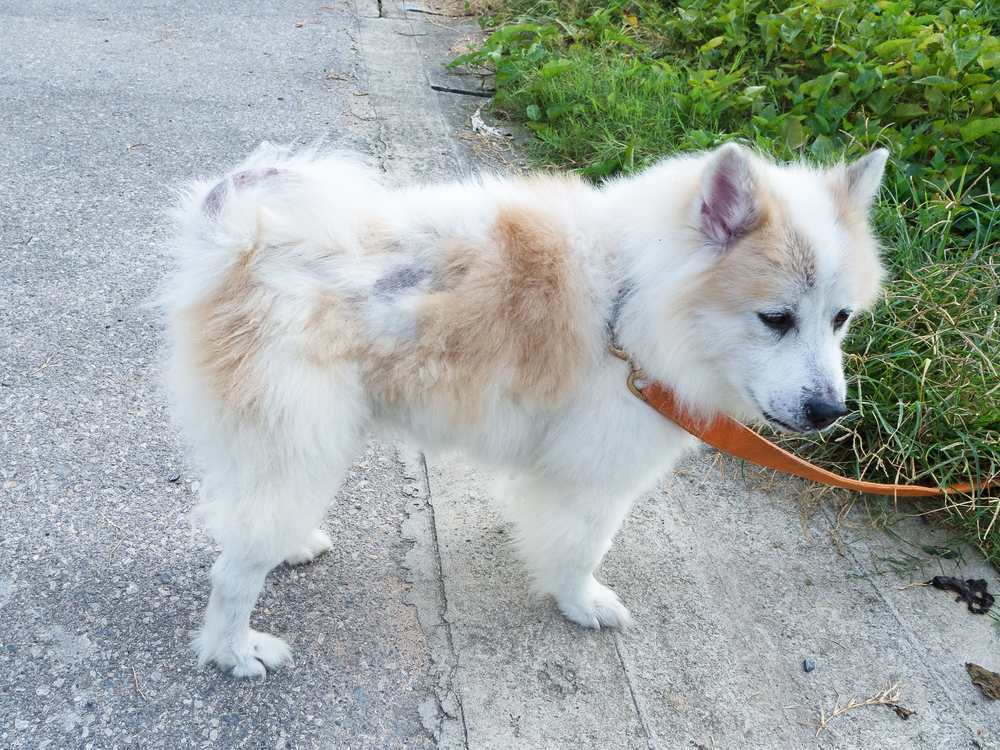
Signs of skin problems can include:
- Itching or scratching
- Licking or chewing the paws
- Redness or inflamed skin
- Hair loss
- Scabs or sores
- Hot spots
- Greasy or flaky skin
- Strong skin odour
- Recurrent ear or skin infections
- Darkened or thickened skin
Skin allergies may be triggered by fleas, food ingredients or environmental allergens such as pollen, grasses, dust mites or mould. Some older dogs may also develop skin changes linked to conditions such as hypothyroidism or Cushing’s disease.
Treatment depends on the cause and may include parasite prevention, medicated shampoos, antibiotics, antifungal medication, allergy management, diet trials or investigation for underlying disease.
Because skin conditions can have many causes, it is best to see your vet if symptoms are persistent, recurrent or causing your dog discomfort.
Related reading:
Ear infections
Ear infections are another common reason dogs need vet care. Older dogs may be more likely to develop recurrent ear problems if they have allergies, narrow ear canals, excessive ear hair, growths in the ear canal or underlying skin disease.
Signs of an ear infection can include:
- Head shaking
- Scratching at the ears
- Redness or swelling
- Discharge
- A strong or unpleasant odour
- Pain when the ear is touched
- Tilting the head
- Loss of balance in more serious cases
Ear infections can be painful and may become chronic if the underlying cause is not addressed. Your vet can examine the ear canal, check for infection, mites or foreign material, and recommend appropriate treatment.
Avoid using ear drops or cleaners unless advised by a vet, as some products may not be suitable if the eardrum is damaged or if the wrong type of infection is present.
Related reading:
Eye and vision problems
Vision changes are common in older dogs. Some dogs develop a bluish-grey haze in the eyes due to age-related lens changes, while others may develop more serious conditions such as cataracts, glaucoma, dry eye, retinal disease or eye inflammation.
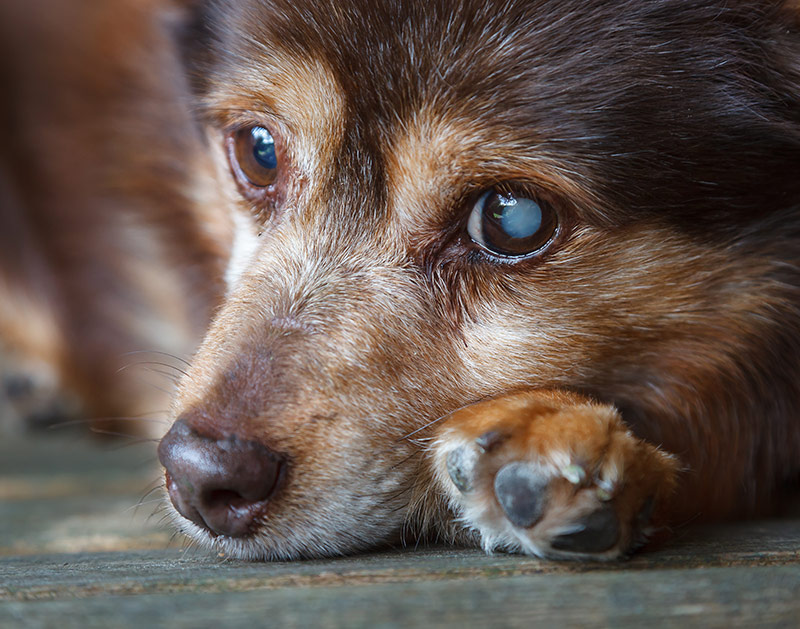
Signs of eye or vision problems can include:
- Cloudy eyes
- Redness
- Squinting
- Eye discharge
- Pawing at the eye
- Bumping into objects
- Hesitating on stairs
- Reluctance to go out at night
- Sudden loss of vision
- Enlarged or painful-looking eyes
Not all cloudy eyes are cataracts, and not all vision changes are harmless. Eye pain can be severe, and some eye conditions can progress quickly. If your dog is squinting, has sudden vision loss, has a red or swollen eye, or seems uncomfortable, arrange a vet visit promptly.
Older dogs with reduced vision can often adapt well with support. Keeping furniture in familiar positions, using baby gates near stairs, providing good lighting and speaking before touching your dog can all help.
Related reading:
Hearing loss
Hearing loss can develop gradually in older dogs. You may notice your dog no longer responds to their name, sleeps through noises, startles easily when approached, or seems confused by commands they previously understood.
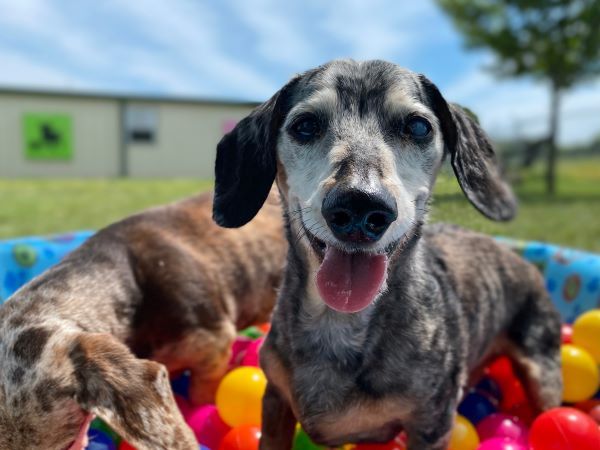
Although age-related hearing loss may not be reversible, it can often be managed with simple adjustments. You can help your dog by:
- Using hand signals
- Approaching from the front where possible
- Avoiding startling them while they sleep
- Keeping them on lead near roads or hazards
- Using vibration cues or visual cues during training
- Maintaining a predictable routine
A vet check is still worthwhile if hearing changes appear suddenly or are accompanied by head shaking, ear discharge, pain or balance problems, as these may indicate an ear infection or other medical issue.

Heart disease and breathing changes
Heart disease is more common in older dogs and may develop gradually. Some dogs are diagnosed after a vet hears a heart murmur during a routine check-up, while others may show signs of reduced stamina or breathing changes.
Signs that may suggest heart disease or another serious respiratory problem include:
- Coughing, especially at night or after exercise
- Breathing faster than usual at rest
- Exercise intolerance
- Tiring easily on walks
- Fainting or collapse
- Weakness
- Restlessness at night
- Swollen abdomen
- Pale or bluish gums
- Difficulty breathing
These signs should not be ignored. Your vet may recommend a heart examination, chest X-rays, blood tests, blood pressure measurement, ECG or ultrasound, depending on your dog’s symptoms.
Many heart conditions can be managed with medication and monitoring, especially when detected early.
Related reading:
Kidney disease, diabetes and hormonal conditions
Changes in thirst, urination, appetite or weight can be important warning signs in older dogs. Several internal diseases can cause similar symptoms, including kidney disease, diabetes, Cushing’s disease, liver disease and thyroid disorders.
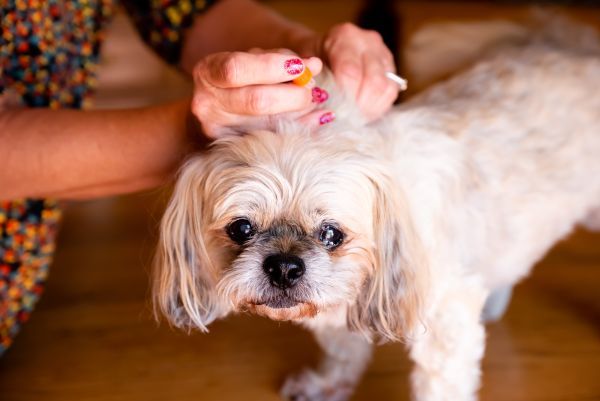
Signs to watch for include:
- Drinking more water
- Urinating more often
- Accidents indoors
- Weight loss
- Weight gain
- Increased hunger
- Reduced appetite
- Vomiting
- Diarrhoea
- Lethargy
- Poor coat condition
- Pot-bellied appearance
- Panting more than usual
Because these symptoms overlap, testing is usually needed to identify the cause. Your vet may recommend blood tests, urine tests, blood pressure checks, imaging or further diagnostic tests.
Many chronic conditions can be managed with medication, diet, monitoring and regular vet follow-ups. Early diagnosis can help slow progression, improve comfort and reduce the risk of complications.
Related reading:
Cognitive dysfunction and behaviour changes
Some older dogs develop canine cognitive dysfunction, sometimes described as dog dementia. This is a decline in brain function that can affect memory, learning, awareness, sleep and behaviour.
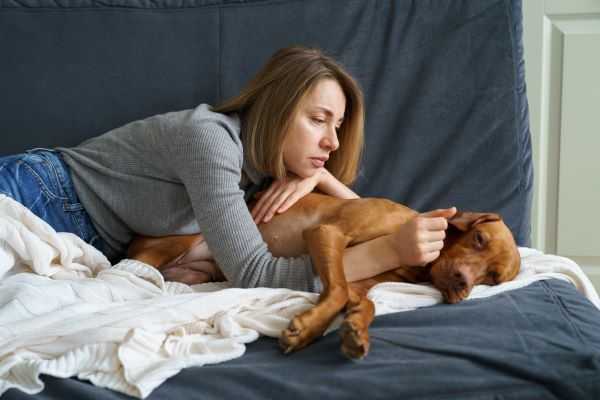
Signs of cognitive dysfunction may include:
- Confusion or disorientation
- Getting stuck in corners or behind furniture
- Pacing or restlessness
- Night waking
- Increased anxiety
- Barking or vocalising more
- Staring into space
- Forgetting learned commands
- House soiling
- Reduced interaction with family members
- Changes in sleep patterns
Behaviour changes in older dogs can also be caused by pain, vision loss, hearing loss, anxiety, hormonal disease or other medical problems. For this reason, it is important to speak to your vet rather than assuming the change is purely behavioural.
Management may include environmental changes, routine, enrichment, medication, supplements, diet changes or treatment of underlying pain or disease. While cognitive dysfunction may not be curable, support can often improve quality of life.
Because it is difficult to predict the costs of veterinary care, it can help to have measures in place to help prepare for the unexpected. Pet insurance can help by covering a portion of the eligible vet bill if the unexpected does happen.
Get a quick quote
Weight changes and nutrition in older dogs
Weight changes are common in senior dogs, but they should not be ignored. Some older dogs gain weight because they are less active or have reduced muscle mass. Others lose weight because of dental disease, kidney disease, diabetes, cancer, digestive problems, heart disease or other medical conditions.
Signs that your older dog’s weight or nutrition needs attention include:
- Unexplained weight loss
- Noticeable muscle loss
- Sudden weight gain
- Reduced appetite
- Increased hunger
- Difficulty chewing
- Vomiting or diarrhoea
- Poor coat condition
- Low energy
A healthy weight can help reduce strain on joints, support mobility and lower the risk of some chronic conditions. Your vet can assess your dog’s body condition and recommend an appropriate diet, feeding amount and exercise plan.
Not every older dog needs a “senior” diet, and diet changes should be based on your dog’s health, weight, activity level and any diagnosed conditions.
How to care for a senior dog at home
Small changes at home can make a big difference to an older dog’s comfort and confidence.
Helpful senior dog care tips include:
- Book regular vet check-ups, often every six months for senior dogs
- Monitor weight, appetite, thirst, toileting and behaviour
- Keep your dog at a healthy weight
- Provide gentle, regular exercise
- Use non-slip mats on slippery floors
- Provide supportive bedding
- Use ramps or steps where appropriate
- Keep nails trimmed to support grip and mobility
- Maintain dental care
- Keep parasite prevention up to date
- Avoid sudden changes to routine
- Provide enrichment, scent games and gentle play
- Make food, water and bedding easy to access
- Keep your dog warm in cooler weather
- Watch for signs of pain or discomfort
Your vet may also recommend screening tests such as blood tests, urine tests, blood pressure checks or imaging, especially if your dog is showing symptoms or has a chronic condition.
Learn more about caring for a senior dog.
When to seek urgent veterinary care
Some symptoms in older dogs need urgent veterinary attention.
Contact a vet urgently if your dog has:
- Difficulty breathing
- Collapse or fainting
- Sudden weakness or paralysis
- Seizures
- Pale, blue or white gums
- A swollen or bloated abdomen
- Repeated vomiting
- Severe diarrhoea
- Blood in vomit, urine or stool
- Inability to urinate
- Severe pain
- Suspected poisoning
- Sudden blindness
- Major trauma, such as being hit by a car
- A rapidly worsening condition
If you are unsure whether your dog’s symptoms are urgent, it is safest to call your vet or an emergency veterinary hospital for advice.

Can pet insurance help with older dog health problems?
As dogs age, they may be more likely to need veterinary care for illnesses, injuries or chronic conditions. Diagnostic tests, medication, surgery, emergency treatment and ongoing management can all add up over time.
Bow Wow Meow Pet Insurance can help provide financial support for eligible unexpected illnesses and injuries, depending on your level of cover, policy limits, waiting periods and exclusions. You can start your pet’s cover any time before the age of 9 years when you first apply. As long as we continue to provide the product, we’ll offer renewal of your policy every year for your pet’s life (subject to the terms and conditions of the policy). As with most pet insurance policies, pre-existing conditions are generally not covered, so it is worth considering cover before signs or symptoms appear.
Conclusion
Older dogs can experience a wide range of health changes, from arthritis, dental disease, lumps and skin problems to changes in vision, hearing, heart health, kidney function, weight and behaviour. While some changes may happen gradually with age, symptoms such as stiffness, weight loss, increased thirst, coughing, confusion, new lumps or reduced appetite should not be dismissed as normal ageing. Regular vet checks, early treatment, appropriate home care and close monitoring can all help senior dogs stay more comfortable and maintain a better quality of life.
ØBased on PetSure claims data, 2025 calendar year. Reimbursement for these claims under a pet insurance policy would be subject to limits, such as annual benefit limits or sub-limits, benefit percentage, applicable waiting periods and any applicable excess. Cover is subject to the policy terms and conditions. You should consider the relevant Product Disclosure Statement or policy wording available from the relevant provider. Please note that values calculated are based on all claims for that condition and medically related conditions in each calendar year.
Bow Wow Meow Pet Insurance can help protect you and your dog should an unexpected trip to the vet occur.
-
Find out more about our dog insurance options
-
Get an online pet insurance quote
Bow Wow Meow is proud to have been awarded winner of Canstar’s ‘Most Satisfied Customers’ Award in the Pet Insurance category for both 2024 and 2025!
Bow Wow Meow is proud to be the only Pet Insurer that has been awarded Product Review’s Top Rated Pet Insurance every year from 2018 to 2026! This is based on 3,193 independent customer reviews (as at 09/04/2026), with an overall rating of 4.5 stars.

We also have the following ratings on other review platforms:
Google Review rating of 4.5 stars (based on 1,358 reviews)
Trust Pilot rating of 4.6 stars (based on 555 reviews)
Bow Wow Meow has been chosen as Winner of 4 categories in the 2026 Finder Pet Insurance Customer Satisfaction Awards!




– Most Trusted Pet Insurance
– Easiest to Claim Pet Insurance
– Most Recommended Pet Insurance
– Legendary Service Pet Insurance
We also received Highly Commended Awards for Loved Brand Pet Insurance and Best Value Pet Insurance.
Bow Wow Meow is an Australian-owned and operated pet insurance provider. Our focus is purely on pets, and we are proud to have helped provide peace of mind to over 200,000 Aussie pet owners since 2008.