Caring for older dogs: Senior dog care tips
Summary
As dogs grow older, their needs often change. They may slow down, sleep more, lose muscle, gain weight more easily, develop stiffness, need more frequent vet checks or become less tolerant of changes to their routine. With the right care, many senior dogs can remain happy, comfortable and engaged well into their later years. Caring for an older dog is not only about managing health problems; it is also about supporting their comfort, mobility, nutrition, mental wellbeing and quality of life every day. This guide covers practical tips for caring for senior dogs, including diet, exercise, vet care, dental health, grooming, home adjustments and signs that your older dog may need veterinary attention.
When is a dog considered old?
There is no single age at which every dog becomes senior. Dogs age at different rates depending on their size, breed, genetics, lifestyle and overall health.
As a general guide, large and giant breeds tend to reach their senior years earlier than small breeds. A large breed dog may be considered senior from around 6 or 7 years of age, while a small breed dog may not be considered senior until closer to 9 or 10 years of age.
Rather than relying only on age, look for changes in your dog’s usual behaviour, movement, appetite, weight, sleep, toileting and energy levels. These changes can help indicate when your dog’s care routine may need adjusting.
Book regular senior dog vet checks
Regular vet checks are one of the most important parts of caring for an older dog. Senior dogs are more likely to develop chronic or age-related conditions, and some early signs can be subtle.
Many older dogs benefit from vet checks at least once a year, and often every six months, especially if they have existing health conditions or noticeable changes in behaviour or mobility.
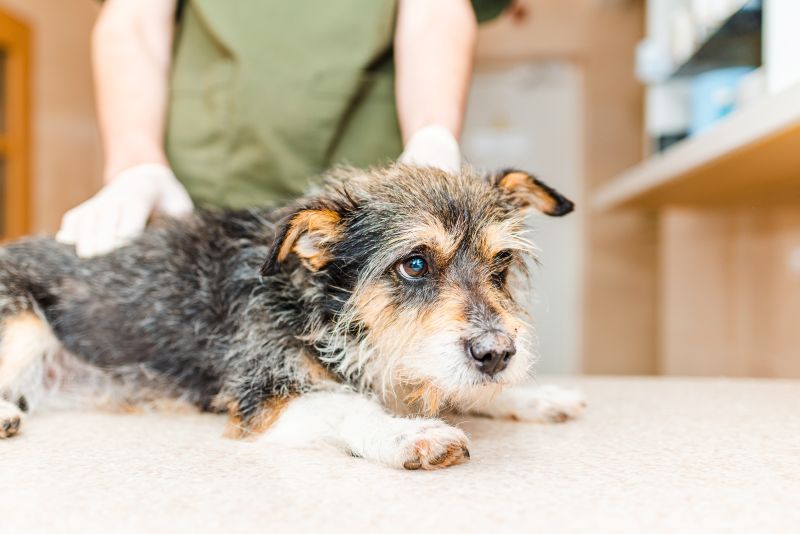
A senior dog health check may include:
- A physical examination
- Weight and body condition assessment
- Dental check
- Joint and mobility assessment
- Heart and lung check
- Skin, coat, eye and ear assessment
- Blood and urine tests, where recommended
- Blood pressure checks, where appropriate
- Discussion of diet, exercise, medication and home care
Tell your vet about any changes you have noticed, even if they seem minor. Increased thirst, weight loss, stiffness, coughing, bad breath, confusion, accidents indoors or reduced appetite can all be important clues.
Feed a diet suited to your senior dog
Older dogs may have different nutritional needs from younger adult dogs. Some senior dogs need fewer calories because they are less active, while others need nutritional support to maintain muscle or manage a medical condition.
A suitable diet for an older dog should support:
- Healthy body weight
- Muscle maintenance
- Digestive health
- Joint health
- Dental comfort
- Energy levels
- Any diagnosed medical conditions
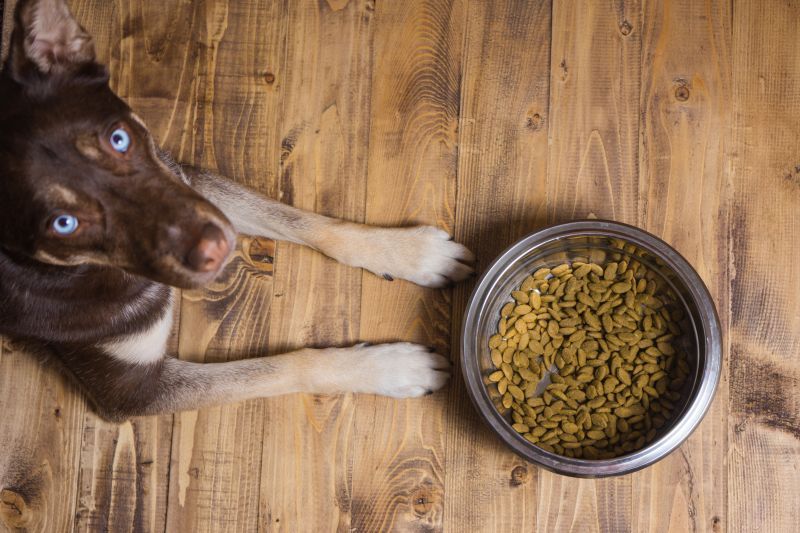
Not every older dog needs a specific “senior” diet. The best food depends on your dog’s age, size, weight, body condition, activity level, dental health and any medical conditions such as kidney disease, diabetes, arthritis, heart disease or digestive problems.
If your dog is gaining weight, losing weight, eating less, drinking more, vomiting, having diarrhoea or struggling to chew, speak to your vet before changing their diet.
Monitor weight, body condition and muscle loss
Weight changes are common in older dogs, but they should not be ignored. Some senior dogs gain weight because they are less active, while others lose weight or muscle due to dental disease, arthritis, kidney disease, diabetes, cancer, digestive problems or other health issues.
It is helpful to monitor:
- Body weight
- Waistline and body shape
- Rib coverage
- Muscle tone, especially around the hind legs
- Appetite
- Energy levels
- Ability to rise, walk and climb stairs
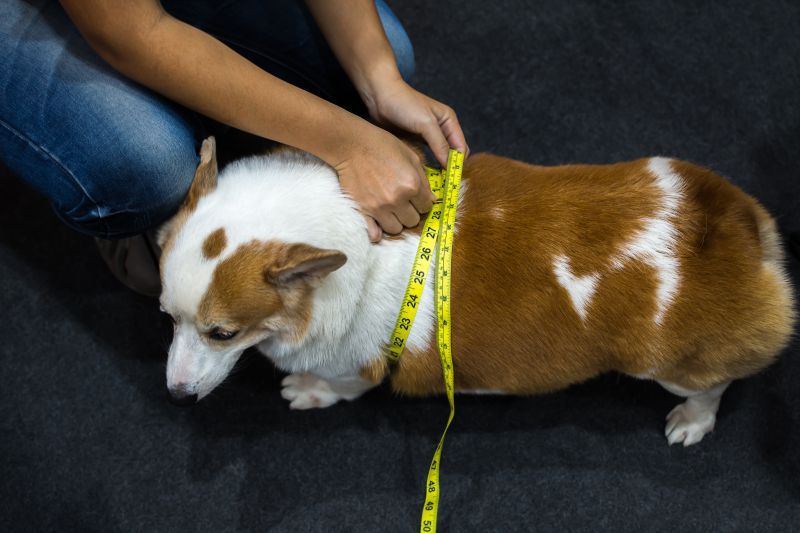
A dog can be overweight and still losing muscle, so body condition and muscle condition are both important. If your dog’s shape, weight or strength changes, arrange a vet check.
Maintaining a healthy weight can reduce strain on the joints, support mobility and help lower the risk of some health problems.
Adjust meals for comfort and digestion
Some older dogs do better with smaller, more frequent meals, especially if they have digestive issues, dental discomfort or reduced appetite.
You may be able to make mealtimes easier by:
- Feeding smaller meals more often
- Adding warm water to dry food to soften it
- Using wet food if recommended by your vet
- Raising bowls if your dog has neck or joint discomfort
- Using non-slip mats under bowls
- Keeping food and water easy to access
- Avoiding sudden diet changes
Any diet change should be gradual unless your vet advises otherwise. Sudden changes can cause stomach upset, particularly in older dogs with sensitive digestion.
Keep your senior dog moving
Exercise remains important for older dogs, but it may need to be gentler and more consistent. Regular movement helps support joint mobility, muscle strength, weight control, circulation and mental wellbeing.
For many senior dogs, shorter and more frequent walks are better than one long or strenuous walk. Your dog may still enjoy being outdoors, sniffing, exploring and spending time with you, even if they cannot walk as far as they once did.
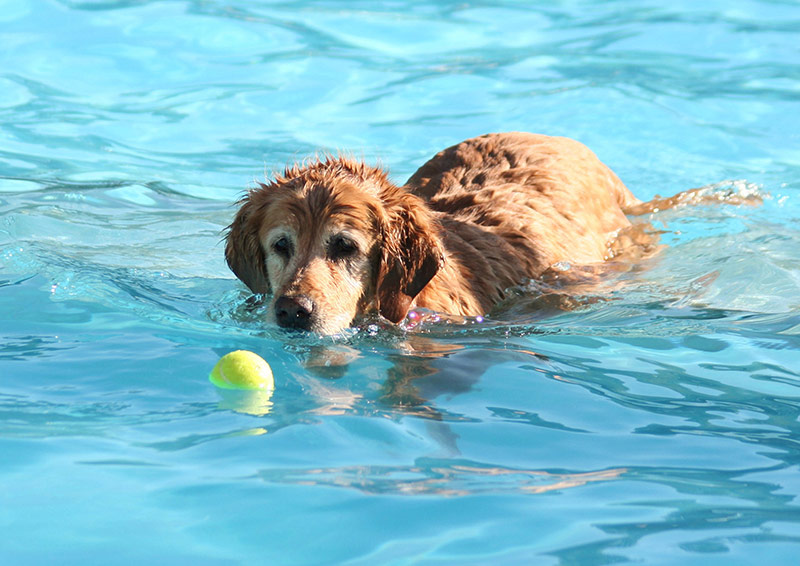
Suitable exercise for older dogs may include:
- Short walks
- Gentle sniff walks
- Swimming or hydrotherapy, if appropriate
- Slow play sessions
- Gentle stretching guided by a vet or physiotherapist
- Controlled movement on soft, non-slip surfaces
Avoid pushing your older dog to keep up with younger dogs or continue exercise if they are limping, panting excessively, slowing down, refusing to move or seeming sore afterwards.
If your dog has arthritis, heart disease, obesity or another medical condition, ask your vet for advice before changing their exercise routine.
Support sore joints and mobility
Many older dogs develop stiffness, arthritis or reduced mobility. Signs can include difficulty getting up, limping, reluctance to jump, trouble with stairs, shorter walks, slipping on floors or hesitating before getting into the car.
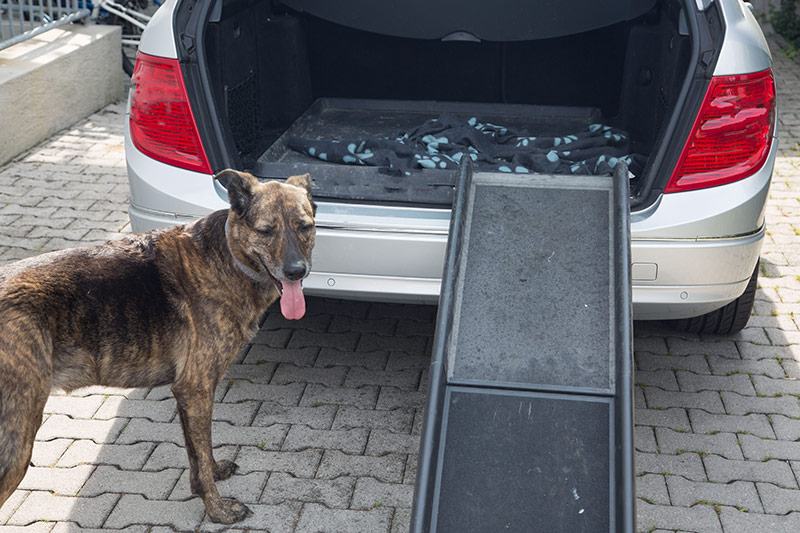
You can help your dog move more comfortably by:
- Using non-slip mats or carpet runners
- Providing supportive bedding
- Keeping nails trimmed
- Using ramps or steps for cars, couches or beds
- Avoiding slippery floors where possible
- Keeping food, water and bedding on one level
- Using harnesses that provide gentle support
- Maintaining a healthy weight
- Following your vet’s pain management plan
Do not give human pain medication to your dog unless specifically directed by a vet, as some human medicines can be dangerous or toxic to dogs.
Make your home senior-dog friendly
Small home adjustments can make a big difference to your older dog’s confidence and comfort.
Consider:
- Soft, supportive bedding in a quiet area
- Non-slip flooring in high-use areas
- Easy access to food and water
- Ramps or steps where needed
- Baby gates near stairs if vision or mobility is reduced
- A warm sleeping area in winter
- Cool, shaded spaces in summer
- Clear pathways with fewer obstacles
- Night lights for dogs with reduced vision
- Keeping furniture in familiar positions
- Easy outdoor access for toileting
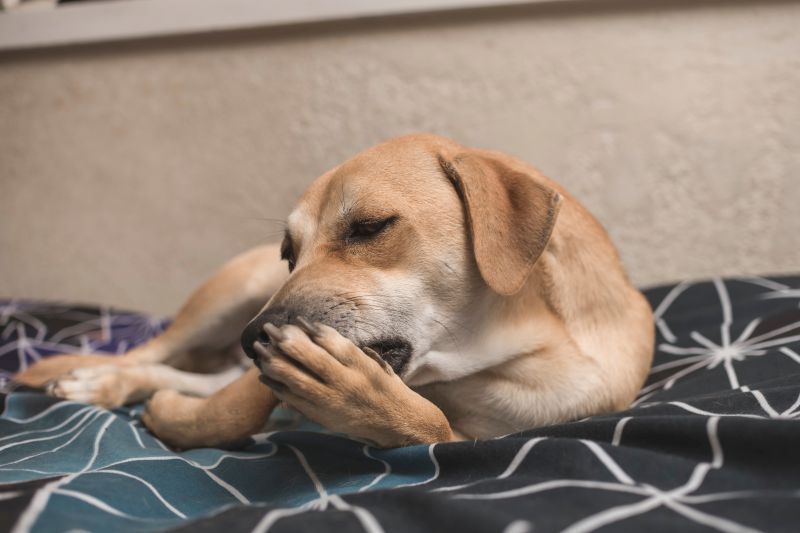
Older dogs may become more sensitive to noise, temperature changes, household activity or disruption. A predictable routine and comfortable resting place can help them feel secure.
Maintain dental care
Dental disease is common in older dogs and can cause pain, infection, bad breath, difficulty eating and reduced quality of life.
Signs of dental problems include:
- Bad breath
- Red or bleeding gums
- Drooling
- Dropping food
- Chewing on one side
- Pawing at the mouth
- Reduced appetite
- Facial swelling
- Loose or missing teeth
Regular dental checks are important because many dogs hide mouth pain. Your vet may recommend professional cleaning, dental X-rays, extractions, pain relief or at-home dental care.
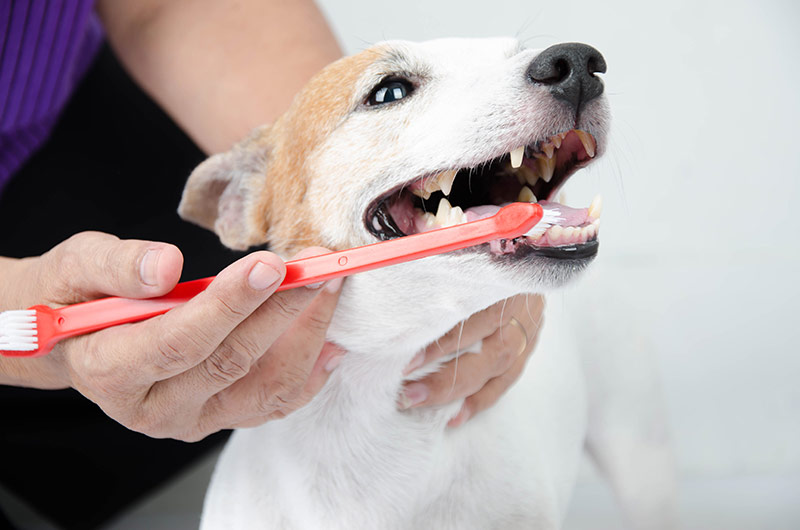
At home, dental care may include brushing, dental chews, dental diets or oral care products recommended by your vet. It is never too late to ask your vet about the best dental routine for your dog.
]Keep up grooming and skin checks
Grooming is about more than appearance. Regular grooming helps keep your older dog comfortable and gives you the chance to check for changes.
During grooming, look for:
- New lumps or bumps
- Skin sores
- Redness or irritation
- Hair loss
- Scabs
- Matted fur
- Fleas or ticks
- Overgrown nails
- Changes in coat quality
- Pain when touched
Older dogs may be less flexible and may not groom or scratch themselves as effectively. Long-haired dogs can develop mats more easily, and dogs with arthritis may find some grooming positions uncomfortable.
Keep grooming sessions gentle and short. Use non-slip surfaces and avoid forcing your dog to stand for too long. If your dog has painful joints, skin disease or anxiety around grooming, ask your vet or a professional groomer for advice.

Support eyesight and hearing changes
Some senior dogs develop reduced vision, hearing loss or both. These changes can make them more easily startled or less confident in unfamiliar environments.
Signs of vision or hearing changes may include:
- Bumping into objects
- Hesitating on stairs
- Reluctance to go outside at night
- Cloudy eyes
- Not responding to their name
- Sleeping through noise
- Startling when touched
- Becoming more anxious
You can help by keeping furniture in familiar places, using night lights, approaching from the front, using hand signals, keeping your dog on lead near roads and avoiding sudden surprises.
Sudden vision loss, painful eyes, head shaking, ear discharge or balance problems should be checked by a vet promptly.
Provide mental stimulation
Older dogs still need mental enrichment. Even if they are less physically active, they can benefit from gentle activities that keep their brain engaged.
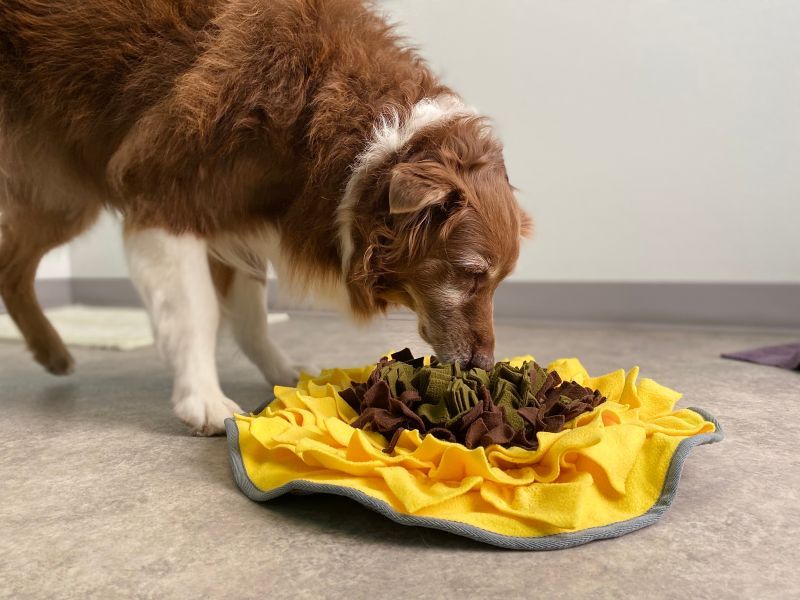
Ideas for senior dog enrichment include:
- Sniff walks
- Food puzzles
- Treat-search games
- Gentle training
- Learning simple hand signals
- Rotating toys
- Calm social time
- Short visits to familiar places
- Scent games around the home or garden
Mental stimulation can help reduce boredom and support confidence, especially for dogs that can no longer manage long walks or energetic play.
Keep activities short and positive. If your dog becomes tired, frustrated or sore, stop and let them rest.
Watch for behaviour and cognitive changes
Some older dogs develop canine cognitive dysfunction, sometimes described as dog dementia. Behaviour changes can also be caused by pain, anxiety, hearing loss, vision loss or medical conditions, so a vet check is important.
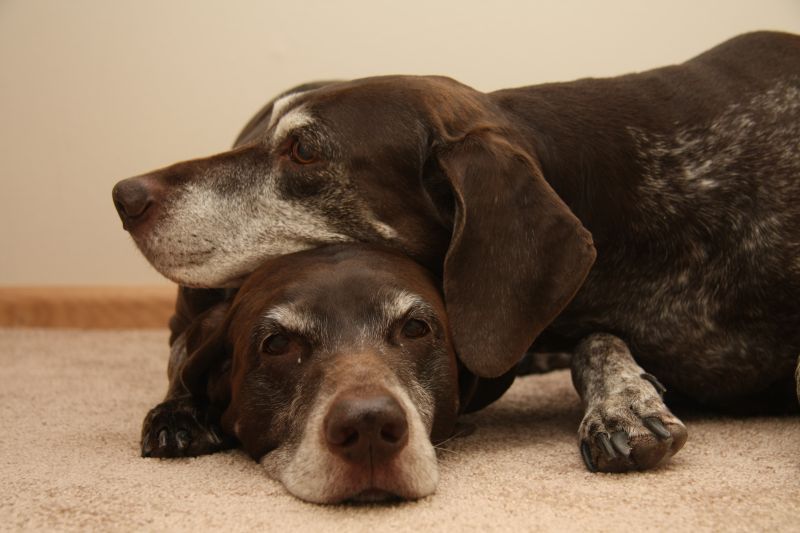
Signs to watch for include:
- Confusion or disorientation
- Pacing
- Night waking
- Staring into space
- Getting stuck in corners
- House soiling
- Increased anxiety
- Barking or whining more
- Reduced interaction with family
- Forgetting familiar routines
- Changes in sleep patterns
A consistent routine, mental enrichment, gentle exercise and a calm home environment may help. Your vet may also recommend dietary support, medication or other management options depending on your dog’s needs.
Keep vaccinations, parasite prevention and routine care up to date
Older dogs still need preventive care. Vaccination, parasite prevention and routine health checks remain important, although the exact schedule should be guided by your vet based on your dog’s lifestyle, health and risk factors.
Preventive care may include:
- Vaccinations
- Flea, tick and worm prevention
- Dental checks
- Nail trims
- Weight monitoring
- Skin and lump checks
- Blood and urine testing where recommended
- Medication reviews for dogs on long-term treatment
If your dog has a chronic condition, regular monitoring can help your vet adjust treatment and detect complications earlier.
Help your senior dog feel safe and comfortable
Emotional comfort is an important part of senior dog care. Older dogs may become more dependent, more anxious or less tolerant of busy environments.
You can support your dog by:
- Keeping a predictable routine
- Providing a quiet resting space
- Avoiding sudden changes where possible
- Supervising interactions with young children or energetic pets
- Giving your dog time to rest
- Using gentle handling
- Keeping walks calm and manageable
- Being patient if your dog is slower or more hesitant
Senior dogs may need more patience, but they can still enjoy affection, companionship, gentle play and daily rituals.
Know when to call the vet
Contact your vet if you notice:
- Weight loss or sudden weight gain
- Increased thirst or urination
- Reduced appetite
- Vomiting or diarrhoea
- Coughing or breathing changes
- Limping or stiffness
- Difficulty rising
- Bad breath or trouble eating
- New lumps or changing lumps
- Confusion or night waking
- Accidents indoors
- Eye redness, cloudiness or discharge
- Ear discharge or head shaking
- Skin sores, itching or hair loss
- Signs of pain or distress
Seek urgent veterinary care if your dog collapses, has difficulty breathing, cannot urinate, has repeated vomiting, has severe diarrhoea, has pale or blue gums, has a seizure, has sudden paralysis, has a swollen abdomen, is in severe pain or has suffered trauma.
Because it is difficult to predict the costs of veterinary care, it can help to have measures in place to help prepare for the unexpected. Pet insurance can help by covering a portion of the eligible vet bill if the unexpected does happen.
Get a quick quote
Can pet insurance help with senior dog care?
As dogs get older, they may be more likely to need veterinary care for illnesses, injuries or chronic conditions. Vet consultations, diagnostic tests, medication, surgery, emergency treatment and ongoing management can become costly.
Bow Wow Meow Pet Insurance can help provide financial support for eligible unexpected illnesses and injuries, depending on your level of cover, policy limits, waiting periods and exclusions. You can start your pet’s cover any time before the age of 9 years when you first apply. As long as we continue to provide the product, we’ll offer renewal of your policy every year for your pet’s life (subject to the terms and conditions of the policy). As with most pet insurance policies, pre-existing conditions are generally not covered, so it is worth considering cover before signs or symptoms appear.
Conclusion
Caring for an older dog means adapting to their changing needs while continuing to support their comfort, health and happiness. A suitable diet, regular vet checks, gentle exercise, dental care, grooming, mental stimulation and a senior-friendly home can all help improve quality of life. By watching for changes in your dog’s movement, appetite, weight, behaviour, toileting and energy levels, you can seek veterinary advice early and help your senior dog enjoy their later years as comfortably as possible.
Bow Wow Meow Pet Insurance can help protect you and your dog should an unexpected trip to the vet occur.
-
Find out more about our dog insurance options
-
Get an online pet insurance quote
Bow Wow Meow is proud to have been awarded winner of Canstar’s ‘Most Satisfied Customers’ Award in the Pet Insurance category for both 2024 and 2025!
Bow Wow Meow is proud to be the only Pet Insurer that has been awarded Product Review’s Top Rated Pet Insurance every year from 2018 to 2026! This is based on 3,193 independent customer reviews (as at 09/04/2026), with an overall rating of 4.5 stars.

We also have the following ratings on other review platforms:
Google Review rating of 4.5 stars (based on 1,358 reviews)
Trust Pilot rating of 4.6 stars (based on 555 reviews)
Bow Wow Meow has been chosen as Winner of 4 categories in the 2026 Finder Pet Insurance Customer Satisfaction Awards!



– Most Trusted Pet Insurance
– Easiest to Claim Pet Insurance
– Most Recommended Pet Insurance
– Legendary Service Pet Insurance
We also received Highly Commended Awards for Loved Brand Pet Insurance and Best Value Pet Insurance.
Bow Wow Meow is an Australian-owned and operated pet insurance provider. Our focus is purely on pets, and we are proud to have helped provide peace of mind to over 200,000 Aussie pet owners since 2008.