Is the Newfoundland a good family dog?


Newfoundland
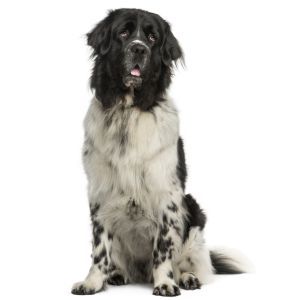
Newfoundlands are gentle and powerful giant dogs with a thick water-resistant coat, heavy build and calm, sweet-natured expression. Originally bred in Canada as working dogs for fishermen, they are known for their strength, swimming ability and famously patient temperament. Generally affectionate and devoted to their family, Newfoundlands can be protective and need space, regular grooming and careful training from a young age due to their impressive size and strength.
| Recommended for | Families or owners with plenty of space who want a gentle giant and can manage grooming, drool and size. |
| Breed Classification | Working Group |
| Other names | Newfie |
| Lifespan | 8 to 10 years |
| Size | Giant |
| Temperament | Gentle, patient, sweet and strong |
| Intelligence | Generally intelligent; best results come from patient, positive and consistent training |
| Tendency to bark | Low to moderate; usually calm |
| Maintenance Level | Brush several times weekly; heavy shedding and drool management |
| Health Risk | Newfoundlands can be prone to several inherited or structure-related health concerns, so health testing, weight management and early veterinary advice are particularly important. |
Thinking of insuring a Newfoundland?
Explore the Top 5 health issues claimed for Newfoundlands, including highest claims paid and how much pet insurance could help you save on eligible vet bills.
See Newfoundland pet insurance Ready to get cover? Get a quick quote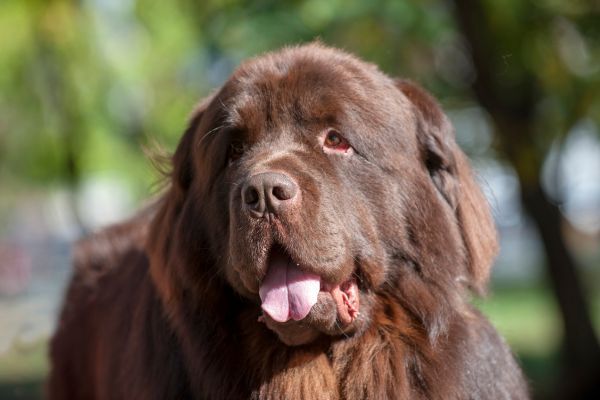
Newfoundland personality and temperament
The Newfoundland is gentle, patient and famously sweet-natured, often described as a calm and dependable family companion. Despite its giant size, it is usually soft-tempered, affectionate and tolerant.
Newfoundlands are often devoted to their families and can be naturally protective in a calm, watchful way. They need kind training, early socialisation and owners who can manage their size, strength, grooming needs and love of close companionship.
Newfoundlands with kids and other pets
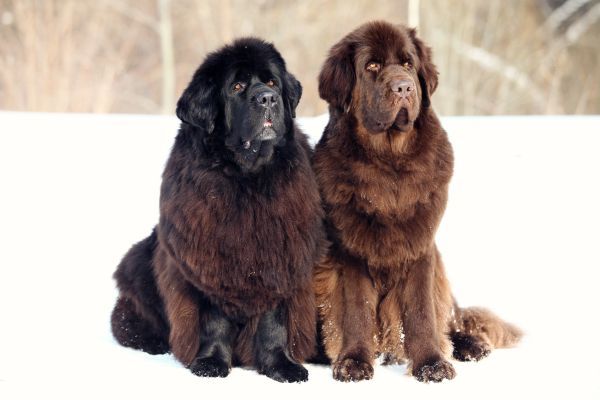
Newfoundlands are famously gentle and patient with children, often earning a reputation as kind family companions. Their calm temperament can make them excellent with kids, but their giant size means supervision is still important, especially around toddlers.
With other pets, Newfoundlands generally do well when properly socialised. They are often tolerant of other dogs and cats, although introductions should still be managed carefully because of their size and strength.
Newfoundland training and exercise
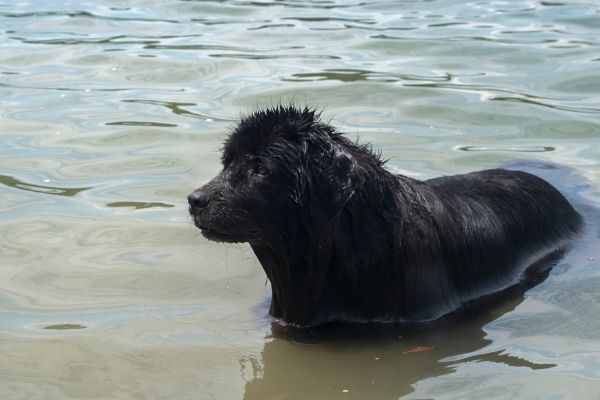
Newfoundlands need moderate daily exercise, such as steady walks, gentle play and swimming where safe and appropriate. They are large, heavy dogs, so exercise should be regular but not overly intense, particularly while young and still developing.
Training should start early because of their size and strength. Newfoundlands are usually gentle and willing, but they need consistent guidance, lead training and basic obedience from puppyhood. Positive reinforcement and calm handling work best, along with early socialisation to help them become confident around people and other animals.
| Energy level | Moderate |
| Exercise requirements | Moderate - steady walks and swimming; avoid heat and overexertion |
Common health issues for Newfoundlands
What do Newfoundland owners claim for the most?
- Hip dysplasia: A developmental condition where the hip joint forms abnormally, causing looseness, pain and reduced mobility. Genetics are a major factor, while rapid growth, excess weight and inappropriate exercise can worsen symptoms. Early diagnosis, weight control and veterinary care can help manage the condition.
- Elbow dysplasia: A developmental condition where the elbow joint forms abnormally, causing front-leg pain, stiffness and lameness. It can lead to progressive arthritis over time. Genetics are a major factor, while growth rate, diet, exercise and weight can influence severity.
- Subaortic stenosis: A congenital heart defect where a narrowing below the aortic valve makes it harder for blood to leave the heart. Mild cases may show no signs, while moderate to severe cases can cause a heart murmur, weakness, fainting, exercise intolerance or sudden death.
- Cystinuria: An inherited kidney transport disorder where cystine is not properly reabsorbed, allowing cystine to build up in the urine. This can lead to cystine bladder or kidney stones, causing straining, blood in the urine, pain or urinary blockage.
- Gastric Dilatation-Volvulus: A life-threatening emergency, also called bloat, where the stomach fills with gas or fluid and twists on itself. Signs may include a swollen abdomen, restlessness, drooling, unproductive retching, weakness or collapse.
Not all conditions are covered by Pet Insurance. For details of Bow Wow Meow Pet Insurance cover, refer to the Product Disclosure Statement.
How to choose the right insurance for your Newfoundland
When comparing cover for your Newfoundland, look for:

Cover for common Newfoundland conditions:
Check that the policy covers conditions Newfoundlands can be prone to, including common health issues.

Cover for hereditary conditions:
No exclusions for hereditary or congenital conditions⑅.

Flexible cover options:
Options to adjust your annual benefit limit, reimbursement rate and excess.
Bow Wow Meow's Nose-to-Tail Cover offers flexible options for your Newfoundland, with cover for accidental injuries, illnesses and hereditary conditions⑅. Get a quick quote for cover that suits your Newfoundland and your budget.
Newfoundland feeding and nutrition
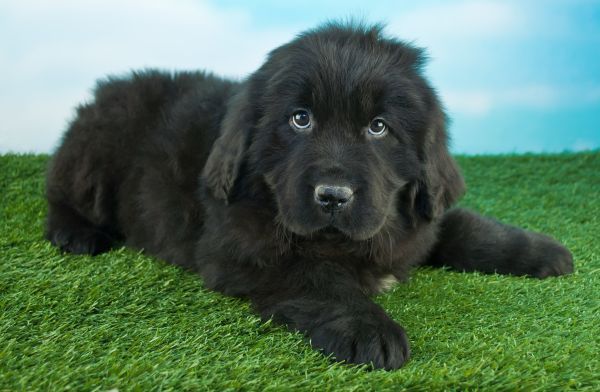
The Newfoundland needs a carefully managed large-breed diet that supports its giant size, heavy bone structure and joints. Quality protein, controlled calories and nutrients that support joint health are important, especially while the dog is growing.
Weight management is essential, as excess weight can place significant strain on a Newfoundland’s joints and heart. Puppies should be fed an appropriate large-breed puppy food to support steady growth. Adults should be fed measured meals, and treats should be limited to avoid unnecessary weight gain.
Newfoundland care and grooming
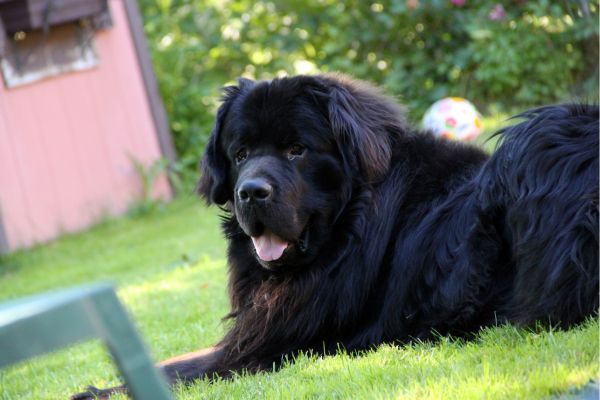
The Newfoundland has a thick, water-resistant double coat that requires regular grooming to prevent tangles and remove loose undercoat. Brushing several times a week is recommended, with extra attention behind the ears, under the legs, around the tail and along the chest where mats can form.
During seasonal shedding, daily brushing may be needed to manage the heavy coat. Bathing should be followed by thorough drying, as moisture trapped in the coat can irritate the skin. Regular nail trimming, ear cleaning and dental care are important, and owners should also be prepared to manage drool.
Size, appearance and coat of Newfoundlands
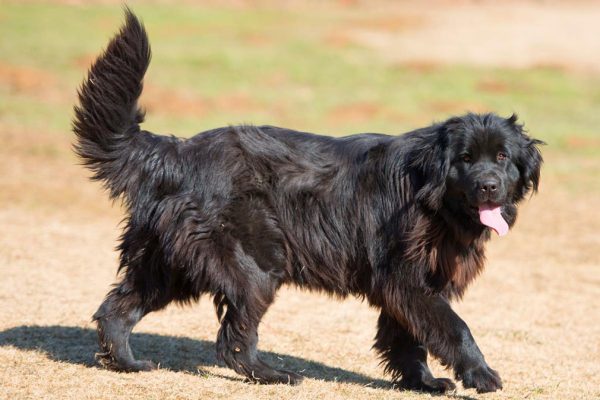
The Newfoundland is a giant, powerful dog with a broad head, deep chest and heavy-boned, well-muscled body. It has kind, dark eyes, small ears set close to the head, and a calm, gentle expression that matches its famously sweet temperament.
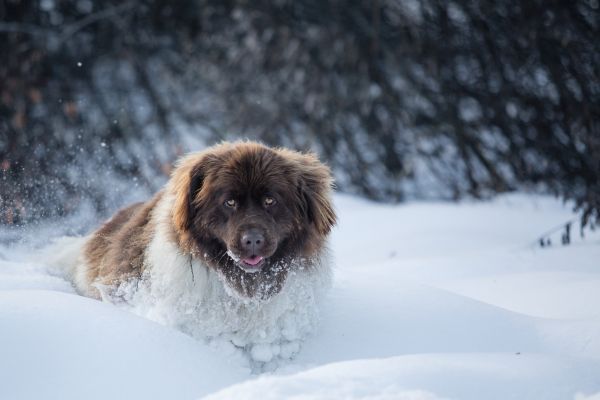
Its coat is thick, flat and water-resistant, with a dense undercoat that provides protection in cold and wet conditions. Common colours include black, brown, grey and Landseer, which is white with black markings.
| Weight range | 45 to 68 kg |
| Height range | 63 to 74 cm |
| Colours | Black, brown, grey or Landseer black-and-white |
| Coat length | Long, dense, water-resistant double coat |
Breed history of Newfoundlands
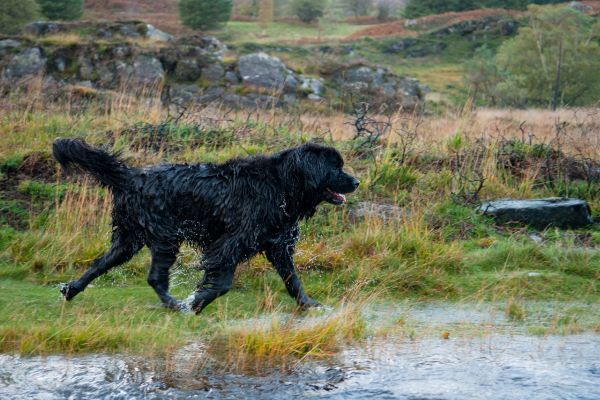
The Newfoundland developed on the island of Newfoundland, where large working dogs assisted fishermen in cold North Atlantic conditions. They hauled nets, pulled carts, carried lines between boats and became renowned for their strength and lifesaving ability in water.
The breed attracted attention in Britain during the eighteenth and nineteenth centuries, where its size, courage and swimming skills were widely admired. Stories of Newfoundland water rescues helped build the breed’s reputation, while breeders preserved its heavy coat, webbed feet, powerful body and gentle working temperament.
Explore related breeds
Newfoundland facts!
- Newfoundlands are strong swimmers with a natural instinct for helping people in water.
- Their large, webbed paws help them move through water powerfully.
- They were working dogs for fishermen, helping to haul nets, pull carts and retrieve items from the sea.
- They are known as gentle giants because of their calm, patient nature
- Their dense coat helped protect them in cold Canadian waters.
Summary
The Newfoundland is a giant, powerful breed with a thick water-resistant coat, broad head and famously gentle expression. Patient, affectionate and calm, Newfoundlands are often excellent family dogs, but their size, drool and grooming needs should not be underestimated.
They need moderate exercise, careful management while growing, regular brushing, swimming opportunities where safe, and weight control to protect their joints.
FAQs about the Newfoundland
It can be, provided the household matches the breed’s exercise, training, grooming and supervision needs.
Moderate – steady walks and swimming; avoid heat and overexertion.
Shedding depends on coat type, season and grooming routine. The breed has a long, dense, water-resistant double coat.
No. While some individuals may shed less than others, no dog breed is truly allergy-free.
Most respond well to positive, consistent training, but owners should work with the breed’s instincts rather than against them.
MORE INFORMATION
Newfoundland Club of NSW Inc.: http://www.newfoundlandclubofnsw.com/
The Newfoundland Club of Victoria Inc.: https://www.newfoundlandclubvictoria.com.au/
The Newfoundland Club: https://www.thenewfoundlandclub.co.uk/

Get 2 months free for your puppy!
Congrats on your new bundle of joy
To ensure your precious fur baby is covered from the start, we'd like to offer your first 2 months of our Nose-to-Tail Cover for free2!
Get a quick quote