Is the Miniature Schnauzer a good family dog?


Miniature Schnauzer
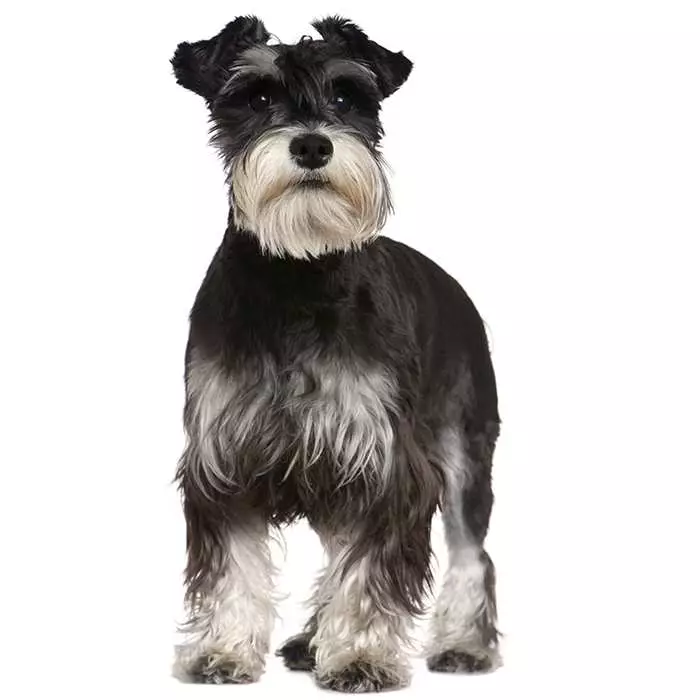
Miniature Schnauzers are lively, intelligent and affectionate small dogs known for their distinctive wiry coats, bushy eyebrows and beards. Originally developed in Germany as ratters and farm companions, they are alert, adaptable and strongly people-oriented.
| Recommended for | Active families, singles, couples and first-time owners |
| Breed Classification | Utility |
| Other names | Mini Schnauzer |
| Lifespan | 12-15 years |
| Size | Small |
| Temperament | Friendly, alert, confident, loyal, playful |
| Intelligence | High: quick learners, responsive and mentally active, with an independent streak |
| Tendency to bark | Moderate: alert and often vocal, particularly around unfamiliar activity |
| Maintenance Level | Medium-high: regular brushing, trimming and professional grooming |
| Health Risk | Miniature Schnauzers are generally long-lived dogs, but they can be predisposed to lipid disorders, pancreatitis, urinary stones, diabetes and eye disease. |
Thinking of insuring a Miniature Schnauzer?
Explore the Top 5 health issues claimed for Miniature Schnauzers, including highest claims paid and how much pet insurance could help you save on eligible vet bills.
See Miniature Schnauzer pet insurance Ready to get cover? Get a quick quote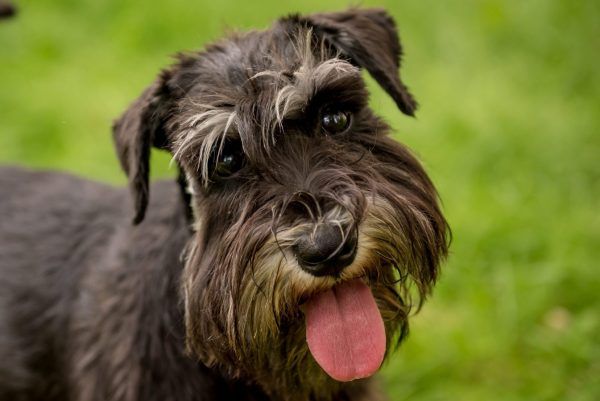
Miniature Schnauzer personality and temperament
Miniature Schnauzers are lively, affectionate and intelligent dogs that tend to form close bonds with their families. They are naturally alert and curious and often enjoy being involved in whatever their owners are doing.
Although quick to learn, they can also be independent and easily distracted, so patient, consistent reward-based training works best. Early positive socialisation can help them develop confidence around unfamiliar people, dogs and environments.
Mini Schnauzers fit well into various living environments, whether it’s a bustling city apartment or a more spacious rural home, as long as their needs for regular attention, interaction and exercise are met.
Miniature Schnauzers with kids and other pets
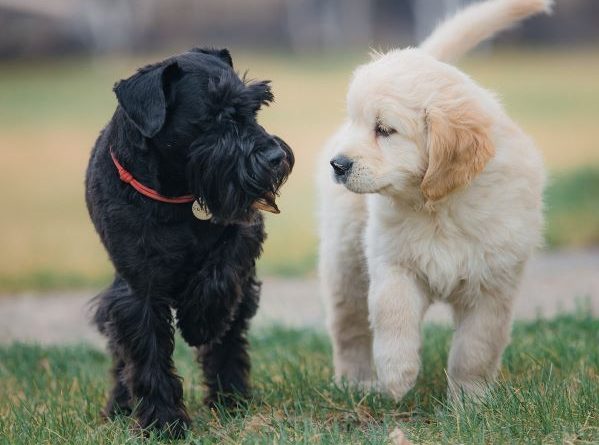
Well-socialised Miniature Schnauzers can make affectionate and playful family companions and often enjoy living with children. Their small size means interactions with younger children should be supervised, with children taught to handle the dog gently and respectfully.
They can also live successfully with other dogs and cats when appropriately introduced. However, their history as ratters means some retain a strong instinct to chase rodents, rabbits and other small animals, so individual prey drive should be taken into account.
Miniature Schnauzer training and exercise
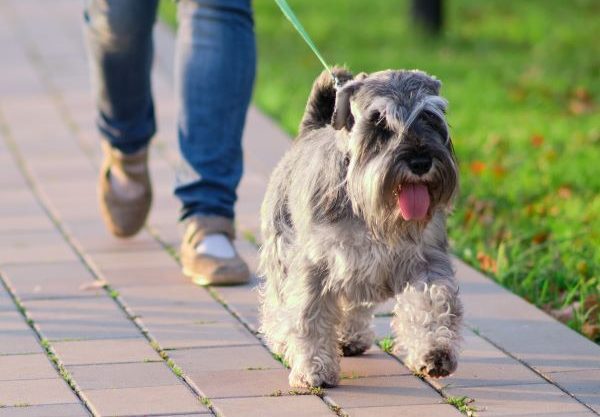
Miniature Schnauzers are active little dogs that benefit from regular daily exercise and mental stimulation. Most healthy adults enjoy around 45–60 minutes of activity each day, together with play and training. Walks, fetch, scent games, agility and learning new tricks can all help keep them physically and mentally engaged.
They are intelligent and quick to learn but may become bored with repetitive training. Short, varied sessions using positive reinforcement generally work best. Because some retain a strong chase instinct, recall training is important and off-lead exercise is safest in secure areas.
| Energy level | Medium-high: lively and active |
| Exercise requirements | Moderate: around 45–60 minutes daily plus play and mental enrichment |
Common health issues for Miniature Schnauzers
What do Miniature Schnauzer owners claim for the most?
Miniature Schnauzers are generally long-lived dogs, but they can be predisposed to several breed-related conditions affecting fat metabolism, the pancreas, urinary system and eyes. Responsible breeding and appropriate veterinary screening can help identify some inherited risks.
- Hyperlipidaemia: Miniature Schnauzers have a particular predisposition to abnormally high levels of fats such as triglycerides in the blood. Some dogs show no obvious signs, while others may develop gastrointestinal or other problems. Hyperlipidaemia is also associated with the breed’s increased risk of pancreatitis.
- Pancreatitis: Inflammation of the pancreas can cause abdominal pain, vomiting, lethargy, dehydration and loss of appetite. Miniature Schnauzers are particularly predisposed, in part because of their tendency towards high blood triglycerides. Treatment depends on severity and may include hospitalisation, fluids, pain relief and dietary management.
- Urinary stones: Miniature Schnauzers are prone to urolithiasis, including struvite and calcium oxalate stones. Signs can include frequent or painful urination, blood in the urine or difficulty passing urine; complete urinary obstruction is an emergency.
- Eye disorders: Cataracts and progressive retinal atrophy (PRA) can occur in the breed. Cataracts cloud the lens and may sometimes be treated surgically, while PRA causes progressive retinal degeneration and eventual vision loss. Routine eye screening is recommended in breeding dogs.
- Diabetes mellitus: Miniature Schnauzers are among the breeds with increased susceptibility to diabetes. Signs can include increased thirst and urination, weight loss and changes in appetite, and affected dogs generally require ongoing insulin treatment and dietary management.
Not all conditions are covered by Pet Insurance. For details of Bow Wow Meow Pet Insurance cover, refer to the Product Disclosure Statement.
How to choose the right insurance for your Miniature Schnauzer
When comparing cover for your Miniature Schnauzer, look for:

Cover for common Miniature Schnauzer conditions:
Check that the policy covers conditions Miniature Schnauzers can be prone to, including common health issues.

Cover for hereditary conditions:
No exclusions for hereditary or congenital conditions⑅.

Flexible cover options:
Options to adjust your annual benefit limit, reimbursement rate and excess.
Bow Wow Meow's Nose-to-Tail Cover offers flexible options for your Miniature Schnauzer, with cover for accidental injuries, illnesses and hereditary conditions⑅. Get a quick quote for cover that suits your Miniature Schnauzer and your budget.
Miniature Schnauzer feeding and nutrition
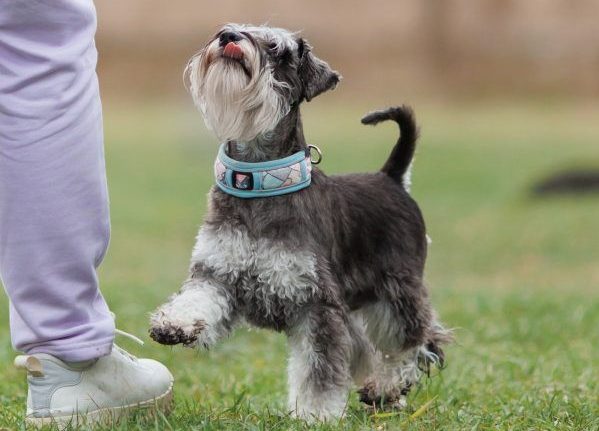
Miniature Schnauzers should be fed a complete and balanced diet appropriate for their age, body condition, activity level and health. Portions and treats should be measured carefully to maintain a lean body condition, as excess weight can contribute to metabolic problems.
Because the breed is predisposed to hyperlipidaemia and pancreatitis, very fatty foods and high-fat table scraps are best avoided, particularly in dogs with a previous history of either condition. Speak to your vet before making significant dietary changes or using a therapeutic low-fat diet.
Miniature Schnauzer care and grooming
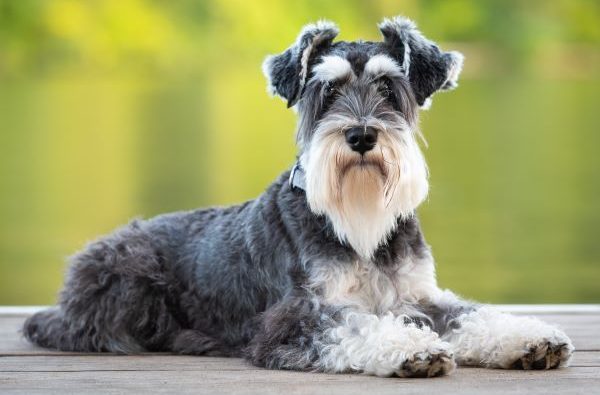
Miniature Schnauzers have a dense double coat with a harsh, wiry outer layer and softer undercoat. They shed relatively little but still require regular brushing to prevent tangles, particularly through the beard and longer leg furnishings. Most pet Miniature Schnauzers also need professional trimming or clipping every six to eight weeks to maintain a manageable coat.
Show coats are traditionally hand-stripped to preserve the harsh outer texture, while pet dogs are more commonly clipped. The beard may need frequent cleaning, and routine dental, nail and ear care is also important.
Although their low-shedding coat may suit some allergy sufferers better than heavier-shedding breeds, no dog is completely hypoallergenic.
Size, appearance and coat of Miniature Schnauzers
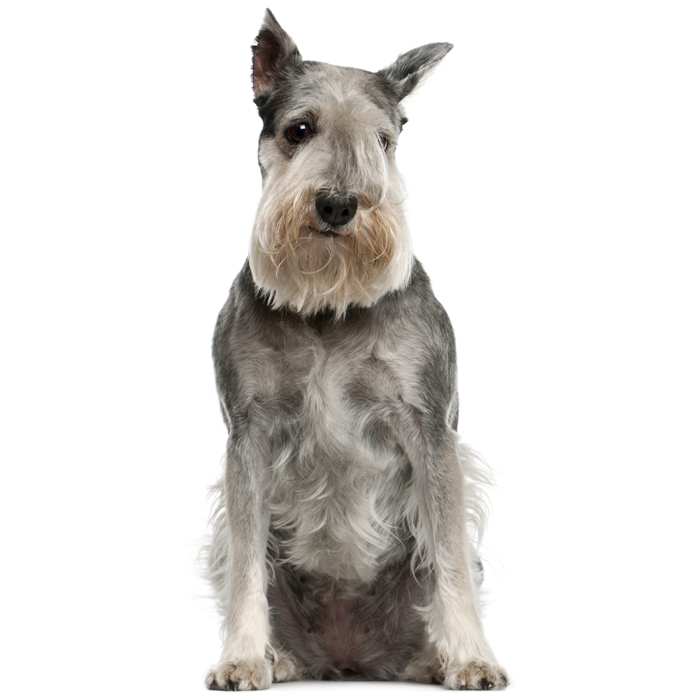
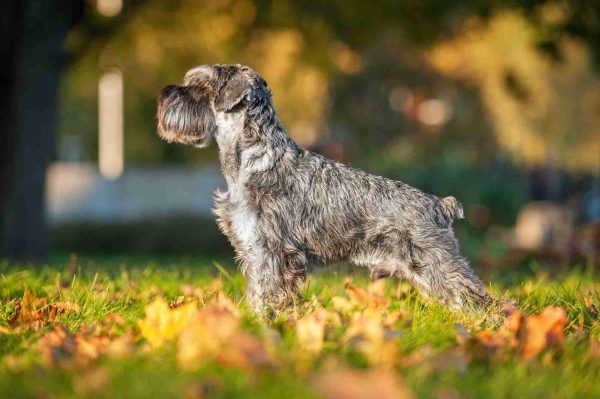
The Miniature Schnauzer is a sturdy, compact and nearly square small dog with a strong muzzle, dark oval eyes and distinctive bushy eyebrows and beard. Its natural ears are V-shaped and fold forward towards the temples.
The coat is double-layered, with a harsh, wiry outer coat and dense undercoat. Recognised colours in Australia are pepper and salt, pure black, black and silver, and white.
| Weight range | Approximately 5–9 kg |
| Height range | Approximately 33–36 cm |
| Colours | Salt and pepper, pure black, black and silver, or white |
| Coat length | Medium: wiry body coat with longer beard, eyebrows and leg furnishings |
Breed history of Miniature Schnauzers
The Miniature Schnauzer was developed in Germany during the late 19th century as a smaller version of the Standard Schnauzer. Breeders wanted a compact farm dog that retained the Schnauzer’s hardy build, intelligence and alertness while being small enough to hunt rats and other vermin around barns and homes.
Smaller Standard Schnauzers were bred with other small German dogs, with the Affenpinscher widely believed to have contributed to the breed’s development. The Miniature variety was officially recorded by 1888 and was being exhibited as a distinct breed by the end of the 19th century.
Although originally valued as a ratter, the Miniature Schnauzer quickly became popular as a companion dog. Today it is one of three distinct Schnauzer breeds alongside the Standard and Giant Schnauzer.
Explore related breeds
Miniature Schnauzer facts!
- The Miniature Schnauzer was officially recorded as a distinct variety as early as 1888, making it a surprisingly established breed rather than a modern miniaturised companion dog.
- Despite its small size, the Miniature Schnauzer was developed as a genuine working farm dog and an enthusiastic rat catcher. Many still enjoy modern activities such as Barn Hunt and scent-based games.
- The name “Schnauzer” comes from the German word Schnauze, meaning muzzle or snout, a fitting reference to the breed’s unmistakable whiskered face.
- Miniature, Standard and Giant Schnauzers are three separate breeds, not simply size varieties of one breed, and Dogs Australia does not permit inter-variety breeding.
- Miniature Schnauzers can compete in surprisingly athletic sports for such compact dogs, including agility, obedience, Earthdog and Barn Hunt.
- White is an officially recognised Miniature Schnauzer colour in Australia.
Summary
Miniature Schnauzers are intelligent, affectionate and lively small dogs that adapt well to a range of households. They are alert, playful and people-oriented, and generally enjoy regular walks, games and training.
Their low-shedding coat needs frequent grooming, and they can be prone to several breed-related health conditions. With appropriate exercise, socialisation and care, Miniature Schnauzers can make loyal and engaging companions.
FAQs about the Miniature Schnauzer
They are generally affectionate companions and can suit families, couples or singles when their individual exercise, training and grooming needs are met.
Moderate to high. Daily walks, play and mental enrichment are important, with regular opportunities for more active exercise.
They are intelligent but can be independent or strong-willed, so patient, consistent reward-based training and early socialisation are important.
They can be quite vocal, particularly when alerting, excited, bored or under-stimulated, so early training can help manage unnecessary barking.
They are relatively low shedding, but their coat or skin still requires regular grooming and maintenance to stay healthy and free of mats.
They can adapt to apartment living in the right circumstances, but owners need to meet their daily exercise, enrichment and behavioural needs consistently.
Many can live happily with children and other pets when socialised from a young age, although individual temperament and compatibility always vary.
Potential health concerns include pancreatitis, hyperlipidaemia, urinary stones, diabetes and eye disease.
No dog is completely hypoallergenic. Miniature Schnauzers shed relatively little, which may reduce the amount of loose hair and dander spread around the home, but dog allergens are also found in saliva and skin particles. People with dog allergies should not assume they will automatically tolerate a Miniature Schnauzer.
MORE INFORMATION
Miniature Schnauzer Club of NSW Inc: https://www.minischnauzerclub.com/
Schnauzer Club of NSW Inc: http://www.schnauzerclubnsw.org.au
Schnauzer Club of Victoria: https://schnauzerclubvic.com.au/

Get 2 months free for your puppy!
Congrats on your new bundle of joy
To ensure your precious fur baby is covered from the start, we'd like to offer your first 2 months of our Nose-to-Tail Cover for free2!
Get a quick quote