
Is the West Highland White Terrier a good family dog?


West Highland White Terrier
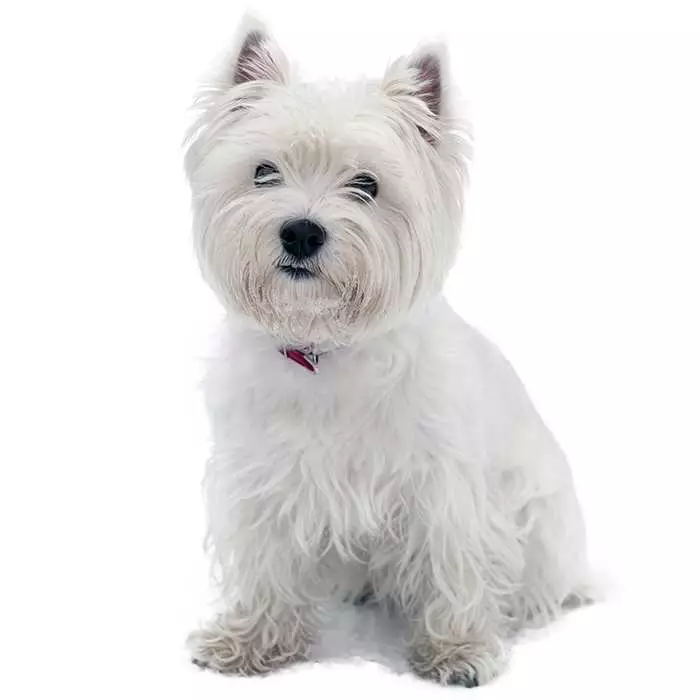
West Highland White Terriers, affectionately known as Westies, are small, sturdy dogs with distinctive white coats and lively personalities. Typically affectionate, alert and confident, they enjoy daily walks, games and involvement in family life.
| Recommended for | Active singles, couples and families |
| Breed Classification | Terriers |
| Other names | Westie |
| Lifespan | Approximately 12–16 years |
| Size | Small |
| Temperament | Affectionate, alert, confident and spirited |
| Intelligence | High: responsive to reward-based training, with an independent streak |
| Tendency to bark | Moderate to high: alert and potentially vocal |
| Maintenance Level | Moderate to high: frequent brushing and regular professional coat care |
| Health Risk | West Highland White Terriers can be prone to allergic skin and ear disease, dental disease, knee and hip conditions, dry eye, craniomandibular osteopathy and pulmonary fibrosis. |
Thinking of insuring a West Highland White Terrier?
Explore the Top 5 health issues claimed for West Highland White Terriers, including highest claims paid and how much pet insurance could help you save on eligible vet bills.
See West Highland White Terrier pet insurance Ready to get cover? Get a quick quote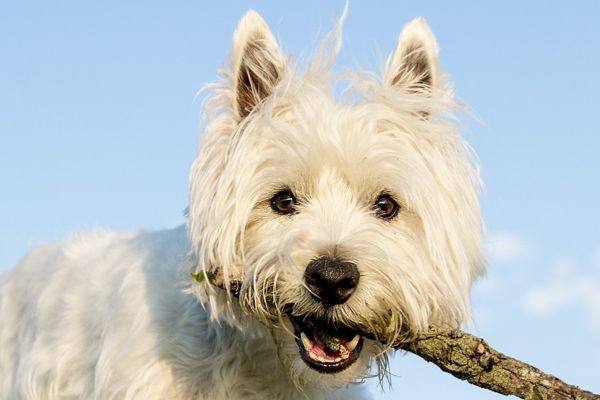
West Highland White Terrier personality and temperament
West Highland White Terriers are confident, adaptable, and affectionate dogs with a lively personality and strong sense of independence. Despite their small size, they have a bold and adventurous nature and always eager to explore and engage with their surroundings.
Highly social and people-oriented, Westies form deep bonds with their family and enjoy being at the centre of household activities. They thrive in an environment where they receives plenty of attention, mental stimulation, and playtime, making them a great choice for active families. Daily walks, interactive games, and puzzle toys help keep them engaged and prevent boredom. While they are playful and full of energy, they also enjoy moments of relaxation and affection, making them well-balanced companions.
Westies are highly intelligent, quick learners, and responsive to training, though their independent streak may require consistent and patient guidance. They are naturally curious and alert, traits that make them excellent watchdogs. They adapt well to various living situations, from city apartments to suburban homes, as long as their exercise needs are met. Though social by nature, Westies are also independent-minded and capable of entertaining themselves when left alone for short periods.
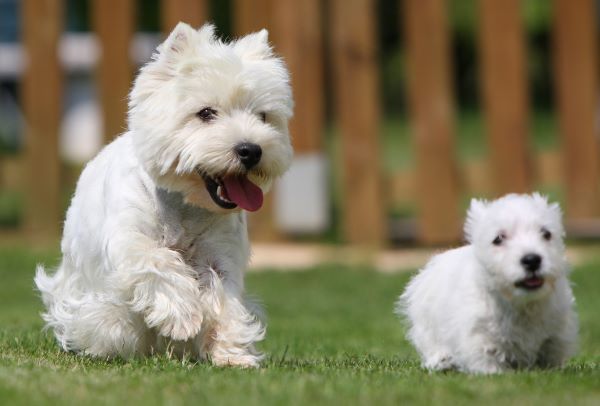
West Highland White Terriers with kids and other pets
Westies can make affectionate, playful family companions, particularly with children who understand gentle handling. Supervise interactions with young children and provide a quiet resting space where the dog can retreat undisturbed.
Many live successfully with other dogs and cats following careful introductions, but compatibility varies. Their hunting instincts mean rabbits, guinea pigs and other small animals should be securely housed and kept separate. Early socialisation does not guarantee safety around smaller pets.
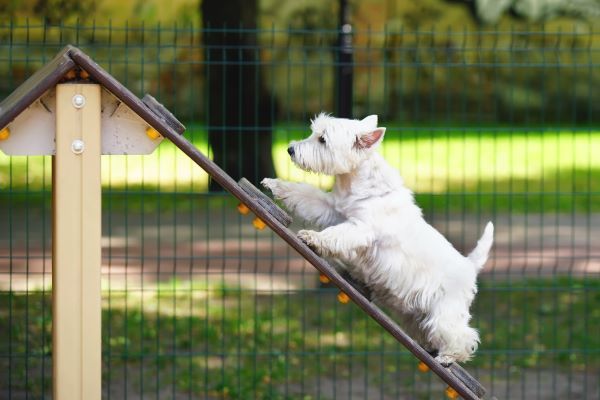
West Highland White Terrier training and exercise
West Highland White Terriers are energetic and intelligent dogs that require daily exercise and mental stimulation to stay happy and well-behaved. Despite their small size, Westies have a strong, active nature and enjoy activities like walks, interactive play, and agility training. Engaging them in games such as fetch or scent work can help satisfy their natural curiosity and high energy levels. Without regular activity, including a daily walk, they may become restless or develop undesirable behaviours.
Westies form strong bonds with their families and enjoy being actively involved in household activities. While they have an independent streak, they thrive in environments where they receive attention and interaction. They are not suited to being left alone for extended periods, as they may become bored and resort to excessive barking or mischief. Providing mental challenges, such as puzzle toys and obedience training, helps keep them engaged and prevents frustration.
Westies are highly trainable, but they require firm and consistent guidance to manage their independent spirit. They respond best to positive reinforcement methods, such as treats and praise, rather than harsh corrections. Early socialisation is essential to help them develop into well-mannered companions, especially around other pets and new experiences.
| Energy level | High: lively, active terriers |
| Exercise requirements | Moderate: around 45–60 minutes of daily walks and activity |
Common health issues for West Highland White Terriers
What do West Highland White Terrier owners claim for the most?
West Highland White Terriers can develop several breed-related health conditions, although individual dogs may remain healthy throughout their lives. Potential concerns include:
- Allergic skin and ear disease: Westies can develop persistent itching, redness, licking and recurrent skin or ear infections. Allergies may require ongoing veterinary management, and dietary changes should be guided by a vet rather than assuming food is the cause.
- Dental disease: Gum disease and other dental problems can cause discomfort, infection and tooth loss. Daily tooth brushing, veterinary dental checks and professional treatment when needed are important.
- Patellar luxation: The kneecap can slip out of position, causing intermittent skipping, lameness or discomfort. Treatment depends on the severity and may include weight management, monitoring or surgery.
- Legg–Calvé–Perthes disease: This condition affects the head of the thigh bone at the hip joint, usually in young dogs, and can cause pain and lameness. Veterinary investigation is needed, and surgery may be recommended.
- Craniomandibular osteopathy (CMO): Sometimes called “Westie jaw”, this developmental condition causes abnormal bone growth around the jaw and skull in growing puppies. Signs include jaw swelling, pain and difficulty eating. Treatment focuses on pain relief and nutritional support, with monitoring as the puppy matures.
- Pulmonary fibrosis: Also known as “Westie lung disease”, this progressive condition causes scarring in the lungs and can lead to coughing, reduced exercise tolerance and breathing difficulty. There is no established cure or reliable prevention method, so veterinary assessment and individualised management are important.
- Dry eye: Reduced tear production can cause irritation, discharge and damage to the eye’s surface. Affected dogs generally need ongoing medication and veterinary monitoring
Not all conditions are covered by Pet Insurance. For details of Bow Wow Meow Pet Insurance cover, refer to the Product Disclosure Statement.
How to choose the right insurance for your West Highland White Terrier
When comparing cover for your West Highland White Terrier, look for:

Cover for common West Highland White Terrier conditions:
Check that the policy covers conditions West Highland White Terriers can be prone to, including common health issues.

Cover for hereditary conditions:
No exclusions for hereditary or congenital conditions⑅.

Flexible cover options:
Options to adjust your annual benefit limit, reimbursement rate and excess.
Bow Wow Meow's Nose-to-Tail Cover offers flexible options for your West Highland White Terrier, with cover for accidental injuries, illnesses and hereditary conditions⑅. Get a quick quote for cover that suits your West Highland White Terrier and your budget.
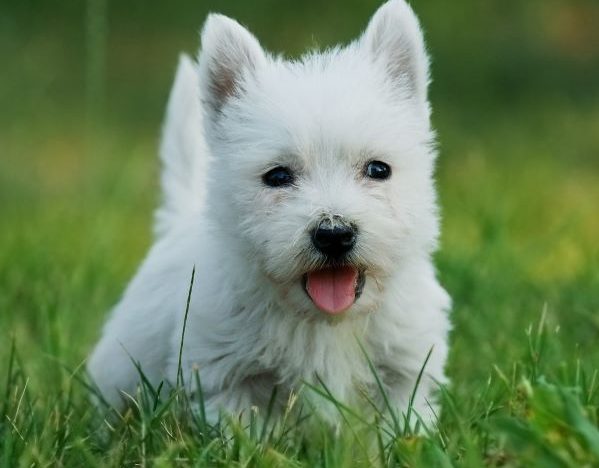
West Highland White Terrier feeding and nutrition
Feed your Westie a complete and balanced diet appropriate for their life stage, health and activity level. Measure portions, include treats in the daily allowance and adjust intake to maintain a healthy body condition.
Seek veterinary advice if your dog has persistent itching, digestive problems or changing nutritional needs. Suspected food allergies require a properly managed dietary trial, and supplements should be used only when appropriate for the individual dog.
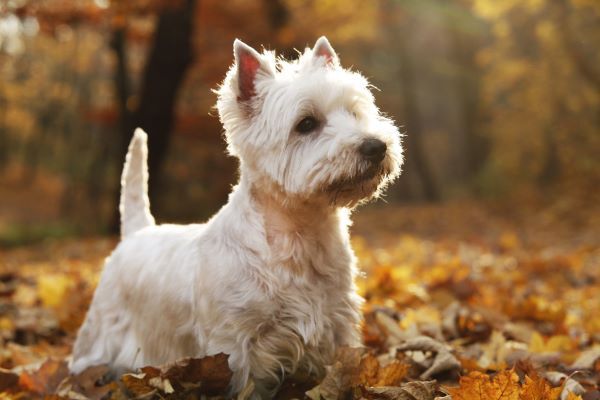
West Highland White Terrier care and grooming
West Highland White Terriers have a harsh outer coat and a soft, close undercoat that need regular maintenance. Brush and comb several times a week to remove loose hair and prevent tangles, paying particular attention to the legs, chest and facial furnishings. Arrange regular professional grooming to suit your dog’s coat and preferred trim.
Hand-stripping can help maintain the traditional harsh coat, while clipping may be a practical option for some pets. Ask an experienced groomer about the best approach for your dog’s coat, skin health and comfort. Bathe as needed with a suitable dog shampoo; dogs with skin disease may require a specific bathing routine prescribed by their vet.
Include routine nail and ear checks, daily tooth brushing and veterinary dental care. Persistent itching, redness, discharge or an unpleasant smell should be assessed rather than treated solely as a grooming problem.
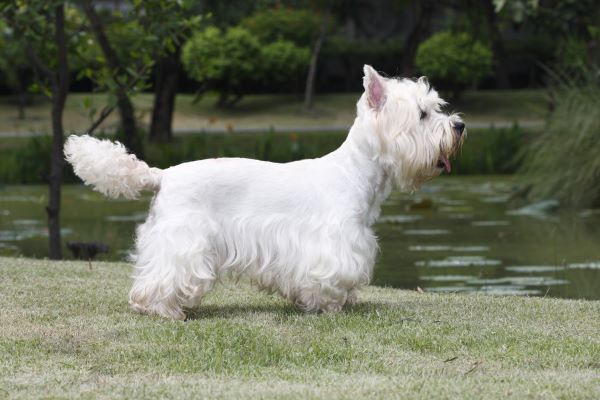
Size, appearance and coat of West Highland White Terriers
The West Highland White Terrier is a small, compact breed with a sturdy and well-proportioned build suited for its original role as a hunting terrier. It has dark, deep-set almond-shaped eyes and small, erect ears that give it an alert and confident look. Its tail is short, straight, and carried high, adding to its confident stance.
Its harsh, straight outer coat and soft undercoat provide protection against harsh weather and rough terrain. Even though pure white is the only colour accepted by kennel clubs, a small number of Westies are wheat coloured or white with darker paws.
| Weight range | Approximately 6-10 kg |
| Height range | Approximately 28 cm |
| Colours | White |
| Coat length | Medium-length, harsh outer coat with a short, soft, close undercoat |
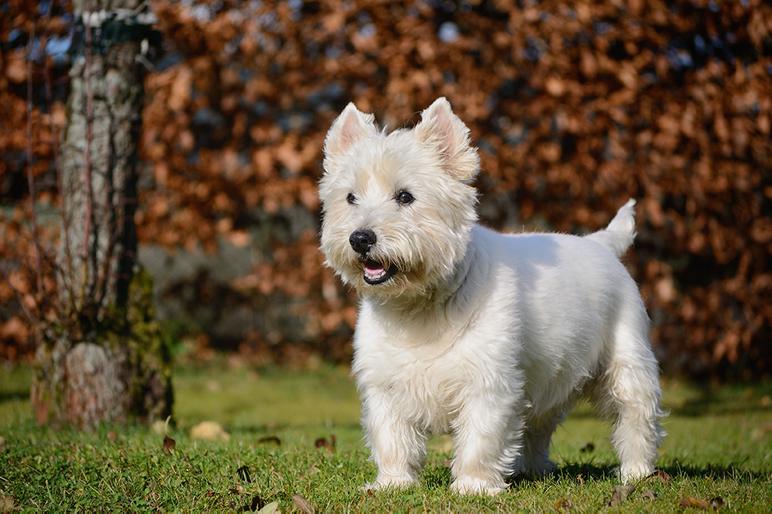
Breed history of West Highland White Terriers
The West Highland White Terrier developed in Scotland from working terriers used to hunt rodents and other small quarry. White terriers became associated with the Malcolm family of Poltalloch in Argyllshire, where their pale coats helped distinguish them from animals they were pursuing.
Early names included the Poltalloch Terrier and Roseneath Terrier. The breed gained Kennel Club recognition in 1907 and became established as the West Highland White Terrier, retaining the alertness, confidence and hunting instincts of its working ancestors.
Explore related breeds
West Highland White Terrier facts!
- Westies were once known as Poltalloch Terriers and Roseneath Terriers, names associated with Scottish estates where white terriers were developed.
-
Their white coats served a practical purpose by making them easier to spot while working on the Scottish moors.
-
A Westie’s front feet are larger than its hind feet, and they also have surprisingly large teeth for their size.
-
A Westie named Burneze Geordie Girl won Best in Show at Crufts in 2016, beating competitors from across the dog world.
- Westies have often been used in lieu of Cairn Terriers for the role of “Toto” in productions of The Wizard of Oz.
- The Westie was not known by its modern name until 1904, when it was first shown at the Scottish Kennel Club.
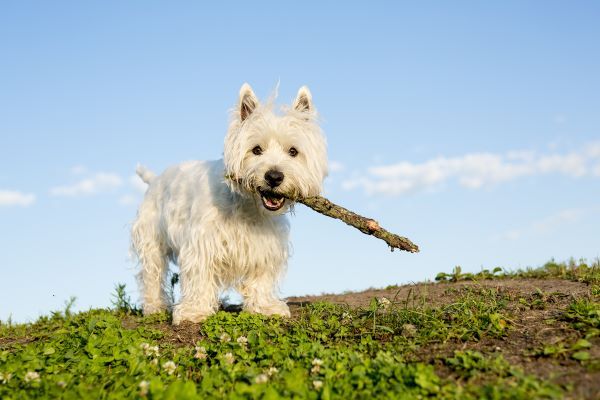
Summary
West Highland White Terriers are affectionate, confident and lively small dogs that enjoy daily walks, play and involvement in family life. Their intelligence and independent nature suit owners prepared for patient training and consistent routines.
Their coats require regular brushing and professional care, while skin, ear and dental health deserve particular attention. Owners should also be comfortable managing barking and chasing instincts, with careful introductions to other animals and secure spaces for exercise.
FAQs about the West Highland White Terrier
Well-socialised Westies can make affectionate, playful family companions. They suit households able to provide regular activity, training and companionship. Supervise interactions with young children, teach gentle handling and give the dog a quiet place to rest undisturbed.
Many healthy adult Westies benefit from around 45–60 minutes of daily walks and activity, alongside training and mental enrichment. Adjust this to your dog’s age, health and fitness. Keep them on a lead outside secure areas where their chasing instincts could put them at risk.
They are intelligent but can be independent or strong-willed, so patient, consistent reward-based training and early socialisation are important.
Westies can be quite vocal, particularly when alerting, excited, bored or anxious. Regular activity, enrichment and reward-based training can help manage unwanted barking, although individual dogs vary.
Yes, Westies shed, although the amount varies between dogs and with coat care. Their double coats need brushing and combing several times a week, along with regular professional grooming, to remove loose hair and prevent tangles.
They can adapt to apartment living in the right circumstances, but owners need to meet their daily exercise, enrichment and behavioural needs consistently.
Some Westies live successfully with cats and other dogs following careful introductions, but compatibility varies. Their hunting instincts can make smaller animals tempting to chase, so rabbits, guinea pigs and similar pets should be securely housed and kept separate.
Westies can develop allergic skin and ear disease, dental disease, patellar luxation, Legg–Calvé–Perthes disease, dry eye, craniomandibular osteopathy and pulmonary fibrosis. Ask breeders about relevant health assessments and family history, and seek veterinary advice about persistent itching, lameness, difficulty eating or breathing changes.
No dog breed is reliably allergen-free, including Westies. Allergens occur in skin flakes, saliva and urine, so low shedding does not guarantee that a dog will be tolerated by someone with allergies.
Brush and comb several times a week and arrange regular professional grooming. Hand-stripping helps preserve the traditional harsh coat, while clipping may suit some pets. Ask a groomer about the best approach for your dog, and include routine nail checks, ear care and daily tooth brushing.
The amount depends on your dog’s age, weight, health, activity and the food’s calorie content. Use the feeding guide as a starting point, measure portions and adjust them to maintain a healthy body condition. Include treats in the daily allowance and ask your vet for individual advice.
MORE INFORMATION
The West Highland White Terrier Club of NSW: http://www.westieclubofnsw.org.au/
West Highland White Terrier Club of Victoria: http://www.westieclubvic.org.au/

Get 2 months free for your puppy!
Congrats on your new bundle of joy
To ensure your precious fur baby is covered from the start, we'd like to offer your first 2 months of our Nose-to-Tail Cover for free2!
Get a quick quote