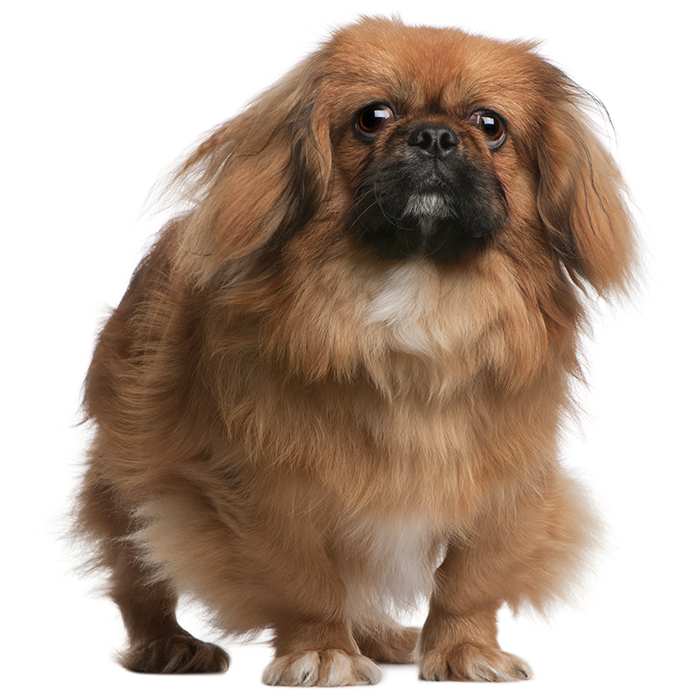
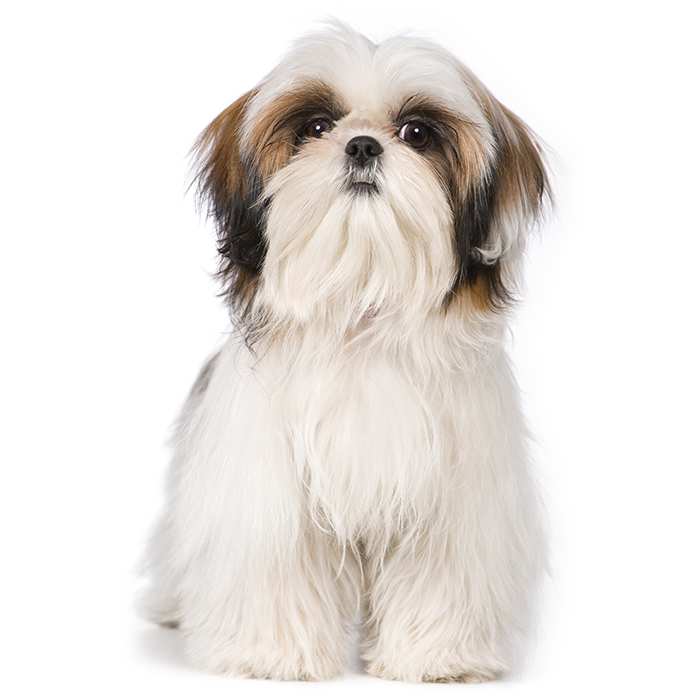
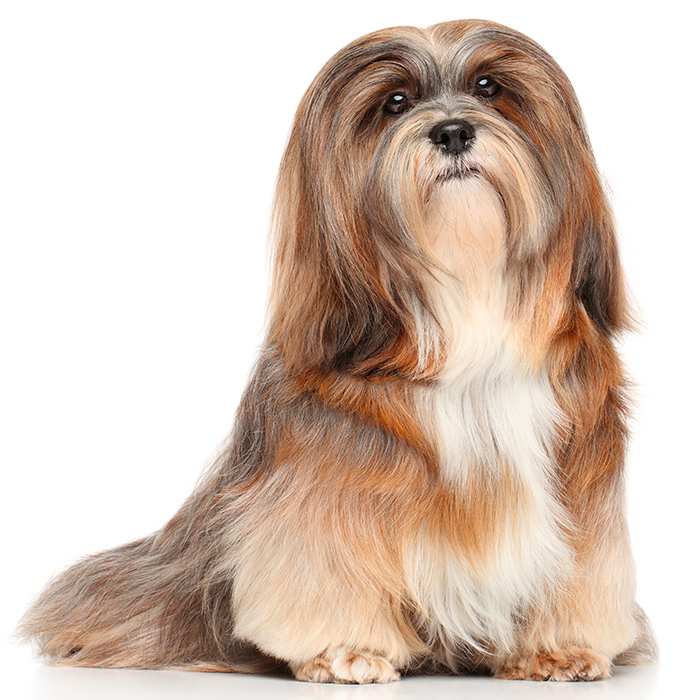
Is the Tibetan Spaniel a good family dog?


Tibetan Spaniel
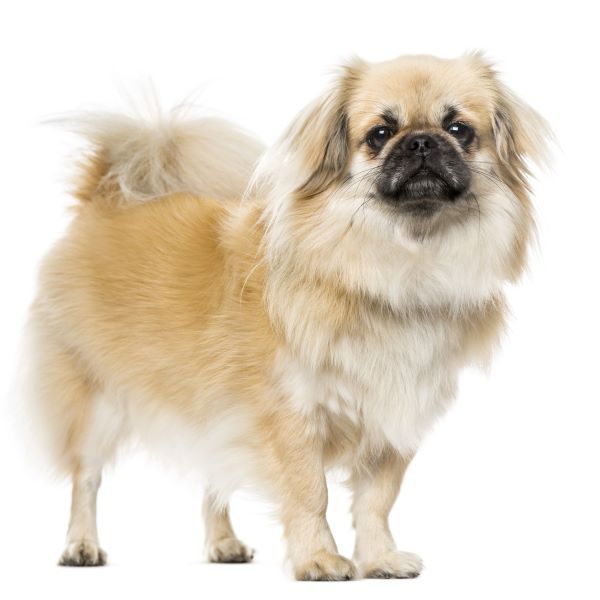
Tibetan Spaniels are small, affectionate, and intelligent companions with a monkey-like face and a lion-like mane. Originally bred by Tibetan monks as monastery watchdogs, they have a keen sense of awareness and make excellent alert dogs for families. Adaptable and well-rounded, they easily adjust to various living environments, from city apartments to country homes.
| Recommended for | Experienced owners seeking a devoted, low-maintenance companion with a touch of independence |
| Breed Classification | Non-Sporting Group |
| Other names | Tibbie, Simkhyi |
| Lifespan | 12 – 15 years |
| Size | Small |
| Temperament | Assertive, intelligent, playful, willful, happy, aloof, and independent |
| Intelligence | High |
| Tendency to bark | Low |
| Maintenance Level | Medium grooming needs, moderate food cost |
| Health Risk | This breed is in the lower risk category for developing health issues, hence it is one of the least expensive breeds to insure. |
Thinking of insuring a Tibetan Spaniel?
Explore the Top 5 health issues claimed for Tibetan Spaniels, including highest claims paid and how much pet insurance could help you save on eligible vet bills.
See Tibetan Spaniel pet insurance Ready to get cover? Get a quick quote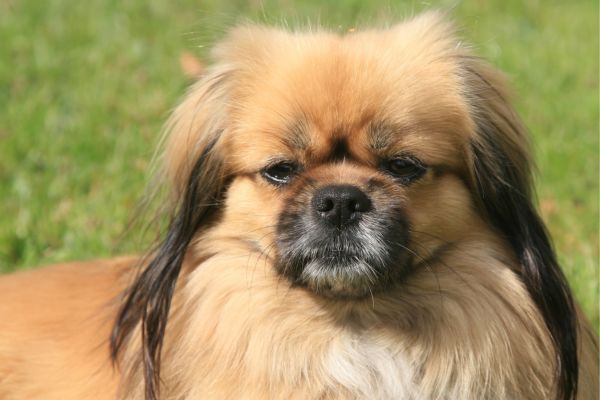
Tibetan Spaniel personality and temperament
Known for their lively and cheerful disposition, Tibetan Spaniels bring joy with their playful and affectionate personalities. They love spending time with family members, often showing their playful side through interactive activities. Their strong bonds with loved ones make them devoted companions, and despite their small size, they’re full of energy and thrive around people. Tibetan Spaniels create a warm, welcoming atmosphere and easily blend into all types of families.
These dogs are highly intelligent and observant, easily learning commands and enjoying environments that challenge them mentally. Their sharp perception helps them pick up on subtle cues, making them very responsive to the needs of others. Their sensitivity and quick wit make them excellent candidates for therapy and assistance training, where their ability to read emotional signals is invaluable. They seem to have an instinctive ability to understand human emotions and respond in a gentle, comforting way, often staying close to those in need of solace.
Adaptable and well-rounded, Tibetan Spaniels easily adjust to various living environments, from city apartments to country homes. They are content with moderate physical activity, making them great for apartment living, but they also enjoy outdoor adventures. Their adaptability allows them to match their owner’s lifestyle, whether active or relaxed.
Tibetan Spaniels with kids and other pets
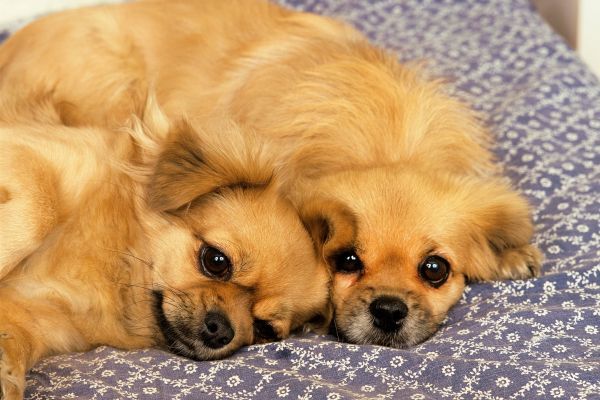
Tibetan Spaniels are gentle and affectionate dogs, making them wonderful family companions, especially in homes with children and other pets. They form deep bonds with family members and have a special sensitivity to children’s emotional needs, often staying close to provide comfort and reassurance. Their calm nature helps them manage the high energy of young kids, and they’re playful enough to join in lighthearted activities. Though small, they have a confident, spirited personality that allows them to blend seamlessly into family life without becoming overwhelmed.
Tibetan Spaniels are generally easygoing and tolerant with other pets, getting along well with other dogs and even cats when introduced at an early age. While they don’t have strong hunting instincts, they benefit greatly from early socialisation and training to grow into well-adjusted adults.
Tibetan Spaniels are also excellent for therapy and assistance roles due to their perceptive and intuitive nature. They have a unique ability to sense human emotions and respond with care, making them well-suited for emotional support and therapy work.
Tibetan Spaniel training and exercise
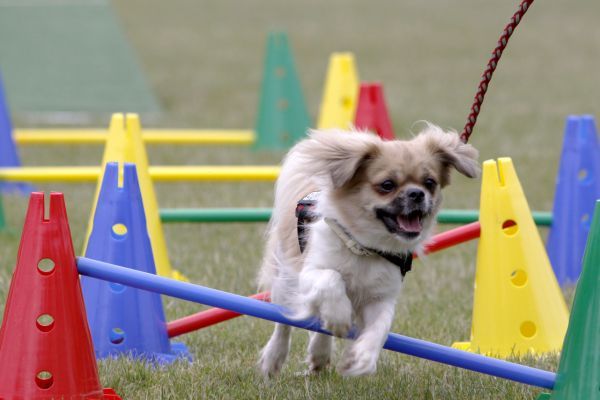
Tibetan Spaniels benefit from regular exercise and mental stimulation to stay happy and balanced. While they don’t need high-intensity activities, they enjoy daily walks and interactive play sessions to keep them healthy and prevent boredom. Their curious and alert nature makes them a great fit for puzzle toys, scent games, and other mentally stimulating activities, which they approach with enthusiasm. These small yet lively dogs thrive on a mix of gentle exercise and cognitive challenges, keeping them calm and content.
Though usually independent, Tibetan Spaniels respond well to gentle, consistent training that offers guidance without harshness. Early socialisation and training greatly support positive interactions and good behaviour in social settings. Using positive reinforcement is the most effective approach with this breed, helping them form a close bond with their handler and build confidence as they learn new skills.
| Energy level | Moderate |
| Exercise requirements | Low |
Common health issues for Tibetan Spaniels
What do Tibetan Spaniel owners claim for the most?
- Progressive Retinal Atrophy (PRA): PRA is a genetic condition that causes the retina to deteriorate gradually, leading to vision loss and, eventually, blindness. Early symptoms include night blindness and dilated pupils.
- Patellar Luxation: This condition occurs when the kneecap (patella) moves out of place, causing pain, limping, and difficulty walking. Severity can vary, and surgery may be needed in more serious cases.
- Brachycephalic Airway Syndrome: Due to their slightly shortened muzzle, Tibetan Spaniels may have restricted airflow, which can lead to noisy breathing, snoring, and reduced heat tolerance. This condition is typically mild but requires monitoring in warm weather.
- Allergies and Skin Conditions: Tibetan Spaniels can experience skin allergies, leading to itching, dry skin, and occasional ear infections. Common allergens include certain foods, environmental factors, and seasonal changes.
- Hip Dysplasia: Although less common in smaller breeds, Tibetan Spaniels can develop hip dysplasia—a genetic issue that affects hip joint stability and can lead to arthritis. Signs include lameness in the hind legs and mobility issues.
- Portosystemic Shunt (Liver Shunt): This congenital liver condition prevents blood from flowing properly through the liver, causing toxins to build up. Symptoms include stunted growth, low energy, and occasional seizures. Surgery is often needed to treat this condition.
- Autoimmune Disorders: Tibetan Spaniels may be prone to autoimmune disorders, such as autoimmune thyroiditis, where the immune system attacks the thyroid gland, leading to hypothyroidism. Symptoms include weight gain, low energy, and sensitivity to cold.
Not all conditions are covered by Pet Insurance. For details of Bow Wow Meow Pet Insurance cover, refer to the Product Disclosure Statement.
How to choose the right insurance for your Tibetan Spaniel
When comparing cover for your Tibetan Spaniel, look for:

Cover for common Tibetan Spaniel conditions:
Check that the policy covers conditions Tibetan Spaniels can be prone to, including common health issues.

Cover for hereditary conditions:
No exclusions for hereditary or congenital conditions⑅.

Flexible cover options:
Options to adjust your annual benefit limit, reimbursement rate and excess.
Bow Wow Meow's Nose-to-Tail Cover offers flexible options for your Tibetan Spaniel, with cover for accidental injuries, illnesses and hereditary conditions⑅. Get a quick quote for cover that suits your Tibetan Spaniel and your budget.
Tibetan Spaniel feeding and nutrition
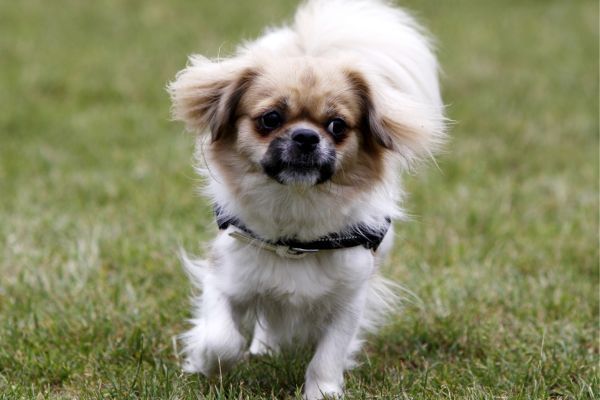
Good nutrition is essential for the Tibetan Spaniel’s health and overall wellness. A balanced diet tailored to their specific needs helps maintain their energy, coat health, and vitality. Providing nutritious food rich in protein and healthy fats supports their energy requirements and strengthens their immune system. Consulting a vet can help develop a customised feeding plan based on the dog’s size and activity level, ensuring they receive the right nutrients at each stage of life.
As Tibetan Spaniels grow, their dietary needs change. Puppies need a protein-rich diet to support rapid growth, while adults benefit from a balanced diet that maintains steady energy without excess calories. For older Tibetan Spaniels, a lower-calorie diet combined with supplements can help manage weight and support mobility. Adjusting portion sizes based on age, activity level, and body condition is key to preventing overfeeding and keeping them healthy. Regular vet check-ups are crucial for monitoring weight and adjusting dietary needs as they age, helping to maintain their well-being and enhance their quality of life.
Tibetan Spaniel care and grooming
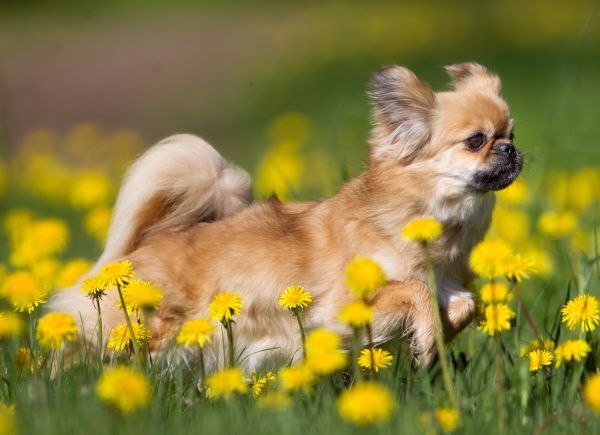
Tibetan Spaniels typically shed moderately, especially during seasonal changes, so regular grooming is essential for keeping their coat healthy and tidy. Brushing a few times per week helps minimise excess hair, prevents tangling, and reduces shedding around the home. During peak shedding seasons, more frequent grooming can keep their coat in good condition.
Bathing Tibetan Spaniels should be done only as needed, as their coats naturally repel dirt and water. Regular nail trimming and dental care are also important parts of their grooming routine, contributing to their overall health and happiness. While their fur doesn’t usually need trimming, a light trim around the ears and paws can keep them looking neat. Avoid shaving, as their coat provides natural insulation and protection against the elements.
Size, appearance and coat of Tibetan Spaniels
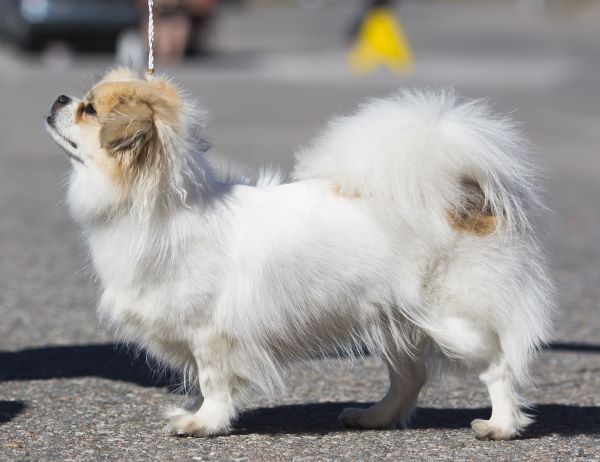
The Tibetan Spaniel is a small yet sturdy breed with a well-proportioned, compact body, a head that is slightly domed, and expressive, almond-shaped eyes that portray their intelligence and curiosity. With a unique lion-like mane framing their face and neck, more profuse in males than females, they have a regal yet friendly appearance.
Tibbies have been likened to the Pekingese although they do have a longer muzzle and do not have the profuse coat of the Peke. Most people say that the Tibbie’s head, which is slightly small in relation to their body, is their most distinguishable feature as it gives them a characteristicly expressive “monkey face”.
Their silky double coat helps shield them from the bitterly cold Himalayan climate; the fluffy undercoat keeps them warm and the longer outer coat is close to the body. The tail is feathered and curls upwards over their back. While gold, cream, and black coats are common, all colours and mixtures of colours are possible.
| Weight range | 4.1 – 6.8 kg |
| Height range | 36-38 cm |
| Colours | Red, fawn, gold, white, cream, black and tan, and parti |
| Coat length | Medium |
Breed history of Tibetan Spaniels
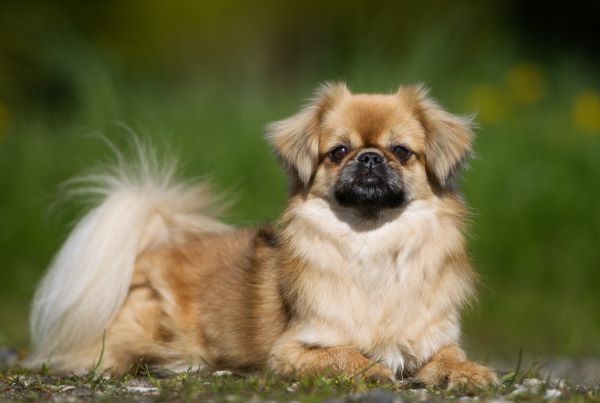
The Tibetan Spaniel is thought to have originated in the mountainous terrain and extreme weather conditions of Tibet around 1100BC. Buddhist monks originally developed the breed in Tibetan monasteries, hence they are also sometimes called the “prayer dog”.
These small dogs would perch on monastery walls, watching over the area and alerting the larger guard dogs, the Tibetan Mastiffs, of any approaching intruders – their extreme long sightedness enabing them to warn the larger guard dogs before they became aware of approaching danger. To keep warm in the harsh climate of Tibet, the monks would also use their Tibetan Spaniels as bed warmers and tuck them inside their sleeves. They also accompanied the monks as travelling companions on pilgrimages.
Living in the challenging Himalayan environment, Tibetan Spaniels developed distinct qualities like alertness, bravery, and adaptability. These traits made them perfect companions for the monks, who isolated them from other breeds to preserve these unique characteristics. When the silk trade started in Tibet, Tibetan Spaniels were occasionally given as prized gifts, which could be how they came to be common in the west, but they were never sold.
Tibetan Spaniels found their way to the United Kingdom in the late 19th and early 20th centuries when they came home with Britons returning from service on the Indian subcontinent. However, numbers remained small until the closing decades of the last century. The first Tibbies imported into Australia arrived in 1974 from the UK, and the first Tibetan Spaniel Club was founded here in Victoria in 1995.
Explore related breeds
Tibetan Spaniel facts!
- Tibetan Spaniels have no link to traditional spaniels, which were bred as gun dogs.
- The term “spaniel” comes from “epagnuel,” a medieval French word for noble companion dogs.
- Known as “Simkhyi” , meaning housedog in Tibet, Tibetan Spaniels are still found living in Tibetan monasteries as companions to monks.
- They are called “little lions”, symbolising protection in Buddhism.
- Tibetan Spaniels appear in art as early as 1100 B.C., making them over 3,000 years old.
- They may be related to other breeds from the region such as the Pekingese and Lhasa Apso.
- Traditionally gifted and never sold, Tibetan Spaniels were given to leaders in China and Buddhist countries.
- Tibetan Spaniels are believed to hold a spiritual role, with some Buddhists seeing them as reincarnated souls.
- True to their roots, they love high perches, like windowsills or couches.
- They are sometimes called part dog, part cat and part monkey – they have the faithfulness and watchfulness of the dog, independence and curiosity of the cat and the cleverness and mischievousness of the monkey.
Summary
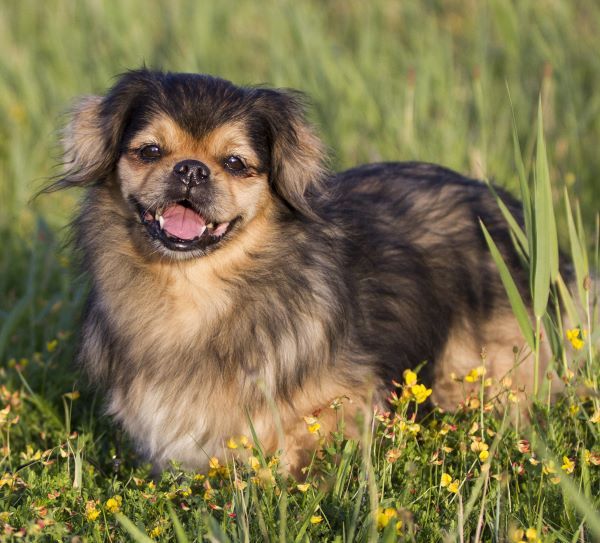
The Tibetan Spaniel is a small, affectionate and intelligent companion dog with a distinctive face and mane-like coat. Originally bred by Tibetan monks as a monastery watchdog, it remains alert, observant and closely connected to its family.
Tibetan Spaniels are adaptable, well-rounded dogs that can adjust to settings ranging from city apartments to country homes. Their combination of companionship and watchfulness suits owners wanting a small dog that is both affectionate and alert.
FAQs about the Tibetan Spaniel
They are generally affectionate companions and can suit families, couples or singles when their individual exercise, training and grooming needs are met.
Moderate. Daily walks and play are generally appropriate, adjusted for the dog’s age, health and individual energy level.
They are intelligent but can be independent or strong-willed, so patient, consistent reward-based training and early socialisation are important.
They are generally low to moderate or moderate barkers, although barking can increase with boredom, excitement, anxiety or unfamiliar activity.
They shed to some degree and require regular brushing or professional grooming to keep the coat in good condition.
Yes, they can adapt well to apartment living provided they receive sufficient daily exercise, mental stimulation and companionship.
They can live happily with respectful children and other pets when well socialised, but their small or delicate size means interactions with young children should be closely supervised.
Potential health concerns include patellar luxation, progressive retinal atrophy and other eye or respiratory problems.
MORE INFORMATION
Tibetan Spaniel Association of Victoria Inc: https://www.tsavaustralia.com/
Tibetan Spaniel Club of America (TSCA): https://www.tsca.ws/
Tibetan Spaniel Association (TSA): https://tibetanspanielassoc.co.uk/

Get 2 months free for your puppy!
Congrats on your new bundle of joy
To ensure your precious fur baby is covered from the start, we'd like to offer your first 2 months of our Nose-to-Tail Cover for free2!
Get a quick quote