Where does the Persian Cat come from?


Persian
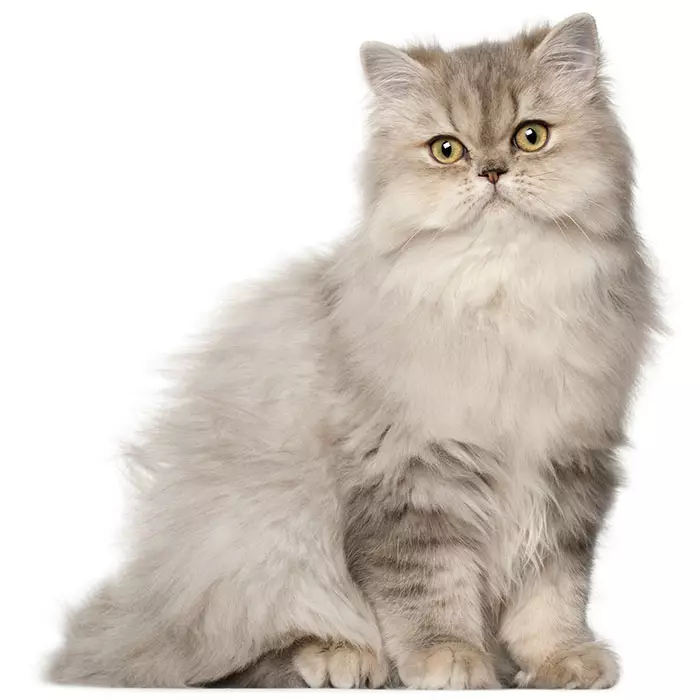
The Persian is a gentle, longhaired cat famous for its luxurious coat, round face and calm nature. They can be affectionate and devoted companions, but they are not a low-maintenance breed. Their coat, eyes and sometimes flatter facial structure mean they need committed daily care.
| Recommended for | Owners who want a quiet companion and are prepared for daily grooming |
| Breed Classification | Longhair |
| Other names | Persian, sometimes Traditional Persian or Doll Face Persian depending on type |
| Lifespan | 12–17 years, depending on type, care and health |
| Size | Medium to large |
| Temperament | Gentle, sweet, quiet and affectionate |
| Intelligence | Moderate; observant and routine-loving rather than highly demanding |
| Tendency to vocalise | Low; usually quiet with soft vocalisations |
| Maintenance Level | High; daily coat and eye care are usually required |
| Health Risk | Persians may be prone to inherited and conformation-related issues, including polycystic kidney disease, tear staining, dental disease and breathing or eye problems in flatter-faced cats. |
Thinking of insuring a Persian?
Explore the Top 5 health issues claimed for Persians, including highest claims paid and how much pet insurance could help you save on eligible vet bills.
See Persian pet insurance Ready to get cover? Get a quick quote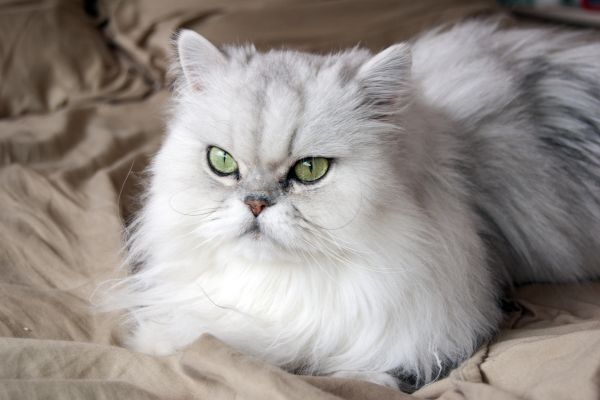
Persian personality and temperament
Persians are usually gentle, sweet-natured and relaxed. They enjoy affection and companionship but are less likely than very active breeds to race around the house or demand constant games. Many are happiest in calm homes where they can sit near their people, receive regular grooming and enjoy a predictable routine.
They can be suitable for apartments and indoor environments, provided their grooming and comfort needs are met. Their lower activity level makes them well suited to indoor life, but they still need play, scratching options and stimulation. Persians generally do best with owners who value a quiet companion and can commit to daily care.
Persians with kids and other pets
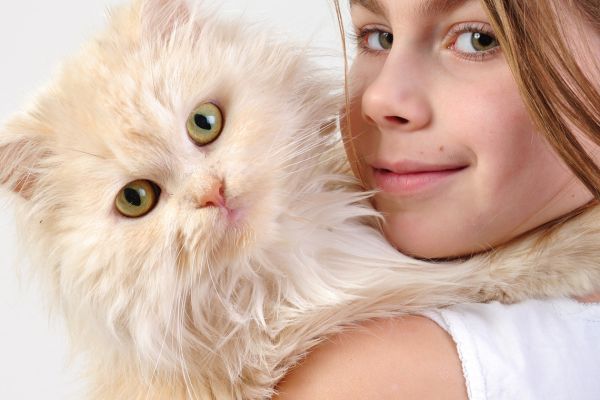
Persians can live well with considerate children, particularly in homes where children are taught to be gentle and not pull the coat, tail or whiskers. They are not usually the best match for chaotic households or children who want a rough-and-tumble playmate, because the breed tends to prefer calm handling and quiet companionship.
They may also live well with other cats and gentle dogs, especially if introductions are slow. Because Persians can be laid-back, they should not be expected to cope with pushy animals that harass them. Provide separate food, litter and resting areas in multi-pet homes.
Persian training and exercise
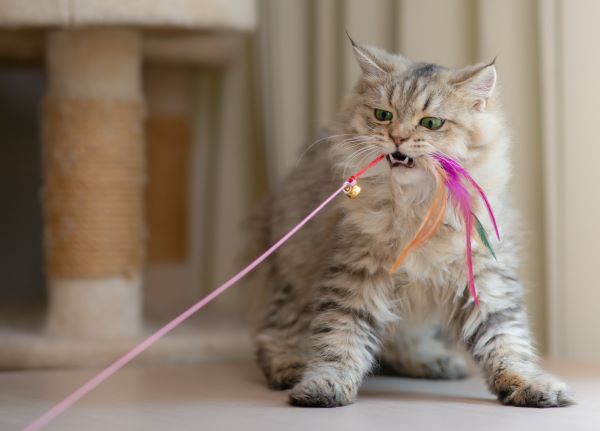
Persians have low to moderate exercise needs, but they should not be allowed to become inactive. Short daily play sessions with wand toys, rolling toys and gentle chase games help maintain mobility and weight. Low climbing furniture may be more suitable than very high cat trees, particularly for older or flatter-faced cats.
Training should focus on practical handling skills. Teach grooming, eye cleaning, nail trimming and carrier use from kittenhood using rewards and calm repetition. Persians may not be trick-training enthusiasts, but they respond well to predictable routines.
| Energy level | Low to moderate |
| Exercise requirements | Moderate; gentle daily play, low climbing options and grooming-handling practice |
Common health issues for Persians
What do Persian owners claim for the most?
Persian Cats are known for their flat faces and luxurious coats, but these features can also lead to specific health concerns.
- Brachycephalic airway syndrome is common due to their short nasal passages. This can cause noisy breathing, snoring, and in severe cases, difficulty with exercise or overheating.
- Polycystic Kidney Disease (PKD) is a genetic condition found in many Persian lines. It causes fluid-filled cysts to develop in the kidneys, eventually affecting their function. DNA testing can help identify carriers early. Routine blood and urine checks support early diagnosis and management of kidney health.
- Dental issues may arise due to their shortened jaw. Misaligned teeth increase the chance of plaque buildup, leading to gum inflammation or tooth loss. A regular dental routine helps manage this risk.
- Skin conditions, including fungal infections or dermatitis, are also more common because of their dense coats and facial folds.
- Their large, expressive eyes are prone to excessive tearing, which can lead to staining or infections if not cleaned regularly.
Not all conditions are covered by Pet Insurance. For details of Bow Wow Meow Pet Insurance cover, refer to the Product Disclosure Statement.
How to choose the right insurance for your Persian
When comparing cover for your Persian, look for:

Cover for common Persian conditions:
Check that the policy covers conditions Persians can be prone to, including common health issues.

Cover for hereditary conditions:
No exclusions for hereditary or congenital conditions⑅.

Flexible cover options:
Options to adjust your annual benefit limit, reimbursement rate and excess.
Bow Wow Meow's Nose-to-Tail Cover offers flexible options for your Persian, with cover for accidental injuries, illnesses and hereditary conditions⑅. Get a quick quote for cover that suits your Persian and your budget.
Persian feeding and nutrition
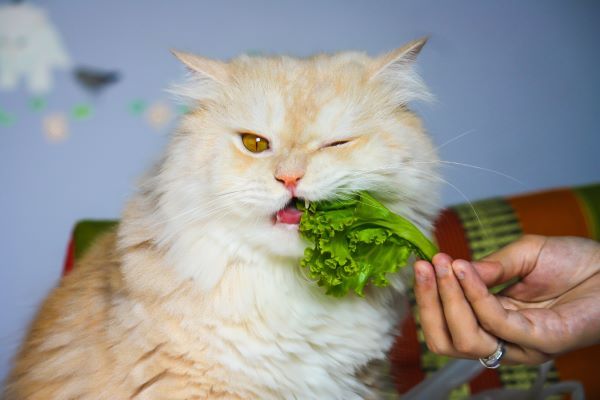
Persians should be fed a complete, balanced diet matched to their age, weight, body condition and activity level. Because many are placid indoor cats, portion control is important to prevent gradual weight gain. Wet food can help hydration, while dry food may be used for dental care or enrichment if it suits the individual cat.
Some Persians benefit from food textures or bowl shapes that are easier for a flatter face, especially if they struggle to pick up food cleanly. Fresh water should always be available, and any appetite changes, vomiting, weight loss or difficulty eating should be discussed with a vet.
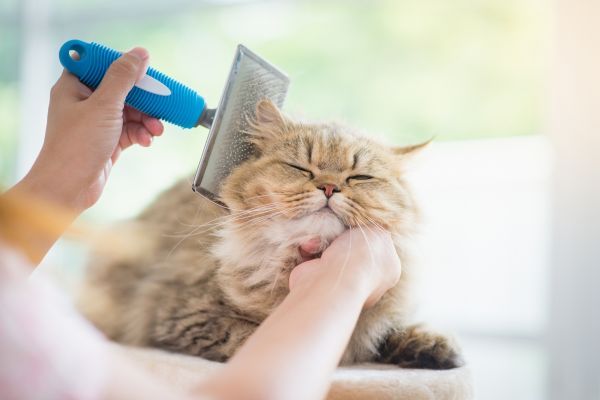
Persian care and grooming
Daily grooming is usually essential for Persians. Their long, dense coat can mat quickly behind the ears, under the front legs, around the hind legs and along the belly. A comb is often more useful than a brush alone because it reaches through the coat. Owners should check the skin under the coat rather than only smoothing the surface.
Eye cleaning is also important, particularly in cats with flatter faces or tear staining. Routine care should include nail trimming, dental care, ear checks and, when needed, professional grooming. Severe matting can be painful and may require clipping by a vet or groomer.
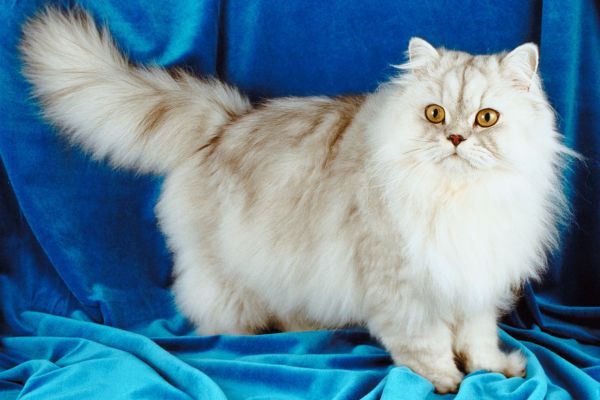
Size, appearance and coat of Persians
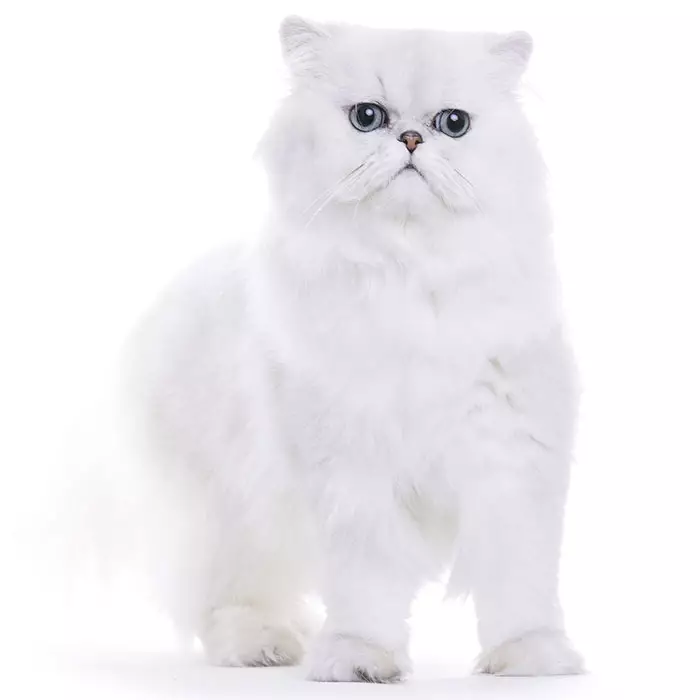
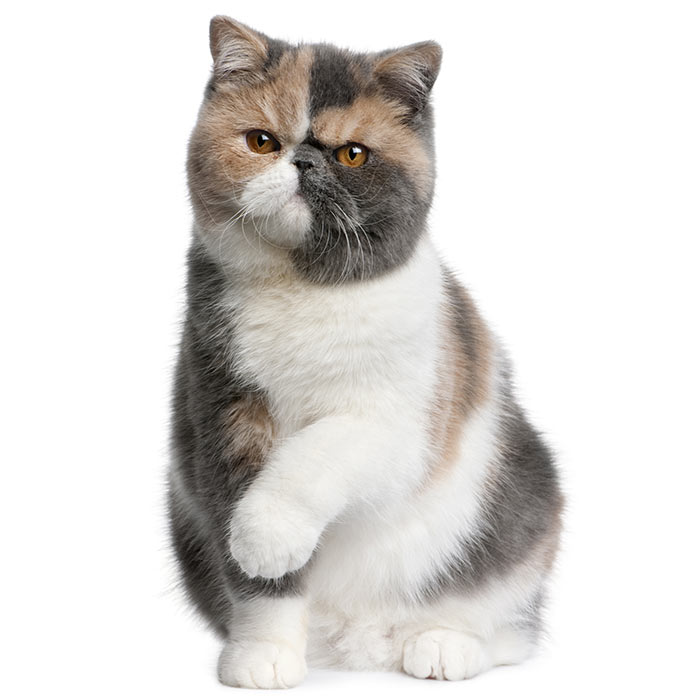
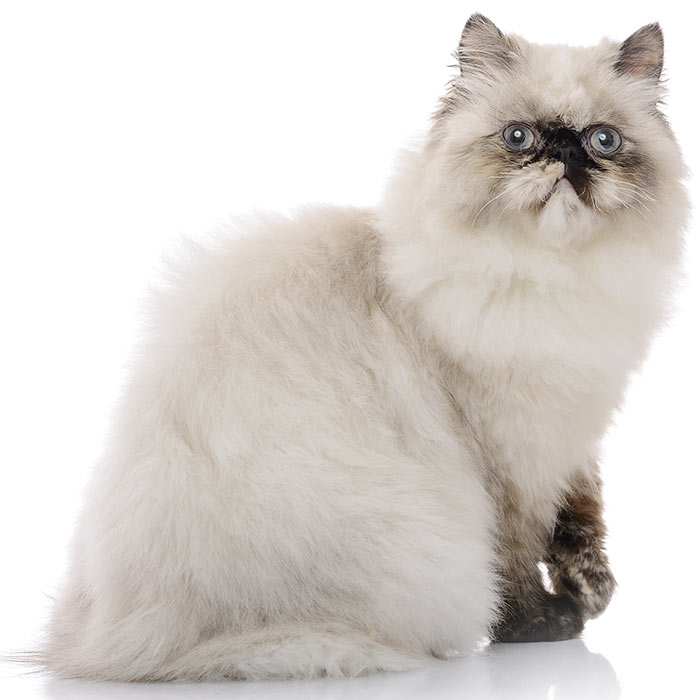
Persians are medium to large cats with a cobby, muscular body, short legs, broad chest and substantial bone. Their heads are round and broad, with small rounded ears, large expressive eyes and a short nose. Facial type can vary from moderate, often called doll-face, through to very flat-faced or peke-faced cats.
The coat is long, full and dense, with a thick undercoat that can mat quickly without daily attention. Persians come in many colours and patterns, including solid, shaded, smoke, tabby, tortoiseshell, bi-colour and colourpoint varieties. Their impressive coat is beautiful, but it is also the main reason the breed needs a committed owner.
| Weight range | Females about 3–5 kg; males about 4–6.5 kg |
| Height range | About 25–30 cm at the shoulder |
| Colours | Wide range including white, black, blue, cream, red, silver, golden, tabby, tortoiseshell, smoke, shaded, bi-colour and colourpoint |
| Coat length | Long, dense and flowing with a thick undercoat |
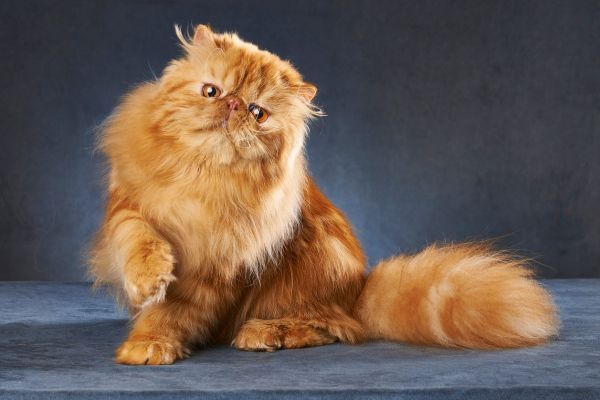
Breed history of Persians
The Persian is one of the world’s best-known longhaired cat breeds, with early longhaired cats associated with Persia, now Iran, and neighbouring regions. Longhaired cats were brought into Europe centuries ago and became prized for their glamorous coats, gentle personalities and unusual appearance compared with local shorthairs.
During the 19th century, Persians became favourites at early cat shows in Britain and later in North America. Selective breeding gradually produced different styles, including very flat-faced show lines and more moderate traditional types. The breed remains iconic, but modern owners should understand that coat maintenance and responsible breeding choices are central to Persian welfare.
Explore related breeds
Persian facts!
- Persians are one of the most recognisable cat breeds in the world.
- They are one of the oldest cat breeds, with records dating back to the 1600s in Persia (modern-day Iran).
- Their dense, flowing coat requires more human help than almost any other popular cat breed.
- Persians are often portrayed as glamorous film and advertising cats.
- Some traditional Persians have a more moderate face than extreme show types.
- A Persian may look regal, but many are quietly playful when they feel comfortable.
- Persians are best suited to owners who genuinely accept the grooming workload.
- Persians are calm, gentle, and affectionate and are often described as “lap cats”.
- Not natural climbers, they prefer low perches and cosy spots.
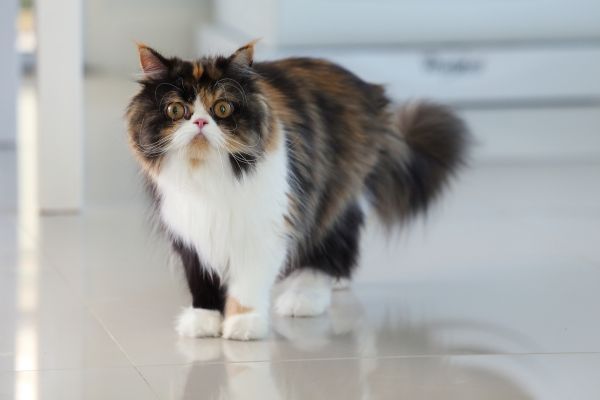
Summary
Persian Cats are best known for their long, luxurious coats and calm, gentle nature. They prefer quiet indoor environments and are a popular choice for owners looking for a laid-back and affectionate companion.
These medium to large cats usually live between 12 and 17 years. Regular grooming is essential, as their coat tangles easily. While affectionate, they can be independent and prefer familiar routines. Persian Cats are prone to a few health issues, particularly related to their facial structure and kidneys, so ongoing care is important.
FAQs about the Persian
Persian Cats originally came from Persia, now modern-day Iran. They became popular in Europe in the 1600s and have remained one of the most recognised breeds since then.
They usually live between 12 to 17 years. With a healthy diet, regular grooming, and vet care, many Persians reach their late teens.
Their flat faces, wide-set eyes, and downturned mouths create a grumpy look. It’s just their natural facial structure, not a reflection of their mood.
Yes, they enjoy calm company and often stay close to their owners. They’re not clingy but do like gentle attention and quiet time on a lap or nearby cushion.
Yes, their flat faces and short noses make them a brachycephalic breed. This shape can affect their breathing, especially in warm or humid weather.
They suit households that are relaxed and predictable. Their quiet nature and love for routine make them easy companions for people who prefer calm pets.
Some do. Their short noses and narrow nostrils can cause noisy breathing or make them more sensitive to heat. A cool indoor space helps them breathe easier.
Yes, they shed daily. Their long coat needs daily brushing to prevent knots and control loose fur. Regular grooming also helps keep the home cleaner.
They are medium to large cats. Most adults weigh between 3.5 to 7 kilograms. Their thick coat can make them appear larger than they are.
They need a diet rich in animal protein and essential nutrients. Choose high-quality cat food and keep an eye on portion size to avoid weight gain.
Yes. Their coat usually requires daily grooming and their eyes may need regular cleaning.
Yes, they can suit apartments because they are generally calm, but they still need play and enrichment.
They can, provided children are gentle and the home is not too chaotic.
They can be, particularly for breathing, eye and dental issues.
Usually every day, with careful combing through the full coat.
MORE INFORMATION
Purebred Cat Rescue Australia community: https://www.facebook.com/groups/pcraus/
Cats NSW breeder directory: https://catsnsw.com.au/breeders/
Australian Cat Federation breed standards: https://www.acf.asn.au/index.php?page=standards
Co-ordinating Cat Council of Australia breed standards: https://www.cccofa.com.au/standards.php

Get 2 months free for your kitten!
Cover your kitten from Nose-to-Tail
To ensure your precious fur baby is covered from the start, we'd like to offer your first 2 months of our Nose-to-Tail Cover for free2!
Get a quick quote