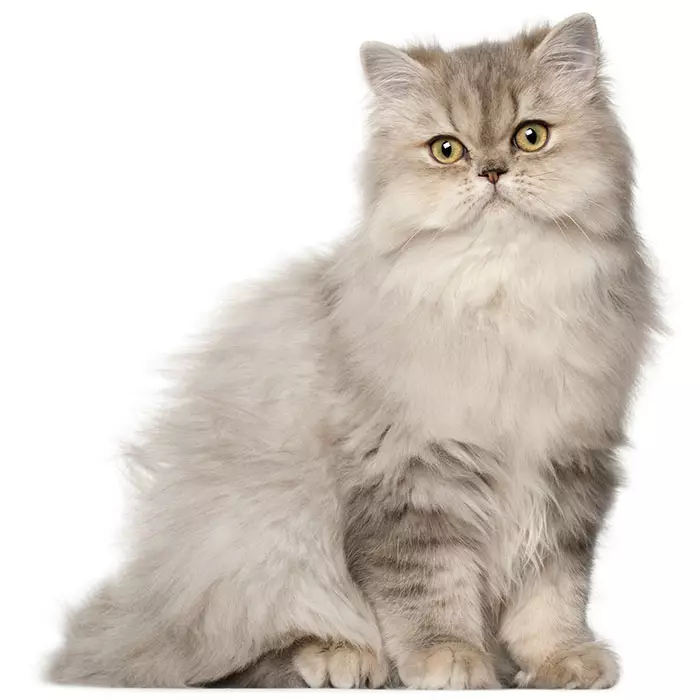
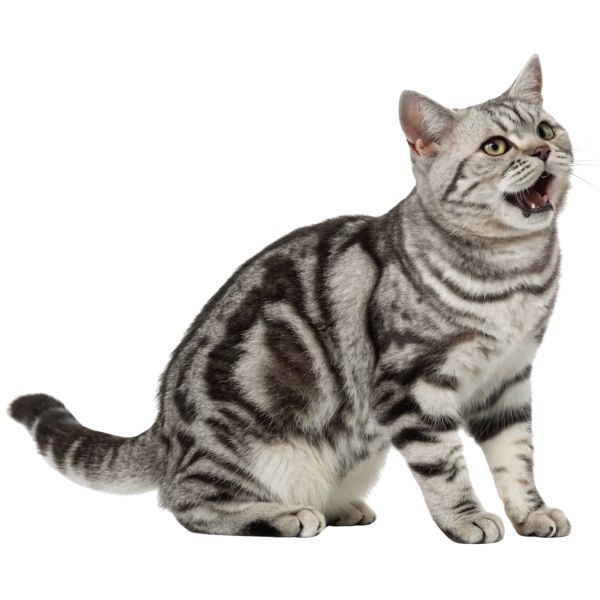
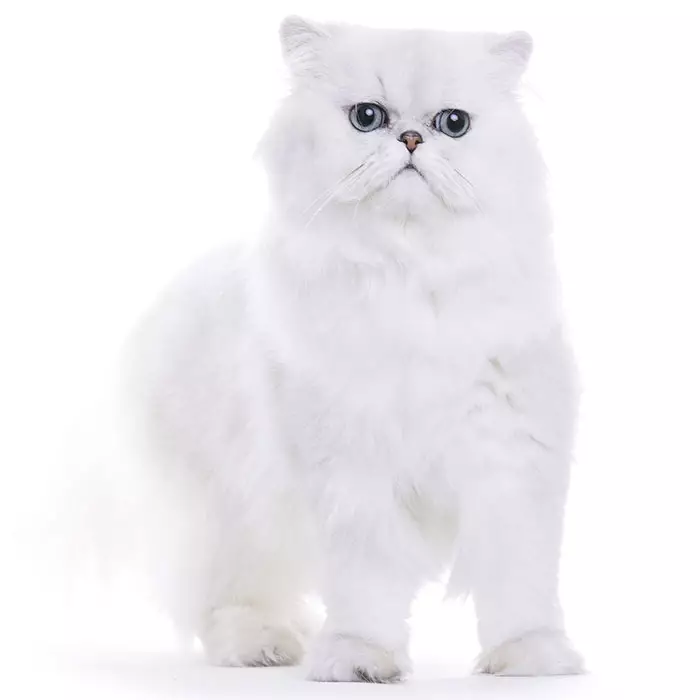
What is an Exotic Shorthair?


Exotic Shorthair
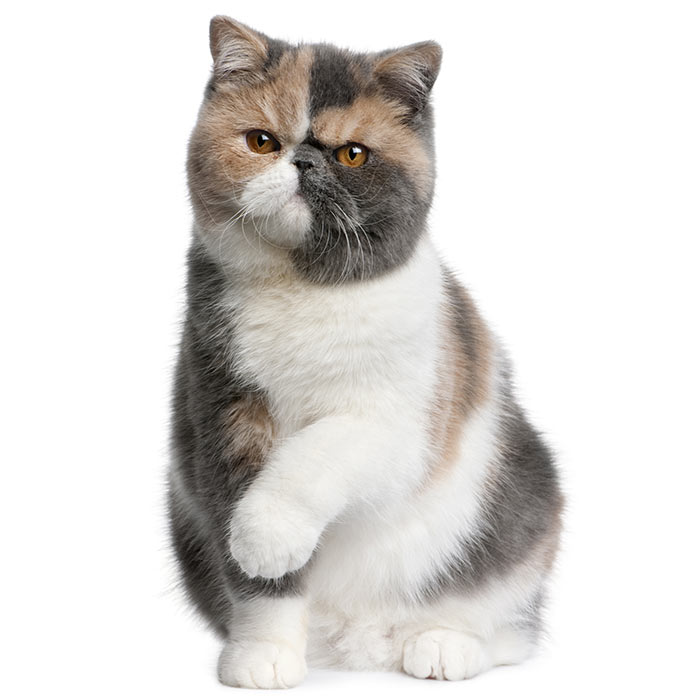
Exotic Shorthairs are calm, affectionate, medium- to large-sized cats with a flat, round face, a plush coat, and a teddy bear-like appearance. Essentially a shorthaired Persian, they adore their people and make great companions for kids and other pets. They suit indoor lifestyles and are perfectly happy to spend much of the day lounging, napping, or watching the world go by.
| Recommended for | Families, singles, and seniors looking for a quiet, affectionate companion |
| Breed Classification | Shorthair / Persian |
| Other names | Exotic, lazy man's Persian |
| Lifespan | 12 to 15 years |
| Size | Medium to large |
| Temperament | Gentle, affectionate, quiet |
| Intelligence | Moderately intelligent; adapt well to routine |
| Tendency to vocalise | Low; a quiet breed with a soft, gentle voice |
| Maintenance Level | Low to moderate grooming needs |
| Health Risk | Prone to brachycephalic airway issues, eye discharge, and polycystic kidney disease. |
Thinking of insuring an Exotic Shorthair?
Explore the Top 5 health issues claimed for Exotic Shorthairs, including highest claims paid and how much pet insurance could help you save on eligible vet bills.
See Exotic Shorthair pet insurance Ready to get cover? Get a quick quote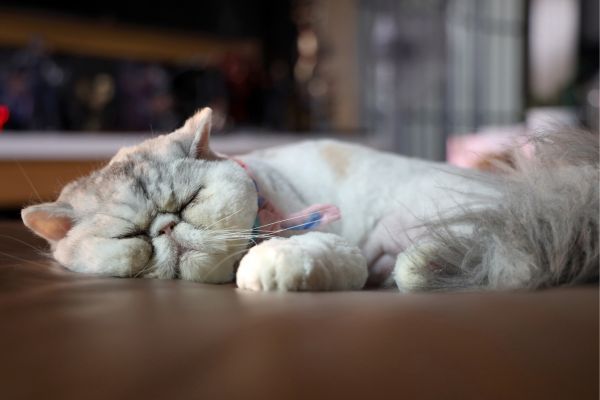
Exotic Shorthair personality and temperament
Exotic Shorthairs are affectionate, gentle, and friendly cats that adore their people and enjoy spending time with them, often following their humans from room to room or curling up beside them on the couch. Despite their close bonds with their family, they aren’t overly dependent, and are content to amuse themselves when you’re busy.
While quieter than some breeds, Exotics love playtime and interactive toys. They retain a kitten-like curiosity well into adulthood, with just enough mischief to keep things entertaining! They are described as the perfect blend of the Persian’s sweetness and the American Shorthair’s playfulness.
The Exotic’s easy-going nature makes them well-suited to a relaxed lifestyle. They are perfectly happy to spend much of the day lounging, napping, or watching the world go by. Ideally suited to indoor environments, they don’t require large spaces and are happy with cosy spots to rest, scratchers, and gentle play. Their affectionate but undemanding nature makes them ideal companions for smaller households or quieter homes.
Exotic Shorthairs with kids and other pets
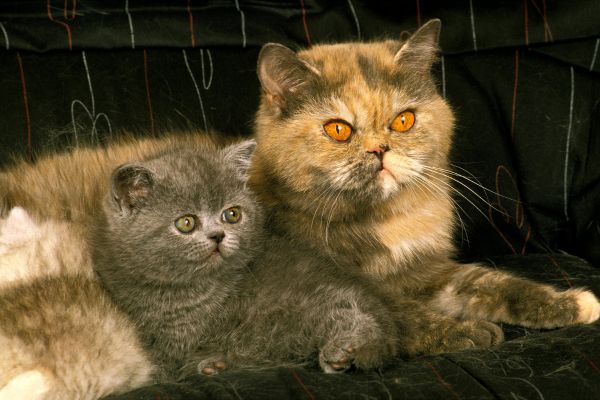
Exotic Shorthairs fit in well with all types of families, even those with young children. Calm and tolerant, they’re not easily ruffled by noise or activity, so they tend to handle kids’ energy well. They love attention and cuddles, and enjoy gentle play and interactive toys, which makes them fun for kids. Of course, as with any breed, it’s best to teach children to handle them gently and to respect their space when they want quiet time.
Exotics are typically calm and adaptable, so they can live happily with gentle, cat-friendly dogs. Their laid-back nature means they’re less likely to be frightened or reactive. With other cats, they’re sociable and non-territorial, especially if introduced gradually, and they often enjoy the company of another relaxed cat. They have a relatively mild prey drive, but supervision is always best around birds, rabbits or rodents.
Exotic Shorthair training and exercise
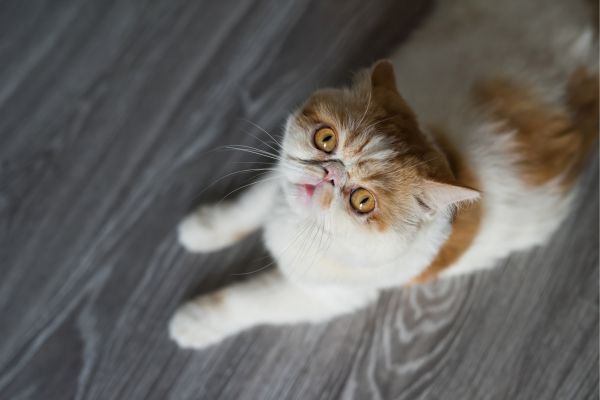
Exotic Shorthairs have low to moderate energy levels and are not highly active. They don’t require intense activity but short, gentle play sessions and quiet interactions will benefit them greatly, keeping them engaged while respecting their relaxed nature.
Around 15 to 30 minutes of daily interactive play will help keep them fit and prevents boredom and weight gain. They enjoy short bursts of play with feather wands, rolling balls, or catnip toys, chasing moving objects, and exploring cat trees or window perches. Scratching posts, soft toys and safe places to climb or hide are important in creating a stimulating indoor environment.
Smart and eager to please, Exotics can learn routines and simple tricks such as “come,” “sit,” or even walking on a harness. Use treats, praise, or gentle play to encourage good behaviour.
| Energy level | Low to moderate |
| Exercise requirements | Moderate |
Common health issues for Exotic Shorthairs
What do Exotic Shorthair owners claim for the most?
- Brachycephalic airway syndrome is common due to their flat facial structure, which can lead to breathing difficulties such as shortness of breath or noisy breathing, especially in hot or humid conditions. Keeping them cool and avoiding stress helps minimise symptoms.
- Polycystic kidney disease (PKD) is an inherited condition that causes cysts of fluid to form in the kidneys, obstructing them from functioning properly. It can lead to kidney failure if not managed properly. Regular ultrasounds and blood tests can detect the condition early and support ongoing care.
- Eye discharge and tear staining are frequent in Exotic Shorthairs due to their short nose and shallow tear ducts. Daily facial cleaning can help keep the area clear and reduce staining.
- Dental disease, including gingivitis and plaque buildup, can occur without regular dental care. Brushing and vet dental checks help maintain oral health.
Not all conditions are covered by Pet Insurance. For details of Bow Wow Meow Pet Insurance cover, refer to the Product Disclosure Statement.
How to choose the right insurance for your Exotic Shorthair
When comparing cover for your Exotic Shorthair, look for:

Cover for common Exotic Shorthair conditions:
Check that the policy covers conditions Exotic Shorthairs can be prone to, including common health issues.

Cover for hereditary conditions:
No exclusions for hereditary or congenital conditions⑅.

Flexible cover options:
Options to adjust your annual benefit limit, reimbursement rate and excess.
Bow Wow Meow's Nose-to-Tail Cover offers flexible options for your Exotic Shorthair, with cover for accidental injuries, illnesses and hereditary conditions⑅. Get a quick quote for cover that suits your Exotic Shorthair and your budget.
Exotic Shorthair feeding and nutrition
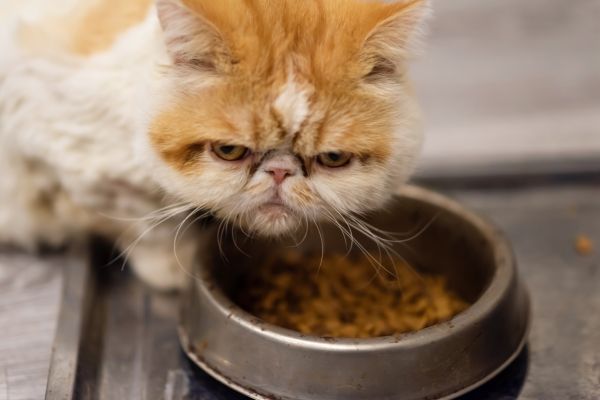
Exotic Shorthairs thrive on a balanced diet that supports their sturdy build and overall health. High-quality, protein-rich food helps maintain muscle tone and healthy weight. A mix of wet and dry food is recommended to promote hydration and support dental care. Look for options with added omega fatty acids and essential nutrients to support skin, coat, and immune health.
Portion control is important, as Exotic Shorthairs can be prone to weight gain due to their laid-back nature. Meals should be divided into two or three portions per day to support digestion and maintain a healthy weight. Always provide fresh water and consult your vet for dietary recommendations based on your cat’s age, size, and health status.
Exotic Shorthair care and grooming
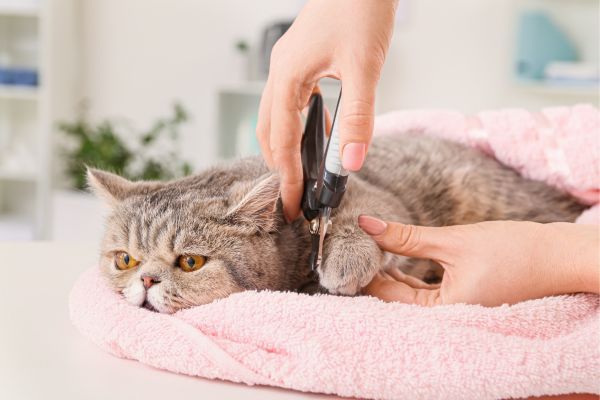
The Exotic Shorthair has a short, plush coat that is relatively easy to maintain. While their fur does not mat as easily as that of longhaired breeds, they do shed, though usually less than their long-haired Persian relatives. Twice-weekly brushing is usually sufficient to prevent matting, remove loose hairs and reduce shedding.
While their coat is low-maintenance, their flat face requires daily cleaning around the eyes to prevent tear staining and buildup. Routine care should also include nail trimming, ear cleaning, and dental hygiene such as teeth- brushing and dental chews. Their short muzzle can make breathing more difficult in hot conditions, so cool indoor spaces and proper ventilation are important. Extra warmth may be needed during colder months to keep them comfortable.
Size, appearance and coat of Exotic Shorthairs
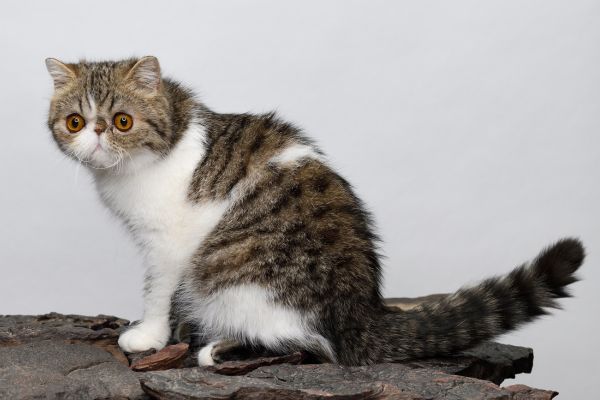
The Exotic Shorthair is a medium to large-sized cat with a stocky, compact body, broad chest, short legs and a rounded appearance, similar to the Persian. They have a large, round head with a flat face, short nose, and full cheeks. Their eyes are large, round, and expressive, typically in colours that match their coat, while their tail is short and thick. Their rounded features and soft coat give them a teddy bear-like look.
The Exotic’s distinctive, soft, fluffy and dense coat is slightly longer than the average shorthair’s. It has a plush, velvety texture and comes in a wide variety of colours and patterns that are essentially the same as the Persian’s, including solids, tabbies, bicolours, and colourpoints.
| Weight range | Males: 4.5 to 6.5 kg; females 3.5 to 5.5 kg |
| Height range | 25–30 cm (10–12 in) at the shoulder |
| Colours | Wide range including solid colours, tabby patterns, particoloured, bicoloured, pointed, silver and gold |
| Coat length | Short |
Breed history of Exotic Shorthairs
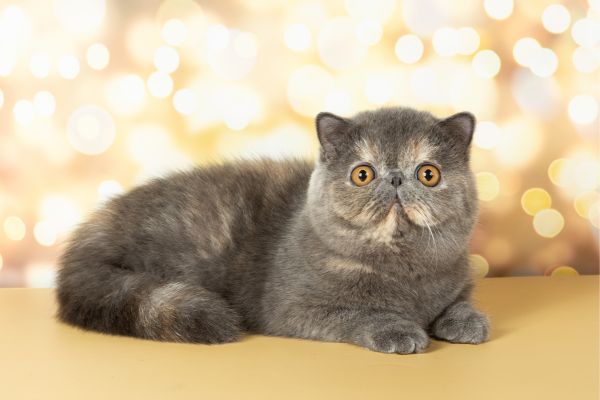
The Exotic Shorthair is a relatively modern breed that was developed in the United States in the 1950’s. Breeders set out to create a cat with a plush, Persian-like appearance, but with a shorter, easier-to-care-for coat. By crossing Persians with American Shorthairs, they introduced the short-hair gene while retaining the Persian’s round head, large eyes, and solid body type. Later, other breeds such as the Russian Blue and Burmese were introduced to refine the body structure and coat quality.
Eventually, breeders focused on maintaining Persian features while keeping the coat short and dense, and today outcrossing is only permitted with Persians. The result is an irresistibly cute, plush-coated cat that became affectionately known as the “Persian in pajamas”. Essentially, the Exotic is a short-haired Persian, sharing the same breed standard except for coat length.
Explore related breeds
Exotic Shorthair facts!
- The breed’s round faces and plush coats have made them popular in ads, social media, and even cartoons — they’re often compared to teddy bears or plush toys!
- Nicknamed the “Lazy Man’s Persian” because they share the Persian’s looks and sweet temperament but have a short, easy-care coat that doesn’t mat or tangle.
- Their large, round eyes give them a permanently wide-eyed, kitten-like expression that matches their affectionate personality.
- White Exotics can have one blue and one copper eye, a striking and rare feature.
- They rarely meow; instead, they communicate with soft chirps, purrs, or gentle trills.
- True to their Persian heritage, they’re champion snoozers and often pick one or two favourite nap spots for life.
Summary
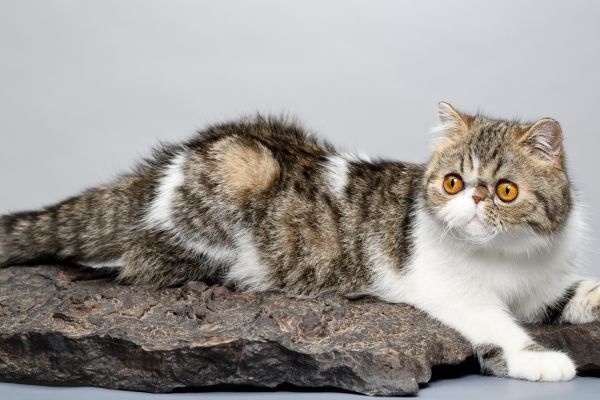
The Exotic Shorthair is a calm, affectionate medium-to-large cat with a flat, round face, plush coat and teddy-bear-like appearance. Essentially a shorthaired Persian, it is strongly people-oriented and can make a gentle companion for children and other pets.
Exotic Shorthairs suit indoor lifestyles and are generally content to spend much of the day lounging, napping or watching the world go by. Their relaxed temperament makes them a good choice for households wanting an affectionate companion with relatively modest activity needs.
FAQs about the Exotic Shorthair
The Exotic Shorthair is closely related to the Persian and shares its stocky body, round head and flat-faced appearance, but has a short, dense plush coat.
Yes. They are usually gentle, affectionate and calm cats that enjoy companionship without typically being as demanding as more active breeds.
They can do well with respectful children and gentle pets, particularly in calm households where they are not overwhelmed by rough play.
They have low to moderate activity levels and generally enjoy short play sessions mixed with plenty of relaxation.
Their short coat is easier to maintain than a Persian coat but is very dense, so regular brushing helps reduce loose hair. Facial and eye cleaning may also be necessary.
They tend to be relatively quiet cats with soft voices.
They can be more vulnerable to heat because of their shortened muzzle, so they should be kept cool, well hydrated and away from strenuous activity in hot conditions.
Important inherited concerns include polycystic kidney disease and progressive retinal atrophy. Their brachycephalic facial structure can also contribute to breathing, eye and dental problems.

Get 2 months free for your kitten!
Cover your kitten from Nose-to-Tail
To ensure your precious fur baby is covered from the start, we'd like to offer your first 2 months of our Nose-to-Tail Cover for free2!
Get a quick quote