Are Russian Blue cats hypoallergenic?


Russian Blue
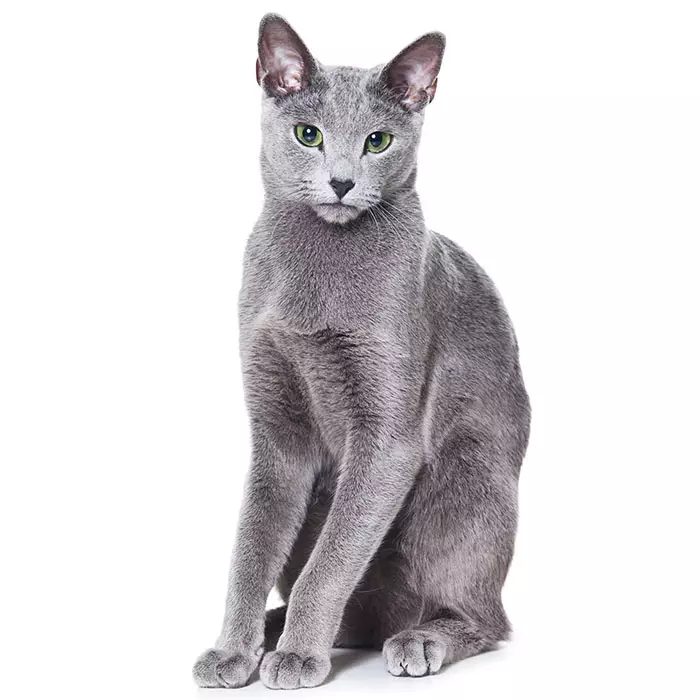
The Russian Blue is an elegant, silver-blue shorthair with vivid green eyes, a plush coat and a reserved but affectionate nature. They often suit calm indoor homes and owners who appreciate a loyal cat that may be cautious with strangers but deeply bonded to family.
| Recommended for | Singles, couples, families with gentle children and apartment households |
| Breed Classification | Shorthair |
| Other names | Archangel Cat |
| Lifespan | 12–18 years |
| Size | Medium |
| Temperament | Quiet, loyal, gentle and reserved with strangers |
| Intelligence | High; observant, routine-oriented and capable of learning games |
| Tendency to vocalise | Low to moderate; quiet but may talk softly to trusted people |
| Maintenance Level | Low grooming, moderate enrichment and weight management |
| Health Risk | Generally healthy, but obesity, dental disease and urinary or heart concerns should be monitored through routine vet care. |
Thinking of insuring a Russian Blue?
Explore the Top 5 health issues claimed for Russian Blues, including highest claims paid and how much pet insurance could help you save on eligible vet bills.
See Russian Blue pet insurance Ready to get cover? Get a quick quote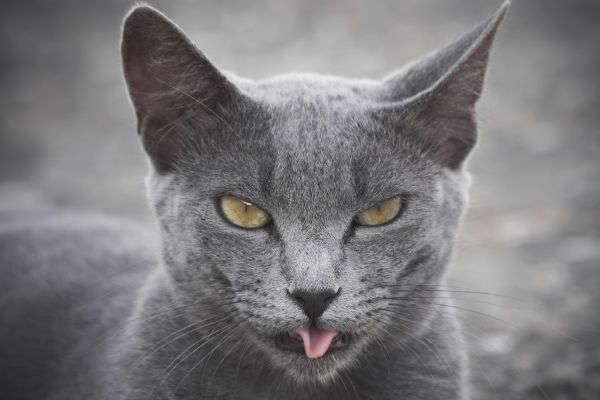
Russian Blue personality and temperament
Russian Blues are often reserved with strangers but affectionate and loyal once they trust someone. They tend to form strong bonds with their household and may choose a favourite person. Many enjoy gentle play, quiet companionship and predictable routines rather than noisy, chaotic activity.
They are usually well suited to apartments and indoor environments because they are clean, quiet and not excessively demanding. However, they still need enrichment, scratching posts, climbing areas and interactive play. Russian Blues do best in calm homes where their cautious side is respected and they are not forced into social situations.
Russian Blues with kids and other pets
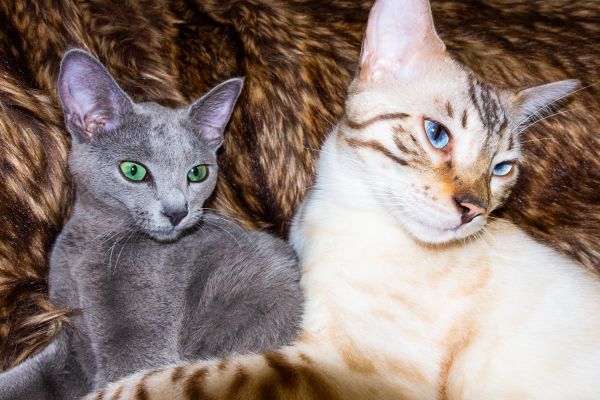
Russian Blues can live with children when the children are calm, gentle and old enough to respect boundaries. They may withdraw from loud or rough play, so they are often better suited to quieter families than highly boisterous households.
They can also live with other cats and cat-friendly dogs if introductions are slow and the other animals are not pushy. Because Russian Blues value routine and safe spaces, provide high perches, separate feeding areas and hiding spots in multi-pet homes.
Russian Blue training and exercise
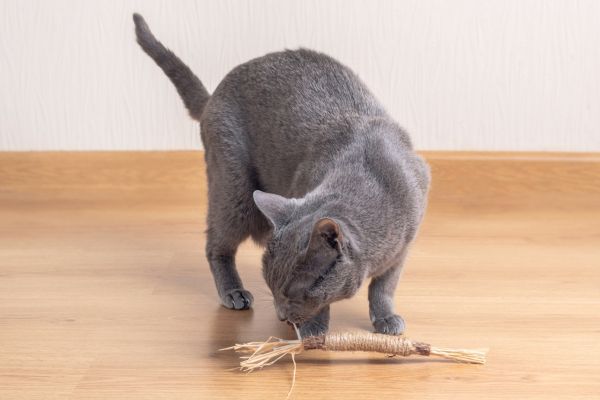
Russian Blues have moderate exercise needs and enjoy predictable play. Feather wands, puzzle feeders, treat hunts and gentle chase games are good options. They are not usually wild athletes, but they need daily movement to stay lean and mentally engaged.
Training can work well because they are intelligent and observant. Carrier training, recall, scratching-post use and feeding puzzles are practical goals. Keep training calm and consistent, as heavy pressure or sudden changes may make them cautious.
| Energy level | Moderate |
| Exercise requirements | Moderate; daily play, puzzle feeders, climbing spots and routine-based enrichment |
Common health issues for Russian Blues
What do Russian Blue owners claim for the most?
- Russian Blues may be prone to bladder stones and urinary tract conditions, so staying hydrated and monitoring litter box habits helps reduce the risk. Stress can also affect their urinary health, so maintaining a calm home environment supports their wellbeing.
- Obesity is a key concern. These cats have a strong appetite and a muscular frame that can hide excess weight. Overfeeding or too many treats can lead to joint strain, diabetes, and reduced activity. Watch portion sizes and stick to a feeding routine. Regular exercise helps them stay lean and mobile well into their senior years.
- Dental disease is another issue. Tartar buildup and inflamed gums can develop if dental hygiene isn’t maintained. Brushing their teeth, providing dental chews, and scheduling yearly dental checks reduce the risk of serious problems. Early action keeps their breath fresh and teeth healthy.
- Hypertrophic Cardiomyopathy (HCM) can occur in Russian Blues, though it’s not common. This heart condition causes thickening of the heart wall and may not show symptoms early on. Regular vet visits that include cardiac screening can help detect it before it becomes severe. If diagnosed early, treatment can help manage the condition.
Not all conditions are covered by Pet Insurance. For details of Bow Wow Meow Pet Insurance cover, refer to the Product Disclosure Statement.
How to choose the right insurance for your Russian Blue
When comparing cover for your Russian Blue, look for:

Cover for common Russian Blue conditions:
Check that the policy covers conditions Russian Blues can be prone to, including common health issues.

Cover for hereditary conditions:
No exclusions for hereditary or congenital conditions⑅.

Flexible cover options:
Options to adjust your annual benefit limit, reimbursement rate and excess.
Bow Wow Meow's Nose-to-Tail Cover offers flexible options for your Russian Blue, with cover for accidental injuries, illnesses and hereditary conditions⑅. Get a quick quote for cover that suits your Russian Blue and your budget.
Russian Blue feeding and nutrition
The Russian Blue can enjoy food a little too much, so measured portions are important. Feed a complete diet suited to age, desexing status and activity level, and avoid topping up bowls without tracking intake. Weight gain can be easy to miss under the plush coat.
Wet food can help hydration and may be useful for satiety, while dry food can be incorporated into puzzle feeders or dental routines if appropriate. Treats should be modest and ideally used for training or enrichment. Ask your vet to check body condition regularly, particularly for indoor cats, older cats or cats that become less active.
Russian Blue care and grooming
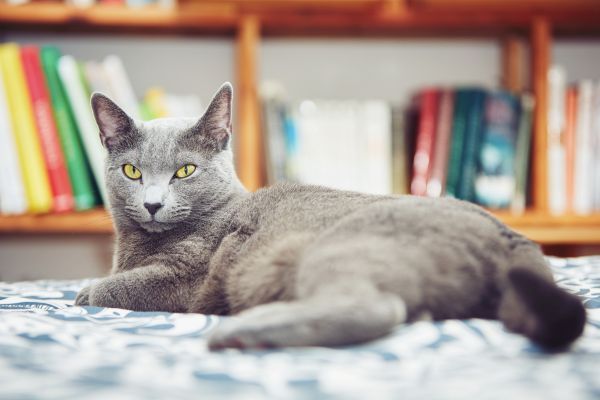
The dense short coat is relatively easy to maintain. Weekly brushing or combing helps remove loose hair, distribute natural oils and keep the silver-blue coat looking bright. During seasonal shedding, a second weekly session may be useful.
Routine care should include dental hygiene, nail trimming and ear checks. Russian Blues are often clean cats, but they benefit from early handling practice so vet visits and grooming remain low stress. Because they can be cautious, keep grooming calm and predictable. Their coat may hide weight gain, so use grooming time to feel body condition.
Size, appearance and coat of Russian Blues
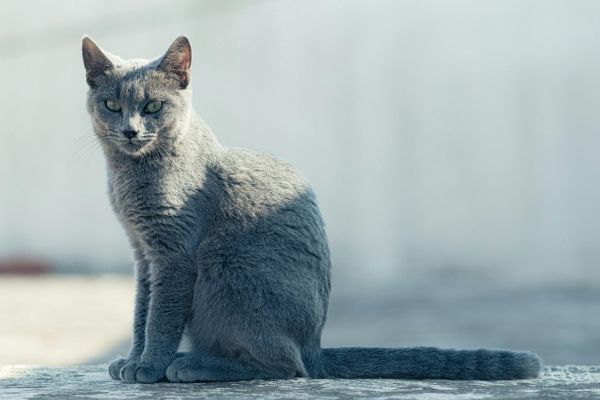
Russian Blues are medium-sized cats with a graceful, muscular body, long legs and a fine-boned but athletic appearance. Their heads are wedge-shaped with prominent whisker pads, large ears and vivid green eyes. The overall impression is refined rather than delicate, because the breed has good muscle under its elegant outline.
The coat is short, dense and double-layered, with a soft plush texture. Each hair is tipped with silver, creating the shimmering blue-grey appearance for which the breed is famous. The coat colour should look even and luminous, not flat or patchy.
| Weight range | Females about 2.5–4 kg; males about 3.5–5.5 kg |
| Height range | About 20–25 cm at the shoulder |
| Colours | Blue-grey with silver tipping and green eyes |
| Coat length | Short, dense, double coat with plush texture |
Breed history of Russian Blues
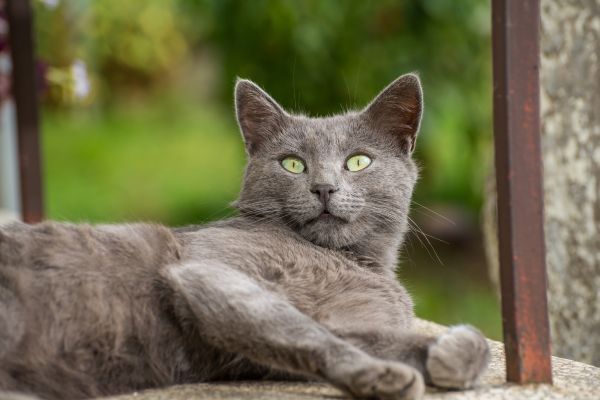
The Russian Blue is often linked to northern Russia, particularly the port city of Arkhangelsk, which is why the breed was once known as the Archangel Cat. Blue-coated cats from this region are believed to have travelled to Britain and northern Europe on ships, where their dense coats and striking colour attracted attention.
By the late 19th and early 20th centuries, Russian Blues were being shown and selectively bred. The breed suffered during wartime and was rebuilt using careful breeding programs, while preserving the bright blue coat, green eyes and elegant body. Today, the Russian Blue is valued for both its beauty and its quiet, loyal temperament.
Explore related breeds
Russian Blue facts!
- Russian Blues were once called Archangel Cats.
- Their coat has silver tipping, giving a shimmering effect.
- They are often described as smiling because of their whisker pads.
- They have distinctive green eyes that develop around four months of age.
- Many Russian Blues are loyal to family but reserved with visitors.
Summary
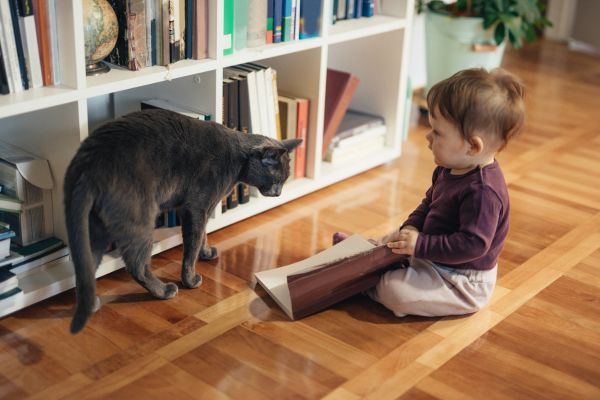
The Russian Blue is a graceful and intelligent breed known for its plush blue-grey coat and vivid green eyes. Calm and reserved around strangers, they build strong bonds with their favourite people.
This medium-sized cat tends to live between 15 and 20 years and fits well in quiet homes with predictable routines. Their thick double coat sheds moderately but is easy to manage. While generally healthy, they can be prone to weight gain, so keeping them active is important. Russian Blues are thoughtful and clever, often observing before acting, and enjoy interactive toys and gentle attention.
FAQs about the Russian Blue
No cat is truly hypoallergenic, but Russian Blues are often better tolerated by allergy sufferers. They produce less of the protein Fel d 1, which is linked to allergic reactions in humans. Their short, dense coat also helps reduce dander spread. However, reactions vary from person to person.
Yes, Russian Blues shed, but not heavily. Their plush double coat sheds lightly year-round, with a slight increase during seasonal changes. Weekly brushing usually keeps loose fur under control and helps limit shedding around the home.
Russian Blues are a long-lived breed. Most live between 15 and 20 years when well cared for. A balanced diet, regular vet visits, and indoor living contribute to their impressive lifespan.
They’re known for their sleek blue-grey coat with a silvery shimmer, vivid green eyes, and refined, elegant build. Their coat feels thick and soft, thanks to a dense undercoat. They carry themselves with quiet grace and alert expression.
Yes, but they bond deeply with their chosen humans rather than everyone they meet. They tend to be gentle and loving at home, often following their people from room to room. They don’t demand constant attention but enjoy quiet companionship.
Yes, the breed is believed to have originated in northern Russia, possibly near Arkhangelsk. They were first exhibited in England in the 1860s and later developed further in Europe and the US.
They do best indoors. Russian Blues are cautious by nature and prefer predictable, quiet environments. Keeping them inside helps protect them from stress, injury, and illness. They enjoy watching the world from a window perch.
They’re not as common as some other shorthaired breeds, but aren’t considered rare. Ethical breeders exist across Australia and internationally. Always source from a trusted breeder or rescue.
Most live into their late teens. A lifespan of 15 to 20 years isn’t unusual when they receive proper nutrition, exercise, and routine health care.
Look for a short, dense, silver-blue coat, almond-shaped green eyes, and a graceful, muscular frame. Their quiet, observant personality also sets them apart. If in doubt, ask a vet or breed expert to confirm.
MORE INFORMATION
Russian Cat Council of Australia: https://www.russiancatcouncilofaustralia.com/
Cats NSW breeder directory: https://catsnsw.com.au/breeders/
Australian Cat Federation breed standards: https://www.acf.asn.au/index.php?page=standards
Purebred Cat Rescue Australia community: https://www.facebook.com/groups/pcraus/

Get 2 months free for your kitten!
Cover your kitten from Nose-to-Tail
To ensure your precious fur baby is covered from the start, we'd like to offer your first 2 months of our Nose-to-Tail Cover for free2!
Get a quick quote