How long do British Shorthairs live?


British Short Hair
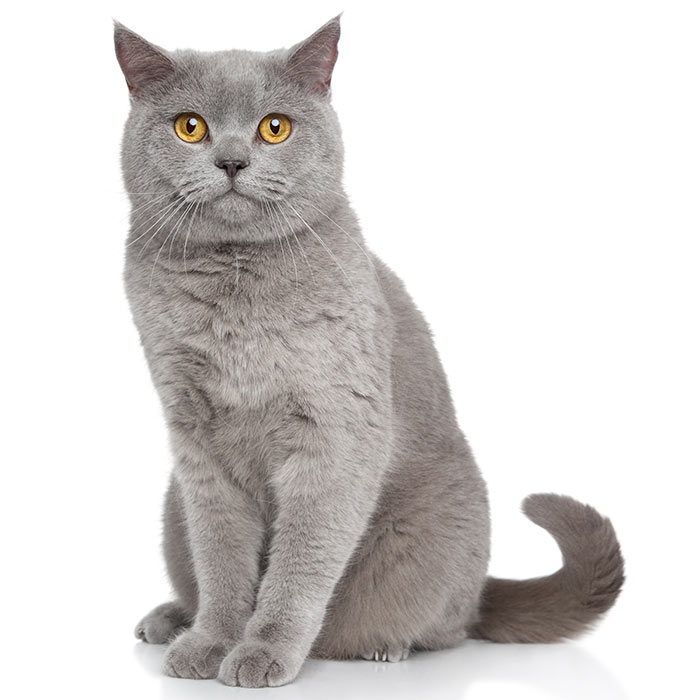
The British Short Hair, more commonly written as British Shorthair, is a sturdy, round-faced cat with a plush coat and a calm, dependable nature. Affectionate without being clingy, they suit owners who want a steady indoor companion that is happy to be nearby without demanding constant entertainment.
| Recommended for | Families, singles, older owners and apartment households |
| Breed Classification | Shorthair |
| Other names | British Shorthair, British Blue when referring to the classic blue coat |
| Lifespan | 12–17 years, with individual cats varying widely |
| Size | Medium to large |
| Temperament | Calm, loyal, placid and quietly affectionate |
| Intelligence | Sensible and observant; enjoys routine and gentle play rather than constant mischief |
| Tendency to vocalise | Low to moderate; usually quiet with occasional soft comments |
| Maintenance Level | Low to moderate grooming; weight management is important |
| Health Risk | Generally robust, but the breed can be prone to weight gain and inherited issues such as hypertrophic cardiomyopathy and, in some lines, polycystic kidney disease. |
Thinking of insuring a British Short Hair?
Explore the Top 5 health issues claimed for British Short Hairs, including highest claims paid and how much pet insurance could help you save on eligible vet bills.
See British Short Hair pet insurance Ready to get cover? Get a quick quote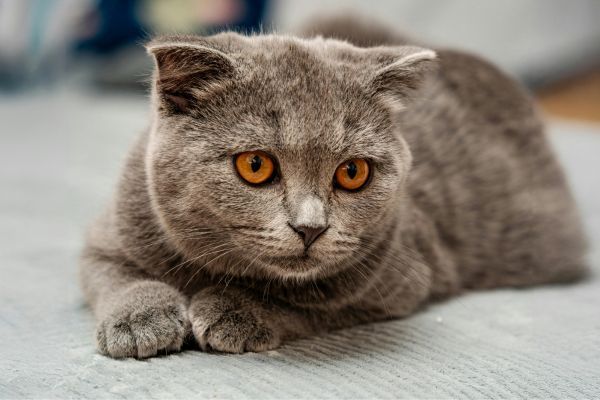
British Short Hair personality and temperament
British Short Hairs are calm, composed and quietly affectionate. They enjoy being around their people, but many prefer sitting beside a person rather than being carried or cuddled tightly. They are usually not needy cats, which makes them a good match for households where people are home regularly but cannot provide constant entertainment.
This breed is generally well suited to apartments and indoor environments, provided they have comfortable resting spots, scratching posts and short daily play sessions. They tend to appreciate predictable routines and calm handling. British Short Hairs can be playful, especially when young, but adult cats are often more steady than boisterous.
British Short Hairs with kids and other pets
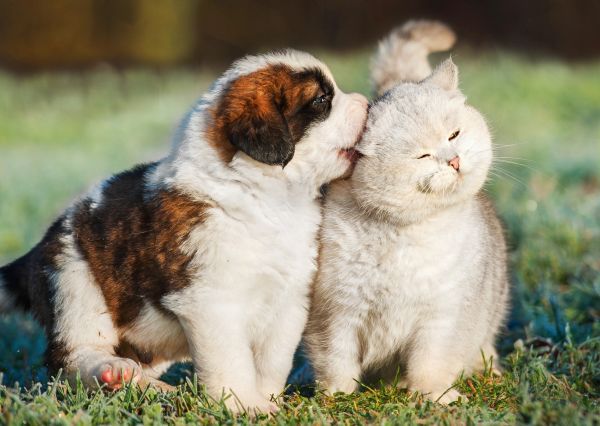
British Short Hairs can be very good with children when the household teaches gentle, respectful handling. They are sturdy cats and often tolerant, but they are not usually fond of rough play, being chased, or being picked up repeatedly. Calm children who let the cat approach on its own terms are the best fit.
They can also live well with other cats and cat-friendly dogs, especially when introductions are slow and controlled. Their independent streak means they do not always need another pet for company, but many will accept a companion that respects their space and routine.
British Short Hair training and exercise
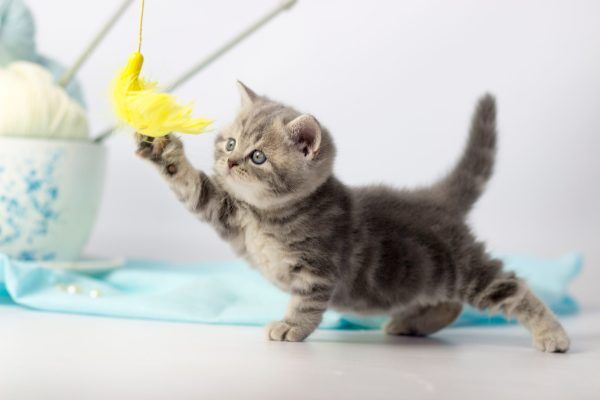
British Short Hairs have moderate exercise needs. They are not usually hyperactive climbers, but they still need daily play to maintain muscle tone and avoid weight gain. Wand toys, rolling balls, tunnels and short chase games usually suit them better than constant high-intensity activity.
Training should be gentle, food-aware and consistent. They can learn household routines, scratching-post use, carrier training and simple cues, but they may not be as eager to perform tricks as more active breeds. Keep sessions short and positive.
| Energy level | Low to moderate |
| Exercise requirements | Moderate; short daily play, climbing options and weight-conscious enrichment |
Common health issues for British Short Hairs
What do British Short Hair owners claim for the most?
- British Shorthairs are generally healthy cats, but they are prone to a few conditions that owners should be aware of. Common health issues include:
- Hypertrophic Cardiomyopathy (HCM) is the most frequently identified cardiac condition in British Shorthairs. This disease thickens the heart muscle and may progress to heart failure if not detected early. Regular cardiac evaluations, particularly for breeding cats and their relatives, help identify changes before signs develop.
- Polycystic Kidney Disease (PKD) occurs in some lines, historically linked to earlier outcrosses. The disorder causes fluid-filled cysts in the kidneys that can impair function over time. DNA testing of breeding cats and periodic renal monitoring reduce risk and aid early management.
- Obesity is a notable concern due to the breed’s calm nature and sturdy build. Excess weight increases the likelihood of diabetes, arthritis, and reduced cardiovascular fitness. Careful portion control and routine play are essential to maintain a healthy body condition.
- Dental disease, including periodontal issues, can develop without regular oral care. Plaque and tartar lead to gum inflammation and tooth loss if untreated. Preventive dental routines and professional cleans as advised by a vet help protect long-term oral health.
Not all conditions are covered by Pet Insurance. For details of Bow Wow Meow Pet Insurance cover, refer to the Product Disclosure Statement.
How to choose the right insurance for your British Short Hair
When comparing cover for your British Short Hair, look for:

Cover for common British Short Hair conditions:
Check that the policy covers conditions British Short Hairs can be prone to, including common health issues.

Cover for hereditary conditions:
No exclusions for hereditary or congenital conditions⑅.

Flexible cover options:
Options to adjust your annual benefit limit, reimbursement rate and excess.
Bow Wow Meow's Nose-to-Tail Cover offers flexible options for your British Short Hair, with cover for accidental injuries, illnesses and hereditary conditions⑅. Get a quick quote for cover that suits your British Short Hair and your budget.
British Short Hair feeding and nutrition
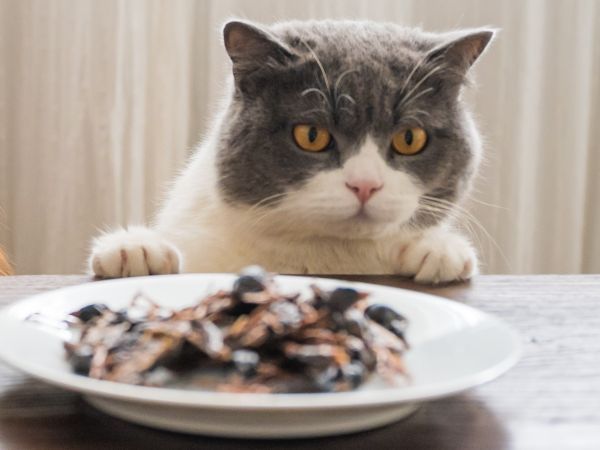
A measured, balanced diet is especially important for British Short Hairs because the breed can gain weight if overfed or under-exercised. Choose a complete cat food appropriate to age, desexing status and activity level, and use measured portions rather than free-feeding large amounts.
Protein quality matters for maintaining muscle, while controlled calories help protect joints and long-term mobility. Wet food can help hydration and satiety, while some dry food may support dental care if recommended by your vet. Treats should be limited and counted as part of daily intake. Ask your vet to assess body condition regularly, particularly for indoor adults.
British Short Hair care and grooming
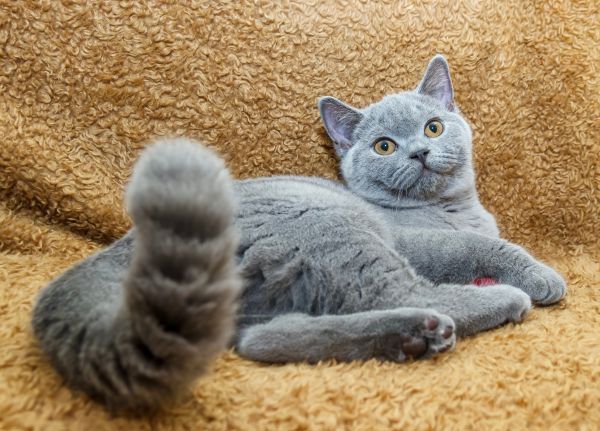
The British Short Hair’s dense undercoat benefits from weekly brushing to remove loose hair and reduce shedding around the home. During seasonal coat changes, more frequent brushing may be useful. A soft slicker, rubber grooming mitt or comb can work well if introduced gently.
Routine care should also include nail trimming, dental care and ear checks. Because the breed is generally calm and food-motivated, grooming and handling are easier when introduced early and kept positive. Watch for gradual weight gain, as grooming can become harder for overweight cats and extra body weight can place more strain on joints.
Size, appearance and coat of British Short Hairs
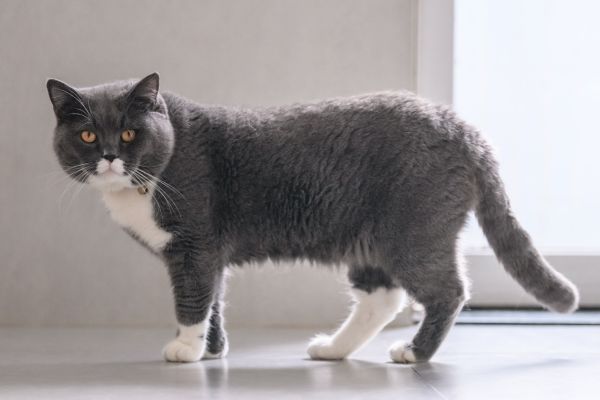
British Short Hairs are medium to large cats with broad chests, strong legs, round paws and thick tails. They have large rounded heads, full cheeks, short broad noses and large round eyes that give them a sweet but slightly serious expression. Males are usually heavier and more jowly than females, while females tend to look neater but still solid.
The coat is one of the breed’s defining features. It is short, dense and crisp rather than silky, standing away from the body and creating the breed’s plush look. Blue remains the most famous colour, but British Short Hairs appear in many recognised colours and patterns.
| Weight range | Females about 3.5–5.5 kg; males about 5–8 kg, with some larger males heavier |
| Height range | About 30–35 cm at the shoulder |
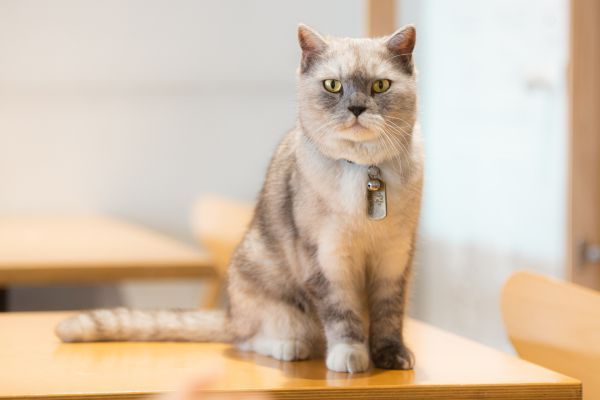
| Colours | Blue, black, white, cream, red, tabby, tortoiseshell, colourpoint, bi-colour and many other recognised patterns |
| Coat length | Short, dense and plush |
Breed history of British Short Hairs
The British Shorthair is one of Britain’s oldest recognised pedigree cat breeds. Its ancestors were hardy working cats that lived alongside people for centuries, valued for their strength, resilience and ability to control vermin. By the 19th century, cat fanciers began refining these native cats into a more consistent breed with a rounded head, dense coat and powerful body.
The breed was showcased at early British cat shows and the classic blue-grey variety became especially popular. Numbers declined during the world wars, and breeders later worked to rebuild the breed while preserving its solid, rounded type. Today, British Shorthairs come in many colours and patterns, but the breed is still strongly associated with a calm, dignified personality and plush teddy-bear appearance.
Explore related breeds
British Short Hair facts!
- The Cheshire Cat is often illustrated with a British Shorthair-like grin.
- The classic blue-grey coat is so well known that many people refer to blue British Shorthairs as British Blues.
- They often look like plush teddy bears but usually prefer dignified affection over being treated like a toy.
- They are slow-maturing cats and may not reach full physical maturity until around three years of age.
- Their dense coat can make them look larger than they really are.
Summary
The British Shorthair is a sturdy, affectionate breed with a round face and dense coat. Medium to large in size, males can weigh up to 8 kg while females average 4 to 6 kg. These calm, loyal cats often live 12 to 20 years.
Friendly and undemanding, they suit both families and single owners. Their plush short coat is easy to maintain with weekly brushing. Generally healthy, they may develop genetic conditions best monitored by regular veterinary care.
FAQs about the British Short Hair
British Shorthairs commonly live 12 to 20 years. Indoor living, a balanced diet, healthy weight, and regular veterinary care help many reach their late teens.
Affectionate and loyal companions who enjoy being near their people. Most prefer relaxed closeness over constant lap time and appreciate calm, consistent routines.
There is no truly hypoallergenic cat. British Shorthairs produce common cat allergens and have a dense coat. Regular grooming, frequent vacuuming, air filtration, and handwashing can reduce allergen load.
British Shorthairs shed year round with seasonal peaks. Weekly brushing, more often during spring and autumn, helps manage loose hair and reduces hairballs.
Typically quiet. Most use soft meows and gentle trills at greetings or mealtimes. They communicate clearly with body language and respond well to positive reinforcement training.
Many are cuddly on their own terms. They enjoy pats and will settle beside their people, especially when handled kindly from kittenhood. Patience and routine encourage close bonding.
Kittens are usually born with blue eyes that shift to the adult colour as they mature, often copper or gold by six to twelve months. Silver varieties tend toward green, and white cats may have odd eyes.
Look for a round head with full cheeks, large round eyes, a thick, plush coat, a cobby body, and a broad chest with a thick tail ending in a rounded tip. The only confirmation is registration paperwork from a recognised registry such as GCCF, CFA, or TICA. A vet or breed club can also provide guidance.
British Shorthairs are generally calm and even tempered. Signs of aggression usually reflect pain, fear, stress, or poor socialisation, so arrange a vet check and provide gentle handling, enrichment, and gradual introductions.
British Shorthairs are generally mesocephalic with a round head and normal muzzle length. Extreme brachycephalic features are discouraged in the breed standard, and breathing problems linked to shortened skulls are uncommon. Choose cats with open nostrils and good muzzle definition.
Yes, they are often good family cats in calm homes where children handle them respectfully.
Yes. They usually adapt well to indoor and apartment living with enrichment and sensible portion control.
Not a lot, but weekly brushing helps manage the dense coat and reduce loose hair.
Some are, but many prefer sitting nearby rather than being held for long periods.
Weight gain, heart disease, dental disease and, in some lines, kidney disease are worth discussing with a vet.
MORE INFORMATION
Cats NSW breeder directory: https://catsnsw.com.au/breeders/
Australian Cat Federation breed standards: https://www.acf.asn.au/index.php?page=standards
Co-ordinating Cat Council of Australia breed standards: https://www.cccofa.com.au/standards.php
Purebred Cat Rescue Australia community: https://www.facebook.com/groups/pcraus/

Get 2 months free for your kitten!
Cover your kitten from Nose-to-Tail
To ensure your precious fur baby is covered from the start, we'd like to offer your first 2 months of our Nose-to-Tail Cover for free2!
Get a quick quote