Pet Insurance that covers kidney disease in Australia


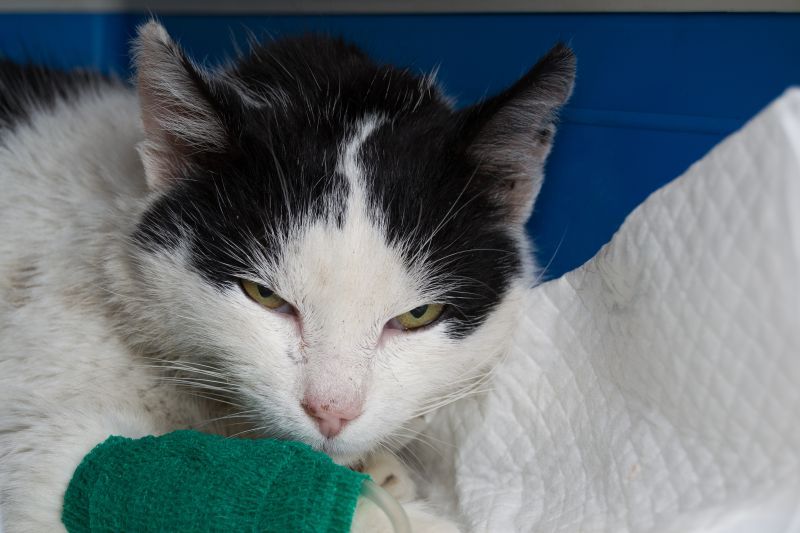
Does Bow Wow Meow pet insurance cover kidney disease in dogs and cats?
Yes, Bow Wow Meow’s Nose-to-Tail Cover covers kidney disease if the condition is not pre-existing and the waiting period has passed⑅.
Summary
Chronic kidney disease (CKD) is one of the most common and serious health problems in older cats and a significant cause of illness in dogs. It is usually progressive and irreversible, requiring lifelong monitoring, prescription diets and repeated vet visits, and can quickly become expensive to manage. The highest reported treatment cost by PetSure for chronic kidney disease reached $54,862Ø for dogs. Fortunately, pet insurance generally covers CKD, provided it isn’t a pre-existing condition and policy terms, such as waiting periods, are met.
Kidney disease: a worrying diagnosis
The diagnosis of kidney disease in a beloved dog or cat is worrying and stressful for pet parents. When you realise how common kidney disease is, and how expensive treatment can be, it’s easy to understand why pet owners are concerned.
This article explains how kidney disease affects Australian pets, what treatment can cost, and what to look for when researching pet insurance that covers kidney disease, including how Bow Wow Meow’s Nose-to-Tail Cover fits in.
Expert advice from Dr Felicia:
Sadly kidney disease cannot yet be cured, but many cats and dogs can live comfortably with the diagnosis for years with life-extending nutrition and medications where indicated to lighten the kidneys’ workload.
Understanding kidney disease in pets
Chronic kidney disease (CKD) is a long-term condition where the kidneys gradually lose their ability to filter waste products and maintain fluid and electrolyte balance. As pets age, more nephrons (the tiny functional units of the kidney) are lost, causing a decline in kidney function. Once nephrons are gone, they generally do not grow back, so CKD is considered progressive and usually irreversible, requiring ongoing management rather than a one-off “cure”.

International expert groups such as the International Renal Interest Society (IRIS) describe CKD in dogs and cats as a progressive, often irreversible disease that typically needs long-term monitoring, dietary changes, blood pressure control and supportive treatment to slow progression and maintain quality of life.
Even though CKD may start silently, it becomes a major issue because:
-
It tends to worsen over months to years
-
It can lead to complications such as anaemia, high blood pressure and dehydration
-
It often requires lifelong management, including prescription renal diets, frequent blood and urine tests, blood pressure checks and sometimes fluid therapy

How kidney disease affects Australian pets
Prevalence of CKD in dogs and cats
Several major bodies, including IRIS and ISFM, highlight that CKD is one of the most frequently diagnosed diseases in older cats and an important cause of illness in dogs.
From a population perspective, CKD is not rare:
-
Overall, CKD affects an estimated 0.5 to 1% of dogs and 1 to 3% of cats in the general population, with prevalence increasing in older age groups.
-
Its incidence increases dramatically with age, especially in cats. Multiple studies put prevalence at 30–40% of cats over 10 and up to 80% of cats over 15, making CKD one of the most common problems seen in senior cats in both Australian and overseas practices.
Australian and UK sources commonly describe CKD as one of the leading health issues in older cats, often discovered during investigations for weight loss, increased thirst or poor appetite.
Age-related risk
Age is one of the strongest risk factors:
-
The prevalence of CKD rises sharply in cats from about 9–10 years of age, with geriatric cats overwhelmingly represented in CKD cohorts.
-
In dogs, CKD is less common than in cats but still more frequently diagnosed in middle-aged and senior dogs, with some studies suggesting that around 10% of dogs may develop some form of kidney disease over their lifetime.
Because early CKD can be quite subtle, routine blood and urine tests in senior pets are the best way to detect kidney changes before obvious symptoms appear.
Mortality and impact on quality of life
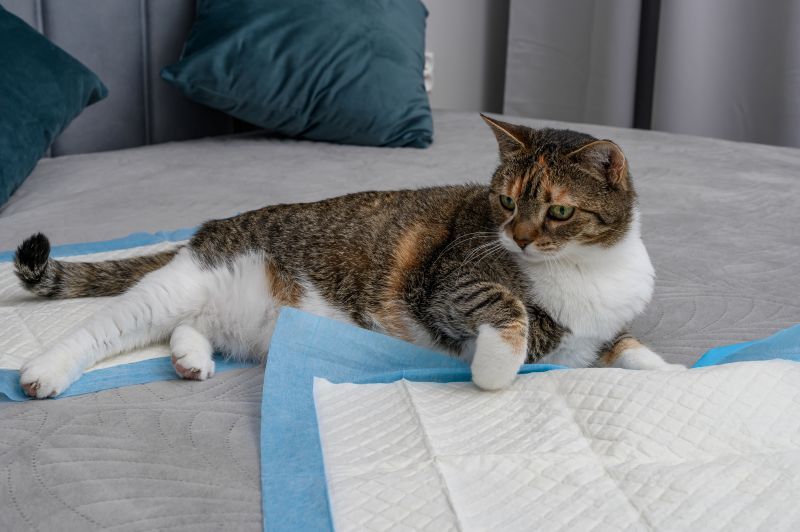
CKD generally has real impacts on longevity and wellbeing:
-
ISFM guidelines note that kidney disease was the most common cause of mortality in cats >5 years of age in a UK study, responsible for over 13% of deaths.
-
CKD is described as a leading cause of morbidity and a major welfare concern in geriatric cats, because it affects appetite, weight, hydration, blood pressure and overall comfort.
With good supportive care, many dogs and cats with CKD can enjoy months to several years of good quality life, but that support comes at the cost of frequent vet visits, tests and medication. Expenses can quickly mount up to thousands of dollars in vet bills, which is where pet insurance can help.
How much does kidney disease treatment & management cost?
The cost of managing kidney disease in pets varies widely because CKD is not a single event; rather, it is an ongoing condition that can require:
-
Repeated blood and urine tests
-
Blood pressure monitoring
-
Prescription renal diets
-
Medications (e.g. blood pressure drugs, phosphate binders, anti-nausea medication)
-
Fluid therapy (sometimes including at-home subcutaneous fluids)
-
Occasional hospitalisation, especially during crises such as dehydration or acute kidney injury on top of CKD
PetSure’s Pet Health Monitor gives us an idea how expensive chronic kidney disease can be, ranking it the 5th most expensive health condition in Australian dogs during 2024.
| Avg treatment cost | Max treatment cost | Breeds most at risk |
| $1,938Ø | $54,862Ø | Shih Tzu cross, Greyhound, Chihuahua cross, Boxer, Bichon FriseØ |
ØBased on PetSure claims data, 2024 calendar year. Reimbursement for these claims under a pet insurance policy would be subject to limits, such as annual benefit limits or sub-limits, benefit percentage, applicable waiting periods and any applicable excess. Cover is subject to the policy terms and conditions. You should consider the relevant Product Disclosure Statement or policy wording available from the relevant provider. Please note that values calculated are based on all claims for that condition and medically related conditions in each calendar year.
CKD is a classic “chronic condition” for which pet insurance that includes illness cover, a high annual limit and no restrictive sub-limits, such as our Nose-to-Tail Cover, can be particularly valuable. As long as it is not a pre-existing condition, and onset occurs after the 30-day waiting period, it should be eligible for cover.
Because it is difficult to predict the costs of veterinary care, it can help to have measures in place to help prepare for the unexpected. Pet insurance can help by covering a portion of the eligible vet bill if the unexpected does happen.
Get a quick quote
Why is the cost of kidney treatment so high?
Diagnosis
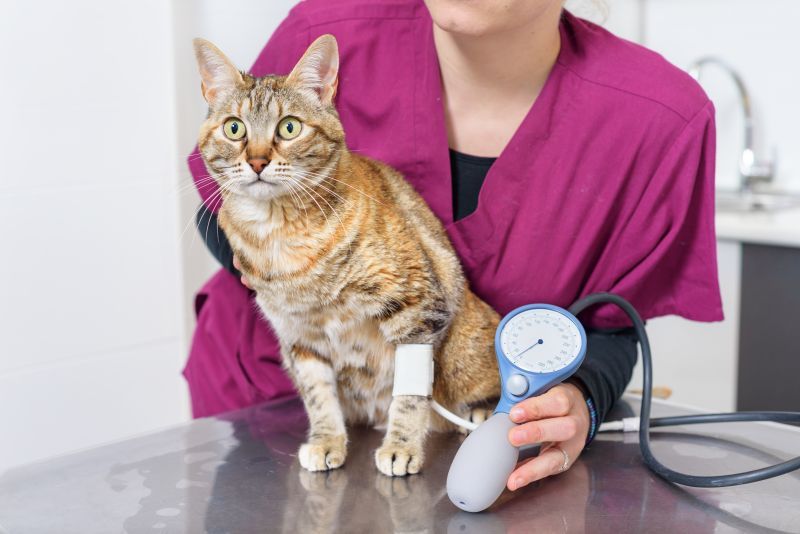
Diagnosing CKD and distinguishing it from acute kidney injury often requires:
-
Comprehensive blood tests (urea, creatinine, SDMA, electrolytes)
-
Urinalysis, including urine specific gravity and urine protein:creatinine ratio
-
Blood pressure measurement
-
Imaging such as ultrasound to assess kidney size and structure
-
Sometimes further tests to look for underlying causes (e.g. infections, stones, endocrine disease)
These tests are often repeated over time to monitor progression, to stage the disease according to IRIS guidelines for treatment planning, and assess response to therapy.
Treatment and hospital care
CKD cannot be cured but can be managed. Costs can include:
-
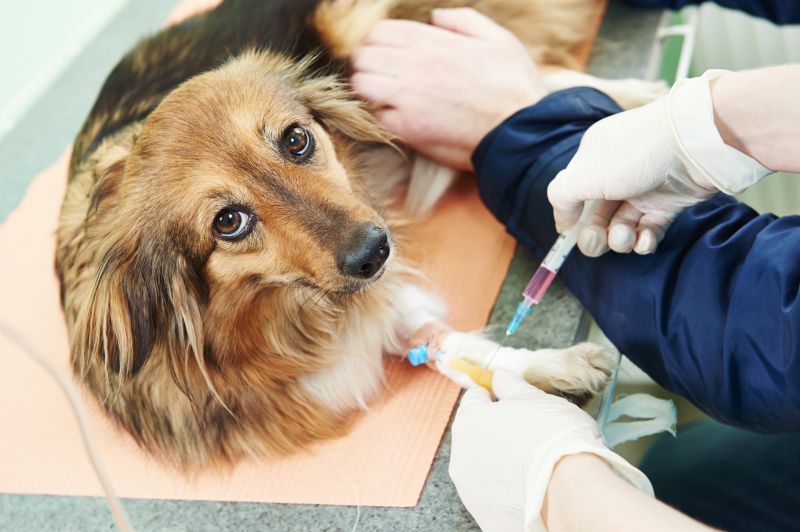
Hospitalisation and IV fluids during crises (e.g. dehydration, uremic episodes)
-
Medications to control high blood pressure, nausea, gastric ulcers and anaemia
-
Treatment of associated urinary tract infections
-
Procedures for complications, such as placement of feeding tubes in cats that stop eating
Each admission or procedure carries its own fee, and because CKD tends to wax and wane, there may be multiple acute episodes over the pet’s remaining lifetime.
Maintenance and lifelong monitoring
Most of the costs associated with CKD comes from ongoing management rather than one-off emergencies:
-
Regular blood and urine tests (for example, every 3–6 months, sometimes more often)
-
Blood pressure checks and medication adjustments
-
Prescription renal diets – which can meaningfully slow disease progression and improve survival, but are more expensive than standard diets
-
Subcutaneous fluids and syringes if given at home
-
Periodic follow-up consultations to monitor weight, hydration and clinical signs
Studies show that cats fed veterinary renal diets can live two to three times longer than cats with CKD on regular diets, but this extended survival also means more time spent on monitoring and treatment.
Does pet insurance cover kidney disease?
Many owners only start thinking about insurance when their vet first mentions “kidney disease” on blood tests and they realise treatment won’t be a one-off visit.
CKD as an illness under pet insurance
In Australia, chronic kidney disease is generally treated as an illness under pet insurance policies. That means it is typically covered under Comprehensive policies that include illness cover.
For CKD to be covered:
-
Clinical signs or abnormal test results usually need to arise after the policy starts, and
-
Be outside any illness waiting periods, and
-
Not be considered a pre-existing condition (e.g. kidney changes or high kidney values documented before cover, or during the waiting period)
If these conditions are met, CKD can often be claimed as an ongoing chronic condition over multiple policy periods, subject to normal limits. A sensible strategy may be to take out pet insurance while your pet is young and still healthy, well before any kidney issues are detected.
Chronic conditions and long-term claims
Unlike a one-off accident, CKD can generate repeated claims over months or years for lab monitoring, check-ups, medications and dietary management. Many insurers treat CKD like other chronic conditions (e.g. diabetes, arthritis):
-
As long as the policy is kept continuous and subject to the PDS, the condition may remain eligible for benefits in future years
-
Each year, benefits are usually capped by that policy’s annual benefit limit and any relevant sub-limits
How Bow Wow Meow Pet Insurance approaches chronic conditions
With Bow Wow Meow’s Nose-to-Tail Cover, kidney disease is not treated as a special separate category. Like other illnesses, CKD is generally covered as long as it is not pre-existing and the policy’s terms are met, including waiting periods and exclusions.
This means that potentially you can claim up to $30,000 per year for CKD related vet bills, if you have taken out Nose-to-Tail Cover with a $30,000 annual limit⑅. Bear in mind that Nose-to-Tail Cover is subject to waiting periods, pre-existing condition rules and other terms and exclusions set out in the current PDS.

Prevention and early detection
You can’t prevent every case of CKD, but you can reduce risk where possible and, importantly, pick it up early, when treatment is most effective and sometimes less costly.
Prevention and risk reduction
Helpful steps include:
-
Hydration: Ensure constant access to fresh water; many vets recommend wet food or fountains for cats prone to dehydration.
-
Healthy diet: Feed a balanced, life-stage-appropriate diet; avoid excessive treats and salty foods.
-
Avoiding toxins: Keep lilies, certain human medications, anti-freeze and other nephrotoxic substances out of reach.
-
Regular check-ups: Annual (or twice-yearly for seniors) vet visits help detect early changes in kidney values, weight and blood pressure.
Recognising early signs of CKD
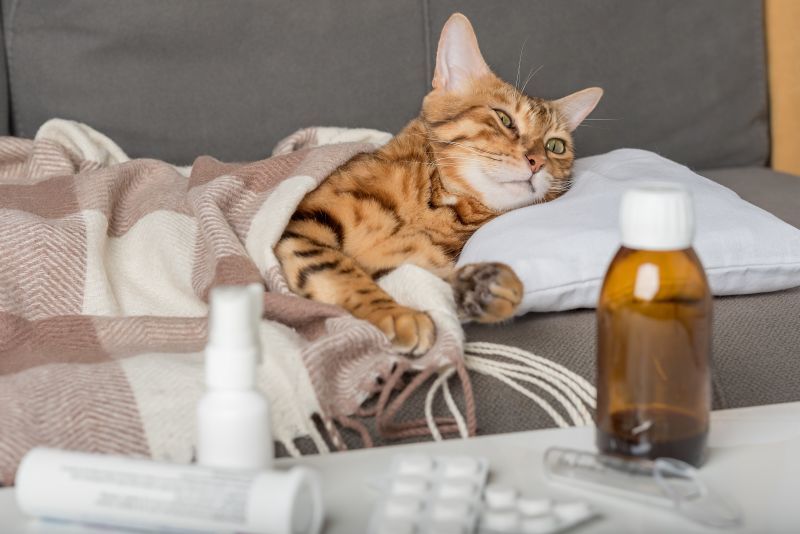
Early signs can be easy to miss, especially in cats. Symptoms that warrant a vet visit include:
-
Increased thirst and more frequent urination
-
Weight loss and reduced appetite
-
Vomiting or nausea
-
Lethargy, reduced activity or hiding
-
A dull or unkempt coat
-
Bad breath with a “uremic” or chemical odour
Not all these automatically mean kidney disease, but all are reasons to see your vet promptly.
In summary
Chronic kidney disease is common, especially in older cats, and is a major cause of illness and death in senior felines worldwide. Dogs are also often affected, particularly in middle and old age. CKD is progressive, usually irreversible and requires lifelong management, from renal diets and medications to frequent blood and urine tests.
The cost of diagnosing and managing kidney disease can run to many thousands of dollars, with some cases exceeding $50,000 according to Australian claims data. Bow Wow Meow’s Nose-to-Tail Cover offers high annual limits, up to 90% back on eligible vet bills and no sub-limits⑅, features that can be very valuable for kidney disease in dogs and cats.
Bow Wow Meow Pet Insurance can help protect you and your pet should an unexpected trip to your vet occur.
- Find out more about our dog insurance options
- Find out more about our cat insurance options
- Get an instant online pet insurance quote
Bow Wow Meow is proud to have been awarded winner of Canstar’s ‘Most Satisfied Customers’ Award in the Pet Insurance category for both 2024 and 2025!
Bow Wow Meow is proud to be the only Pet Insurer that has been awarded Product Review’s Top Rated Pet Insurance every year from 2018 to 2026! This is based on 3,193 independent customer reviews (as at 09/04/2026), with an overall rating of 4.5 stars.

We also have the following ratings on other review platforms:
Google Review rating of 4.5 stars (based on 1,358 reviews)
Trust Pilot rating of 4.6 stars (based on 555 reviews)
Bow Wow Meow has been chosen as Winner of 4 categories in the 2026 Finder Pet Insurance Customer Satisfaction Awards!


– Most Trusted Pet Insurance
– Easiest to Claim Pet Insurance
– Most Recommended Pet Insurance
– Legendary Service Pet Insurance
We also received Highly Commended Awards for Loved Brand Pet Insurance and Best Value Pet Insurance.
Bow Wow Meow is an Australian-owned and operated pet insurance provider. Our focus is purely on pets, and we are proud to have helped provide peace of mind to over 200,000 Aussie pet owners since 2008.
Sources:
“CKD Risk Factors”, IRIS, https://www.iris-kidney.com/ckd-risk-factors. Accessed 3 Feb 2026
“Renal Dysfunction in Dogs and Cats”, MSD Veterinary Manual, https://www.msdvetmanual.com/urinary-system/noninfectious-diseases-of-the-urinary-system-in-small-animals/renal-dysfunction-in-dogs-and-cats. Accessed 5 Feb 2026
“Chronic Kidney Disease”, Cornell Feline Health Center, https://www.vet.cornell.edu/departments-centers-and-institutes/cornell-feline-health-center/health-information/feline-health-topics/chronic-kidney-disease. Accessed 3 Feb 2026
“ISFM Consensus Guidelines on the Diagnosis and Management of Feline Chronic Kidney Disease”, Sage Journals, https://journals.sagepub.com/doi/10.1177/1098612X16631234. Accessed 1 Feb 2026
“Chronic Kidney Disease in Dogs and Cats: Where to Begin”, Veterinary Partner, https://veterinarypartner.vin.com/doc/?id=4951452. Accessed 6 Feb 2026
“Pet Health Monitor”, Petsure, https://petsure.com.au/category/pet-health-monitor/. Accessed 6 Feb 2026