Why is my cat limping – or not jumping like they used to?

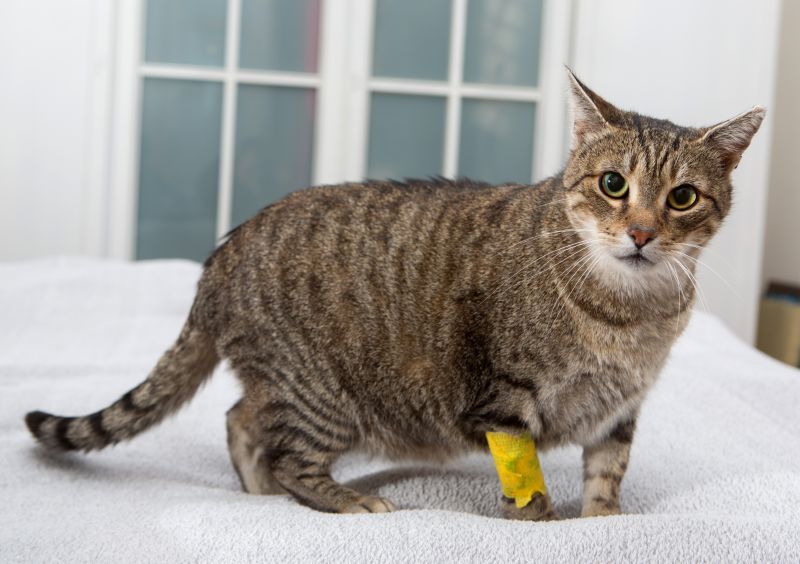
Cats are graceful, agile and famously good at pretending everything is fine. So when your cat suddenly starts limping, hesitates before jumping onto the couch, or stops using their favourite high-up sleeping spot, it can be worrying.
Sometimes the cause is obvious, such as a sore paw, a broken claw or a recent fall. Other times, the signs are much more subtle. A cat may not limp dramatically at all. Instead, they may avoid stairs, sleep in lower places, groom less, hide more, or simply seem “not quite themselves”.
Limping or reduced mobility usually means your cat is experiencing pain, weakness or discomfort. The important thing is to notice the change early, keep your cat comfortable and know when veterinary care is needed.
Do cats limp?
Yes, cats can limp. Limping, also called lameness, means your cat is not using one or more legs normally. They may favour one leg, hold a paw up, take shorter steps, walk stiffly, wobble, drag a foot, or avoid putting weight on a sore limb.
Unlike dogs, cats often show pain in more subtle ways. Many cats with sore joints or muscles may not become obviously lame. Instead, they change what they do.
You might notice your cat:
- No longer jumps onto the bed, couch or bench
- Uses a chair or lower surface as a “step” to reach a higher surface
- Hesitates before jumping up or down
- Sleeps in lower, easier-to-reach places
- Struggles with stairs
- Moves more slowly after resting
- Plays less
- Grooms less, especially around the back end, which can cause matted or unkempt-looking fur
- Reacts to being touched or picked up by hissing or scratching
- Has trouble getting in or out of the litter tray
These changes can be easy to dismiss as normal ageing, but they can be signs that your cat is sore.
Expert advice from Dr Felicia:
Cats tend to try and hide their illness, and since they don’t participate in routines such as a daily walk, pain or change in mobility can be harder to notice.
Do you know… cats are built for jumping, but landing is hard work
Cats have powerful back legs and a flexible spine, which helps them leap impressive heights. A healthy cat can often jump several times their own body length.
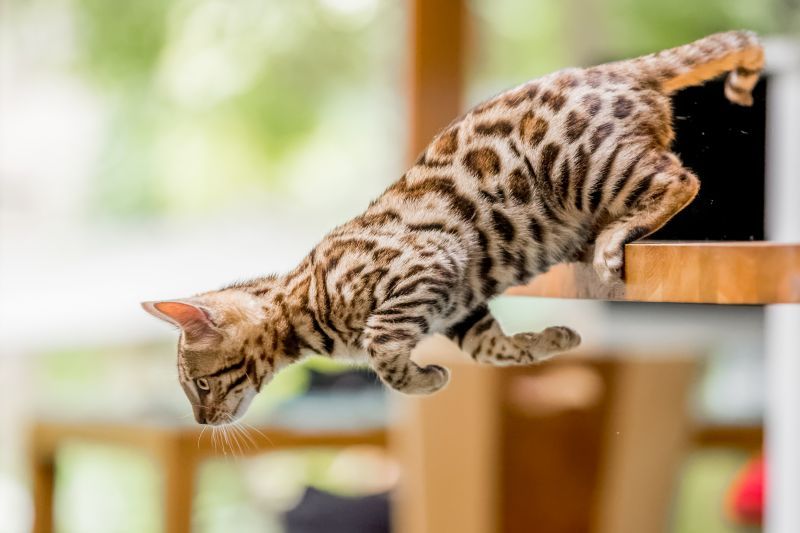
But jumping down can put a lot of force through the paws, wrists, elbows, shoulders, hips, knees and spine. That is why some cats with pain or arthritis may still jump up, but become hesitant about jumping down.
A cat that starts looking for “stairs” or avoids high places may be telling you that landing hurts.
Common reasons cats limp
There are many possible causes of limping in cats, from minor injuries to more serious medical problems.
Common causes include:
- A cut, graze or torn paw pad
- A broken, cracked or overgrown claw
- A thorn, grass seed, splinter or small object stuck in the paw
- A bite wound or cat fight abscess
- A sprain or soft tissue injury
- A fall or other trauma
- Arthritis or joint pain
- Hip dysplasia
- Knee problems such as a luxating patella or a ruptured cruciate ligament
- A fracture or dislocation
- Insect stings or bites
- Back, neck or spinal pain
- Nerve problems
- Infection, swelling or inflammation
Outdoor cats may be more likely to develop injuries from fights, falls, sharp objects, road accidents or encounters with other animals, which often go unwitnessed by their owners. Indoor cats can still limp too, especially from awkward landings, altercations with fellow cats in the home, joint disease, nail problems, obesity or age-related arthritis.
Expert advice from Dr Felicia:
When seeing cats with reduced mobility, important factors like age, interactions with other cats, duration of the lameness and whether they are still eating and drinking well will provide clues as to the likely cause.
The sneaky one: cat bite abscesses
One of the classic causes of limping in cats is an abscess after a cat fight. A bite wound can be tiny and hidden under the fur, but bacteria from the attacking cat’s teeth or claws may become trapped under the skin. A few days later, a painful swelling or abscess can form.
A cat with an abscess may limp, lick one area, hide, become grumpy, stop eating or seem tired. The swelling may feel warm, soft or painful, and it may eventually burst and leak pus.
Cat bite abscesses need veterinary treatment. Even if the wound looks small, infection can spread and make your cat quite unwell. Treatment usually involves lancing the abscess and antibiotics.
See our article Bite abscess in cats and dogs.

Why is my older cat not jumping anymore?
If an older cat stops jumping, moves stiffly or seems less active, arthritis is a common possibility. Arthritis is often under-recognised in cats because they rarely show pain in an obvious way, instead adjusting their activity to accommodate their discomfort.
Instead of crying or limping dramatically, an arthritic cat may:
- Avoid jumping
- Jump in stages rather than one clean leap
- Sleep more
- Become less playful
- Struggle to groom properly
- Develop a matted or greasy coat
- Have difficulty using the litter tray
- Become irritable when handled
- Spend more time alone
These signs should not be dismissed as “just old age”. Arthritis and joint pain can often be managed, and even small changes like weight management where appropriate and adapting the home environment can make a big difference.
See our article Arthritis in dogs and cats.
Expert advice from Dr Felicia:
There are lots of ways to help arthritic cats. There are special diets, supplements, ways that we can adapt the environment to minimise impacts on sore joints, medications and regular injections that can help keep our elderly cats comfortable.
Check the paw first
If your cat suddenly starts limping, check the paw gently if they will allow it.
Check the following areas:
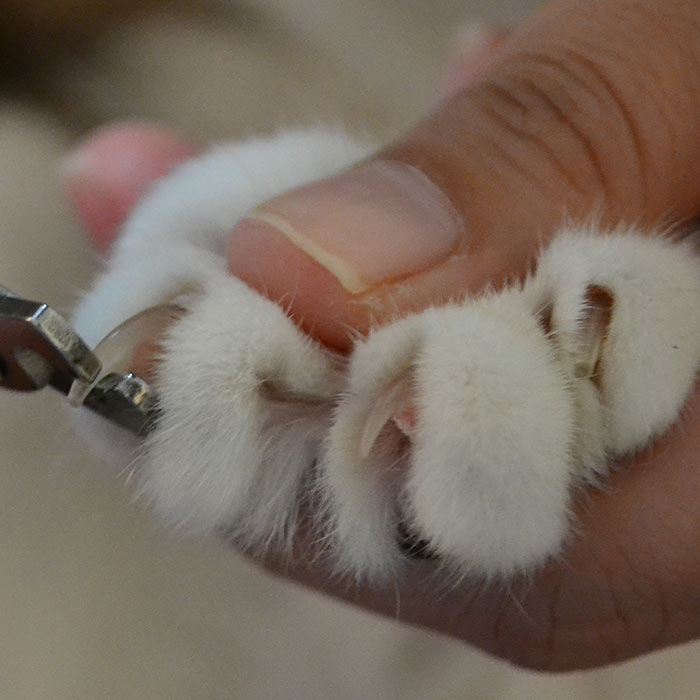
- The nail/claw itself – the tips of the claws can break or become scuffed which is suggestive of a traumatic injury. Overgrown claws can grow back into the paw pad in older cats who don’t sharpen their claws, causing infection and pain.
- Blood around the nail bed or swelling/infection where the nail meets the toes can be suggestive of a deep infection or even cancer
- The toes may be swollen or painful if broken or sprained
- The paw pad can be burnt from contact with a hot surface or injured by a laceration
Other things to look for:
- A cut, graze or puncture wound
- A thorn, grass seed or splinter
- Something sticky or sharp stuck to the foot
- Excessive licking of one paw can be suggestive of a localised issue
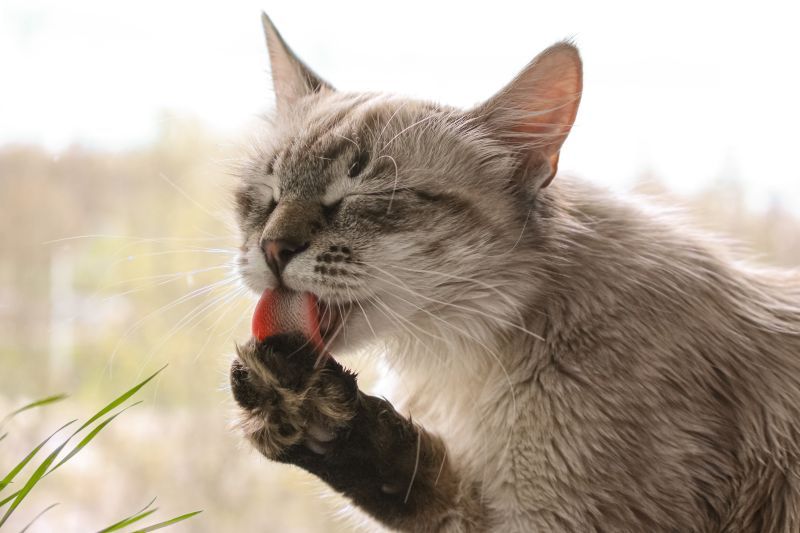
Be careful. A cat in pain may scratch or bite, even if they are usually gentle. If your cat resists handling, stop and contact your vet.
When should I see a vet?
Some limps need urgent veterinary attention, while others can be monitored briefly if your cat is otherwise well and only mildly affected.
Contact your vet promptly if:
- Your cat cannot put weight on the leg
- The limp is sudden, severe or worsening
- Your cat is crying, growling, hiding or clearly painful
- There is swelling, bleeding, heat or discharge
- The leg or paw looks abnormal
- Your cat may have fallen, been hit by a car or been in a fight
- Your cat has a wound, puncture mark or suspected abscess
- Your cat is not eating, seems lethargic or has a fever
- Your cat is dragging a leg or seems weak or wobbly
- Your cat has back or neck pain
- Your cat is a kitten
- The limp lasts more than 24 hours
- The limp keeps coming back
If your cat is struggling to walk, do not force them to move around. Keep them calm and confined in a safe, quiet space, and call your vet or emergency vet for advice.
Expert advice from Dr Felicia:
In Australia limping and wobbliness in cats (and dogs) can be a sign of tick paralysis, which can be fatal. Cats with wobbliness, limping and abnormal breathing or a change in meow should go to the vet immediately.
What can I do at home?
If your cat has a mild limp but is bright, eating, comfortable and able to walk, there are a few safe steps you can take while monitoring them.
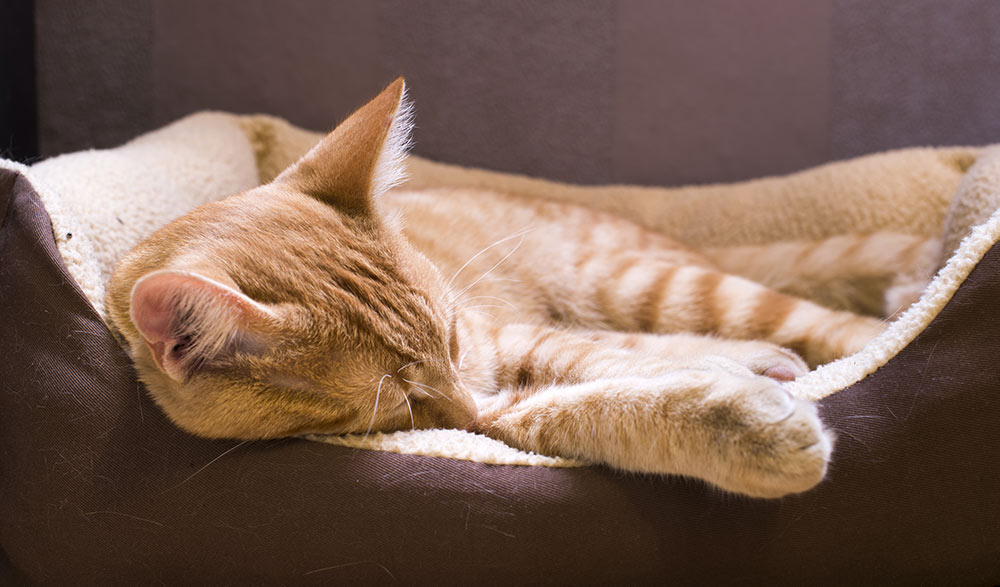
1. Keep your cat indoors and rested
Limit movement for a short period. Keep your cat indoors, away from stairs, high furniture and other pets that may encourage play or jumping.
A quiet room with food, water, bedding and a low-sided litter tray can help them rest safely.
2. Check for obvious paw problems
Look for a broken claw, small wound, swelling or something stuck in the paw. Only remove objects that are easy to see and can be safely removed. Do not dig into the skin or try to treat a deep wound at home.
3. Make life easier
If your cat is sore, small home changes can help:
- Use a low-sided litter tray
- Place food and water on the floor
- Add steps or ramps to favourite resting spots
- Use non-slip mats on slippery floors
- Provide soft bedding in easy-to-reach places
- Keep essentials close together
4. Watch for subtle pain signs
Cats may not cry when they are in pain. Look for changes in appetite, grooming, sleeping places, litter tray use, temperament and willingness to jump.
Taking a short video of your cat walking can also help your vet, especially if the limp comes and goes.

5. Do not give human pain medication
Never give your cat human painkillers such as paracetamol, ibuprofen or aspirin. Most human medications are extremely dangerous for cats.
If your cat needs pain relief, your vet can prescribe medication that is safe and appropriate.
Expert advice from Dr Felicia:
Human pain medications are not to be given to cats, as they lack the enzymes to metabolise them. Your vet will advise on suitable pain medication, usually in easy-to-give, liquid formulations in case your cat prefers to spit out their tablets.
What will the vet do?
Your vet will examine your cat’s legs, paws, joints, spine and overall health. They may check for wounds, swelling, pain, reduced movement, instability or signs of infection.
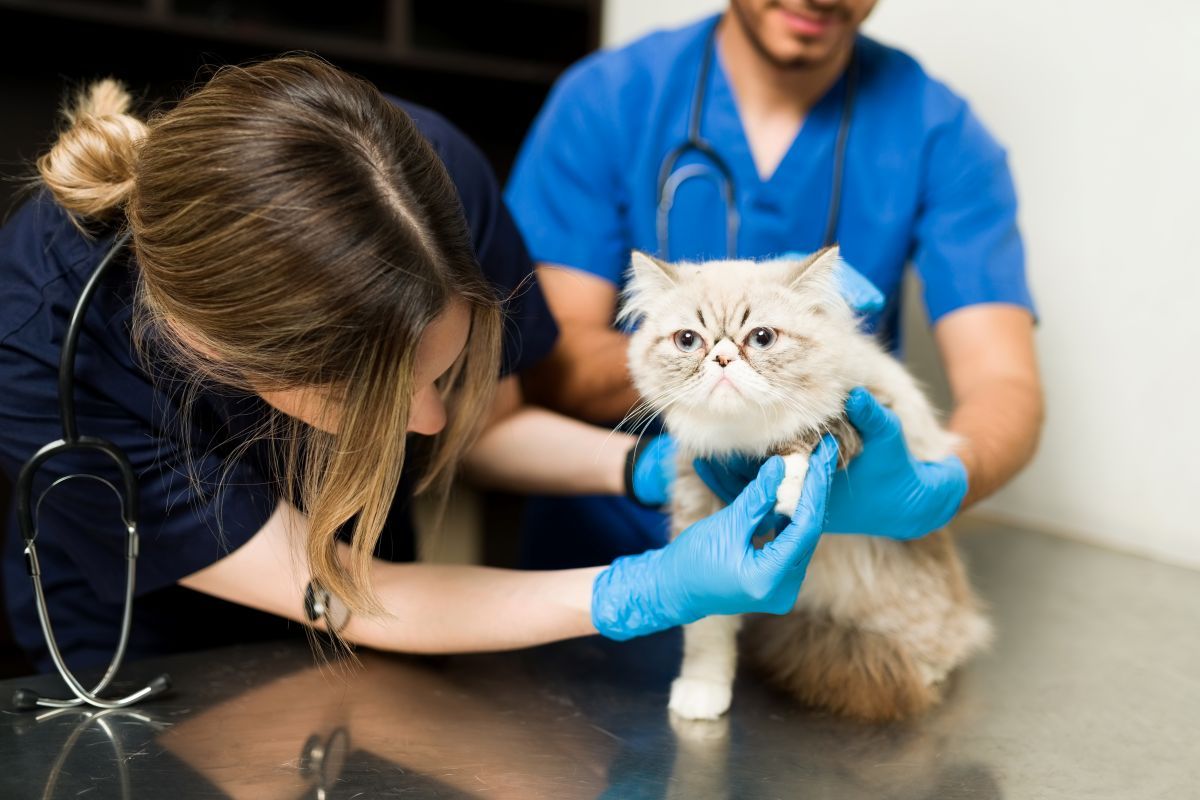
Depending on the suspected cause, your cat may need:
- Pain relief or anti-inflammatory medication
- Wound cleaning or abscess treatment
- Antibiotics if infection is present
- Nail or paw treatment
- X-rays or other imaging
- Blood tests
- Joint assessment
- Weight management advice
- Arthritis management
- Referral to a specialist
- Surgery in some cases, such as fractures or severe joint problems
Because cats can be hard to examine when they are painful or stressed, some may need sedation for a thorough check, wound treatment or imaging.
Expert advice from Dr Felicia:
A yearly check up with the vet when your cat is due for vaccinations is a good time to discuss any changes or concerns you may have about your cat’s mobility, which can be assessed during their physical examination.
How to help prevent limping and mobility problems
Not every limp can be prevented, but there are ways to reduce the risk.
- Keep your cat at a healthy weight
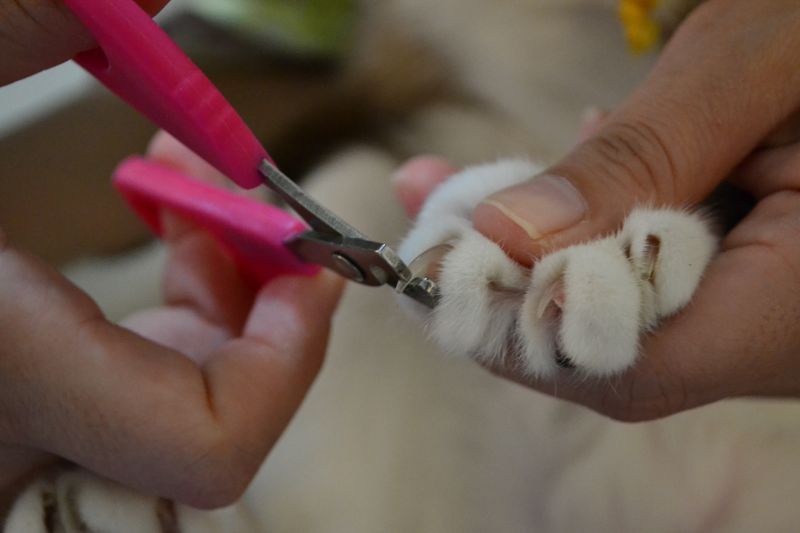
- Trim claws regularly and provide scratching posts for them to sharpen their claws
- Check paws and claws often
- Keep cats indoors or provide safe outdoor access
- Use ramps or steps for older cats
- Provide low-sided litter trays
- Avoid slippery surfaces where possible
- Encourage gentle play and movement
- Book regular vet checks, especially for senior cats
- Seek help early if your cat stops jumping or changes their routine
Final thought
A limping cat is telling you something hurts, but a cat that stops jumping, hides more, grooms less or changes their routine may be telling you the same thing.
Because cats are experts at hiding pain, small changes can be big clues. If your cat’s limp is severe, painful, persistent or keeps coming back, it is best to have them checked by a vet.
Bow Wow Meow Pet Insurance can help protect you and your cat should an unexpected trip to the vet occur.
-
Find out more about our cat insurance options
-
Get an online pet insurance quote
Bow Wow Meow is proud to have been awarded winner of Canstar’s ‘Most Satisfied Customers’ Award in the Pet Insurance category for both 2024 and 2025!
Bow Wow Meow is proud to be the only Pet Insurer that has been awarded Product Review’s Top Rated Pet Insurance every year from 2018 to 2026! This is based on 3,193 independent customer reviews (as at 09/04/2026), with an overall rating of 4.5 stars.

We also have the following ratings on other review platforms:
Google Review rating of 4.5 stars (based on 1,358 reviews)
Trust Pilot rating of 4.6 stars (based on 555 reviews)
Bow Wow Meow has been chosen as Winner of 4 categories in the 2026 Finder Pet Insurance Customer Satisfaction Awards!




– Most Trusted Pet Insurance
– Easiest to Claim Pet Insurance
– Most Recommended Pet Insurance
– Legendary Service Pet Insurance
We also received Highly Commended Awards for Loved Brand Pet Insurance and Best Value Pet Insurance.
Bow Wow Meow is an Australian-owned and operated pet insurance provider. Our focus is purely on pets, and we are proud to have helped provide peace of mind to over 200,000 Aussie pet owners since 2008.