Is the Miniature Pinscher a good family dog?


Miniature Pinscher
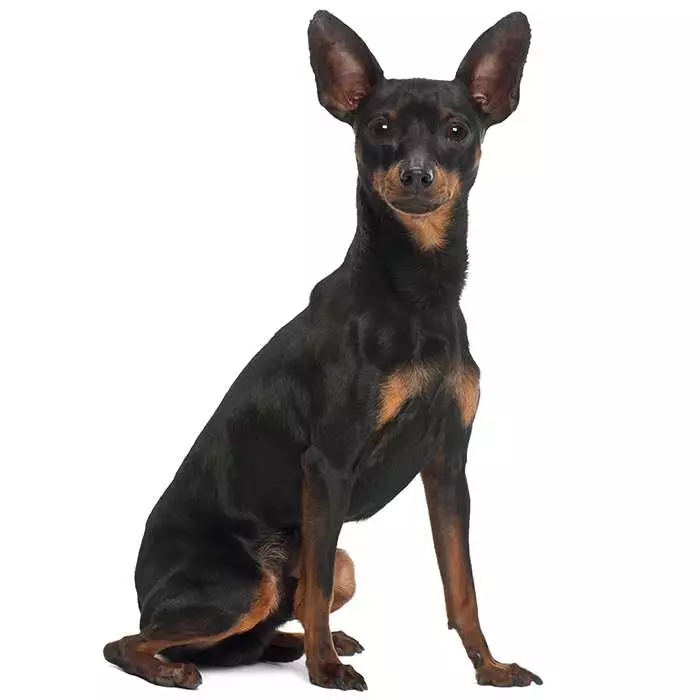
Miniature Pinschers are bold and energetic small dogs with a sleek coat, compact build and lively, confident expression. Originally developed in Germany as alert little ratters and watchdogs, they are known for their intelligence, courage and big-dog attitude. Generally affectionate and entertaining with their family, Miniature Pinschers can be independent, vocal and wary of strangers, so they benefit from early socialisation, consistent training and regular exercise.
| Recommended for | Owners in homes or apartments who want a bold, energetic small dog and can provide boundaries and training. |
| Breed Classification | Toy Group |
| Other names | Min Pin, Zwergpinscher |
| Lifespan | 12 to 16 years |
| Size | Small |
| Temperament | Fearless, lively, proud and alert |
| Intelligence | Generally intelligent; best results come from patient, positive and consistent training |
| Tendency to bark | Moderate to high; alert watchdog bark |
| Maintenance Level | Low grooming; weekly wipe or brush |
| Health Risk | Miniature Pinschers can be prone to several inherited or structure-related health concerns, so health testing, weight management and early veterinary advice are particularly important. |
Thinking of insuring a Miniature Pinscher?
Explore the Top 5 health issues claimed for Miniature Pinschers, including highest claims paid and how much pet insurance could help you save on eligible vet bills.
See Miniature Pinscher pet insurance Ready to get cover? Get a quick quote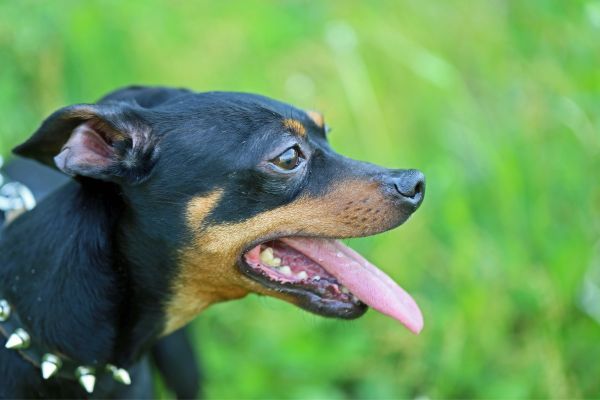
Miniature Pinscher personality and temperament
The Miniature Pinscher is bold, energetic and self-assured, often behaving as though it is much larger than it really is. It is alert, lively and full of confidence, with a strong watchdog instinct and a curious nature.
With its family, the Miniature Pinscher can be affectionate and entertaining, but it is also independent and sometimes stubborn. It needs clear boundaries, early socialisation and regular exercise to keep its busy mind and energetic body well managed.
Miniature Pinschers with kids and other pets
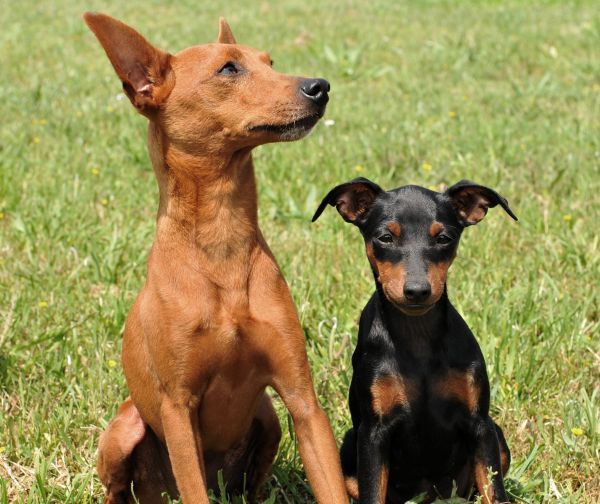
Miniature Pinschers can be fun and lively companions for families with older children who understand how to interact with a small but confident dog. They are energetic and bold, but may not tolerate rough handling from very young children.
With other pets, Miniature Pinschers can live with dogs and cats if socialised early, but they may be assertive and sometimes bossy. Their prey drive may lead them to chase small animals, so care is needed around pocket pets.
Miniature Pinscher training and exercise
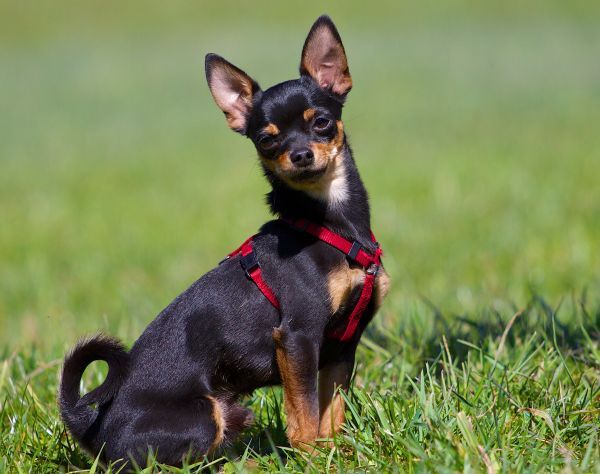
Miniature Pinschers need regular exercise despite their small size. Daily walks, indoor play, games and secure outdoor time help burn off their energy and keep them mentally stimulated. They are lively and curious, so they need safe environments where they cannot escape or chase after distractions.
Training should start early and focus on consistency, boundaries and confidence-building. Miniature Pinschers can be bold, independent and sometimes bossy, so positive reinforcement and clear rules are essential. Socialisation helps reduce nervousness, barking and overprotective behaviour.
| Energy level | High |
| Exercise requirements | Moderate to high - brisk walks, games and secure play |
Common health issues for Miniature Pinschers
What do Miniature Pinscher owners claim for the most?
- Patellar luxation: A developmental orthopaedic condition where the kneecap slips out of its normal groove, causing intermittent skipping, limping, pain or reduced mobility. It is more common in small breeds and severity ranges from mild to persistent lameness.
- Legg-Calve-Perthes disease: A developmental hip condition where poor blood supply causes the femoral head to weaken, collapse and become painful. It mainly affects young small or toy-breed dogs and may cause hind-leg limping, pain, muscle loss and reduced mobility.
- Eye disease: This includes problems such as cataracts, glaucoma, conjunctivitis, dry eye, corneal ulcers and inherited eye disorders. Signs may include redness, cloudiness, discharge, squinting, pawing at the eye, swelling or changes in vision.
- Heart disease: A broad term for conditions affecting the heart’s valves, muscle, rhythm or structure, which can reduce how well the heart pumps blood. Signs may include coughing, breathing difficulty, tiredness, exercise intolerance, weakness, fainting or a swollen abdomen.
- Epilepsy: A neurological condition that causes repeated seizures, which may include shaking, twitching, drooling, collapse or altered awareness. It may be idiopathic, often presumed genetic, or caused by another underlying health problem.
Not all conditions are covered by Pet Insurance. For details of Bow Wow Meow Pet Insurance cover, refer to the Product Disclosure Statement.
How to choose the right insurance for your Miniature Pinscher
When comparing cover for your Miniature Pinscher, look for:

Cover for common Miniature Pinscher conditions:
Check that the policy covers conditions Miniature Pinschers can be prone to, including common health issues.

Cover for hereditary conditions:
No exclusions for hereditary or congenital conditions⑅.

Flexible cover options:
Options to adjust your annual benefit limit, reimbursement rate and excess.
Bow Wow Meow's Nose-to-Tail Cover offers flexible options for your Miniature Pinscher, with cover for accidental injuries, illnesses and hereditary conditions⑅. Get a quick quote for cover that suits your Miniature Pinscher and your budget.
Miniature Pinscher feeding and nutrition
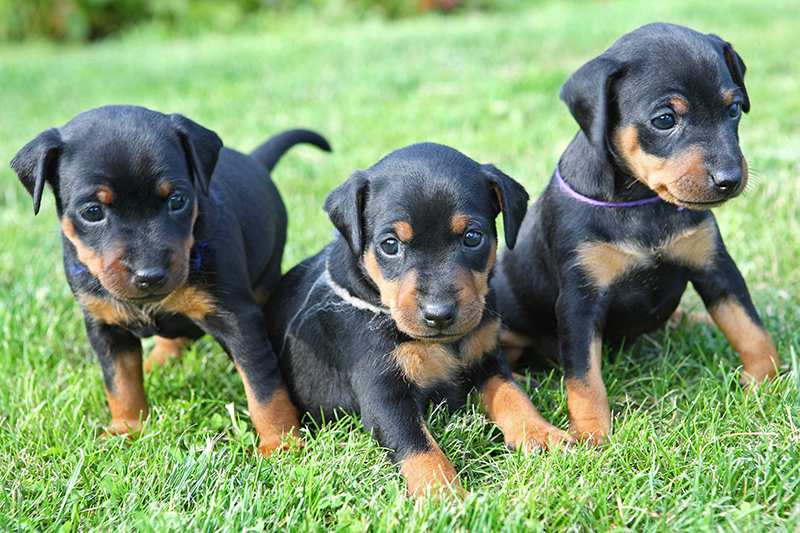
The Miniature Pinscher needs a nutrient-rich diet suited to its small size and high energy levels. Quality protein supports lean muscle, while healthy fats provide energy and help maintain a glossy coat.
Portion control is important because small dogs can gain weight quickly when overfed. Meals should be measured, and treats should be used sparingly. Because Miniature Pinschers are active and curious, owners should also prevent access to human foods or scraps that may upset their stomach or contribute to obesity.
Miniature Pinscher care and grooming
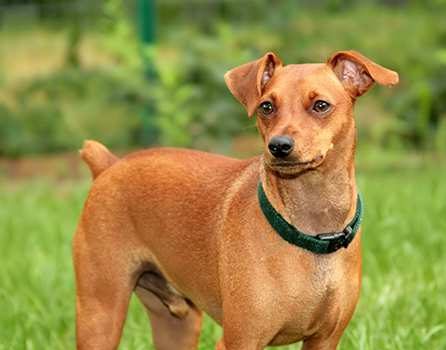
The Miniature Pinscher has a short, smooth coat that is very easy to maintain. Weekly brushing with a grooming mitt or soft brush helps remove loose hair and keeps the coat shiny. The breed does not require trimming and generally stays neat with basic grooming.
Bathing should be occasional and only when needed, as frequent bathing may dry the skin. Because Miniature Pinschers are small and active, regular nail trimming is important to keep their feet comfortable. Dental care and routine ear checks should also be part of their regular care.
Size, appearance and coat of Miniature Pinschers
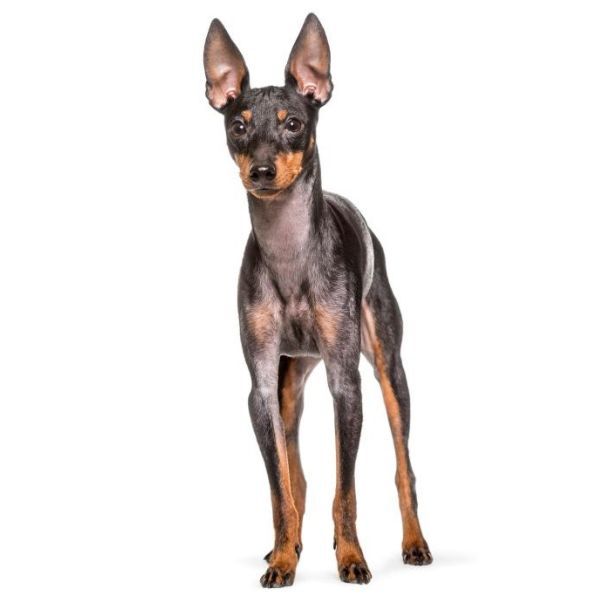
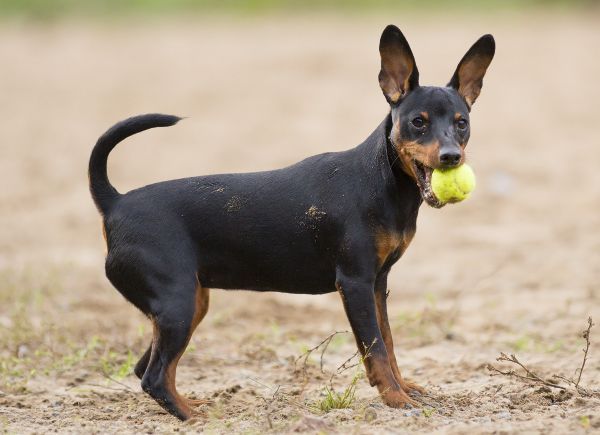
The Miniature Pinscher is a small, sleek and compact dog with a proud carriage and a lively, high-stepping gait. It has a wedge-shaped head, dark oval eyes, alert ears and a refined but sturdy body that gives it a bold, elegant look.
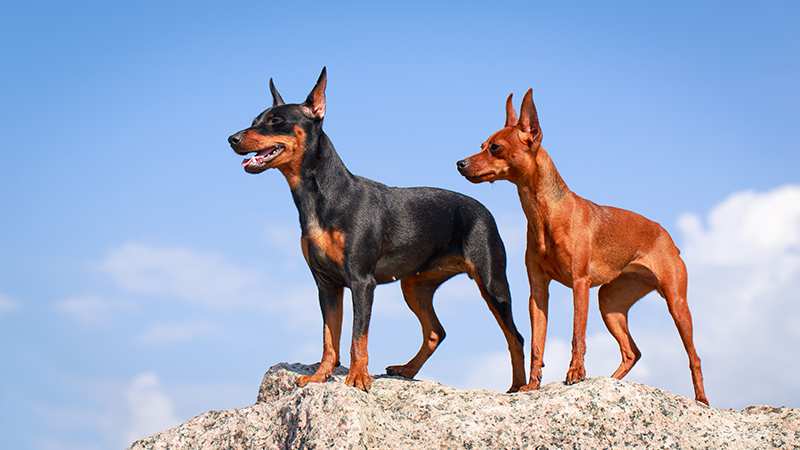
Its coat is short, smooth and glossy, sitting close to the skin and highlighting the breed’s clean lines. Common colours include red, stag red, black and rust, and chocolate and rust.
| Weight range | 4 to 5 kg |
| Height range | 25 to 32 cm |
| Colours | Red, stag red, black and rust, chocolate and rust |
| Coat length | Short, smooth, sleek coat |
Breed history of Miniature Pinschers
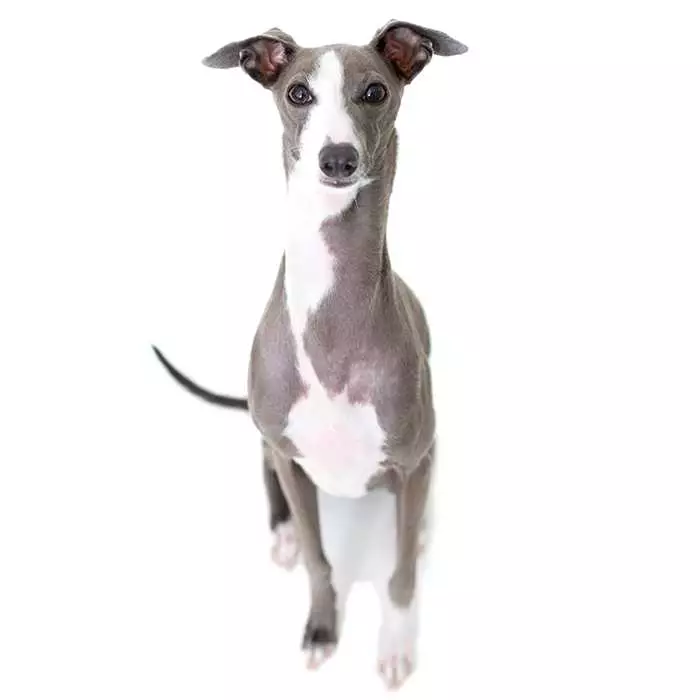
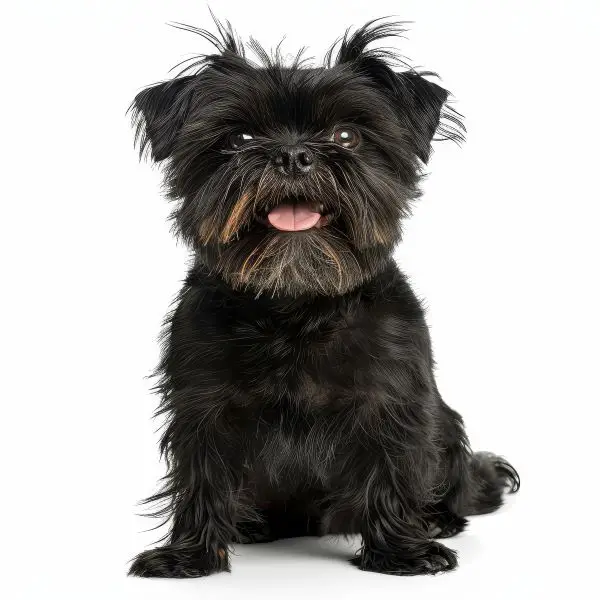
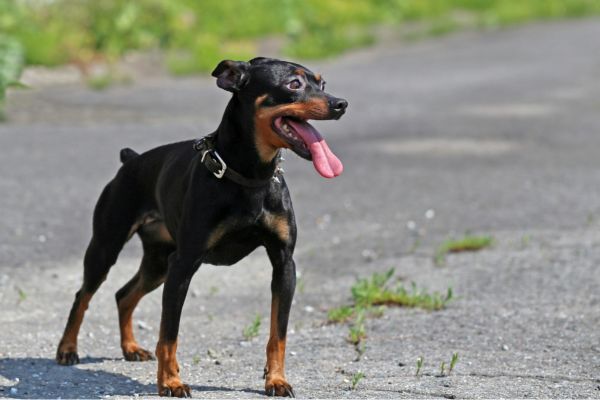
The Miniature Pinscher developed in Germany as a small, active vermin hunter used around homes, barns and stables. Despite its resemblance to the Dobermann, it is not a miniature Dobermann; it is an older and separate breed with ancestry linked to German Pinschers,
Dachshunds and Italian Greyhound-type dogs.The breed’s proud carriage, compact body and high-stepping movement helped it stand out beyond its ratting role. Its nickname, the “King of Toys,” reflects the way fanciers came to value its commanding personality and polished outline in a very small dog.
Explore related breeds
Miniature Pinscher facts!
- They are nicknamed the “King of Toys” because despite their small size, Miniature Pinschers are bold, confident and full of attitude.
- They are not miniature Dobermanns; although they look similar, the Miniature Pinscher is an older and separate breed.
- They have a distinctive high-stepping gait. Their movement is often described as hackney-like, similar to a small showy horse.
- They are expert escape artists., so secure fencing and supervision are important.
Summary
The Miniature Pinscher is a small, sleek and energetic breed with a compact body, glossy coat and proud, high-stepping movement. Bold, alert and self-assured, it often behaves like a much larger dog and can be lively, curious and vocal.
Miniature Pinschers need daily activity, secure containment, firm but positive training and portion control, as their small size makes weight gain easy if overfed.
FAQs about the Miniature Pinscher
It can be, provided the household matches the breed’s exercise, training, grooming and supervision needs.
Moderate to High – brisk walks, games and secure play.
Shedding depends on coat type, season and grooming routine. The breed has a short, smooth, sleek coat.
No. While some individuals may shed less than others, no dog breed is truly allergy-free.
Most respond well to positive, consistent training, but owners should work with the breed’s instincts rather than against them.
MORE INFORMATION
Miniature Pinscher Club of America: http://www.minpin.org/
Miniature Pinscher Club of Victoria Inc: http://www.minpinvicoz.com/

Get 2 months free for your puppy!
Congrats on your new bundle of joy
To ensure your precious fur baby is covered from the start, we'd like to offer your first 2 months of our Nose-to-Tail Cover for free2!
Get a quick quote