Is the Beagle a good family dog?


Beagle
Beagles are cheerful, sociable small-to-medium scent hounds known for their friendly nature, curiosity and exceptional sense of smell. Originally bred to hunt in packs, they generally enjoy the company of both people and other dogs and can make affectionate family companions.
| Recommended for | Families with kids of all ages |
| Breed Classification | Hounds |
| Other names | - |
| Lifespan | 10-15 years |
| Size | Small to Medium |
| Temperament | Gentle, reliable, loyal |
| Intelligence | High: clever and resourceful, but can be independent and easily distracted |
| Tendency to bark | High: naturally vocal and may bark, howl or bay when alert, excited, bored or following a scent |
| Maintenance Level | Medium: coat care is simple, but they require regular exercise, training, companionship and ongoing ear care |
| Health Risk | Beagles are generally a healthy breed, but can be prone to ear infections, allergies, obesity, epilepsy, hypothyroidism, hip dysplasia, back problems and inherited eye conditions. |
Thinking of insuring a Beagle?
Explore the Top 5 health issues claimed for Beagles, including highest claims paid and how much pet insurance could help you save on eligible vet bills.
See Beagle pet insurance Ready to get cover? Get a quick quote
Beagle personality and temperament
Beagles are typically cheerful, affectionate and sociable dogs that enjoy being part of family life. Bred to work in packs, they often thrive on companionship and can form strong bonds with both people and other dogs. Some Beagles may become distressed or develop unwanted behaviours if routinely left alone for long periods.
They are curious and highly scent-driven, and an interesting smell can quickly become more important than whatever their owner is asking them to do. Beagles are generally friendly and easy-going, although temperament varies between individual dogs and early socialisation remains important.
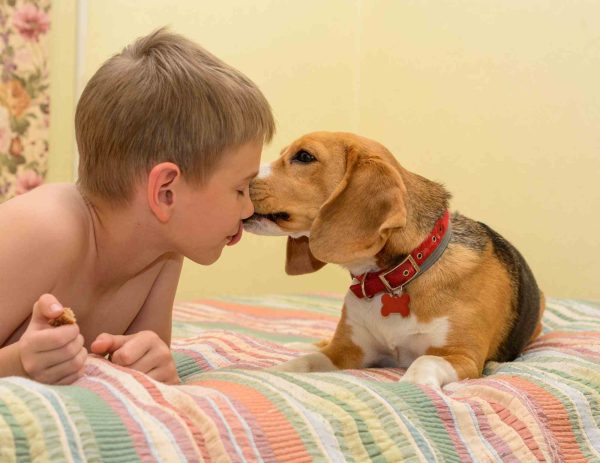
Beagles with kids and other pets
Well-socialised Beagles can make affectionate family dogs and generally enjoy the company of children and other dogs. Their playful, sturdy nature can suit active families, although interactions between dogs and young children should always be supervised.
Because Beagles were developed to hunt small game, some individuals retain a strong prey drive. They may live successfully with cats and other pets, particularly when raised together, but introductions should be gradual and smaller animals should be carefully supervised.

Beagle training and exercise
Beagles are active scent hounds that generally need at least around an hour of exercise each day, although requirements vary with age, health and individual energy level. Daily walks, play, hiking and scent-based activities can all help meet their physical and mental needs. Allowing time to sniff on walks is particularly valuable enrichment for this breed.
Their powerful sense of smell can make Beagles easily distracted, so patient, consistent, positive reinforcement-based training works best. Food rewards are often particularly motivating. Recall training is important, but because a Beagle may follow an interesting scent without noticing how far it has travelled, off-leash exercise is safest in securely fenced areas.
Scent work, tracking games, food puzzles and hiding toys or treats are particularly good ways to challenge a Beagle mentally and give them an appropriate outlet for their natural abilities.
| Energy level | High: active, curious scent hounds with good stamina and a strong drive to explore |
| Exercise requirements | High: need around an hour or more of daily exercise plus sniffing, play and mental enrichment |
Common health issues for Beagles
What do Beagle owners claim for the most?
Beagles are generally considered a relatively healthy breed, but they can be predisposed to several health conditions. Their long, floppy ears, strong appetite and some inherited breed risks mean regular veterinary care, weight management and appropriate health screening are important.
- Ear infections are relatively common because the Beagle’s hanging ears can reduce airflow through the ear canal, creating a warm, moist environment where yeast and bacteria can grow. Signs can include scratching, head shaking, odour, redness or discharge.
- Allergies can cause persistent itching, licking, red or irritated skin and recurrent ear infections. Beagles may develop environmental or food-related allergies, and treatment depends on the underlying trigger.
- Epilepsy is a neurological disorder that causes recurrent seizures and occurs more frequently in Beagles than in some other breeds. Depending on the severity and frequency of seizures, affected dogs may require ongoing medication.
- Hypothyroidism occurs when the thyroid gland does not produce enough thyroid hormone. Signs can include weight gain, lethargy and changes to the skin and coat, and the condition is usually managed with ongoing medication.
- Hip dysplasia is abnormal development of the hip joint and can eventually cause pain, lameness and arthritis. Hip screening is recommended for breeding Beagles by the National Beagle Club.
- Back and intervertebral disc problems can occur in Beagles and may cause back or neck pain, weakness, reluctance to move and, in severe cases, neurological problems.
- Eye conditions, including cherry eye and certain inherited eye diseases, can also affect the breed. Responsible breeding programs may include specialist eye examinations.
Not all conditions are covered by Pet Insurance. For details of Bow Wow Meow Pet Insurance cover, refer to the Product Disclosure Statement.
How to choose the right insurance for your Beagle
When comparing cover for your Beagle, look for:

Cover for common Beagle conditions:
Check that the policy covers conditions Beagles can be prone to, including common health issues.

Cover for hereditary conditions:
No exclusions for hereditary or congenital conditions⑅.

Flexible cover options:
Options to adjust your annual benefit limit, reimbursement rate and excess.
Bow Wow Meow's Nose-to-Tail Cover offers flexible options for your Beagle, with cover for accidental injuries, illnesses and hereditary conditions⑅. Get a quick quote for cover that suits your Beagle and your budget.
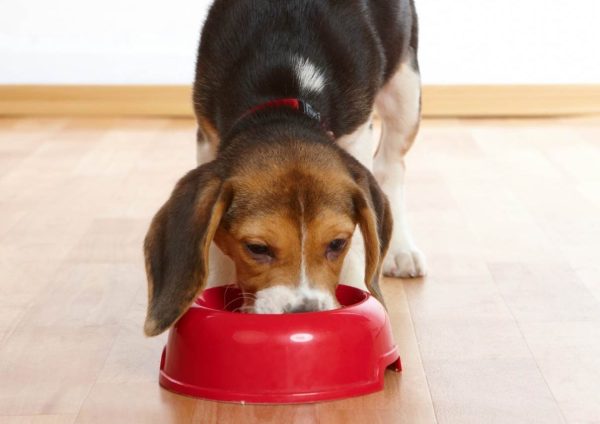
Beagle feeding and nutrition
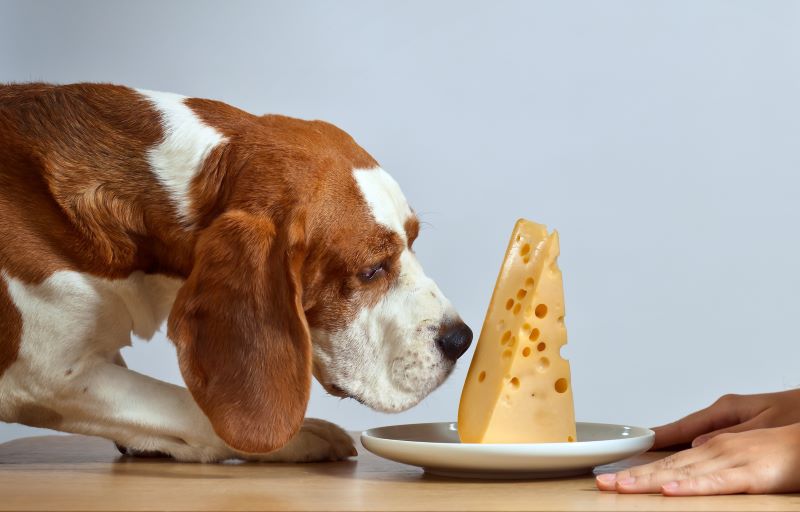
Beagles should be fed a complete and balanced diet appropriate for their age, health and activity level. They are particularly food-motivated and can be prone to overeating and obesity, so meals should be measured rather than left available throughout the day.
Monitor your Beagle’s body condition and account for training treats when calculating their daily food intake. Some Beagles also eat very quickly or scavenge food and non-food items, so food, rubbish and potentially harmful objects should be kept securely out of reach.
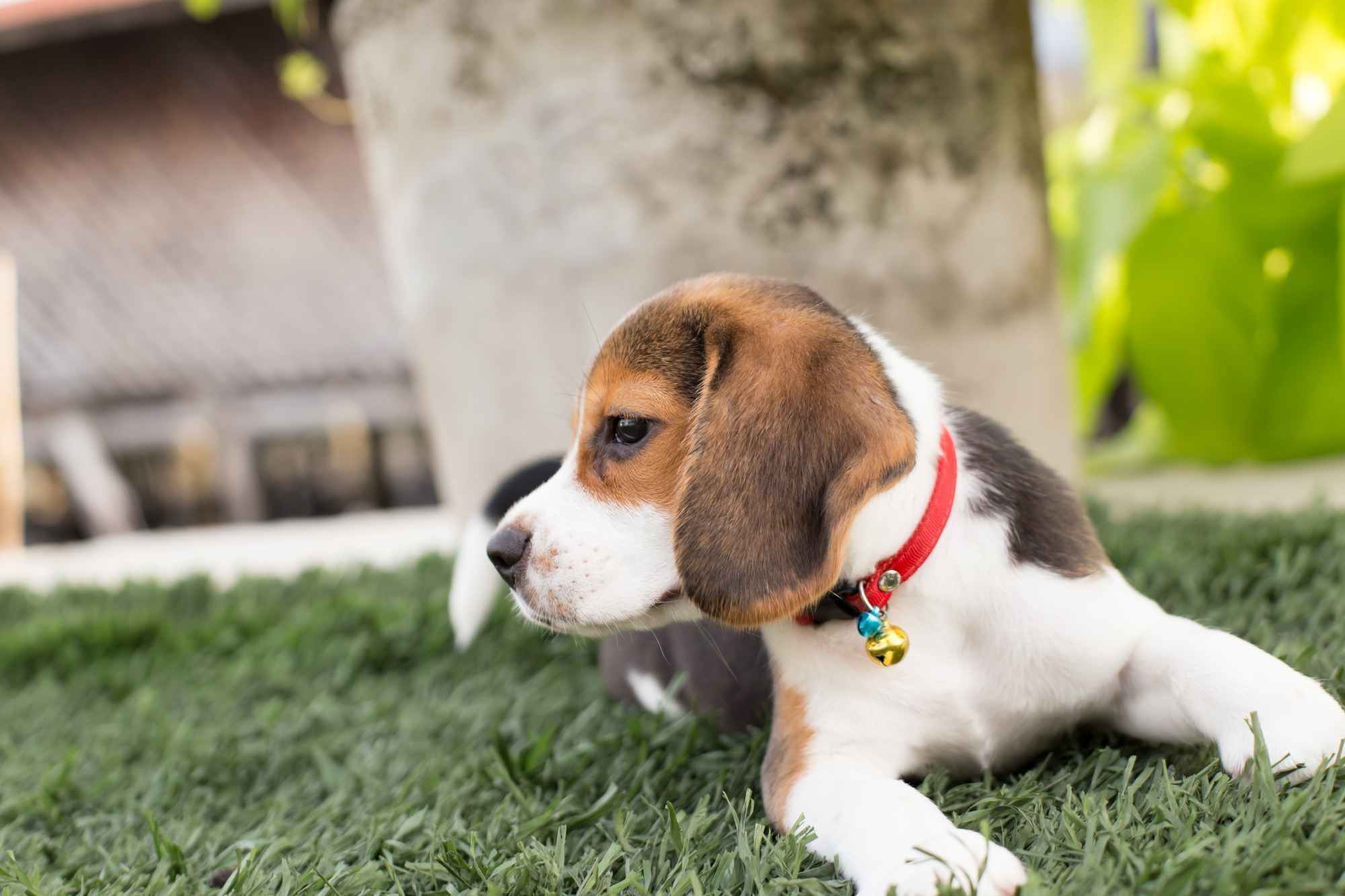
Beagle care and grooming
Beagles have a short, dense, weather-resistant double coat and are moderate shedders throughout the year, with heavier shedding during seasonal coat changes. Weekly brushing generally helps remove loose hair and keep the coat in good condition.
Their long, floppy ears require particular attention because reduced airflow can contribute to ear infections. Check the ears regularly for redness, odour, discharge or excessive wax and clean them using a vet-recommended product when appropriate. Beagles otherwise generally require only occasional bathing, along with routine nail and dental care.
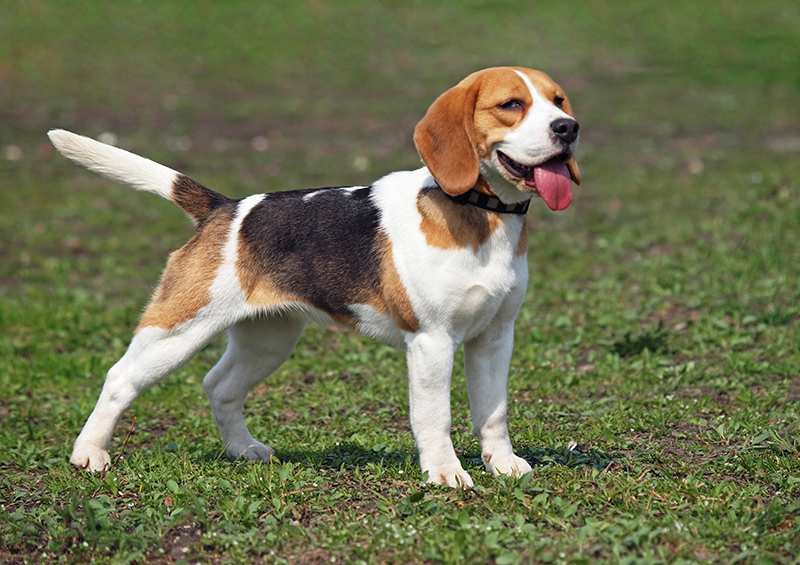
Size, appearance and coat of Beagles
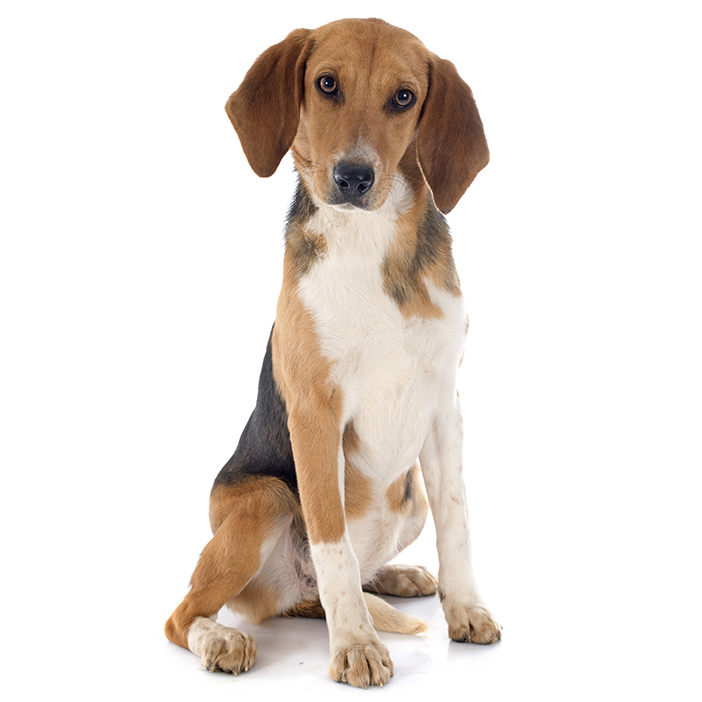
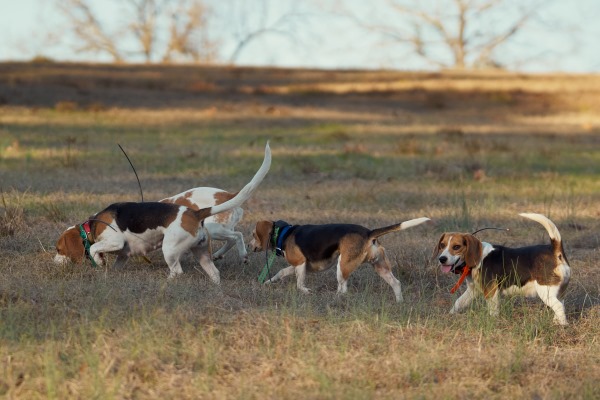
Beagles are sturdy, compact scent hounds with a strong build that reflects the stamina required for following a trail over long distances. They have long, low-set ears, dark brown or hazel eyes and a strong tail carried upright when active.
Their short, dense double coat occurs in a wide range of recognised hound colours and combinations. Under the Dogs Australia breed standard, the tip of the tail is white, a feature that traditionally helped hunters see the dog while it worked through vegetation.
| Weight range | Approximately 8–14 kg |
| Height range | 33–40 cm |
| Colours | Many colours including black, tan, white, blue, brown, lemon, red, in all combinations |
| Coat length | Short: a smooth, dense double coat that sheds moderately year-round |
Breed history of Beagles
The Beagle has a long history as a British scent hound, although its precise early origins are uncertain. Small hounds used to pursue hare and rabbit on foot were known in Britain for centuries, and dogs described as Beagles were established well before the modern breed took shape.
During the 19th century, British breeders developed more consistent packs of Beagles for hunting hare by scent. Because they could be followed on foot rather than horseback, Beagles became known as “foothounds” and were accessible to hunters who did not keep horses. Their persistence, stamina and strong scenting ability became defining characteristics of the breed.
Well-bred English Beagles were imported into the United States during the latter half of the 19th century and helped establish the modern American breed type. Today, Beagles are primarily companion dogs but their exceptional scenting ability also makes them well suited to detection and scent-work roles.
Explore related breeds
Beagle facts!
- A Beagle’s white-tipped tail traditionally acted like a little flag, helping hunters keep sight of the dog while its nose was down following a scent through long grass.
- Beagles were bred to follow ground scents for long periods, and nose work remains one of the best ways to provide them with mental enrichment.
- The ship that Charles Darwin travelled on whilst compiling most of the specimens used for his book The Origin of Species was called HMS Beagle, named after the breed.
- Queen Elizabeth I and King James I both adored Beagles. Since then the breed has become synonymous with the idea of the ‘royal dog’, although Queen Elizabeth II is more of a Corgi lover.
- Snoopy from Peanuts is perhaps the world’s most famous Beagle.
- Beagles have three characteristic types of vocalisation: a normal bark, a howl and the distinctive yodel-like “bay” traditionally used while hunting.
Summary
The Beagle is a gentle, even-tempered small-to-medium scent hound with a cheerful and sociable personality. Beagles generally love children, enjoy company and make popular family pets.
These curious dogs need plenty of human contact and can be easily distracted by interesting scents. They may howl or become distressed when left alone for long periods, so they suit households that can provide regular companionship, activity and engagement.
FAQs about the Beagle
They are generally affectionate companions and can suit families, couples or singles when their individual exercise, training and grooming needs are met.
Moderate to high. Daily walks, play and mental enrichment are important, with regular opportunities for more active exercise.
They are intelligent but can be independent or strong-willed, so patient, consistent reward-based training and early socialisation are important.
They can be quite vocal, particularly when alerting, excited, bored or under-stimulated, so early training can help manage unnecessary barking.
Yes. They generally shed a low to moderate or moderate amount and benefit from routine brushing.
They can adapt to apartment living in the right circumstances, but owners need to meet their daily exercise, enrichment and behavioural needs consistently.
They are often sociable with children and other dogs, although their hunting instincts mean smaller pets should be introduced and supervised carefully.
Potential health concerns include obesity, ear infections, epilepsy, eye disease and some joint disorders.
Beagles are naturally vocal scent hounds. In addition to barking and howling, they can make a distinctive drawn-out sound called a bay, which was traditionally used to communicate with hunters and other dogs while following a scent. Some Beagles may also howl or bay when excited, bored, responding to sounds or left alone.
MORE INFORMATION
Oz Beagles: http://www.ozbeagles.org/
Beagle Club of QLD: http://www.beagleclubqld.org/
Beagle Club VIC: http://beagleclubvictoria.com/
Beagle Club of SA: http://www.beagleclubofsa.com.au/
Beagle Freedom Australia: http://beaglefreedomaustralia.org/
Beagle Rescue NSW: http://www.beaglerescuensw.org.au/
Beagle Rescue QLD: https://www.beaglerescueqld.com.au/
Beagle Rescue VIC: http://www.beaglerescuevic.org/

Get 2 months free for your puppy!
Congrats on your new bundle of joy
To ensure your precious fur baby is covered from the start, we'd like to offer your first 2 months of our Nose-to-Tail Cover for free2!
Get a quick quote