

Is the Dalmatian a good family dog?


Dalmatian
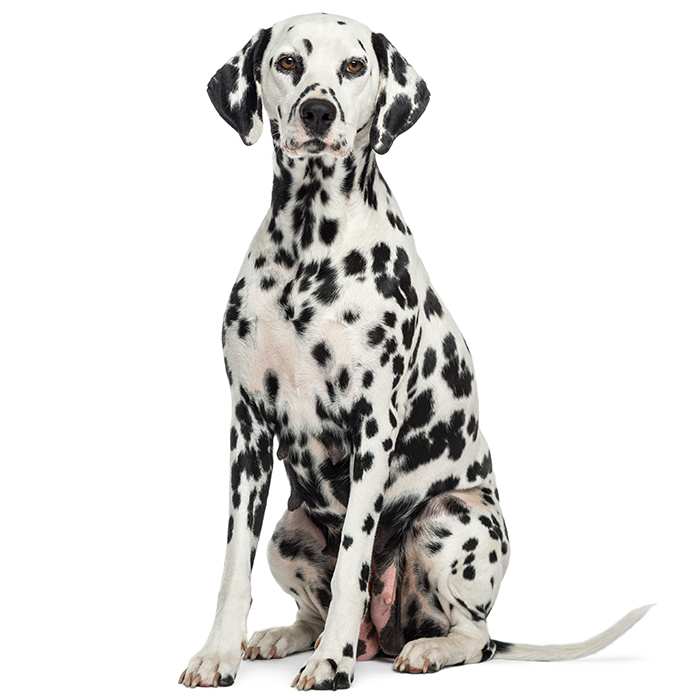
Dalmatians are medium-sized, athletic dogs famous for their distinctive spotted coats and remarkable stamina. Historically developed as carriage dogs, they are intelligent, energetic and people-oriented companions that thrive in active households.
| Recommended for | Active families, singles and couples able to provide plenty of exercise and companionship |
| Breed Classification | Non-Sporting |
| Other names | Firehouse Dog, Carriage Dog, Spotted Coach Dog |
| Lifespan | 10-13 years |
| Size | Medium |
| Temperament | Playful, friendly, loyal, eager to please |
| Intelligence | High: they are quick learners but can be independent, requiring consistent and positive training |
| Tendency to bark | Moderate: they may bark to alert their owners or when excited |
| Maintenance Level | Moderate: easy coat care but considerable shedding and high exercise needs |
| Health Risk | Dalmatians can be predisposed to several inherited and breed-related conditions including inherited deafness and urate urinary disease, along with joint and skin conditions. |
Thinking of insuring a Dalmatian?
Explore the Top 5 health issues claimed for Dalmatians, including highest claims paid and how much pet insurance could help you save on eligible vet bills.
See Dalmatian pet insurance Ready to get cover? Get a quick quote
Dalmatian personality and temperament
Dalmatians are lively, intelligent and affectionate dogs that tend to form strong bonds with their families. Their history as carriage dogs gave them considerable stamina, and many still enjoy being closely involved in outdoor activities, training and everyday family life.
They are alert, playful and sometimes exuberant, particularly when young. Early positive socialisation and plenty of physical and mental stimulation can help them develop into confident, well-adjusted companions. Dalmatians generally do best when included in family life rather than spending long periods isolated in a yard or kennel.
Dalmatians with kids and other pets
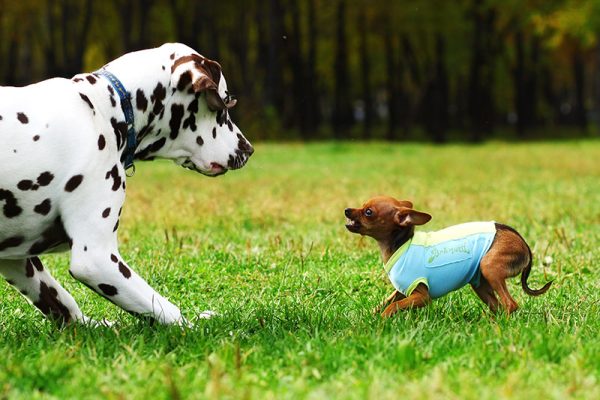
Well-socialised Dalmatians can make affectionate family companions and often enjoy playing with children. However, their size, strength and exuberant nature mean young dogs can accidentally knock over small children, so interactions should always be supervised and children taught how to interact calmly and respectfully with dogs.
Dalmatians can also live successfully with other dogs and cats when appropriately introduced and socialised. Individual temperament and prey drive vary, so smaller pets should be introduced carefully and supervised where appropriate.
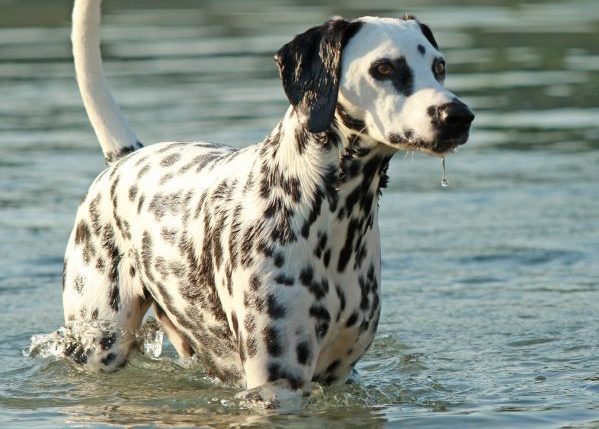
Dalmatian training and exercise
Dalmatians are energetic, athletic dogs that need substantial daily exercise and mental stimulation. Healthy adults generally benefit from around one to two hours of activity each day, although individual needs vary and particularly active dogs may enjoy more. Brisk walks, running, hiking, scent work, retrieving and dog sports such as agility can all provide useful outlets for their energy and stamina.
They are intelligent and quick learners but can become bored by repetitive training. Short, varied sessions using positive reinforcement generally work best. Early socialisation and training are particularly important, with attention to recall, lead manners and calm behaviour around unfamiliar people and dogs.
| Energy level | High: athletic, energetic dogs with considerable stamina |
| Exercise requirements | High: around 1–2 hours daily plus play and mental enrichment |
Common health issues for Dalmatians
What do Dalmatian owners claim for the most?
Dalmatians can be predisposed to several inherited and breed-related conditions, with congenital deafness and urate urinary stones being particularly important. Responsible breeding programs commonly include hearing testing and assessment for joint and other inherited conditions.
- Congenital deafness: Dalmatians have a comparatively high risk of inherited hearing loss, which may affect one or both ears. A large UK study found about 18% of tested Dalmatians had some degree of congenital deafness, while other studies have reported higher rates. BAER testing can objectively assess hearing in each ear and is recommended for Dalmatian puppies.
- Hyperuricosuria and urate urinary Stones: Dalmatians have a genetic predisposition to excreting unusually high levels of uric acid in their urine, increasing the risk of urate crystals and stones in susceptible dogs. Signs can include frequent or painful urination, blood in the urine or difficulty passing urine; urinary obstruction is an emergency. Good hydration is important, and dogs that form urate stones may require a specialised lower-purine diet and other treatment under veterinary supervision.
- Hip dysplasia and elbow dysplasia: Abnormal development of these joints can lead to pain, lameness and arthritis. Hip and elbow screening are included in current Dalmatian breed-health recommendations in some breeding programs.
- Skin allergies and other skin conditions: Dalmatians can develop allergic skin disease, irritation and recurrent skin infections, causing itching, redness or hair loss. Persistent skin problems should be assessed by a veterinarian to identify the underlying cause. Skin conditions are also among the issues highlighted on BWM’s Dalmatian insurance page.
- Eye disorders: Eye problems can occur in the breed, although progressive retinal atrophy is not one of the defining Dalmatian health conditions. Redness, cloudiness, pain or changes in vision should be assessed promptly by a veterinarian.
Not all conditions are covered by Pet Insurance. For details of Bow Wow Meow Pet Insurance cover, refer to the Product Disclosure Statement.
How to choose the right insurance for your Dalmatian
When comparing cover for your Dalmatian, look for:

Cover for common Dalmatian conditions:
Check that the policy covers conditions Dalmatians can be prone to, including common health issues.

Cover for hereditary conditions:
No exclusions for hereditary or congenital conditions⑅.

Flexible cover options:
Options to adjust your annual benefit limit, reimbursement rate and excess.
Bow Wow Meow's Nose-to-Tail Cover offers flexible options for your Dalmatian, with cover for accidental injuries, illnesses and hereditary conditions⑅. Get a quick quote for cover that suits your Dalmatian and your budget.
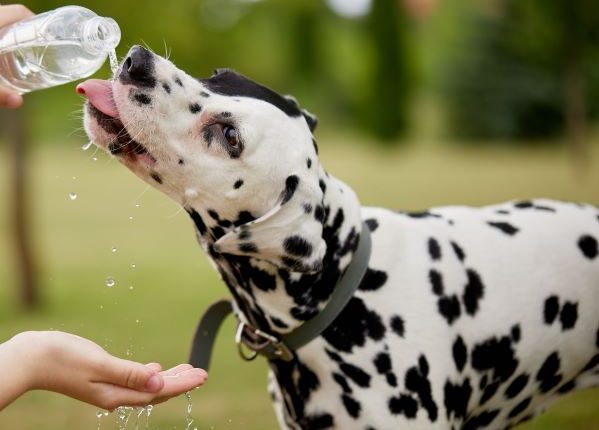
Dalmatian feeding and nutrition
Dalmatians should be fed a complete and balanced diet appropriate for their age, body condition, activity level and health. Because the breed is predisposed to elevated urinary uric acid and urate stones, good hydration is particularly important, so fresh water should always be readily available.
Not every Dalmatian requires a specialised low-purine diet, but dogs that have developed urate crystals or stones may benefit from dietary modification or a prescription diet under veterinary guidance. Portions should also be adjusted to maintain a lean, healthy body condition. Speak to your vet about the most appropriate diet if your Dalmatian has a history of urinary problems.
Dalmatian care and grooming
Dalmatians have short, dense coats that are relatively easy to groom but shed considerably throughout the year. Brushing once or twice a week with a grooming mitt or suitable brush can help remove loose hair and keep the coat in good condition, with more frequent brushing useful during heavier shedding periods.
Bathing is generally only needed when dirty. Their ears should be checked regularly for redness, odour, discharge or irritation, alongside routine nail and dental care.
Size, appearance and coat of Dalmatians
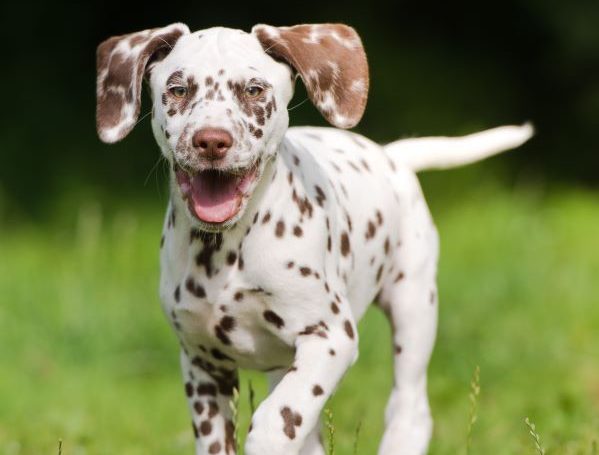
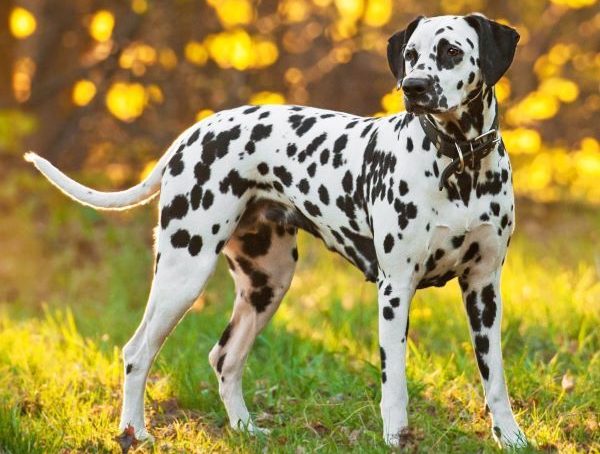
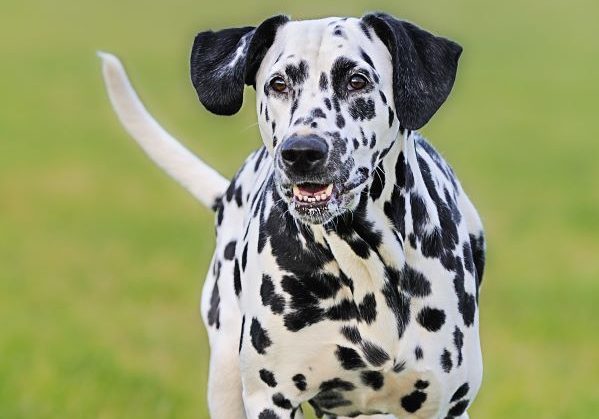
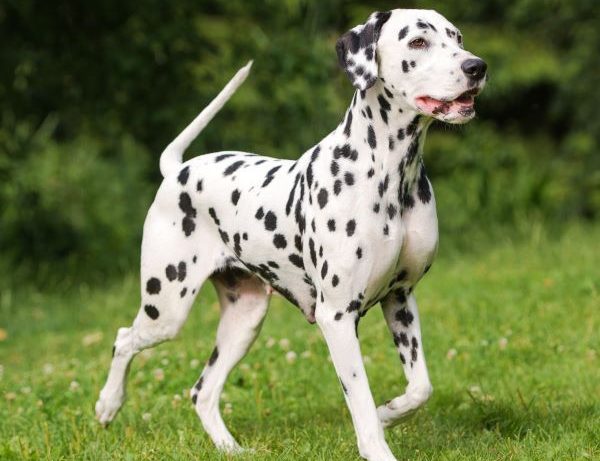
The Dalmatian is a balanced, strong and athletic medium-sized dog built for endurance. It has a short, hard, dense and glossy coat over a pure white background, marked with clearly defined black or liver-brown spots. Black-spotted dogs should have black noses and dark eyes, while liver-spotted dogs have brown noses and amber eyes.
Dalmatian puppies are generally born white, with their characteristic spots becoming increasingly visible during the first weeks of life. Larger solid patches may be present from birth but are not accepted under the Dogs Australia breed standard.
| Weight range | Approximately 23–32 kg |
| Height range | Males: 58–61 cm Females: 56–58 cm |
| Colours | White coat adorned with distinct black or liver-coloured spots |
| Coat length | Short |
Breed history of Dalmatians
The precise origins of the Dalmatian are uncertain. Spotted dogs resembling the breed have appeared in European art and written records for centuries, and although the breed takes its name from Dalmatia on the Adriatic coast, there is limited evidence that the modern breed actually originated there.
By the late 18th and early 19th centuries, Dalmatians had become closely associated with horse-drawn carriages in Britain. Their stamina, speed and natural affinity with horses made them well suited to running alongside or beneath coaches, where they helped guard the horses, passengers and cargo. This role earned them names such as the Carriage Dog and Spotted Coach Dog.
The breed later developed its famous association with fire services, particularly in the United States, where Dalmatians ran alongside horse-drawn fire engines and helped clear the way. Although no longer required for this work, the Dalmatian remains an enduring firehouse mascot.
The 1956 novel The Hundred and One Dalmatians and subsequent Disney films brought the breed enormous public attention. Periods of increased popularity also raised concerns among breed organisations and welfare groups about people choosing Dalmatians for their appearance without fully understanding their considerable exercise and training needs.
Explore related breeds
Dalmatian facts!
- Dalmatian puppies are usually born with predominantly white coats, with their distinctive spots becoming visible during the first few weeks of life.
- Only black or liver-brown spotting is accepted under the Dogs Australia breed standard; lemon spots, tricolour markings and blue eyes are faults.
- Dalmatians were historically bred to run alongside horse-drawn coaches, which helps explain the breed’s exceptional stamina and longstanding affinity with horses.
- Their carriage-dog history led to the Dalmatian’s famous connection with fire services, particularly when fire engines were still horse-drawn.
- The name “Spotted Coach Dog” reflects the job for which Dalmatians became particularly famous in Britain during the Regency period.
- No two Dalmatians have exactly the same arrangement of spots, giving every dog an individual coat pattern.
Summary
The Dalmatian is a medium-sized, athletic dog famous for its iconic spotted coat. Originally bred as a carriage dog, it is intelligent, energetic, affectionate and friendly.
Dalmatians thrive in active households where they can take part in outdoor activities and receive plenty of exercise. They are well suited to families and individuals who enjoy an active lifestyle and want an energetic companion involved in daily life.
FAQs about the Dalmatian
They are generally affectionate companions and can suit families, couples or singles when their individual exercise, training and grooming needs are met.
High. They need plenty of daily exercise, including walks, active play and mental stimulation, with opportunities for more vigorous activity where appropriate.
Generally yes. They are intelligent and usually respond well to positive, consistent training, particularly when sessions are engaging and rewarding.
They are generally low to moderate or moderate barkers, although barking can increase with boredom, excitement, anxiety or unfamiliar activity.
Yes. They generally shed a low to moderate or moderate amount and benefit from routine brushing.
They can adapt to apartment living in the right circumstances, but owners need to meet their daily exercise, enrichment and behavioural needs consistently.
Many can live happily with children and other pets when socialised from a young age, although individual temperament and compatibility always vary.
Potential health concerns include congenital deafness, urate urinary stones, skin problems and some joint disorders.
Dalmatians have an inherited difference in the way their bodies process and excrete uric acid, which can result in high levels of uric acid in the urine and increase the risk of urate stones. Good hydration is important, and dogs that develop stones may require dietary changes or medication under veterinary supervision.
MORE INFORMATION
Dalmatian Club of NSW Inc: https://www.dalmatiansnsw.com/
Dalmatian Club of Victoria: https://www.dalmatianclubofvictoria.com.au/
Dalmatian Association of Queensland: http://www.dalmatiansqld.com.au/

Get 2 months free for your puppy!
Congrats on your new bundle of joy
To ensure your precious fur baby is covered from the start, we'd like to offer your first 2 months of our Nose-to-Tail Cover for free2!
Get a quick quote