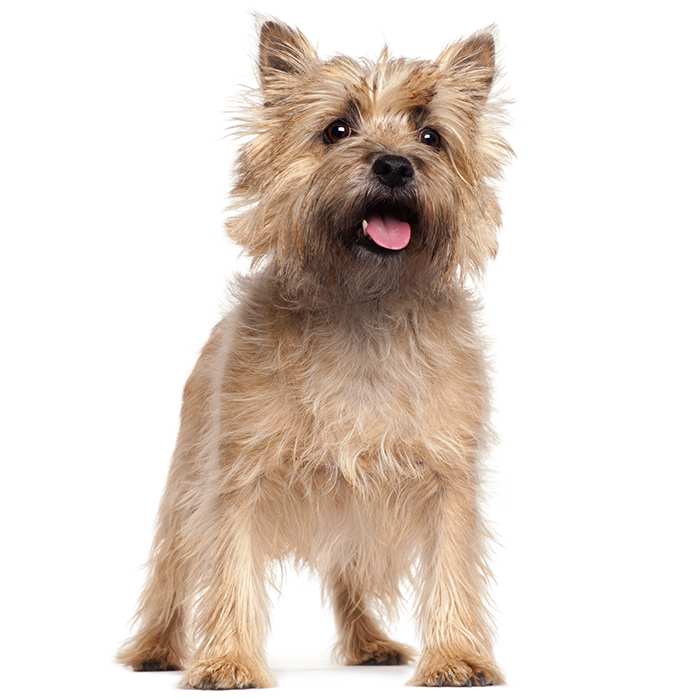
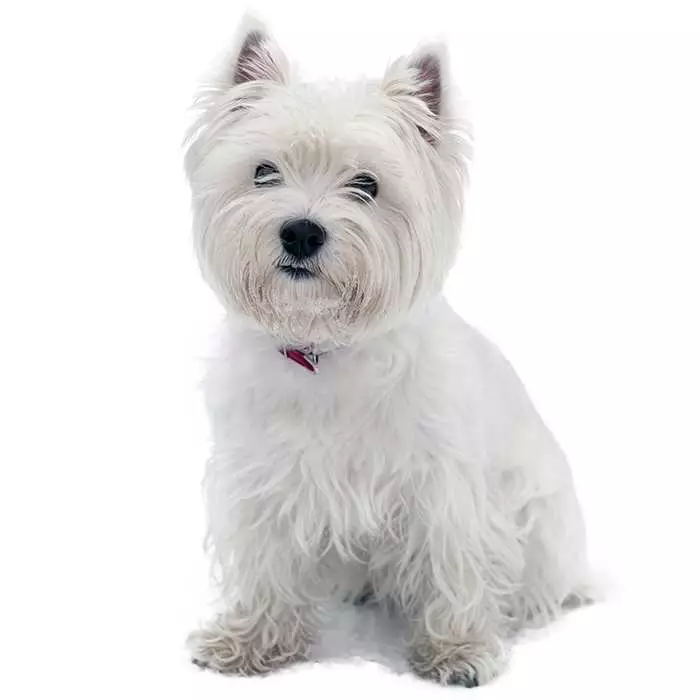
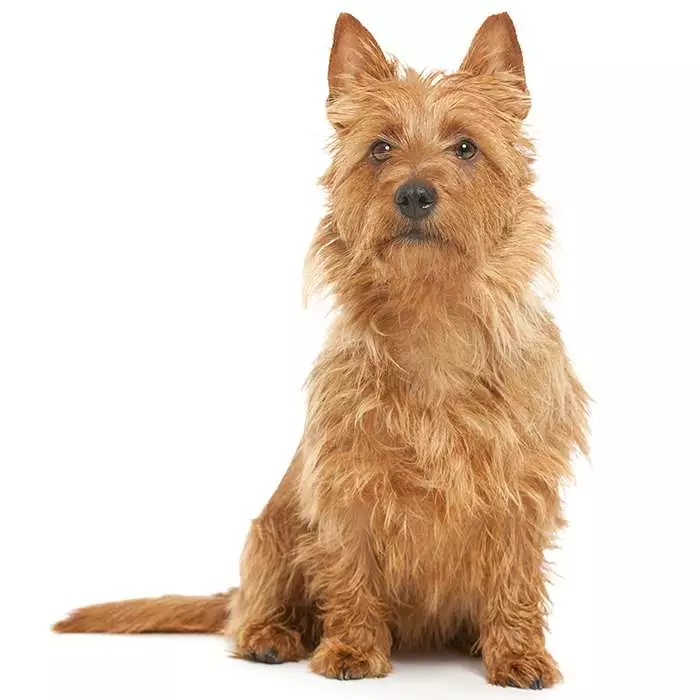
Is the Scottish Terrier a good family dog?


Scottish Terrier
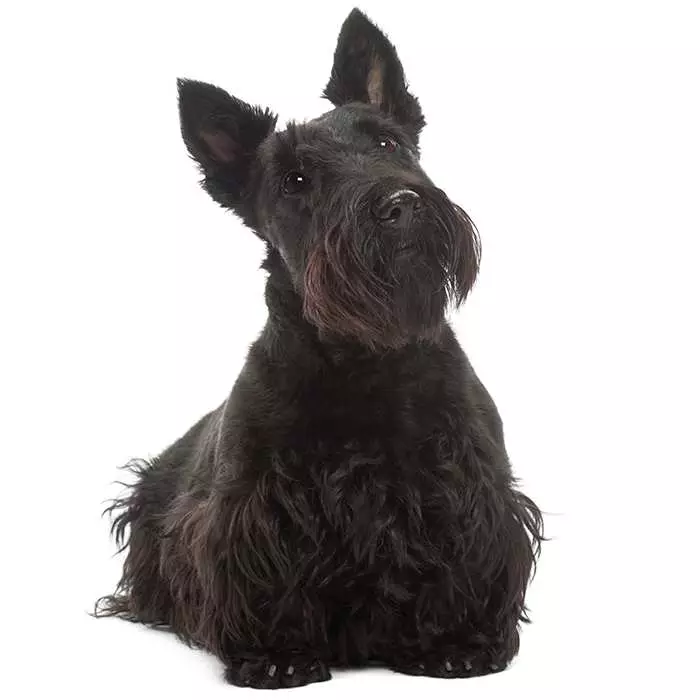
Scottish Terriers are sturdy and independent small dogs with a wiry coat, compact build and distinctive bearded face. Originally bred in Scotland to hunt vermin and small game, they are known for their courage, loyalty and dignified, self-assured nature. Generally devoted to their family but reserved with strangers, Scottish Terriers can be strong-willed and alert, so they benefit from early socialisation, consistent training and regular grooming.
| Recommended for | Patient owners who appreciate an independent small dog and can provide consistent training and regular grooming. |
| Breed Classification | Terrier Group |
| Other names | Scottie, Aberdeen Terrier |
| Lifespan | 12 to 15 years |
| Size | Small to Medium |
| Temperament | Independent, dignified, loyal and feisty |
| Intelligence | Generally intelligent; best results come from patient, positive and consistent training |
| Tendency to bark | Moderate; alert watchdog |
| Maintenance Level | Regular brushing plus stripping or clipping |
| Health Risk | Scottish Terriers are generally robust when well bred and well cared for, but they can still be affected by recognised breed-related conditions that should be discussed with a vet or breeder. |
Thinking of insuring a Scottish Terrier?
Explore the Top 5 health issues claimed for Scottish Terriers, including highest claims paid and how much pet insurance could help you save on eligible vet bills.
See Scottish Terrier pet insurance Ready to get cover? Get a quick quote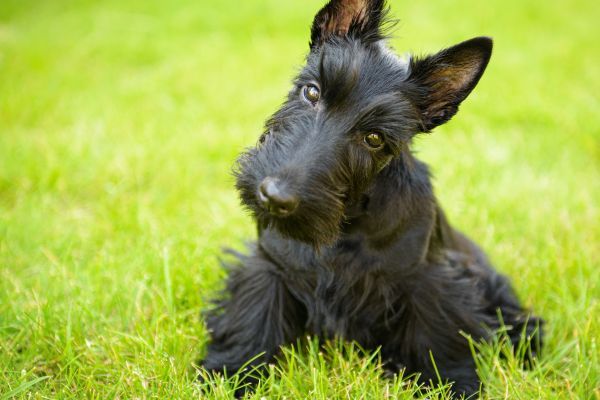
Scottish Terrier personality and temperament
The Scottish Terrier is independent, dignified and bold, with a serious but charming personality. Originally bred to hunt vermin and small game, it remains alert, determined and naturally confident.
Scottish Terriers are often loyal and affectionate with their families, though they may be reserved with strangers. They can be stubborn and strong-willed, so they benefit from consistent training, early socialisation and owners who appreciate their distinctive, self-possessed nature.
Scottish Terriers with kids and other pets
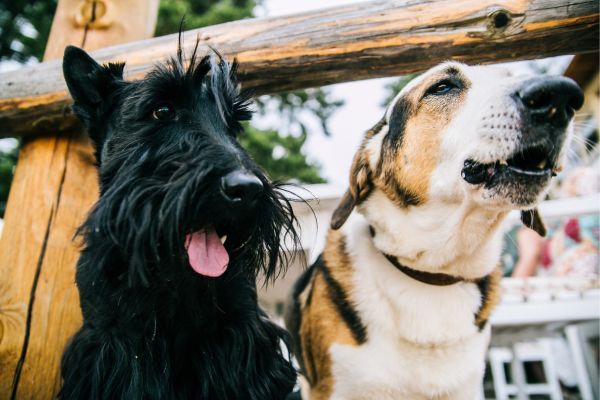
Scottish Terriers can be loyal and affectionate family dogs, but they are often better suited to homes with older children who respect their independent nature. They may not enjoy rough handling or constant attention, and they usually appreciate having their own space.
With other pets, Scottish Terriers can be selective. They may live well with dogs or cats they are raised with, but their terrier instincts can make them inclined to chase small animals, so early socialisation and supervision are important.
Scottish Terrier training and exercise
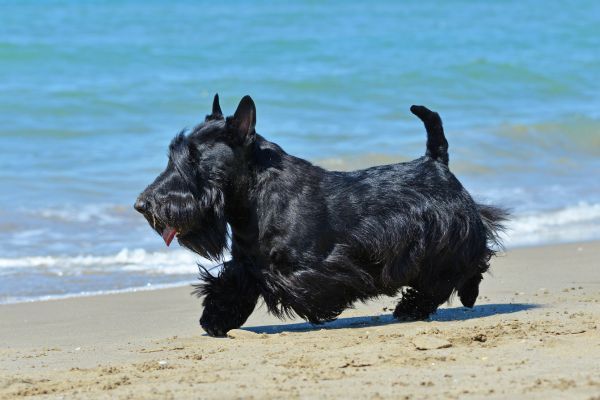
Scottish Terriers need moderate daily exercise, including walks, play and supervised time in secure outdoor spaces. They are sturdy and active but not usually high-endurance dogs. Because of their terrier instincts, they enjoy sniffing, exploring and digging-style games in appropriate areas.
Training should be patient, consistent and respectful of their independent nature. Scottish Terriers can be stubborn, so positive reinforcement and clear boundaries are important. Early socialisation helps them become more accepting of strangers, other dogs and household routines.
| Energy level | Moderate |
| Exercise requirements | Moderate - daily walks, games and digging-safe outlets |
Common health issues for Scottish Terriers
What do Scottish Terrier owners claim for the most?
- Scottie cramp: An inherited neurological movement disorder seen mainly in Scottish Terriers, causing temporary episodes of muscle cramping, stiffness or abnormal gait. Episodes are often triggered by excitement, stress or exercise, and affected dogs usually remain conscious during them.
- Von Willebrand disease: An inherited bleeding disorder where a dog lacks enough functional von Willebrand factor, a protein needed for normal blood clotting. Signs may include nosebleeds, bleeding gums, bruising, blood in the urine or excessive bleeding after injury, surgery or dental work.
- Bladder cancer: This most often involves transitional cell carcinoma/urothelial carcinoma, a malignant tumour of the bladder lining. Risk is higher in some breeds, especially Scottish Terriers.
- Cushing’s disease: A hormonal disorder, also called hyperadrenocorticism, where the body produces too much cortisol. Signs may include increased thirst, urination and appetite, panting, hair loss, thin skin, lethargy and a pot-bellied appearance.
- Allergies: These commonly cause itchy, inflamed skin, leading to scratching, licking, redness, hair loss, hot spots and recurring ear or skin infections. Common triggers include fleas, food sensitivities and environmental allergens.
Not all conditions are covered by Pet Insurance. For details of Bow Wow Meow Pet Insurance cover, refer to the Product Disclosure Statement.
How to choose the right insurance for your Scottish Terrier
When comparing cover for your Scottish Terrier, look for:

Cover for common Scottish Terrier conditions:
Check that the policy covers conditions Scottish Terriers can be prone to, including common health issues.

Cover for hereditary conditions:
No exclusions for hereditary or congenital conditions⑅.

Flexible cover options:
Options to adjust your annual benefit limit, reimbursement rate and excess.
Bow Wow Meow's Nose-to-Tail Cover offers flexible options for your Scottish Terrier, with cover for accidental injuries, illnesses and hereditary conditions⑅. Get a quick quote for cover that suits your Scottish Terrier and your budget.
Scottish Terrier feeding and nutrition
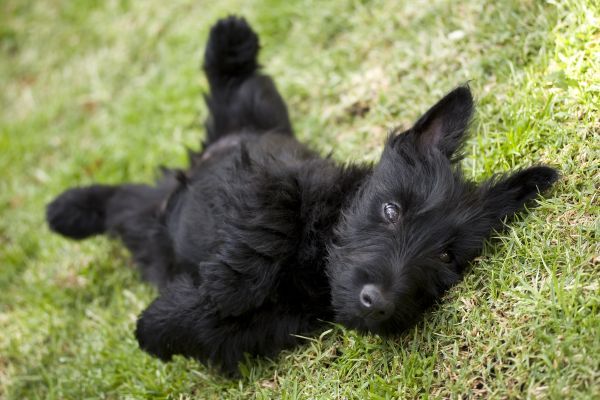
The Scottish Terrier needs a balanced diet suited to its sturdy build, moderate energy level and wiry coat. Quality protein supports muscle maintenance, while healthy fats can help support skin and coat condition.
Portion control is important because Scotties can gain weight if overfed or under-exercised. Meals should be measured, and table scraps should be avoided. Some Scottish Terriers can be prone to skin sensitivities, so a consistent, high-quality diet may help support overall coat and skin health.
Scottish Terrier care and grooming
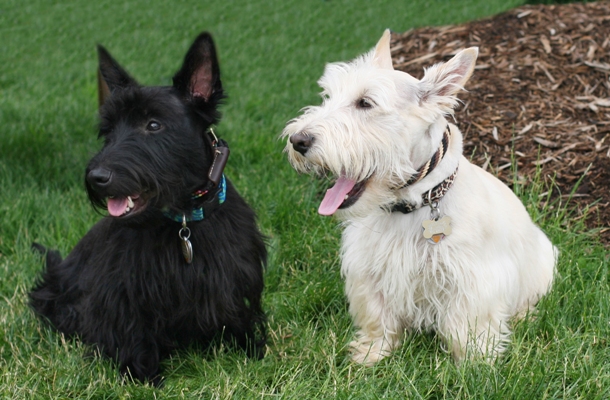
The Scottish Terrier has a hard, wiry outer coat and soft undercoat that require regular grooming. Weekly brushing and combing help prevent tangles in the beard, eyebrows, legs and skirt. The coat is relatively low-shedding but needs ongoing care to maintain the breed’s distinctive outline.
Professional grooming every 6 to 8 weeks is recommended, especially if the coat is hand-stripped or clipped. The beard should be cleaned regularly to remove food and moisture. Routine nail trimming, dental care, ear checks and occasional bathing help keep the Scottie healthy and tidy.
Size, appearance and coat of Scottish Terriers
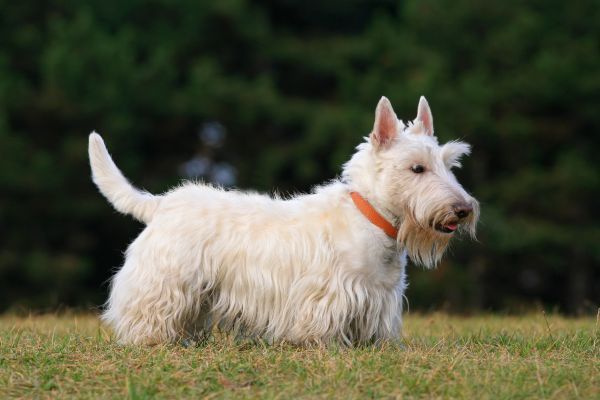
The Scottish Terrier is a small, sturdy dog with a compact body, short legs and a bold, dignified expression. It has a long head, dark almond-shaped eyes, erect pointed ears and a strong muzzle, creating its unmistakable serious and self-assured look.
Its coat is hard, wiry and weather-resistant, with a dense undercoat and longer furnishings on the beard, eyebrows, legs and underside. Common colours include black, wheaten and brindle.
| Weight range | 8 to 10 kg |
| Height range | 25 to 28 cm |
| Colours | Black, wheaten or brindle |
| Coat length | Hard, wiry outer coat with soft undercoat |
Breed history of Scottish Terriers
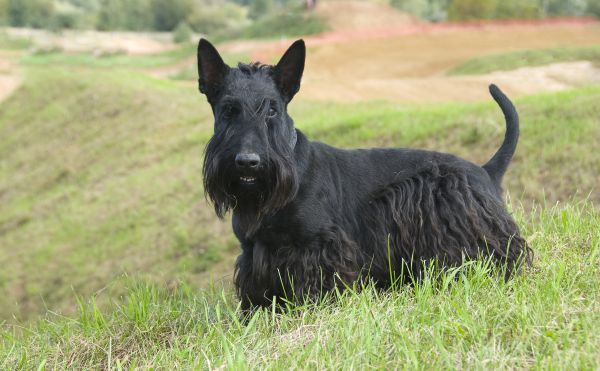
The Scottish Terrier developed in the Scottish Highlands as a short-legged earthdog used to hunt foxes, badgers and vermin in rocky terrain. Early Scottish terriers were not as clearly separated as modern breeds, but the Scottie emerged as a distinct type known for strength, determination and a hard weather-resistant coat.
By the late nineteenth century, breeders and clubs had helped define the Scottish Terrier’s characteristic silhouette: long head, erect ears, short legs and compact power. The breed became a strong symbol of Scotland and later achieved international fame through advertising, political households and popular culture.
Explore related breeds
Scottish Terrier facts!
- They are strongly associated with Scotland and are one of the most recognisable Scottish breeds.
- They are often called “Scotties”, a nickname that is as iconic as their silhouette.
- They have a dignified personality and are known for being independent, serious and self-assured.
- They have appeared in popular culture, having featured in advertising, board games and presidential households.
- Their sturdy body and short legs helped them hunt vermin and small game.
Summary
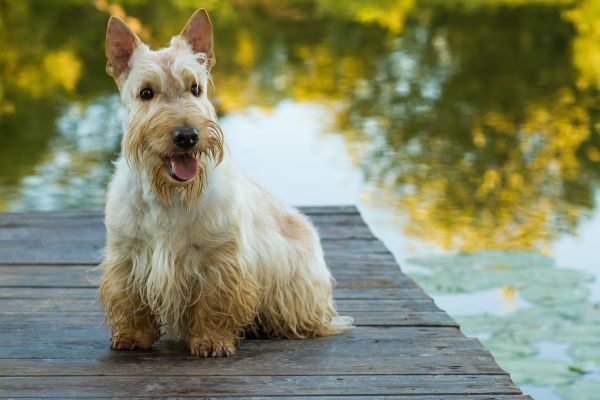
The Scottish Terrier is a small, sturdy terrier with short legs, a long head, erect ears and a hard wiry coat. Independent, dignified and loyal, Scotties are affectionate with their families but often reserved with strangers and strong-willed in training.
They need moderate exercise, consistent boundaries, early socialisation and regular grooming to maintain their distinctive beard, eyebrows and skirt.
FAQs about the Scottish Terrier
It can be, provided the household matches the breed’s exercise, training, grooming and supervision needs.
Moderate – daily walks, games and digging-safe outlets.
Shedding depends on coat type, season and grooming routine. The breed has a hard, wiry outer coat with soft undercoat.
No. While some individuals may shed less than others, no dog breed is truly allergy-free.
Most respond well to positive, consistent training, but owners should work with the breed’s instincts rather than against them.
MORE INFORMATION
Scottish Terrier Club of Victoria: http://stcvic.com/
Scottish Terrier Club of America: http://www.stca.biz/

Get 2 months free for your puppy!
Congrats on your new bundle of joy
To ensure your precious fur baby is covered from the start, we'd like to offer your first 2 months of our Nose-to-Tail Cover for free2!
Get a quick quote