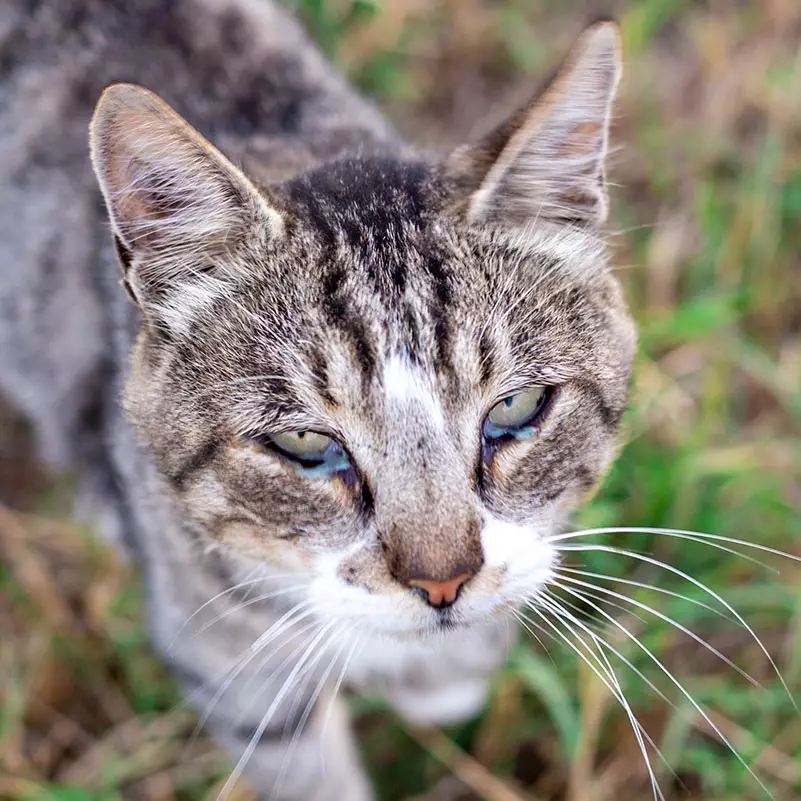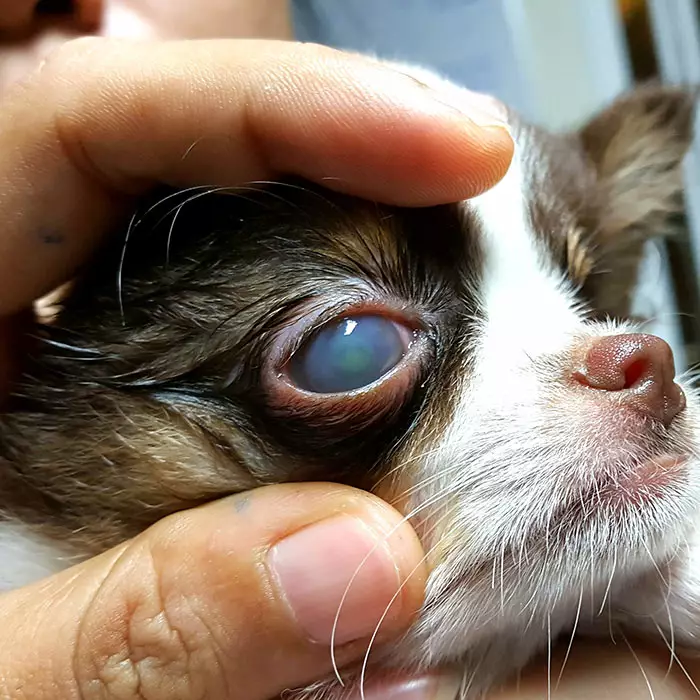
Conjunctivitis in dogs and cats

Summary
Conjunctivitis is inflammation of the conjunctiva, causing red, painful, watery eyes and discharge. Triggers include infection, allergy, injury, irritants and anatomic abnormalities. A prompt vet visit is important to confirm the cause and prevent complications. Treatment may involve cleaning, lubricants, antibiotics or anti-inflammatory drops, or even surgery. Prevent irritants, avoid sharing medications between pets and seek urgent care for vision changes or severe pain.
What is conjunctivitis in dogs and cats?
Conjunctivitis is an eye condition characterised by the inflammation of the conjunctiva membrane which covers the inside of the eye orbit and under the eyelids. Though not lethal, pets suspected of conjunctivitis should see a vet as soon as possible as eyesight is one of their most important senses.
It can affect one or both eyes, and aside from causing the usual physical symptoms, pets suffering conjunctivitis can be extremely uncomfortable, as it can be irritating, itchy, and painful. It is important to take caution around affected pets as even the gentlest cat or dog can become snappy.
Symptoms of conjunctivitis in dogs and cats
- Blepharospasm: this refers to spasmodic blinking and/or squinting.
- Redness: affected pets will have a reddish, moist appearance around the eye.
- Discharge: clear or pus-like discharge can come from the eyes.
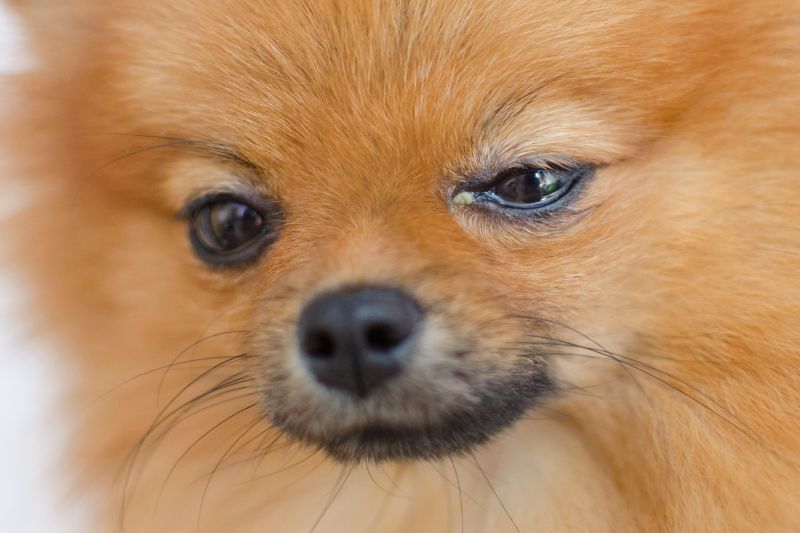
- Swelling: a build-up of moist tissue around the eyeball can cause swelling in the eye.
- Follicle formation: accumulations of lymphoid tissue located at the moist eyelid surface causes a cobblestone-like appearance.
Diagnosis of conjunctivitis in dogs and cats
Conjunctivitis is quite easy to identify since it produces visible signs around the eyes.
- A mucus-like discharge usually indicates a bacterial or viral cause, and can be so thick it causes the eyelids to stick together.
- A clear, watery discharge usually results from an allergy or irritant.
- Pus, which can form a crust around the eye, indicates a bacterial cause, usually Streptococcus or Staphylococcus.
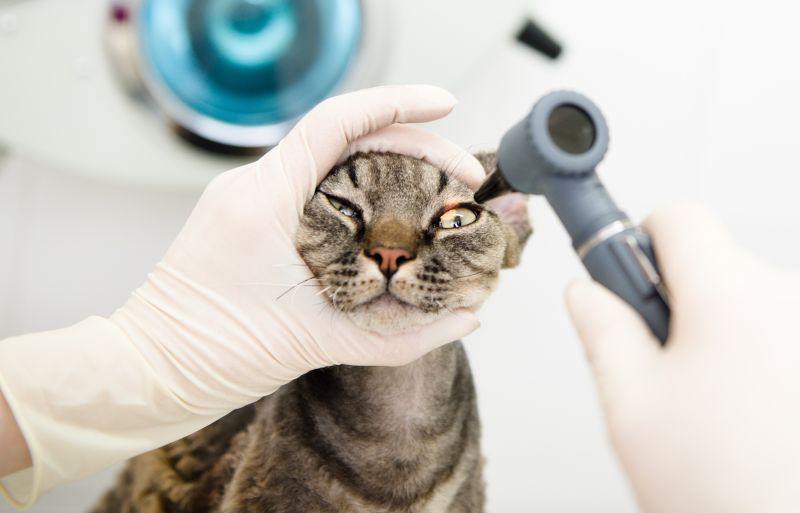
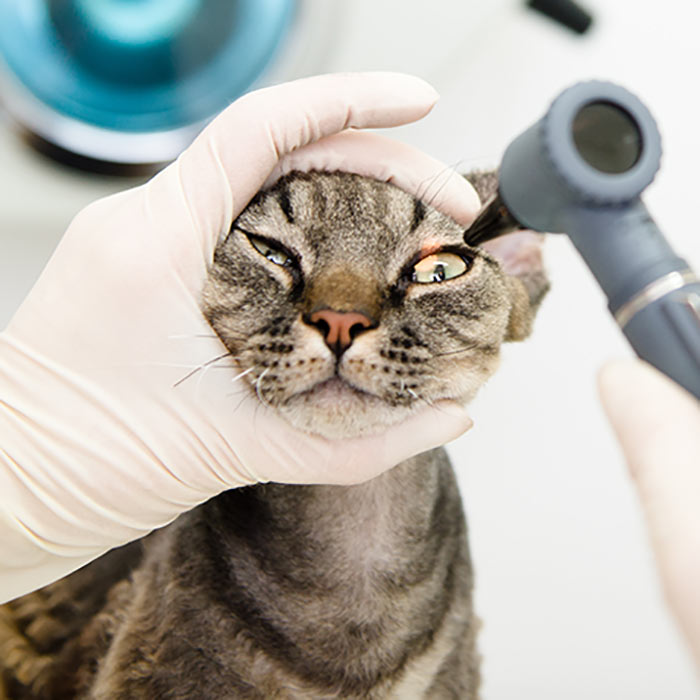
A visual exam is usually enough to make a diagnosis. Local anaesthetic can be helpful for painful eyes, helping open the eye better to examine for abnormal anatomy, the presence of masses or foreign bodies inside the eye, or beneath the third eyelid.
A thick mucus discharge in older pets or predisposed breeds may prompt a Schirmer Tear Test, which assesses if there is sufficient tear production. To rule out corneal damage or ulceration, a vet may also perform a Fluorescein Stain, in which a dye is applied to the eye and affected areas become green.
Expert advice from Dr Felicia:
When I see cases of conjunctivitis in practice, the age and breed of dog, as well as activity level can provide helpful clues. Younger dogs are more likely to present with foreign bodies like grass seeds or have caught a bacterial conjunctivitis from the dog park or doggy day care. Puppies with conjunctivitis can have an anatomic abnormality where the eyelid is rolling in excessively and causing irritation to the eye, or eyelids growing in the wrong place. Older dogs tend to be more likely to have eyelid masses, high intra-ocular pressure, or inadequate tear film production. Finding the underlying cause of conjunctivitis is key to being able to provide the correct solution.
Treatment and management of conjunctivitis in dogs and cats
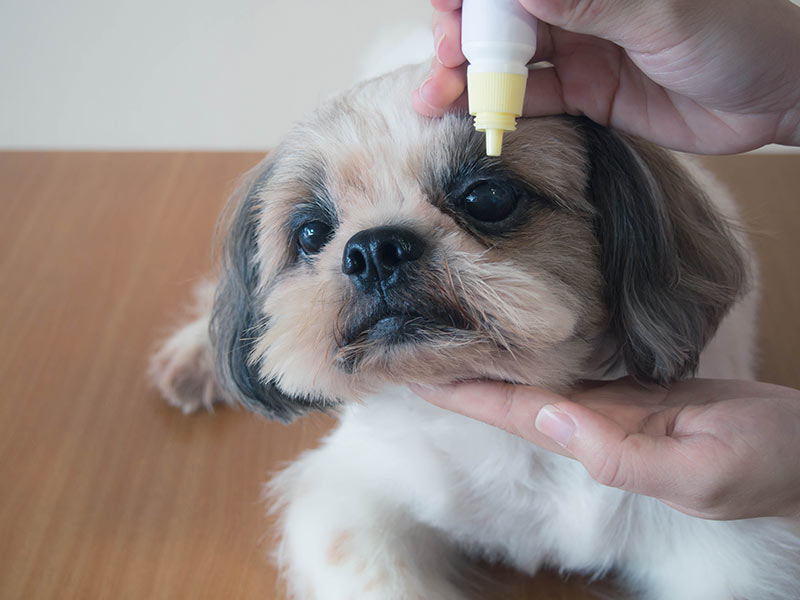
Treatment of conjunctivitis depends on the cause – bacterial infections can be treated with topical antibiotics. If there is an underlying abnormality such as insufficient tear production then additional medications may be required long term. Anatomic abnormalities or masses causing conjunctivitis and irritation may require surgical treatment/removal.
Prevention of conjunctivitis in dogs and cats
Since conjunctivitis can be caused by several factors, it is very difficult to prevent it. Some pets may be prone to developing conjunctivitis from digging or other activities such as swimming.
However, because it can be contagious, it is important to isolate an affected pet from other household animals. Keeping your pet’s eyes clean and free of potential irritants is the best way to lower its risk.
Interesting facts
- Though not life-threatening, advanced conjunctivitis can spread and affect other eye structures, possibly resulting in vision impairment.
- Conjunctivitis in dogs may be a symptom of canine distemper, a serious and highly contagious disease.
Bow Wow Meow Pet Insurance can help protect you and your pet should an unexpected trip to your vet occur.
- Find out more about our dog insurance options
- Find out more about our cat insurance options
- Get an instant online pet insurance quote
Bow Wow Meow is proud to have been awarded winner of Canstar’s ‘Most Satisfied Customers’ Award in the Pet Insurance category for both 2024 and 2025!
Bow Wow Meow is proud to be the only Pet Insurer that has been awarded Product Review’s Top Rated Pet Insurance every year from 2018 to 2026! This is based on 3,193 independent customer reviews (as at 09/04/2026), with an overall rating of 4.5 stars.

We also have the following ratings on other review platforms:
Google Review rating of 4.5 stars (based on 1,358 reviews)
Trust Pilot rating of 4.6 stars (based on 555 reviews)
Bow Wow Meow has been chosen as Winner of 4 categories in the 2026 Finder Pet Insurance Customer Satisfaction Awards!



– Most Trusted Pet Insurance
– Easiest to Claim Pet Insurance
– Most Recommended Pet Insurance
– Legendary Service Pet Insurance
We also received Highly Commended Awards for Loved Brand Pet Insurance and Best Value Pet Insurance.
Bow Wow Meow is an Australian-owned and operated pet insurance provider. Our focus is purely on pets, and we are proud to have helped provide peace of mind to over 200,000 Aussie pet owners since 2008.