Fracture of pelvic limb in dogs and cats


Summary
Falls and car accidents commonly cause hindlimb fractures. Keep pets confined and avoid home splinting before X rays. Treatment ranges from rest and placement of a supportive cast to surgical stabilisation with plates, pins or external fixators. Pain relief, restricted activity and physiotherapy support healing. Follow up radiographs guide return to normal exercise over weeks to months.
What is a fracture of pelvic limb?
A fracture of the pelvic limb is the term used for a crack or break in a bone of the hind leg. Most pelvic limb fractures in dogs and cats occur in the long, weight-bearing bones of the thigh and shins. A pelvic limb fracture is caused by abnormal stress on the bone, usually from a traumatic event like being hit by a car or falling from a height. Fractures are classified according to the characteristics of the break, for example, a fracture may be complete (broken right through its circumference) or partial, and/or it may be open (protruding through the skin) or closed (the overlying skin remains intact). Severe lameness, holding the limb up and vocalising pain can be suggestive of a fracture in dogs and cats.

Some pelvic limb fractures are relatively straightforward to treat, while others are extremely complex. Radiographs / x-rays are usually taken to assess the break and determine the best course of treatment. Treatment includes immobilising the limb to allow the bone to heal, easing pain and preventing further damage. The ease of healing depends on the type of fracture as well as specific characteristics of the animal and its home environment, therefore prognoses can vary widely. Most pelvic limb fractures require surgery to realign the bones with various combinations of plates, screws, pins and implants. Bone fractures take four to six weeks to heal, during which time the animal’s activity may be restricted and physical therapy may be required to assist with rehabilitation.
Continue reading to learn more about pelvic limb fractures, or jump ahead to Symptoms of pelvic limb fractures, Causes of pelvic limb fractures, Diagnosis of pelvic limb fractures, Prognosis, or Treatment for pelvic limb fractures.
What is a pelvic limb?
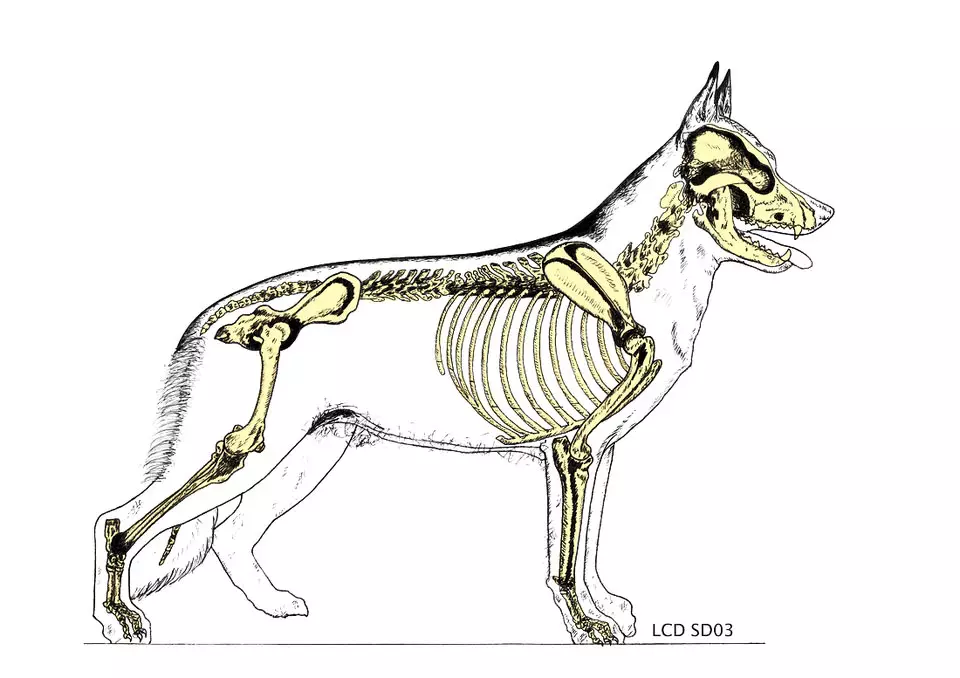
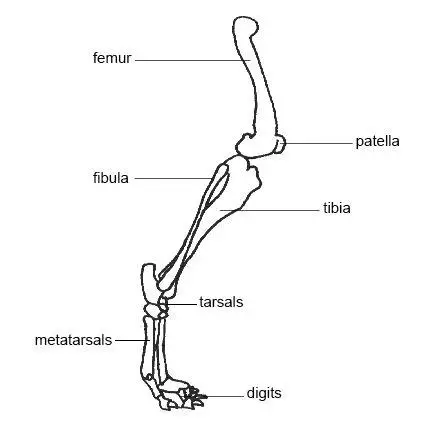
In dogs and cats, the hind limbs are also termed the pelvic limbs. The bones of the pelvic limbs are the femur (thigh bone), tibia and fibula (shin bones), tarsals, metatarsals, digits or phalanges. The top of the femur is connects to the pelvis via the hip joint.
The different types of fractures
A fracture is a break in a bone. Unfortunately, fractures are common in dogs and cats. When abnormal stress is placed upon the skeletal system, fractures or breaks of the bones can occur. Within the pelvic limbs, a break can occur in any of the bones, but the majority occur in the long, weight-bearing bones which are subjected to the greatest stress.
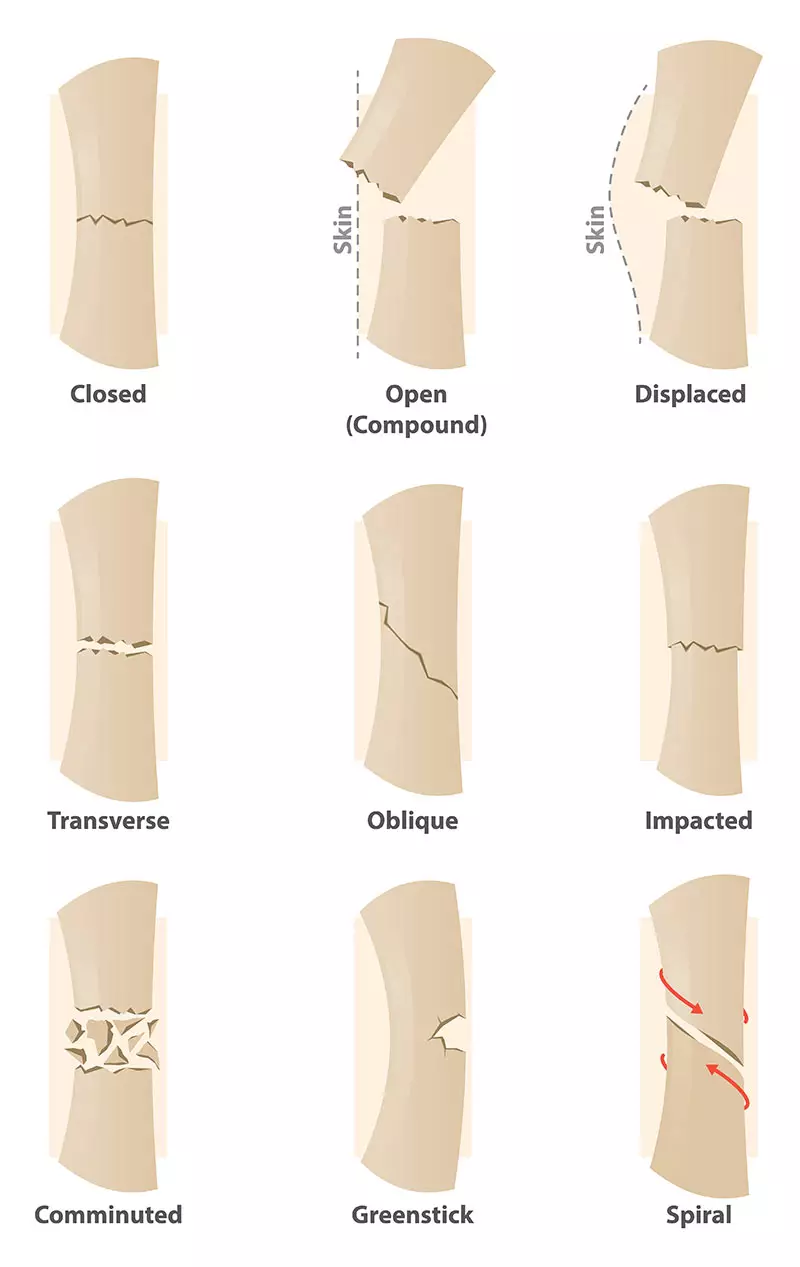
Because a bone can break in many ways, we refer to fractures not only based on the name of the bone broken but also on the characteristics of the break itself. Veterinary surgeons classify fractures into several categories.
Because it is difficult to predict the costs of veterinary care, it can help to have measures in place to help prepare for the unexpected. Pet insurance can help by covering a portion of the eligible vet bill if the unexpected does happen.
Get a quick quote
Complete fracture
The bone is broken through its full circumference and two or more bone fragments are created, in contrast with a partial fracture, in which the break is incomplete.
Complete fractures are further described based on the shape of the break:
- Transverse: the break is straight across the bone at a right angle to the length of the bone.
- Oblique: the break is at a diagonal across the bone, creating two bone fragments with sharp points.
- Comminuted: the break is in three or more pieces of varying shapes; the bone shatters into many pieces.
Open / Compound fracture
There is an open wound in the skin through which the broken bone protrudes and is exposed to the outside. Compound fractures are associated with higher risk of infection as the bones can be contaminated with dirt and debris; immediate treatment is required.
Closed fracture
There is a broken bone that does not penetrate the skin. The bone is fractured, but the overlying skin is intact.
Greenstick (hairline) fracture
The bone bends and cracks, without breaking completely; the bone is basically intact but cracked. In other words, the bone is not completely broken. This type of fracture is more often seen in young, soft and growing bones.
Epiphyseal fracture
Also known as Salter Harris fractures, these are growth plate fractures in in skeletally immature animals, i.e., puppies and kittens. In animals less than one year of age, there are areas of soft cartilage near the ends of each long bone where the bone has not yet ossified; these are referred to as growth plates or epiphyseal plates. The growth plates are more easily fractured because they are the weakest part of the bone. The distal ends of the femur (thigh bone) seems to be particularly susceptible to this type of fracture.
Symptoms of fracture of pelvic limb in dogs and cats
Severe lameness in the affected limb is the most obvious sign of a pelvic limb fracture and most dogs and cats will hold up the limb. Sometimes they can bear some weight on it, depending on the location and nature of the break. However, animals that have sustained major trauma, such as being struck by a motor vehicle or falling from a height, may be unwilling or unable to walk at all. If there is a compound fracture, the broken bone will poke through the skin. Additional symptoms may result from pain and discomfort (although be aware that animals, and cats especially, may try to hide their pain).
Other symptoms may include:
- Panting, crying, whining, howling, moaning, or growling, especially if touched
- Abnormal movement, limping, not walking, or not using the limb
- Cuts, swelling or bruising at the injured area
- Grinding sounds of bone on bone, or other unusual sounds
- Disorientation
- Anxiety
- Fright
- Not eating or grooming
Expert advice from Dr Felicia:
If your pet is in pain from a broken limb, their pain/distress may cause them to uncharacteristically try to bite you if you are trying to lift them. Try and avoid touching the painful area, and use a muzzle, if you have one, if needed.
Causes of fracture of pelvic limb in dogs and cats
Most pelvic limb fractures occur from significant sudden impact or great force to the body, such as being hit by a car or falling from a height, which causes abnormal stress on the bone. Fights with other animals and sporting injuries can also result in bone fractures. These occur most often in older dogs and in adventurous, excitable animals.
Pathologic fractures are caused by diseases that weaken the bone, causing them to break more easily, for example, bone cancer. Stress fractures are the result of pressure on the same spot over extended periods of time.
Diet may affect bone health, contributing to fractures where it is inadequate, for example, if calcium is lacking or there is too much Vitamin A or phosphorus. An inherited collagen defect may also cause weakening of the bones.
Age and breed are contributing factors; young bones that are not fully formed are susceptible to certain types of fractures, while older, brittle bones are also at greater risk. Both giant and toy breeds appear to be at greater risk of limb fractures.
Expert advice from Dr Felicia:
Radiographs taken of broken bones are carefully evaluated to determine if there are any underlying bone abnormalities (cancer, nutritional deficiencies) contributing to the break.
How is a fracture of pelvic limb in dogs and cats diagnosed?
Fractures mostly occur from significant trauma such as being hit by a car, and in these cases, it is important to deal with any life-threatening injuries first. If a fracture is suspected, transport the animal as carefully as possible to the clinic. The veterinarian will assess the animal thoroughly to identify any internal injuries. Diagnostic tests such as blood work, radiographs and ultrasound may be necessary to detect possible damage to the chest, abdomen, brain or spine. Only after life-threatening injuries are ruled out or under control and the animal is stabilised, will fractures be attended to.

The vet will conduct a physical examination, take a medical history and inquire about the circumstances of the injury and any symptoms. Pain medication and sedatives may be administered, particularly if the animal is distressed.
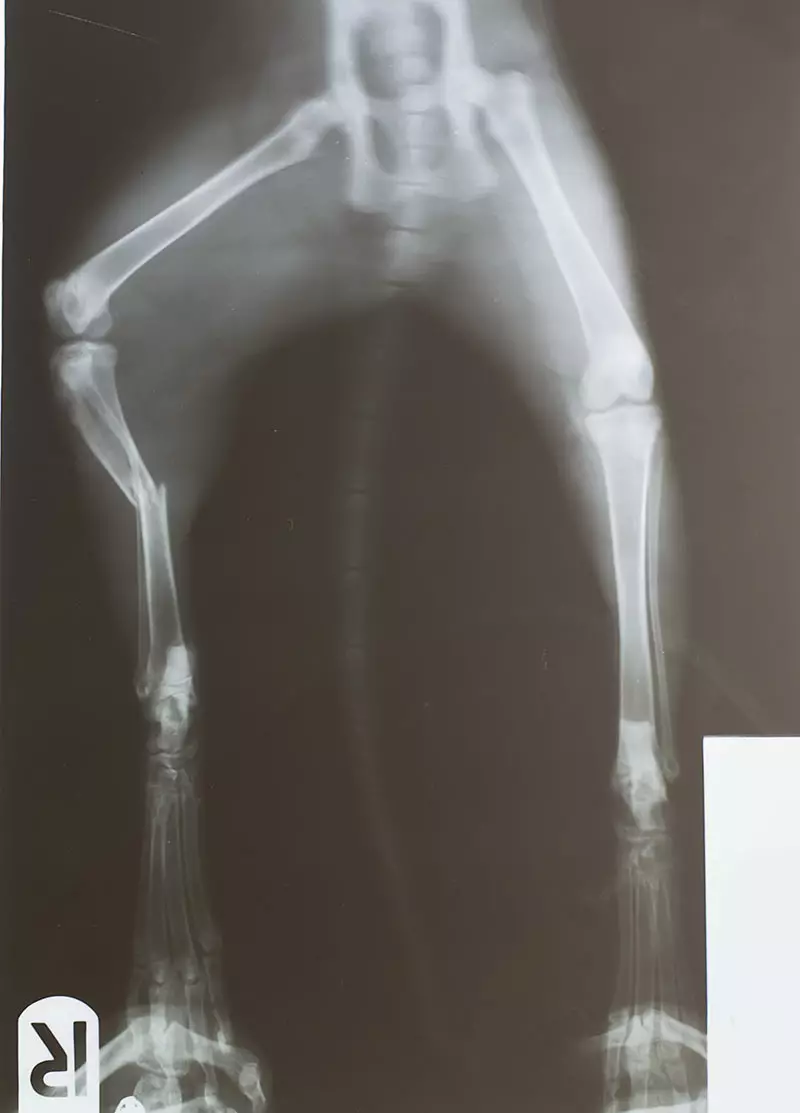
Radiographs (x-rays) are the mainstay for determining the type of fracture and its location. Multiple x-rays from various views of the affected region will be performed to diagnose the fracture; if only one view is taken, some fractures may be missed.
Prognosis
Because there are many different types of fractures, and these may have different treatments and carry different outlooks, prognosis can vary greatly depending on which bone is affected and the type of fracture. If there are no life-threatening injuries resulting from the trauma, and with the correct treatment and diligent aftercare, most fractures will heal well with time, and most animals will regain normal use of their fractured limbs.
Treatment for fracture of pelvic limb in dogs and cats
Once it is broken, the bone must be immobilised sufficiently to allow it to heal back together, ease pain and prevent further damage or trauma. The ease of healing of a pelvic limb fracture depends on a range of factors, including:
- The characteristics of the animal – a young, quiet, calm, healthy dog or cat of small to large size will typically heal more easily than an elderly, sick, incapacitated or highly active animal of giant or toy size.
- The home environment – an animal under close supervision with restricted activity will in most cases heal more easily than a freely active animal under minimal supervision.
- Type of fracture identified – a closed, low-impact or transverse break will generally heal more easily than an open, high-impact or comminuted break.
Depending on factors such as these, different methods of treatment may be recommended. Some fractures are relatively straightforward to treat, while others are extremely complex. Hairline fractures may only require rest, while surgical intervention will usually be needed in more severe fractures. Compound fractures in which the risk of infection is high are treated differently from closed fractures. Pain medication may be part of the treatment plan, and in some cases, antibiotics, if there is a risk of infection.
Careful evaluation by the veterinarian, with the active participation of the owner in the decision-making process, will determine the most suitable treatment and improve the overall outcome. As for human fractures, splints, casts, pins, steel plates and screws can be used to realign the bone and allow healing. Treatment options can be surgical or non-surgical.
Expert advice from Dr Felicia:
When vets plan for treatment for your pet’s fracture, the temperament of your pet, your pet’s lifestyle, finances and surgeon skill / experience are important factors they consider.
External coaptation
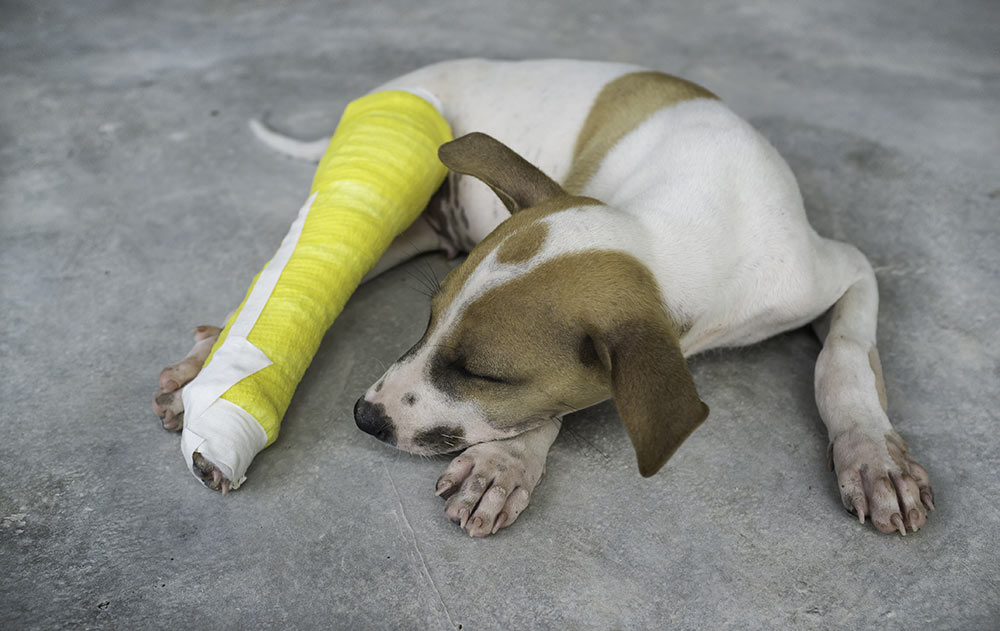
A non-surgical treatment in which a splint or cast is applied to the outside of the limb to immobilise it. Some simple, closed fractures, especially in very young animals, can be successfully treated using fibreglass casts. Kittens and puppies may heal in a cast in as little as five weeks; capacity for bone growth and regeneration is much faster at a young age. However, in an elderly animal the same fracture is more likely to benefit from surgery, with healing over a longer timeframe of twelve weeks or more.
In older animals, a splint or cast may sometimes be used to treat simple lower leg fractures, but as animals cannot be depended on to rest the limb properly, the use of a cast is not generally recommended. Furthermore, a splint or cast is not necessarily the “easiest” or “cheapest” method of treatment; frequent evaluations and changes may be required and because of the longer overall healing period, complications such as joint stiffness and muscle wastage may result.
Surgery
Most pelvic limb fractures are treated surgically, which allows the broken bones to be re-aligned and screws, pins (metal rods), wire, and/or metal plates are used to hold the pieces together. However, in cases of extremely severe injury, the limb may require amputation.
External fixation
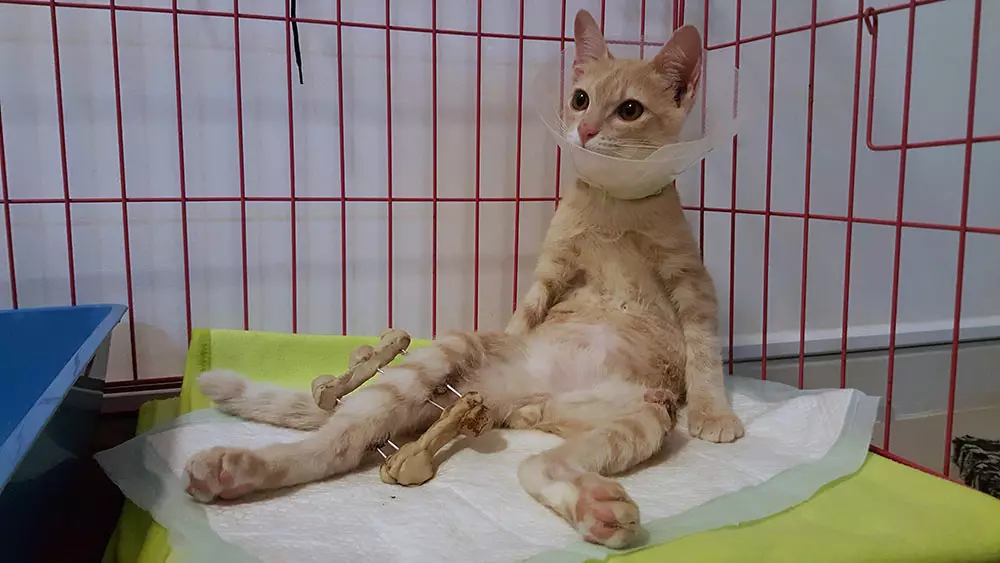
External frames or bars are attached to the bone using pins going through the skin. The pins are connected to the frame with clamps to “splint” the bone on the outside.
Internal fixation:
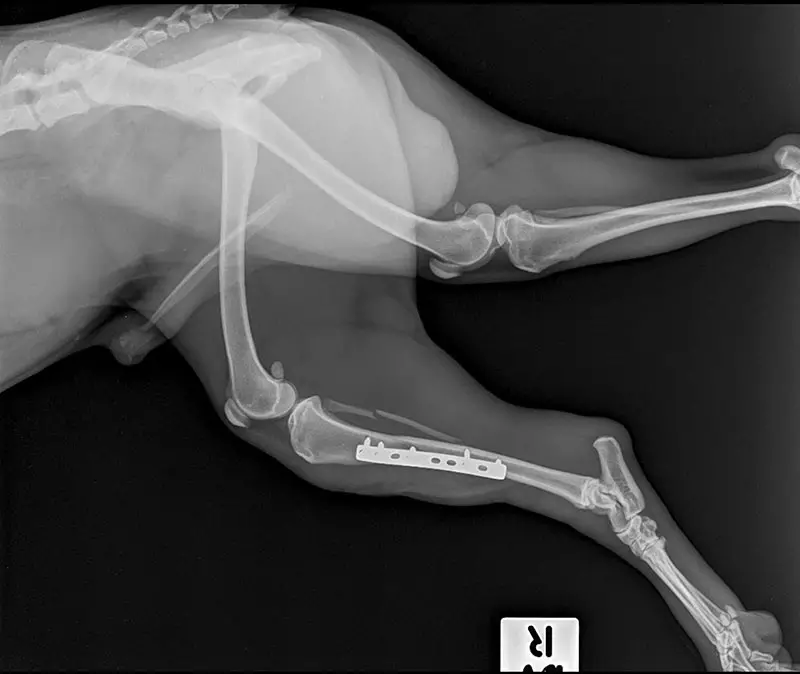
Surgically applied devices are implanted under the skin and inside the bone or on the surface of the bone. Various devices are available, such as plates, screws, nails, pins, wires.
Ongoing care and maintenance:
The aftercare for a dog or cat with a broken bone is very variable and depends on the type of fracture, the surgical procedure that has been performed and the nature of the animal. While it is critical to avoid stressing the fracture too soon, animals cannot be instructed to “take it easy” and “stay off the limb”, so it is up to the owner or carer to impose these restrictions when the animal returns home.
Following surgery, most animals are very comfortable and can walk relatively normally within a few days. While many animals will be permitted to exercise lightly soon after surgery, unrestricted activity such as running or jumping must be strictly avoided. Some animals will need to be restricted to a crate, pen or a small room at times when they are unsupervised.
Expert advice from Dr Felicia:
If you are concerned about your active pet’s ability to cope with a confinement period your vet may be able to prescribe medications to keep your pet a little quieter than usual for the recovery/post-op period.
If a cast has been applied, the condition of the covering will require careful monitoring, as it must be kept in the correct place, clean and dry for proper healing. An Elizabethan collar may be required to prevent the animal from licking or pulling at the covering or bandage.
Physical therapy such as physiotherapy, massage or hydrotherapy, will most likely be recommended as part of the rehabilitation programme. When a limb is not used for several weeks to months, joints stiffen up, muscles weaken, and bone healing is delayed. Physical therapy during fracture healing uses methods aimed at improving comfort and limb use without harming bone healing.
Bones usually take four to six weeks to heal, or up to eight weeks in elderly animals. In most cases a follow-up visit is required six to eight weeks after surgery, with x-rays taken to monitor healing. Once an X-ray has shown the broken bone has healed, normal activity can usually be resumed.
In conclusion
A fracture is a crack or break in the bone caused by forces of abnormal stress, usually associated with a traumatic event like being hit by a car or falling from a height. Fractures can be classified in several ways, based on the characteristics of the break, such as closed, compound, epiphyseal (growth plate), and greenstick (hairline). A broken bone sticking out through the skin is an obvious sign of a fracture, while limping and whining are two other strong signs.
X-rays are usually performed to assess the broken bone and determine the best course of treatment. Options for treating a pelvic limb fracture include applying a cast and surgery to realign the bones with plates and screws, pins that are placed inside the bone and implants.
With correct planning and in the hands of experienced surgeons, the outlook for healing of most fractures is very good. Most animals can regain excellent use of their broken limb and can enjoy a normal quality of life.
Bow Wow Meow Pet Insurance can help protect you and your dog should an unexpected trip to the vet occur.
-
Find out more about our dog insurance options
-
Get an online pet insurance quote
Bow Wow Meow is proud to have been awarded winner of Canstar’s ‘Most Satisfied Customers’ Award in the Pet Insurance category for both 2024 and 2025!
Bow Wow Meow is proud to have been chosen as Product Review’s Pet Insurance Award Winner every year from 2018 to 2025! This is based on 2,995 independent customer reviews (as at 21/01/2025), with an overall rating of 4.3*
Google Review rating = 4.5* (based on 968 reviews)
Trust Pilot rating = 4.6* (based on 531 reviews)
Bow Wow Meow has been chosen as a winner in the Finder Pet Insurance Awards 2024. Finder’s panel of experts analysed over 140 quotes to award our Ultimate Care Plan the winner of the “Pet Insurance – Value” category.
Bow Wow Meow is an Australian-owned and operated pet insurance provider. Our focus is purely on pets, and we are proud to have helped provide peace of mind to over 200,000 Aussie pet owners since 2008.
More information
- https://www.petmd.com/cat/emergency/accidents-injuries/e_ct_broken_bones
- https://www.petmd.com/dog/emergency/accidents-injuries/e_dg_broken_bones
- https://www.acvs.org/small-animal/fractured-limbs
- http://www.veterinaryworld.org/Vol.3/March/Incidences%20of%20pelvic%20limb%20fractures%20in%20dogs.pdf