Kennel cough in dogs: symptoms, treatment and prevention



Summary
Kennel cough, also known as canine infectious tracheobronchitis or canine infectious respiratory disease complex (CIRDC), is a common and highly contagious respiratory infection in dogs. It is usually caused by one or more bacteria or viruses and often leads to a dry, hacking or “honking” cough. In many otherwise healthy dogs, kennel cough is mild and improves with rest and supportive care within a couple of weeks. However, puppies, senior dogs, brachycephalic breeds and dogs with other health problems may be more vulnerable to complications such as pneumonia. If your dog’s cough is worsening, lasting more than a week or two, or is accompanied by fever, lethargy, breathing difficulty or loss of appetite, speak to your vet.
What is kennel cough in dogs?
The condition is known as kennel cough because animals that have been exposed to high stress and high density environments such as boarding kennels, dog shows and pounds/shelters are most susceptible to the disease. Even pets that spend a lot of time exercising in public dog parks have an increased chance of catching it from another infected animal.

Fortunately, kennel cough is not usually a serious or life-threatening disease. In otherwise healthy animals, the infection will usually self-resolve within a couple of weeks without any major upset to the animal. However, in extreme cases, or in older animals, kennel cough may lead to pneumonia.
Expert advice from Dr Felicia:
Kennel cough is very contagious, so keep your dog away from other dogs if you suspect your dog has an upper respiratory infection – whether at the dog park, doggy daycare, groomers, vet. While dogs are usually able to clear this infection on their own, more vulnerable dogs are susceptible to developing pneumonia if infected.
Symptoms of kennel cough in dogs
The tell-tale sign of kennel cough in dogs is a persistent, dry cough with a ‘honking sound’, often followed by a terminal retch or gagging at the end of the cough, which can be mistaken for something caught in the throat. This may be the only symptom and the dog may appear otherwise healthy. Some dogs also experience flu-like symptoms such as:
- Lethargy, inactivity, exercise intolerance
- Excessive sneezing
- Gagging
- Coughing up white foamy phlegm
- Fever
- Discharge from the eyes and nose
- Swollen or painful lymph nodes
- Loss of appetite
- Weight loss
Expert advice from Dr Felicia:
This tell-tale hacking cough often occurs when infected dogs are excited, or when they are pulling on the lead and increasing pressure on their throat.
If you notice any of these symptoms, see your vet for assistance to determine if your pet needs additional supportive care, or if they are showing signs suggestive that there is more than a simple infection occurring, as some of these signs can be due to other illnesses which are more worrying than kennel cough. If your pet doesn’t improve after a week or two, or the symptoms progressively worsen, it’s best to seek medical help immediately.

Causes of kennel cough in dogs
Kennel cough is caught by the spread of microorganisms from an infected dog. Bacterial microorganisms causing kennel cough include Bordetella bronchiseptica, Mycoplasma spp., and Streptococcus spp. Viral microorganisms include canine distemper, parainfluenza, adenovirus type 2 and herpesvirus. The microorganisms can be transmitted from an infected animal in one of the following ways:
- Direct dog-to-dog contact
- Through aerosolised respiratory secretions
- Contact with a contaminated surface (water or food bowl)
Expert advice from Dr Felicia:
Healthy dogs can also harbour some of these respiratory pathogens, so it is important to interpret any results of infectious disease testing alongside what is happening in your dog. Dogs with more severe kennel cough may be infected with multiple microorganisms.
When to see a vet about kennel cough
Contact your vet if your dog develops a persistent cough, especially if they have recently been around other dogs at a kennel, daycare, grooming salon, dog park, training class or veterinary clinic.
While many mild cases of kennel cough improve with rest and supportive care, veterinary advice is important if the cough is worsening, lasting more than a week or two, or is accompanied by lethargy, fever, loss of appetite, nasal discharge, retching, gagging or a moist/productive cough.
Seek urgent veterinary care if your dog is having trouble breathing, breathing rapidly, seems weak or distressed, has blue or pale gums, collapses, or is a puppy, senior dog, brachycephalic breed or has another health condition.

How is kennel cough in dogs diagnosed?
The vet will make a diagnosis by observing your pet’s symptoms and taking into consideration their health history. Therefore, your vet will usually ask some detailed questions about your pet’s health and exposure to other dogs.
The duration of the symptoms is also significant in making the diagnosis. Kennel cough symptoms generally last for a few weeks. However, if the cough progresses to a level of concern over two or more weeks, then the animal has the chance of developing pneumonia. Older pets are especially susceptible to developing pneumonia and other, more serious conditions can develop while the immune system is weak.
The diagnosis of kennel cough is typically presumptive without additional testing to identify infectious pathogens present unless it is a recurrent or poorly resolving case or there are patient concerns about their ability to clear the infection without assistance.
Expert advice from Dr Felicia:
Eliciting the characteristic cough, enlarged lymph nodes and a history of socialisation are typical findings of a patient with kennel cough. Infectious disease testing may be performed by taking a swab of the conjunctiva and the back of the throat to identify viral and bacterial DNA to guide treatment.
Treatment and management of kennel cough
While the condition is usually not a serious threat to your pet’s overall health and will in most cases clear up of its own accord, there are things you can do to help your pet while it is unwell. With the appropriate care and plenty of rest, your pet’s kennel cough will usually subside after a week or two.
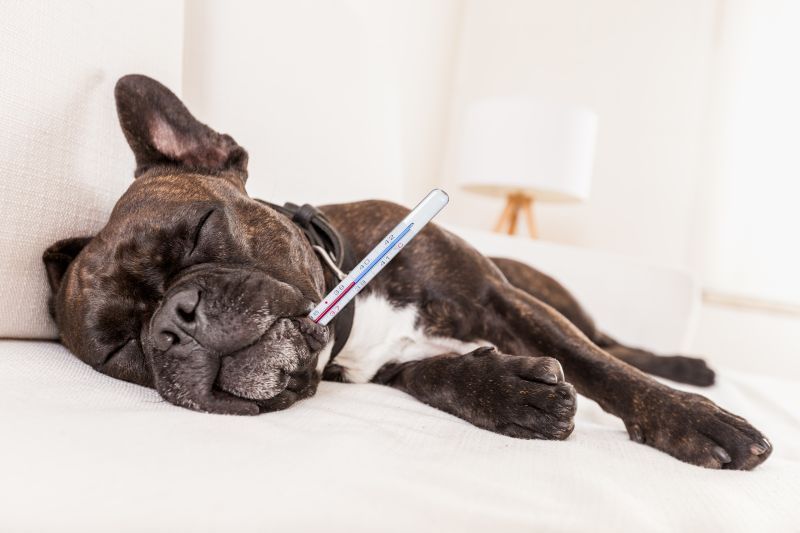
- The best way to treat kennel cough is to allow your dog to rest for as much time as they need. Walks and playtime probably won’t appeal to your pet while they’re sick with the condition so it’s best not to push them to exercise when they’re not feeling up to the task.
- Your vet may prescribe a number of medications to treat your pet. While typically otherwise well dogs can clear the infection on their own, antibiotics may be prescribed in a patient who appears systemically unwell or medical history that suggests that their immune system may be compromised.
- To help soothe the cough, try taking your pet into the bathroom with you whilst taking a hot shower; the steam will help to calm their sore throat. Also consider using a humidifier or vaporiser.
- Ask your vet about administering cough medicines and whether this may help. Some vets are happy to give you advice on which cough syrups are best and the required dosage. Never give your pet cough syrup without the assistance of a veterinarian.
- Make sure your pet has access to nutritious food and plenty of fresh water. Change their water regularly and ensure that other animals are not exposed to the infected animal’s food bowls or bedding.
Expert advice from Dr Felicia:
If your pet normally wears a collar, consider a harness to reduce pressure on their throat. Usually dogs return to normal fairly quickly after a bout of kennel cough, though older dogs and dogs with concurrent illnesses especially affecting the respiratory tract will take longer.
Prevention of kennel cough
Kennel cough is extremely contagious and can spread rapidly. Animals may remain infectious for long periods of time even after the symptoms have cleared up. If your pet is in a household with other dogs, especially vulnerable ones, it is essential to quarantine the affected pet. Keep other animals away from the infected animal’s food as the condition can spread by sharing water, kennels or feeding bowls.
If you plan to go on holiday, do your research before sending your pet to a boarding kennel. You’ll want to find one that is happy to show you the state of their accommodation. Look for transparency as well as a high level of hygiene.
Speak to your veterinarian about vaccination options. Keep your pet’s records handy and seek advice on what vaccinations may be necessary to prevent kennel cough, particularly if your dog is at risk or you are going to require boarding. Vaccinations are also available for several of the agents known to be involved in kennel cough, including parainfluenza, Bordetella and adenovirus-2.
Find out more on Dog & Puppy Vaccination schedules & dog vaccination costs.
Expert advice from Dr Felicia:
Vaccination is key to reducing severity of signs associated with kennel cough. Unfortunately as it is so contagious, most dogs that are frequently socialising with other dogs are likely to catch it sooner or later.
Commonly affected breeds
All dog breeds can be affected by kennel cough. The condition is common and can affect even the healthiest of animals. Dogs who have frequent contact with other dogs, especially in enclosed or poorly-ventilated areas, are most prone to becoming infected, while young and unvaccinated dogs are also at higher risk.
Expert advice from Dr Felicia:
Dogs with other respiratory diseases and brachycephalic breeds tend to have worse signs associated with kennel cough and a longer recovery time.
Things to know about kennel cough
- Kennel cough is very common, especially in dogs that regularly mix with other dogs at parks, daycare, grooming salons, boarding kennels, training classes or shelters.
- Taking your dog to a park with other animals will increase the chances of developing the condition.
- Most kennels will not board a pet without proof of a recent vaccination against parainfluenza and Bordetella, two of the main causes of kennel cough.
- No matter how clean and well-maintained a boarding kennel is, kennel cough can never be entirely prevented.
Bow Wow Meow Pet Insurance can help protect you and your dog should an unexpected trip to the vet occur.
-
Find out more about our dog insurance options
-
Get an online pet insurance quote
Bow Wow Meow is proud to have been awarded winner of Canstar’s ‘Most Satisfied Customers’ Award in the Pet Insurance category for both 2024 and 2025!
Bow Wow Meow is proud to be the only Pet Insurer that has been awarded Product Review’s Top Rated Pet Insurance every year from 2018 to 2026! This is based on 3,193 independent customer reviews (as at 09/04/2026), with an overall rating of 4.5 stars.

We also have the following ratings on other review platforms:
Google Review rating of 4.5 stars (based on 1,358 reviews)
Trust Pilot rating of 4.6 stars (based on 555 reviews)
Bow Wow Meow has been chosen as Winner of 4 categories in the 2026 Finder Pet Insurance Customer Satisfaction Awards!




– Most Trusted Pet Insurance
– Easiest to Claim Pet Insurance
– Most Recommended Pet Insurance
– Legendary Service Pet Insurance
We also received Highly Commended Awards for Loved Brand Pet Insurance and Best Value Pet Insurance.
Bow Wow Meow is an Australian-owned and operated pet insurance provider. Our focus is purely on pets, and we are proud to have helped provide peace of mind to over 200,000 Aussie pet owners since 2008.
Sources:
“Kennel Cough”, MSD Veterinary Manual, https://www.msdvetmanual.com/respiratory-system/respiratory-diseases-of-small-animals/kennel-cough. Accessed 14 Jul 2026
“The risks of kennel cough”, Cornell University College of Veterinary Medicine, https://www.vet.cornell.edu/departments-centers-and-institutes/riney-canine-health-center/canine-health-topics/risks-kennel-cough. Accessed 14 Jul 2026
“Bordetellosis”, Cornell University College of Veterinary Medicine, https://www.vet.cornell.edu/departments-centers-and-institutes/riney-canine-health-center/canine-health-information/bordetellosis. Accessed 14 Jul 2026
“Canine infectious respiratory disease complex (Kennel cough)”, American Veterinary Medical Association, https://www.avma.org/resources-tools/pet-owners/petcare/canine-infectious-respiratory-disease-complex-kennel-cough. Accessed 14 Jul 2026
“WSAVA Vaccination Guidelines 2024”, World Small Animal Veterinary Association, https://wsava.org/wp-content/uploads/2024/04/WSAVA-Vaccination-guidelines-2024.pdf. Accessed 14 Jul 2026