Luxating patella in dogs

Summary
Luxating patella is a common knee condition in dogs where the kneecap slips out of its normal position. It is especially common in small breed dogs. Some dogs only show mild, occasional signs, while others may develop more ongoing lameness, discomfort and mobility problems. Mild cases may managed conservatively, while moderate to severe cases often benefit from corrective surgery. Many dogs with luxating patella can be managed successfully, but maintaining a lean body condition can lower recurrence risk.

What is luxating patella in dogs?
Patella luxation is a common issue among small breed dogs, mainly affecting breeds such as Pomeranians and Chihuahuas. It occurs when the animal’s kneecap becomes dislocated from its usual position. It is mostly an inherited issue that is detected in puppyhood. The movement of the patella is dynamic and the patella will often luxate out of position and then move back in. Dogs affected with this condition typically luxate the patella at a run and perform a small hop/skip which causes the patella to move back into the correct location.
Expert advice from Dr Felicia:
The discovery of a luxating patella in a puppy is usually incidental with no limping previously reported. If the luxation of the patella is minimal and non-progressive it may not require intervention.
Symptoms of luxating patella in dogs
Symptoms of a luxating patella vary between cases. There are four “grades” of the condition, defined by the extent of movement of the patella and whether it is able to be replaced into the correct anatomic location. Dogs with grade 1 patella luxation may show no signs at all.
Signs generally start to appear from the age of 4 months. Typically, owners will notice if their dog is occasionally skipping and holding up one of the hind limbs. Some dogs may be affected in both hind limbs, others may only be affected on one side. The condition does not seem to be very painful, though some dogs show signs of pain/discomfort when the patella is out of position.
Expert advice from Dr Felicia:
Patella luxation happens more commonly when dogs are at a full run or bending their legs going up and down stairs. The patella may briefly luxate and return to the correct position, or remain out of place, causing discomfort and inability to bear weight on the limb.
Common symptoms include:
- skipping or hopping on a back leg
- suddenly holding one hind leg up for a few steps
- an unusual or intermittent gait
- stiffness, especially after rest
- reluctance to jump, run or climb stairs
- reduced activity or exercise tolerance
- hind leg lameness
- discomfort or pain, particularly in more severe cases

What causes luxating patella in dogs?
It is not known for sure what causes the condition. In dogs not genetically predisposed, luxating patella can occur secondary to trauma or obesity, but the vast majority are born with the condition. This means the bones, muscles and soft tissues around the knee have developed in a way that makes the kneecap more likely to move out of place.
Possible contributing factors include:
- a shallow groove in the knee joint
- abnormal alignment of the muscles and tendons that control the kneecap
- changes in the shape or angle of the femur or tibia
- inherited conformational traits
- trauma or injury in some cases
Excess body weight is not usually the original cause, but it can add extra strain to the joints and make mobility more difficult for dogs already affected.
Which dogs are most at risk?
Luxating patella is most often seen in small and toy breeds, although larger dogs can also be affected.
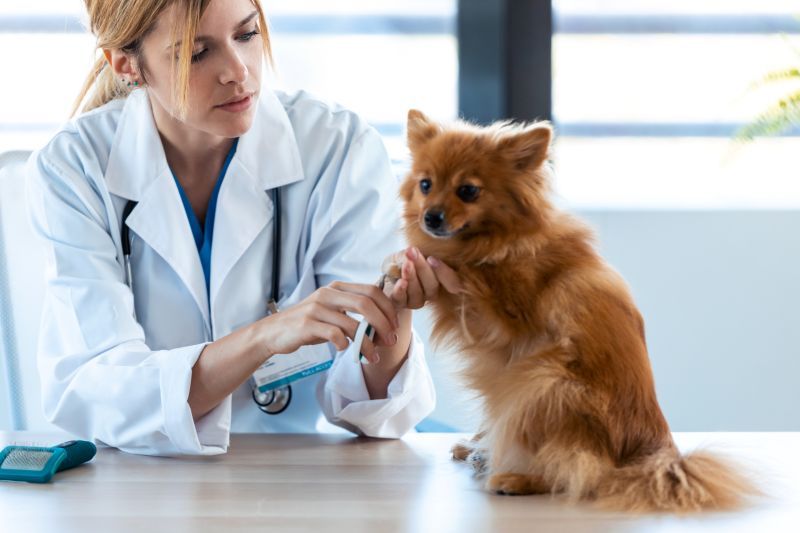
Breeds commonly associated with luxating patella include:
- Pomeranian
- Chihuahua
- Yorkshire Terrier
- Toy Poodle
- French Bulldog
- Cavalier King Charles Spaniel
- Lhasa Apso
That said, any dog can develop the condition, so it is important to pay attention to the signs rather than relying on breed alone.
How is luxating patella diagnosed?
If you suspect your dog could be suffering patella luxation, see a vet. Your vet will perform a thorough physical examination particularly in the hind limbs around the knee/stifle joint to determine if any movement in the patella can be detected.
The four grades of patella luxation
- Grade I: the kneecap can be manually dislocated but will return to its original position when released
- Grade II: the kneecap can be manually or spontaneously dislocated with movement and remains so until the joint is extended
- Grade III: the kneecap is dislocated most of the time but can be manually returned to position by extending the stifle joint
- Grade IV: the kneecap is permanently dislocated and cannot be manually returned to its normal position
Expert advice from Dr Felicia:
Dogs with higher grades of patella luxation typically require surgery to prevent the kneecap from moving back and forth. Patella luxation is usually medially (towards the inside) though lateral patella luxation is possible, but rare.
Can luxating patella get worse over time?
Yes, it can.
Some mild cases remain fairly stable, especially if the dog has minimal signs. However, in other dogs, repeated luxation can affect the way the joint moves, place abnormal stress on surrounding tissues and lead to longer-term joint changes.
Over time, some dogs may develop chronic lameness, pain or osteoarthritis. That is why early assessment matters, even if the signs seem mild or only happen occasionally.
Unsure how serious it is?
Bow Wow Meow policyholders can get access to trusted vet care anytime, anywhere, at no additional cost. Connect to an experienced Australian registered vet via video call, 24/7. Whether it’s providing vet advice, setting up at-home treatment plans, or confirming if you need to visit a vet in person, you can get help when you need it.
Find out more about our pet insurance cover options.
Treatment for patella luxation in dogs
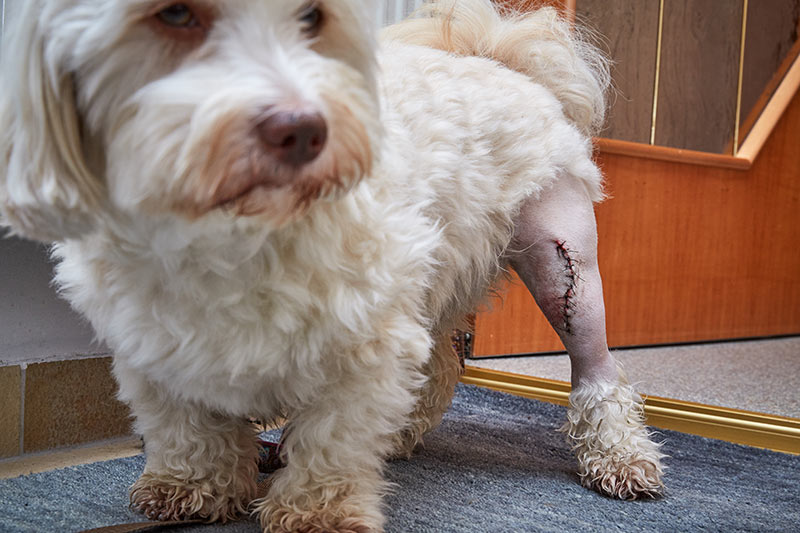
Treatment depends on the stage of luxation. Grades II, III and IV require surgery if the dog has trouble walking or is painful. Surgery involves deepening of the groove which normally houses the patellar ligament which makes it more difficult for the patella to move out of place. Dogs with luxating patellas, particularly higher grades are more likely to end up having ruptured cruciate ligaments due to ongoing abnormal biomechanics of the stifle joint.
Less serious cases often require no treatment as they do not impact the dog’s quality of life too much. Pet ramps and stairs are often used to assist affected dogs as they allow the dog to move freely up and down without too much impact on the patella. Trying to maintain a healthy weight can help to reduce load and wear and tear on the joints.
Expert advice from Dr Felicia:
Vets can assess your dog’s patella luxation as well as clinical signs associated and make a recommendation as to whether surgery or conservative management is best for your dog’s specific case.
Recovery after luxating patella surgery
Recovery after surgery usually involves a period of rest and restricted activity, followed by gradual return to exercise under veterinary guidance. Follow-up appointments are important, and some dogs benefit from physiotherapy or rehabilitation to rebuild strength and function.
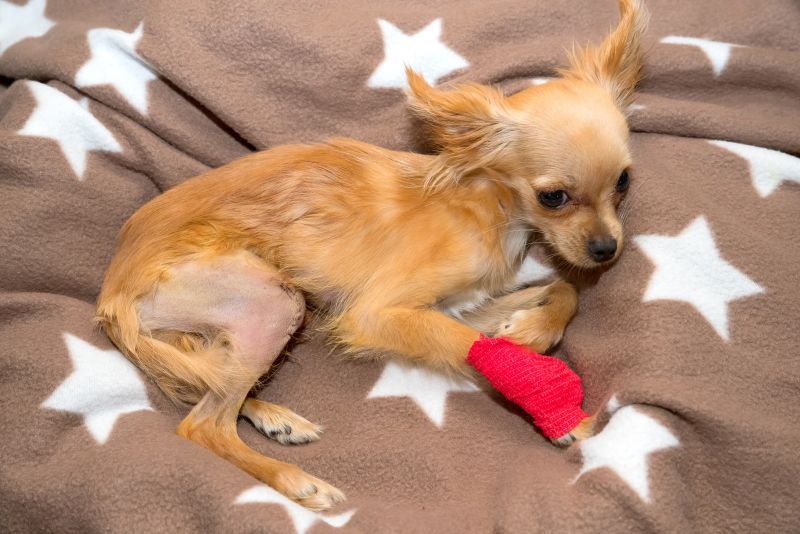
Your vet or veterinary surgeon will advise you on the most appropriate recovery plan for your dog based on the procedure performed and the severity of the condition. Recovery usually involves a period of rest and restricted exercise, followed by a gradual return to normal activity under veterinary guidance. Your dog may also need follow-up checks, pain relief and, in some cases, physiotherapy or rehabilitation to help rebuild strength and function. Every dog is different, so recovery time and aftercare will depend on the procedure performed and how severe the luxation was to begin with.
Prognosis and recurrence
Unfortunately, even with surgery the condition can recur, so it is important to keep an eye on your dog’s mobility and book a recheck if you notice recurring skipping, stiffness or lameness. To prevent the condition, affected dogs should not be bred.
Because it is difficult to predict the costs of veterinary care, it can help to have measures in place to help prepare for the unexpected. Pet insurance can help by covering a portion of the eligible vet bill if the unexpected does happen.
Get a quick quote
Does pet insurance cover luxating patella?
Pet insurance may help with eligible vet costs for conditions such as luxating patella, but cover depends on the policy terms, level of cover and your pet’s individual circumstances.
Waiting periods may apply, and pre-existing conditions are generally not covered. Some hereditary or orthopaedic conditions may also be subject to specific policy terms or exclusions.
Always check the relevant Product Disclosure Statement and policy wording for full details of what is and is not covered.

When should you see a vet?
It is a good idea to book a vet visit if your dog:
- skips or hops on a back leg
- suddenly carries one hind leg for a few steps
- seems stiff or reluctant to jump
- has recurring or worsening lameness
- is less active than usual or struggles with exercise
Getting the problem checked early can help your vet diagnose the cause and guide the most appropriate treatment plan.
Bow Wow Meow Pet Insurance can help protect you and your dog should an unexpected trip to the vet occur.
-
Find out more about our dog insurance options
-
Get an online pet insurance quote
Bow Wow Meow is proud to have been awarded winner of Canstar’s ‘Most Satisfied Customers’ Award in the Pet Insurance category for both 2024 and 2025!
Bow Wow Meow is proud to be the only Pet Insurer that has been awarded Product Review’s Top Rated Pet Insurance every year from 2018 to 2026! This is based on 3,193 independent customer reviews (as at 09/04/2026), with an overall rating of 4.5 stars.

We also have the following ratings on other review platforms:
Google Review rating of 4.5 stars (based on 1,358 reviews)
Trust Pilot rating of 4.6 stars (based on 555 reviews)
Bow Wow Meow has been chosen as Winner of 4 categories in the 2026 Finder Pet Insurance Customer Satisfaction Awards!




– Most Trusted Pet Insurance
– Easiest to Claim Pet Insurance
– Most Recommended Pet Insurance
– Legendary Service Pet Insurance
We also received Highly Commended Awards for Loved Brand Pet Insurance and Best Value Pet Insurance.
Bow Wow Meow is an Australian-owned and operated pet insurance provider. Our focus is purely on pets, and we are proud to have helped provide peace of mind to over 200,000 Aussie pet owners since 2008.