Lymphoma in dogs: symptoms, diagnosis and treatment


Summary
Lymphoma is one of the most common cancers diagnosed in dogs. It affects the lymphatic system, which plays an important role in immunity, and can cause symptoms such as enlarged lymph nodes, lethargy, weight loss, reduced appetite, vomiting, diarrhoea or changes in breathing. While a lymphoma diagnosis can be very worrying, treatment options are available, and many dogs respond well to chemotherapy or supportive care for a period of time. Early veterinary assessment is important, especially if you notice new lumps or swelling under your dog’s jaw, in front of the shoulders or behind the knees.
What is lymphoma?
Lymphoma is a cancer where a type of immune cell called a lymphocyte undergoes uncontrolled multiplication. While usually lymphocytes play an essential role in protecting the body from diseases, in lymphoma these cells overtake normal tissue, occurring most commonly within lymph nodes, the spleen or bone marrow.
Lymphoma is characterised by the type of cell involved, either B or T cells. B-type lymphoma is more common in dogs.
Lymphoma can affect any dog, but some breeds appear to be at increased risk, including Boxers, Golden Retrievers, Saint Bernards, Basset Hounds, Airedale Terriers, Scottish Terriers and Bulldogs.
Expert advice from Dr Felicia:
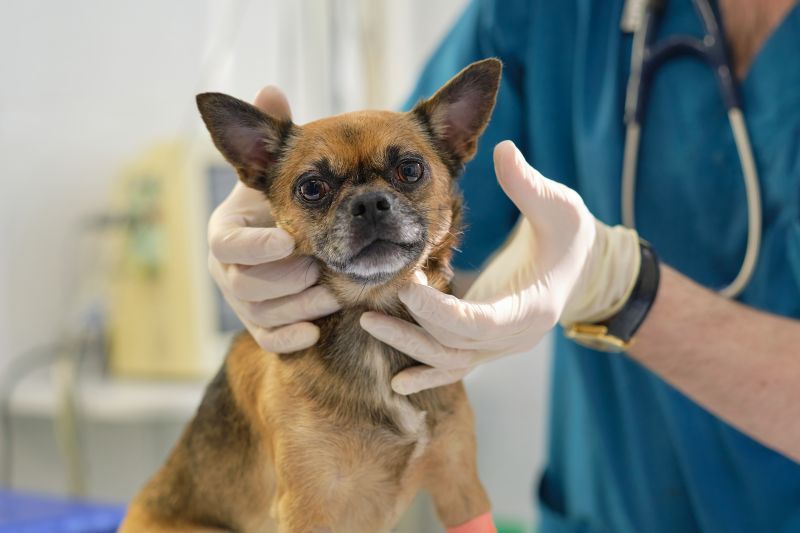
Prominent swellings under a dog’s jaw are highly suspicious for lymphoma and should be a flag for a vet check.
Types of lymphoma in dogs
There are several types of lymphoma in dogs, depending on where the cancer is found in the body.
Multicentric lymphoma is the most common form in dogs. It affects multiple lymph nodes and often causes firm, enlarged, non-painful lumps that may be felt under the jaw, in front of the shoulders or behind the knees.
Alimentary lymphoma affects the gastrointestinal tract and may cause vomiting, diarrhoea, weight loss, reduced appetite or changes in the appearance of your dog’s stools.
Mediastinal lymphoma affects lymphoid tissue within the chest and may cause breathing difficulty, coughing, panting, swelling of the face or front legs, or increased thirst and urination.
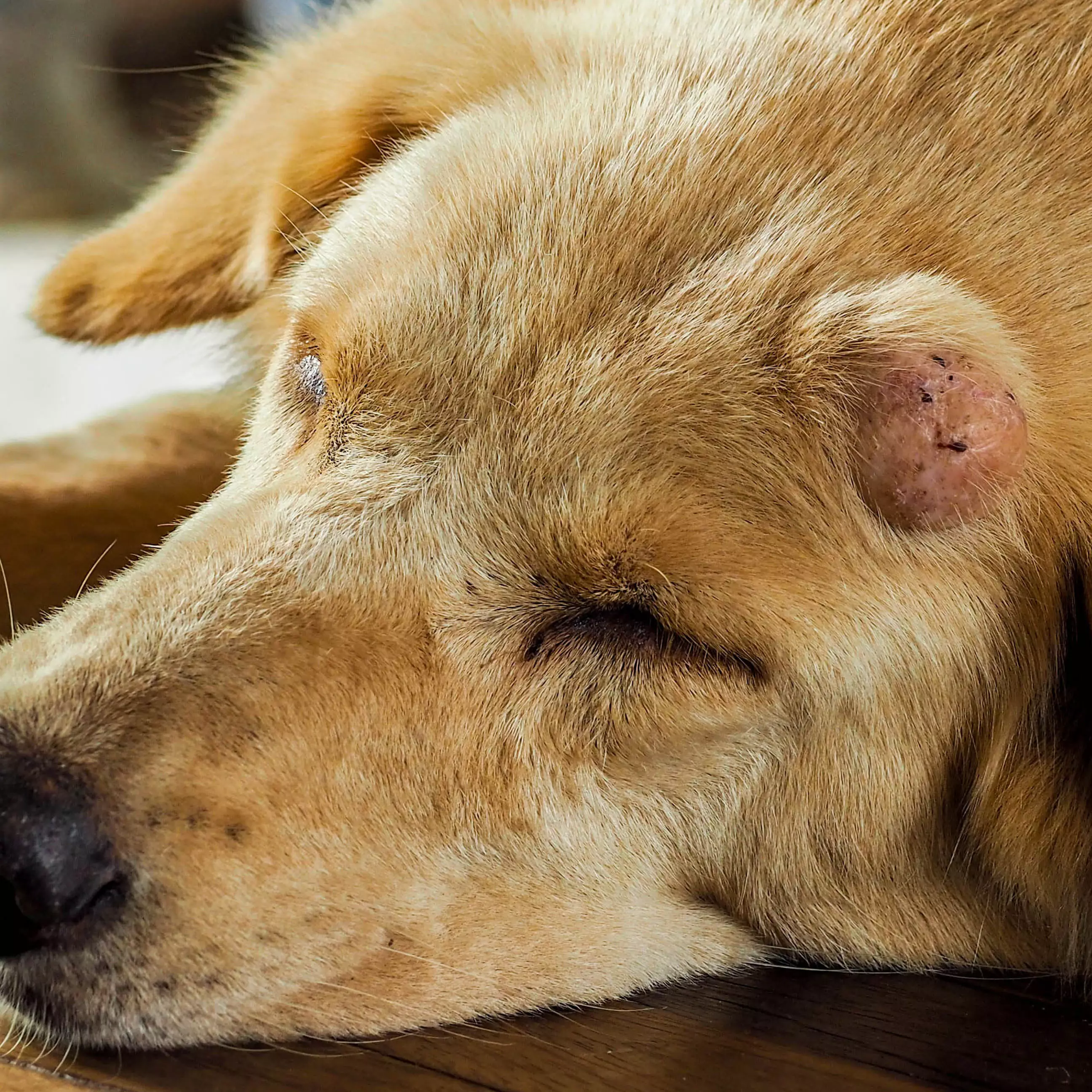
Cutaneous lymphoma affects the skin and can appear as red, flaky, itchy or thickened patches. It may sometimes be mistaken for allergies or skin infection in the early stages.

Symptoms of lymphoma in dogs
Enlargement of externally palpable lymph nodes is the most common sign of lymphoma in dogs. This lymph node swelling is typically non-painful. Additional signs depend on whether other organs are affected.
Anorexia/weight loss: dogs will often have a reduced appetite when they are feeling unwell.
Dyspnoea: difficulty breathing and shortness of breath can occur when lymphoma is occurring within the chest cavity.
Polydipsia & polyuria: excessive thirst and/or urination results from high blood calcium levels secondary to the cancer.
Fever: occurs in patients where bone marrow is affected by lymphoma resulting in low levels of white blood cells.
Because the signs of lymphoma can vary depending on the type and location, any new lump, unexplained weight loss, ongoing lethargy or persistent change in appetite should be checked by a vet.
Expert advice from Dr Felicia:
Occasionally patients will come to the vet feeling unwell and the main significant finding on physical examination will be enlarged lymph nodes. This should prompt further investigation to determine if lymphoma is present.
When to see a vet
Book a vet appointment promptly if you notice any new or unusual lumps on your dog, especially firm swelling under the jaw, in front of the shoulders or behind the knees. These areas contain lymph nodes, and enlargement can be an important warning sign.
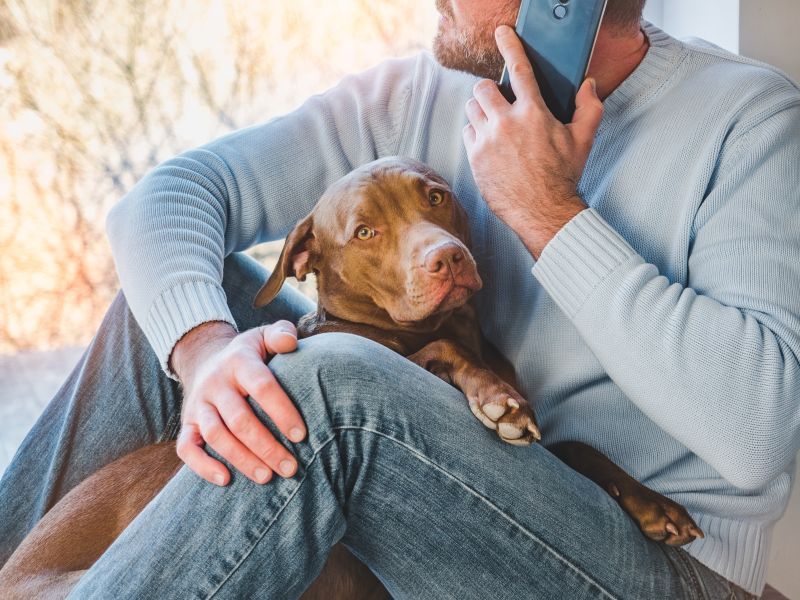
You should also seek veterinary advice if your dog has unexplained weight loss, reduced appetite, vomiting, diarrhoea, increased thirst, increased urination, difficulty breathing, fever, pale gums or a sudden drop in energy.
Lymphoma can progress quickly in some dogs, so early diagnosis can make a significant difference to treatment planning and quality of life.
Diagnosis of lymphoma in dogs
Diagnosing lymphoma in dogs can be performed by aspiration of affected external lymph nodes or biopsy of the affected organ and sending samples for pathologist interpretation.
Blood tests can help assess your dog’s overall health, check for organ involvement and guide treatment planning. In some cases, specialist blood or cell tests may also help identify lymphoma type, but diagnosis usually involves examining cells or tissue from an affected lymph node or organ.
Expert advice from Dr Felicia:
Other tests such as a complete blood count, abdominal ultrasound and chest radiographs should be performed to determine extent of potential spread to other organs/body systems apart from the lymph nodes.
Treatment and management
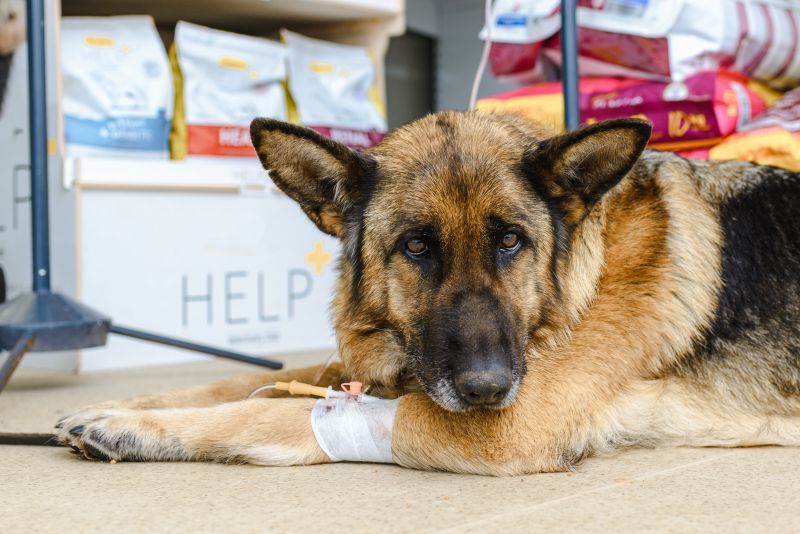
Since lymphoma is usually a disease affecting multiple areas within the body, chemotherapy is the main approach to treatment with differing protocols based on cell type. Other options for treatment of lymphoma include steroid treatment which can help dogs feel better though does not increase survival time compared to no treatment.
Prognosis for dogs with lymphoma
The outlook for dogs with lymphoma depends on the type of lymphoma, whether it is B-cell or T-cell, how advanced it is, whether the dog is feeling unwell at diagnosis and which treatment option is chosen.
Lymphoma is usually considered treatable rather than curable. The aim of treatment is often to achieve remission, which means the visible or measurable signs of cancer have temporarily disappeared. Many dogs tolerate chemotherapy better than people expect, although side effects such as vomiting, diarrhoea or reduced appetite can occur.
Without treatment, dogs with high-grade lymphoma may become very unwell within weeks. With chemotherapy, many dogs can achieve remission and enjoy a good quality of life for a period of time, although relapse is common and later remissions may be shorter.
Your vet or veterinary oncologist is the best person to explain your dog’s individual prognosis, as this will depend on test results, cancer type, stage and overall health.

Prevention of lymphoma in dogs
Like in humans, there is no definitive way to prevent cancer in dogs.
Expert advice from Dr Felicia:
The decision to pursue chemotherapy or not can be a difficult one, and your vet will be able to advise on expected side effects and benefits regarding remission and survival time depending on the specific substage of your pet.
Important to know
Lymphoma is one of the most common cancers diagnosed in dogs, and the most common form often causes enlarged lymph nodes that may feel like firm, painless swellings under the jaw, in front of the shoulders or behind the knees. Because these swellings may not bother your dog at first, they can be easy to miss. Regularly checking your dog for new lumps and booking a vet visit if anything feels unusual can help with earlier diagnosis and treatment planning.
Conclusion
Lymphoma in dogs can progress quickly, but recognising the signs early can help your dog receive the right care sooner. Any new lump, swollen lymph node, unexplained weight loss, ongoing lethargy or change in appetite should be checked by a vet. While lymphoma is usually managed rather than cured, treatment may help many dogs achieve remission and maintain a good quality of life. Your vet or veterinary oncologist can guide you through diagnosis, treatment options and what to expect based on your dog’s individual condition.
Bow Wow Meow Pet Insurance can help protect you and your dog should an unexpected trip to the vet occur.
-
Find out more about our dog insurance options
-
Get an online pet insurance quote
Bow Wow Meow is proud to have been awarded winner of Canstar’s ‘Most Satisfied Customers’ Award in the Pet Insurance category for both 2024 and 2025!
Bow Wow Meow is proud to be the only Pet Insurer that has been awarded Product Review’s Top Rated Pet Insurance every year from 2018 to 2026! This is based on 3,193 independent customer reviews (as at 09/04/2026), with an overall rating of 4.5 stars.

We also have the following ratings on other review platforms:
Google Review rating of 4.5 stars (based on 1,358 reviews)
Trust Pilot rating of 4.6 stars (based on 555 reviews)
Bow Wow Meow has been chosen as Winner of 4 categories in the 2026 Finder Pet Insurance Customer Satisfaction Awards!




– Most Trusted Pet Insurance
– Easiest to Claim Pet Insurance
– Most Recommended Pet Insurance
– Legendary Service Pet Insurance
We also received Highly Commended Awards for Loved Brand Pet Insurance and Best Value Pet Insurance.
Bow Wow Meow is an Australian-owned and operated pet insurance provider. Our focus is purely on pets, and we are proud to have helped provide peace of mind to over 200,000 Aussie pet owners since 2008.
Sources
“Canine Lymphoma in Dogs: Symptoms, Diagnosis, Treatment & Prognosis”, Purdue University College of Veterinary Medicine, https://vet.purdue.edu/wcorc/cancer-research/canine-lymphoma-research.php. Accessed 7 Jul 2026
“Oncology: Medical Conditions – Lymphoma”, Cornell University College of Veterinary Medicine, https://www.vet.cornell.edu/hospitals/services/oncology/oncology-medical-conditions. Accessed 7 Jul 2026
“Lymphoma in Dogs”, VCA Animal Hospitals, https://vcahospitals.com/know-your-pet/lymphoma-in-dogs. Accessed 7 Jul 2026