


Is the Boxer a good family dog?


Boxer

Boxers are medium-sized, muscular dogs known for their playful, energetic personalities and distinctive square, short-muzzled faces. Affectionate, intelligent and strongly people-oriented, they tend to form close bonds with their families and often retain a puppy-like enthusiasm well into adulthood.
| Recommended for | Families, ideally with older children |
| Breed Classification | Utility |
| Other names | Deutscher Boxer |
| Lifespan | 10112 years |
| Size | Medium |
| Temperament | Loyal, affectionate, excitable |
| Intelligence | High: quick learners that respond well to engaging, consistent training |
| Tendency to bark | Low to moderate: generally not excessive barkers, but may bark to alert, during excitement or when under-stimulated |
| Maintenance Level | Low to moderate: very easy coat care, with moderate shedding and substantial exercise needs |
| Health Risk | Boxers have significant inherited risks including heart disease, cancer and and neurological, joint and brachycephalic conditions. |
Thinking of insuring a Boxer?
Explore the Top 5 health issues claimed for Boxers, including highest claims paid and how much pet insurance could help you save on eligible vet bills.
See Boxer pet insurance Ready to get cover? Get a quick quote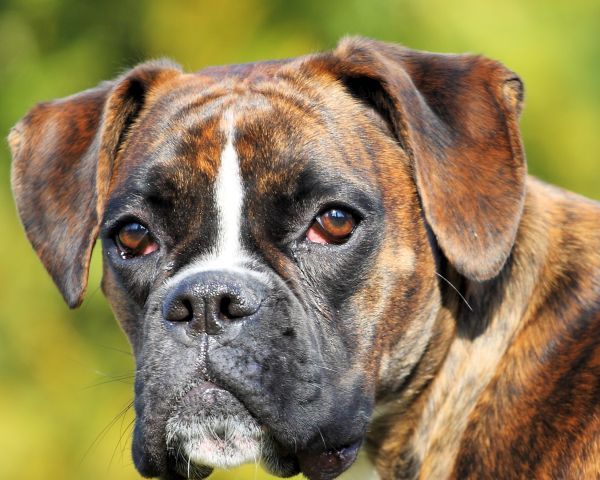
Boxer personality and temperament
Boxers are lively, affectionate and people-oriented dogs that typically form strong bonds with their families. They are famous for their playful, clownish behaviour and often remain enthusiastic and puppy-like well into adulthood. Despite their exuberance, a well-socialised Boxer should also be confident and responsive rather than fearful or unnecessarily aggressive.
They generally enjoy being involved in family life and may become bored or frustrated if routinely left without sufficient company, exercise or mental stimulation. Their natural alertness can make them effective watchdogs, although they are not generally excessive barkers.
Boxers with kids and other pets
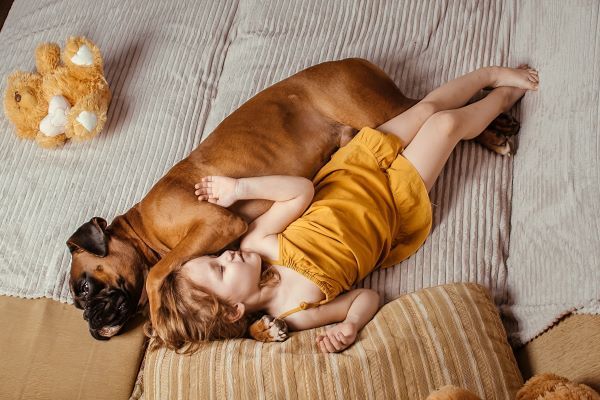
Well-socialised Boxers can make affectionate and playful family companions and often enjoy interacting with children. However, they are strong, energetic dogs that may jump up or become boisterous during play, so they can accidentally knock over young children or frail adults. Interactions with young children should always be supervised and calm behaviour taught from puppyhood.
Boxers can also live successfully with other dogs and pets when appropriately socialised and introduced. Individual compatibility varies, and some Boxers may be selective with other dogs or retain enough prey drive to chase smaller animals, so introductions should be gradual and supervised.
Boxer training and exercise
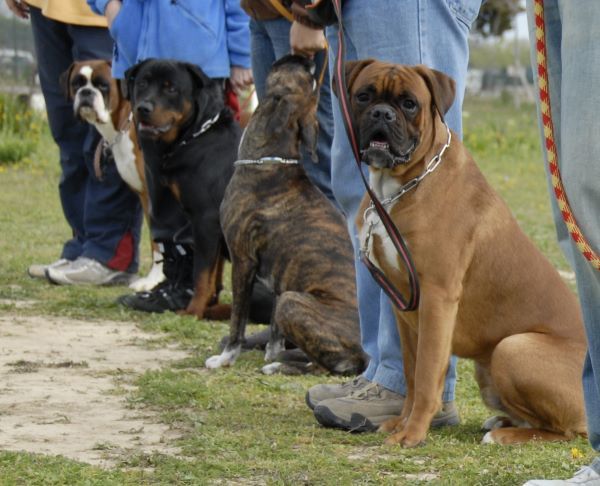
Boxers are energetic, athletic dogs that need substantial daily activity. Most healthy adults benefit from at least an hour of exercise each day, and many will enjoy considerably more, combining walks with active play, training and opportunities to run safely. Fetch, agility, rally, scent work and obedience can all provide useful physical and mental outlets.
Boxers are intelligent and generally highly trainable, but their exuberance and tendency to become distracted can require patience. Short, engaging training sessions using positive reinforcement work well, with early attention to lead manners, recall, impulse control and keeping all four paws on the ground.
Because Boxers are brachycephalic, exercise should be moderated during hot or humid weather. Their shortened airways can make cooling less efficient and increase their susceptibility to breathing difficulty and heat-related illness. Exercise during warmer weather should take place during cooler parts of the day, and activity should stop if a dog develops excessive panting, noisy or laboured breathing, weakness or distress.
| Energy level | High: playful, athletic and exuberant |
| Exercise requirements | High: generally 60+ minutes per day, with many healthy adults enjoying 1–2 hours split across walks, play and enrichment |
Common health issues for Boxers
What do Boxer owners claim for the most?
Boxers have significant inherited risks including heart disease, cancer and other joint, neurological and brachycephalic conditions.
- Aortic or subaortic stenosis (AS/SAS) is a narrowing near the heart’s main outflow tract that forces the heart to work harder to pump blood. Mild cases may cause few signs, while more severe disease can result in exercise intolerance, fainting or abnormal heart rhythms. Cardiac screening is recommended for breeding Boxers.
- Arrhythmogenic right ventricular cardiomyopathy (ARVC), often called Boxer cardiomyopathy, is an inherited heart disease strongly associated with the breed. It disrupts normal electrical activity in the heart and can cause irregular heart rhythms, weakness, collapse and, in severe cases, sudden death. Holter monitoring is an important screening and diagnostic tool.
- Cancer is an important Boxer health concern. Reported types include mast cell tumours, lymphoma, brain tumours, osteosarcoma and mammary cancer. Any new or changing lump should be assessed by a veterinarian because treatment and prognosis vary greatly according to tumour type and stage.
- Degenerative myelopathy (DM) is a progressive neurological disease that causes weakness and loss of coordination in the hind limbs and can eventually lead to paralysis. DNA testing is available and is recommended within Boxer breeding programs, although genetic results need to be interpreted as part of an overall breeding strategy rather than assuming every carrier will develop disease.
- Hip Dysplasia occurs when the hip joint develops abnormally, potentially leading to instability, pain and arthritis. Hip screening is recommended for breeding Boxers.
- Brachycephalic obstructive airway syndrome (BOAS) can affect Boxers because of their shortened muzzle and airway anatomy. Signs can include noisy breathing, snoring, reduced exercise tolerance and difficulty coping with heat. Severity varies considerably between individuals.
- Gastric dilatation-volvulus (GDV) is an emergency in which the stomach becomes severely distended and may twist. The Boxer’s deep chest increases susceptibility. Signs such as repeated unsuccessful retching, abdominal enlargement, restlessness or sudden distress require immediate veterinary attention.
Not all conditions are covered by Pet Insurance. For details of Bow Wow Meow Pet Insurance cover, refer to the Product Disclosure Statement.
How to choose the right insurance for your Boxer
When comparing cover for your Boxer, look for:

Cover for common Boxer conditions:
Check that the policy covers conditions Boxers can be prone to, including common health issues.

Cover for hereditary conditions:
No exclusions for hereditary or congenital conditions⑅.

Flexible cover options:
Options to adjust your annual benefit limit, reimbursement rate and excess.
Bow Wow Meow's Nose-to-Tail Cover offers flexible options for your Boxer, with cover for accidental injuries, illnesses and hereditary conditions⑅. Get a quick quote for cover that suits your Boxer and your budget.

Boxer feeding and nutrition
The Boxer should be fed a premium, high-quality dog food appropriate to the dog’s age (puppy, adult, or senior), size and activity level.
Young Boxers may go through a skinny phase and struggle to fill out during years 1 to 2; if so they may still require 3 meals per day during this period. Adult Boxers should do well on 2 meals per day, but as the breed is prone to bloat, don’t let the Boxer gulp food down too quickly and consider using a slow feeder bowl.
Always check with your vet if you have any concerns about your Boxer’s weight or diet.
Boxer care and grooming
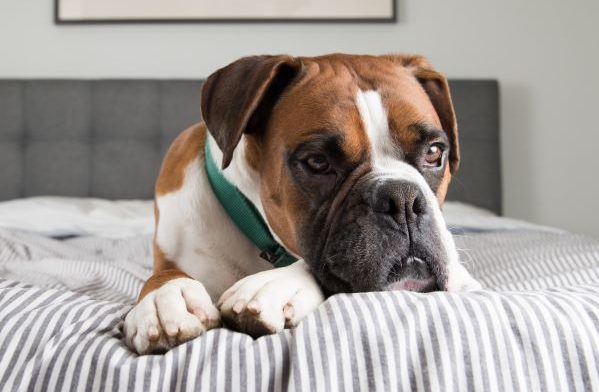
Boxers have a short, smooth coat with very low grooming requirements, although they do shed moderately. Weekly brushing with a soft brush or grooming mitt helps remove loose hair and keep the coat glossy. More frequent brushing may be useful during periods of heavier shedding.
Bathing is generally only needed when dirty, along with routine nail, ear and dental care. Some Boxers drool more than others because of their jowls, so the mouth and facial area may need regular wiping.
Size, appearance and coat of Boxers
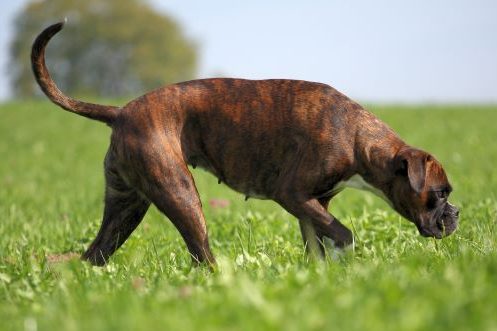
The Boxer is a medium-sized, squarely built and muscular dog that combines strength with athletic, energetic movement. Its distinctive head has a broad muzzle, dark expressive eyes, a black nose and an undershot lower jaw. The natural ears fold forward close to the cheeks, while the tail is set high.
The short, smooth coat occurs in shades of fawn or brindle, typically with a black mask and sometimes white markings. Under the Dogs Australia standard, white markings are permitted but should not cover more than one-third of the ground colour.
Predominantly white Boxers can occur naturally. White colouring is associated with an increased risk of congenital deafness, and their less-pigmented skin can be more susceptible to sunburn, but white Boxers are not inherently blind or otherwise unhealthy simply because of their colour.
| Weight range | Males: around 30 kg at approximately 58.5 cm Females: around 28 kg at approximately 56 cm |
| Height range | Males: 56–61 cm; Females: 53–58.5 cm |
| Colours | Brindle or fawn with a black mask |
| Coat length | Short: smooth, close-fitting and easy to groom |
Breed history of Boxers
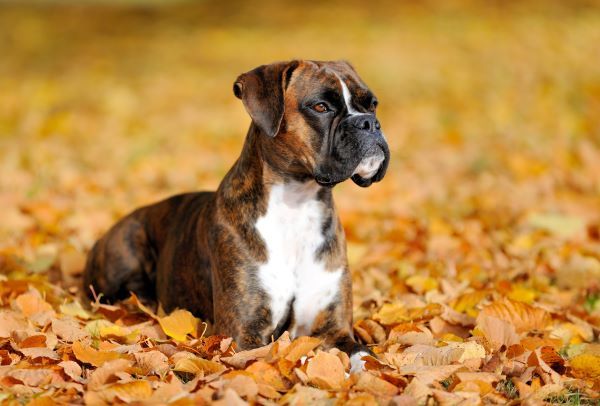
The modern Boxer was developed in Germany during the late 19th century from Bullenbeisser-type hunting dogs, with English Bulldog influence helping shape the emerging breed. Bullenbeissers had historically been used to pursue and hold large game such as wild boar, deer and bear until hunters arrived. As traditional hunting practices declined, their descendants increasingly became versatile guard, working and companion dogs.
The first Boxer club was established in Munich in 1895, helping to standardise the breed’s appearance and temperament. Boxers later served in both world wars in roles that included messenger, guard and pack-carrying work, before becoming increasingly popular internationally as companion, show and working dogs.
Explore related breeds
Boxer facts!
- One theory suggests the name “Boxer” came from the breed’s tendency to use its front paws during energetic play, resembling a boxer sparring.
- Boxers were once very popular circus performers, along with the French Poodle.
- Boxers often snore, snort and make other respiratory noises because of their shortened, brachycephalic muzzle, but persistent or laboured noisy breathing should not automatically be considered normal and may warrant veterinary assessment.
- The original German Boxers tend to be larger than their cousins overseas.
- Boxers have served as messenger, guard and pack dogs during wartime.
Summary
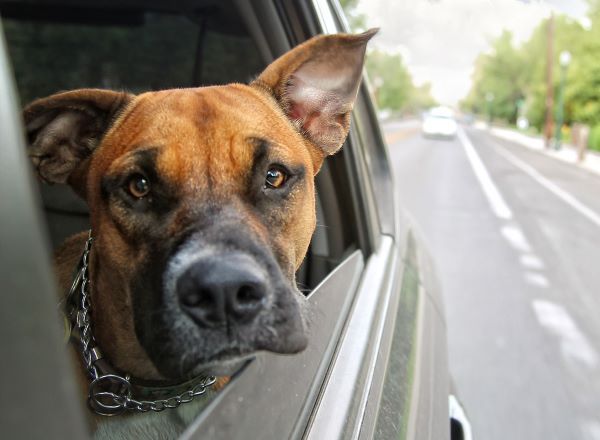
The Boxer is a muscular medium-to-large dog with an outgoing, energetic and playful personality. Often described as clownish and puppy-like, Boxers are happy, loyal and trustworthy companions that tend to be deeply attached to their family.
Boxers suit active families that can provide regular exercise, play and training. They may be wary of strangers at first but usually warm up once introduced, and their size and exuberance can make them better suited to households with older children.
FAQs about the Boxer
They are generally affectionate companions and can suit families, couples or singles when their individual exercise, training and grooming needs are met.
High. They need plenty of daily exercise, including walks, active play and mental stimulation, with opportunities for more vigorous activity where appropriate.
Generally yes. They are intelligent and usually respond well to positive, consistent training, particularly when sessions are engaging and rewarding.
They are generally low to moderate or moderate barkers, although barking can increase with boredom, excitement, anxiety or unfamiliar activity.
Yes. They generally shed a low to moderate or moderate amount and benefit from routine brushing.
They can adapt to apartment living in the right circumstances, but owners need to meet their daily exercise, enrichment and behavioural needs consistently.
Many can live happily with children and other pets when socialised from a young age, although individual temperament and compatibility always vary.
Potential health concerns include heart disease, cancer, hip dysplasia and brachycephalic airway problems.
Boxers are brachycephalic, meaning they have a shortened skull and muzzle. This can narrow parts of the upper airway, causing snoring, snorting or other breathing noises, particularly during sleep. Occasional mild snoring may occur, but persistent loud breathing, difficulty exercising, excessive panting or breathing distress should be assessed by a veterinarian because they can be signs of BOAS.
Not particularly. Their short muzzle makes cooling through panting less efficient, so Boxers can be more susceptible to heat-related illness. Exercise should be reduced in hot or humid conditions and scheduled for cooler times of day, with plenty of shade and fresh water available.
MORE INFORMATION:
Boxer Association of Victoria: http://www.boxersvictoria.com/
Boxer Club of NSW: https://oz.dogs.net.au/boxerclubofnsw/
QLD Boxer Club: https://www.qldboxerclub.org/
Boxer Rescue Network Australia: https://brna.com.au/

Get 2 months free for your puppy!
Congrats on your new bundle of joy
To ensure your precious fur baby is covered from the start, we'd like to offer your first 2 months of our Nose-to-Tail Cover for free2!
Get a quick quote