Pet insurance that covers urinary tract infections in dogs in Australia

Summary
Urinary tract infections in dogs are one of the most common urinary health problems seen by vets. While many infections respond well to treatment, delaying veterinary care can allow the infection to spread or lead to more serious complications affecting the bladder or kidneys. For Australian dog owners, recognising the early signs of a urinary tract infection in dogs can make a significant difference. Veterinary consultations, diagnostic testing, medication and follow-up care can become expensive, particularly if the infection recurs or an underlying urinary condition is involved. Comparing pet insurance cover options before your dog becomes unwell may help you prepare for unexpected veterinary expenses.
What is a urinary tract infection in dogs?
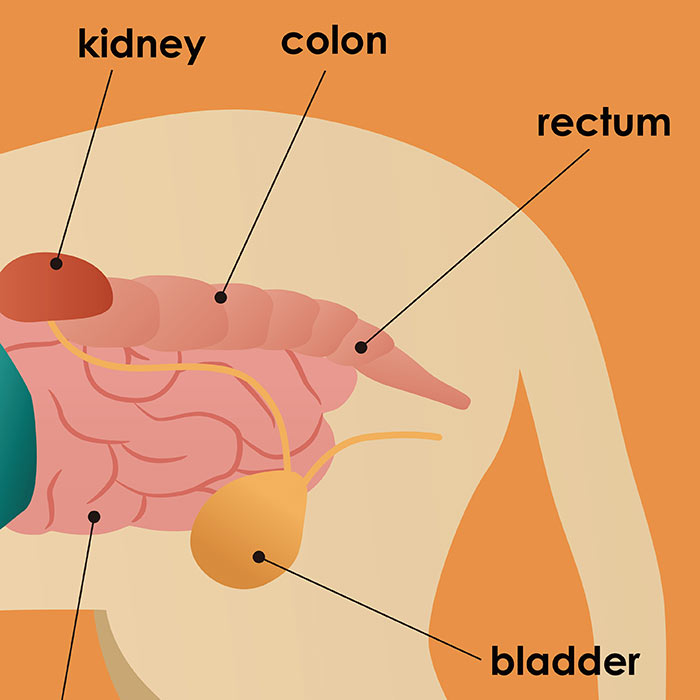
A urinary tract infection (UTI) develops when bacteria enter the urinary tract and multiply, causing inflammation and infection. Most infections affect the bladder, although they can also involve the urethra and, in more serious cases, spread to the kidneys.
Some dogs are more likely to develop urinary tract infections than others. Older dogs, females and dogs with underlying health conditions or urinary tract abnormalities may have a higher risk. Recurrent infections can also be associated with bladder stones, kidney disease or other medical conditions that require further investigation.
Conditions that may be linked to urinary tract infections include:
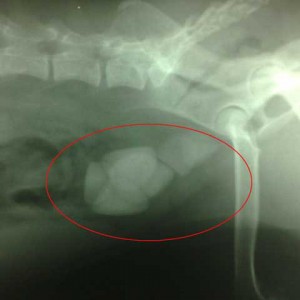
- Bladder stones: Bladder stones are hard mineral deposits that form inside the bladder and can irritate the lining of the urinary tract. They may increase the risk of infection and can make urination painful or difficult. You can read more about urolithiasis and how bladder stones affect dogs.
- Kidney disease: The kidneys help remove waste products from the body and play an important role in maintaining normal urinary function. Dogs with kidney disease may be more vulnerable to urinary infections and often require ongoing veterinary care.
- Urinary tract abnormalities: Some dogs are born with structural changes to the urinary tract or develop conditions that affect normal urine flow. These abnormalities can increase the likelihood of recurring infections.
Although many urinary tract infections are straightforward to treat, identifying the underlying cause is important to help prevent the infection from returning.
Dog UTI symptoms and serious warning signs
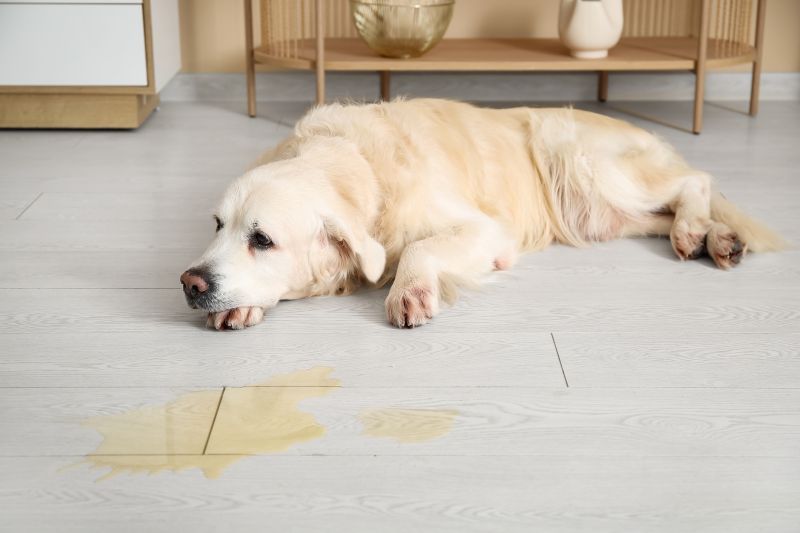
Many dogs with a urinary tract infection continue to behave normally during the early stages. Paying attention to subtle changes in their toilet habits can help you recognise a problem before it becomes more serious. Early signs may include:
- Frequent urination
- Straining to urinate
- Passing only small amounts of urine
- Accidents inside the house
- Excessive licking around the urinary opening
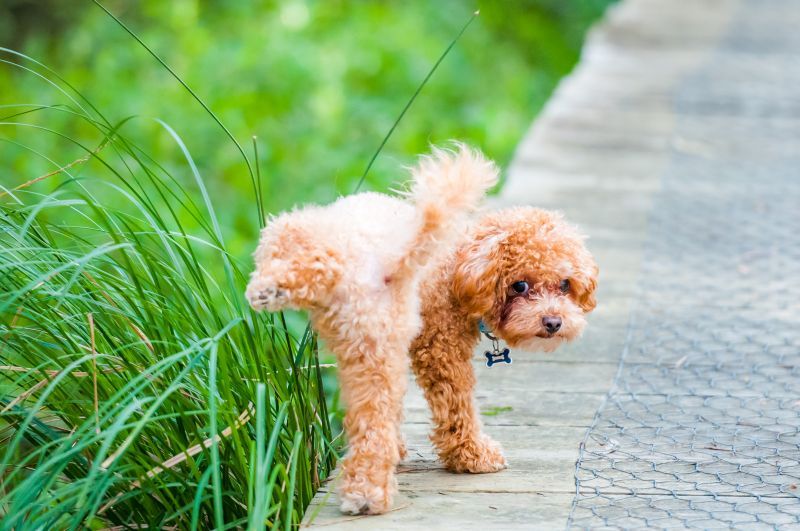
Keeping track of these changes can help your vet determine whether further testing is needed.
- More serious signs include:
- Blood in the urine
- Painful urination
- Fever
- Lethargy
- Reduced appetite
- Difficulty urinating
These symptoms require prompt veterinary attention, particularly if your dog appears distressed or is unable to pass urine.
Urinary symptoms can sometimes indicate a more serious condition, including bladder stones, kidney disease or urinary obstruction. If your dog is peeing blood, can’t urinate or seems to be in pain while trying to urinate, seek veterinary care as soon as possible.

How do vets diagnose urinary tract infections?
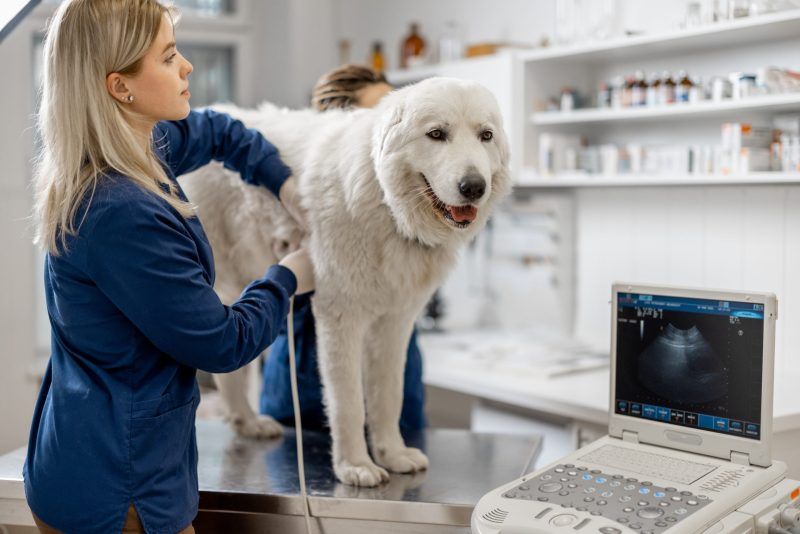
Your vet will begin with a physical examination and discuss your dog’s symptoms, medical history and recent changes in toileting habits.
Depending on your dog’s condition, they may recommend:
- Urinalysis
- Urine culture and sensitivity testing
- Blood tests
- Ultrasound
- X-rays
- Further investigations if infections continue to return
These tests help confirm the presence of infection, identify the bacteria involved and determine whether another condition is contributing to your dog’s urinary problems.
Treatment options for urinary tract infections
Treatment depends on the underlying cause of the infection and the severity of your dog’s illness.
Common treatment options include:
- Antibiotics prescribed based on diagnostic test results
- Pain relief where needed to keep your dog comfortable
- Follow-up urine testing to confirm the infection has cleared
- Increased water intake and supportive care where appropriate
Some dogs recover after a single course of treatment, while others need ongoing management if an underlying condition is contributing to the infection.
Related urinary conditions may require additional treatment, including:
- Medical management or surgery for bladder stones
- Treatment for the underlying kidney disease
- Hospitalisation for severe urinary tract infections
- Emergency treatment if a urinary obstruction prevents your dog from passing urine
Early diagnosis and treatment can help reduce the risk of complications and improve your dog’s recovery.
How much does treatment for urinary tract infections cost?
The figures below are indicative estimates based on typical veterinary fees in Australia. Actual costs vary depending on your location, your vet, your dog’s condition, the treatment required and whether emergency or specialist care is needed.
| Treatment or service | Indicative Australian cost |
| Veterinary consultation | $80–$150 |
| Urine culture and sensitivity | Individual quote required as costs vary from case to case |
| Ultrasound | $485–$900 depending on clinic and whether a GP vet or specialist radiologist performs the scan; sedation may be included or additional |
| X-rays | Around $640 for a sedated joint or bone series; $745–$895 for a full chest series |
| Bladder stone surgery | $1,950–$3,000 depending on your dog’s weight and clinic, plus any diagnostic charges |
ØB Sources (accessed July 2026): consultation range from PetCloud (Vet Prices in Australia, 2025) and Brisbane Pet Surgery. Ultrasound from Clare Valley Veterinary Services ($485 including sedation), Newcastle Veterinary Ultrasound and Tooronga Veterinary Hospital ($450–$900). X-ray from Clare Valley Veterinary Services. Bladder stone surgery (cystotomy) from Burpengary and Moreton Bay Vets ($1,950–$2,500 by weight), Melbourne Pet Surgery ($2,200–$2,900) and Brisbane Pet Surgery ($2,000–$3,000). Veterinary providers may change their fees at any time. These figures should not replace an individual quote, diagnosis or treatment plan from a veterinary professional.
A straightforward urinary tract infection may only require a consultation, urine testing and medication. More complex cases involving bladder stones, kidney disease or urinary obstruction can require advanced diagnostics, hospitalisation or surgery, increasing the overall cost of treatment.

Why can urinary tract infection become expensive?
A urinary tract infection may seem straightforward at first, but some dogs need additional testing to identify the underlying cause or determine why infections continue to return.
Treatment costs may increase due to:
- Diagnostic testing
- Repeat veterinary visits
- Urine culture and sensitivity testing
- Imaging such as X-rays or ultrasound
- Specialist referrals
- Hospitalisation
- Surgery for bladder stones
- Long-term management of kidney disease or recurrent urinary conditions
Early veterinary care may help detect complications sooner and reduce the need for more intensive treatment.
Does pet insurance cover urinary tract infections?
Urinary tract infections are generally treated as illnesses under accident and illness pet insurance policies.
Cover depends on the policy and may be affected by:
- Pre-existing condition rules
- Waiting periods
- Annual benefit limits
- Excesses
- Reimbursement percentages
Taking out pet insurance before your dog develops signs of illness is generally the best way to avoid pre-existing condition exclusions.
Because it is difficult to predict the costs of veterinary care, it can help to have measures in place to help prepare for the unexpected. Pet insurance can help by covering a portion of the eligible vet bill if the unexpected does happen.
Get a quick quote
How to compare pet insurance for urinary conditions
When comparing pet insurance policies, look beyond the premium and consider the benefits available if your dog develops a urinary condition.
Compare features such as:
- Annual benefit limits
- Cover for diagnostic testing
- Hospitalisation
- Surgery
- Cover for chronic urinary conditions
- Excess options
- Reimbursement percentages
It can also help to understand what’s involved in making a dog insurance claim before choosing a policy, including the types of eligible veterinary expenses that may be covered.

Protect your dog’s urinary health
Urinary tract infections are common in dogs and often respond well to treatment when diagnosed early. Prompt veterinary care can help prevent complications and support a quicker recovery.
Treatment costs vary depending on the diagnosis and level of care required. Comparing pet insurance before your dog becomes unwell may help reduce the financial impact of eligible veterinary expenses and give you greater confidence if unexpected illness occurs.
Bow Wow Meow Pet Insurance can help protect you and your pet should an unexpected trip to your vet occur.
- Find out more about our dog insurance options
- Find out more about our cat insurance options
- Get an instant online pet insurance quote
Bow Wow Meow is proud to have been awarded winner of Canstar’s ‘Most Satisfied Customers’ Award in the Pet Insurance category for both 2024 and 2025!
Bow Wow Meow is proud to be the only Pet Insurer that has been awarded Product Review’s Top Rated Pet Insurance every year from 2018 to 2026! This is based on 3,193 independent customer reviews (as at 09/04/2026), with an overall rating of 4.5 stars.

We also have the following ratings on other review platforms:
Google Review rating of 4.5 stars (based on 1,358 reviews)
Trust Pilot rating of 4.6 stars (based on 555 reviews)
Bow Wow Meow has been chosen as Winner of 4 categories in the 2026 Finder Pet Insurance Customer Satisfaction Awards!




– Most Trusted Pet Insurance
– Easiest to Claim Pet Insurance
– Most Recommended Pet Insurance
– Legendary Service Pet Insurance
We also received Highly Commended Awards for Loved Brand Pet Insurance and Best Value Pet Insurance.
Bow Wow Meow is an Australian-owned and operated pet insurance provider. Our focus is purely on pets, and we are proud to have helped provide peace of mind to over 200,000 Aussie pet owners since 2008.