Why do Munchkin cats have short legs?


Munchkin
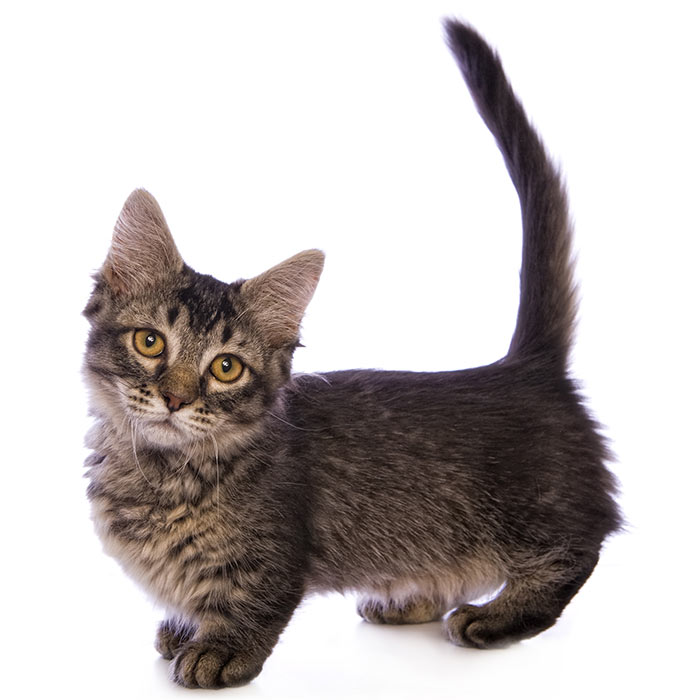
Munchkins are small to medium size cats known for their distinctively short legs resulting from a naturally occurring genetic mutation. Friendly, affectionate and confident, they enjoy human company, typically getting along well with children and other pets. Munchkins are intelligent, easy to train, and maintain their playful nature as adults.
| Recommended for | Families, singles; suitable for apartments |
| Breed Classification | Mutation breed |
| Other names | “Sausage cat”, “Dachshund cat” |
| Lifespan | 12 to 15 years |
| Size | Small to medium |
| Temperament | Lively, affectionate, and confident |
| Intelligence | Clever and curious, they enjoy puzzles, toys, and learning tricks |
| Tendency to vocalise | Moderate and softly vocal, will speak up when they want attention |
| Maintenance Level | Low grooming needs; daily play is recommended |
| Health Risk | Munchkin cats are generally healthy but have an increased risk of spinal, joint and mobility issues linked to their short-legged genetic mutation. |
Thinking of insuring a Munchkin?
Explore the Top 5 health issues claimed for Munchkins, including highest claims paid and how much pet insurance could help you save on eligible vet bills.
See Munchkin pet insurance Ready to get cover? Get a quick quote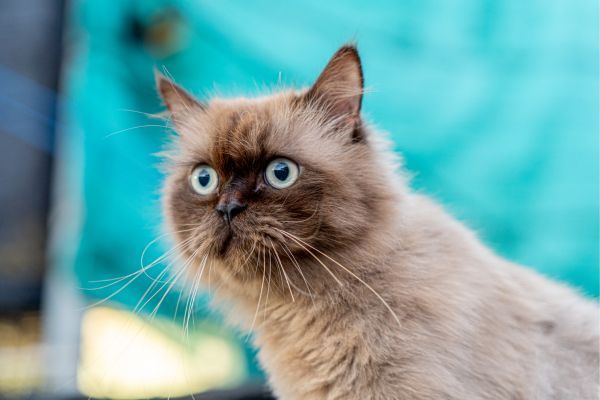
Munchkin personality and temperament
Despite their small stature, Munchkins have big, playful, kitten-like personalities that carry through into adulthood. Curious, playful, and affectionate, they form strong bonds with their people and enjoy being involved in daily life. Their social nature makes them a good match for homes where someone is often around to engage with them. While they love attention, they also handle short periods alone without fuss.
Munchkins are smart, confident, playful, and outgoing cats that respond well to interactive toys and gentle training. They are very sociable and loving cats who make fantastic family pets.
Munchkins with kids and other pets
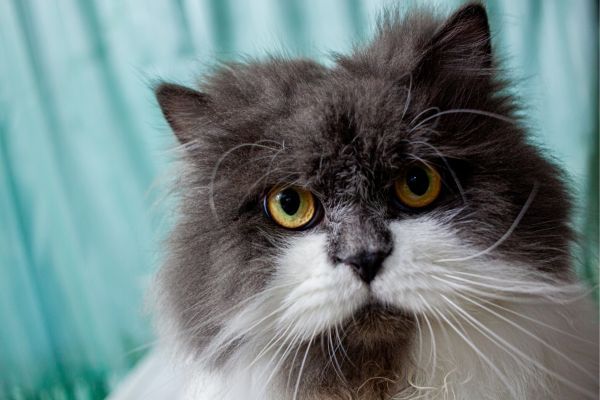
Munchkins typically get along well with children and are know for being playful, gentle, patient and adaptable. They enjoy playing games and chasing activities, often inventing their own fun, which makes them a nice fit for family homes with active kids. Encourage children to handle them gently and not pick them up roughly, as this can stress any cat.
When introduced properly, they can live peacefully with other cats and even dogs, especially when introduced properly. Generally friendly, curious and non-aggressive, they usually settle into multi-cat homes and do well with cat-friendly, gentle dogs. Usually tolerant of smaller pets, their introductions should be slow and carefully managed due to natural prey drive.
Munchkin training and exercise
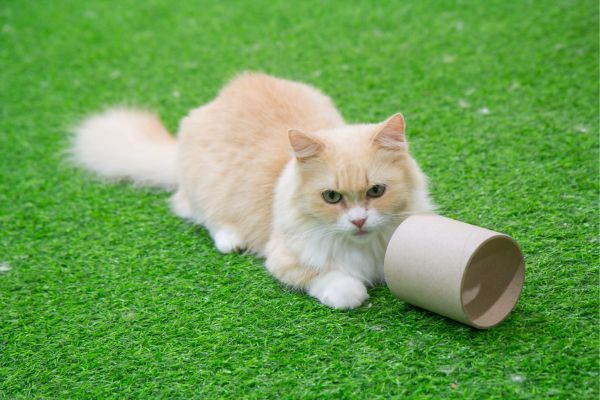
Don’t assume their short legs prevent them from doing what cats do best – Munchkins can run and jump just like any other breed of cat, although not quite as high as their long-legged cousins. Energetic and playful, they love short bursts of play throughout the day. It’s important to make time each day for active play, and to providing a space with lower or more accessible climbing/perching spaces is ideal.
They enjoy exploring their environment, chasing toys, running through tunnels, and climbing low furniture or cat trees. Puzzle feeders, toys and interactive play sessions help keep them physically active and mentally sharp. Daily activity is important, not just for fitness, but to prevent boredom.
| Energy level | Moderate |
| Exercise requirements | Moderate |
Common health issues for Munchkins
What do Munchkin owners claim for the most?
- Munchkins are generally healthy, but their short-legged build can come with some unique challenges. Common health concerns include joint or spinal issues due to their genetic mutation. While most live normal lives, conditions like lordosis (a spinal curvature) and pectus excavatum (a sunken chest) have been seen in the breed. Regular vet check-ups can help detect any structural concerns early.
- Obesity can be a problem, especially since Munchkins are lower to the ground and may not jump as often as other cats. Extra weight puts strain on their spine and joints, increasing the risk of mobility issues. Keeping them at a healthy weight through portion control and regular play is essential for long-term health.
- Dental Disease is also a concern. Like many breeds, Munchkins are prone to plaque build-up and gum inflammation. Gingivitis, if left untreated, can lead to tooth loss and other complications. Regular brushing, dental treats, and yearly vet dental checks will help manage this risk.
- Heart conditions such as Hypertrophic Cardiomyopathy (HCM) have been reported in some Munchkins. This condition causes the heart muscle to thicken and may lead to reduced heart function. It often develops slowly, so routine vet exams that include heart monitoring are important, especially as they age.
Not all conditions are covered by Pet Insurance. For details of Bow Wow Meow Pet Insurance cover, refer to the Product Disclosure Statement.
How to choose the right insurance for your Munchkin
When comparing cover for your Munchkin, look for:

Cover for common Munchkin conditions:
Check that the policy covers conditions Munchkins can be prone to, including common health issues.

Cover for hereditary conditions:
No exclusions for hereditary or congenital conditions⑅.

Flexible cover options:
Options to adjust your annual benefit limit, reimbursement rate and excess.
Bow Wow Meow's Nose-to-Tail Cover offers flexible options for your Munchkin, with cover for accidental injuries, illnesses and hereditary conditions⑅. Get a quick quote for cover that suits your Munchkin and your budget.
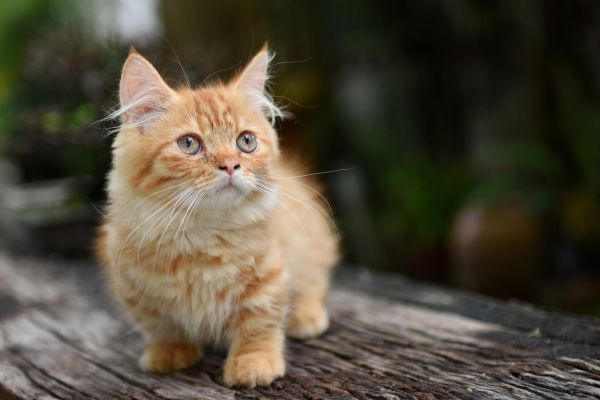
Munchkin feeding and nutrition
The Munchkin Cat needs a balanced, nutrient-rich diet to support its active nature and compact build. Choose high-quality food that’s rich in animal protein, with a mix of wet and dry options to help maintain hydration and support digestion. Look for formulas with added vitamins, minerals, and omega fatty acids to promote healthy skin, coat condition, and joint support, especially given their short-legged structure.
Portion control is essential, as Munchkins can gain weight easily if overfed. Split their daily food into two or three small meals to help manage energy levels and prevent digestive issues. Always provide clean water, and ask your vet for feeding advice that suits your cat’s age, size, and activity level. Regular weight checks and diet reviews help keep them in top condition.
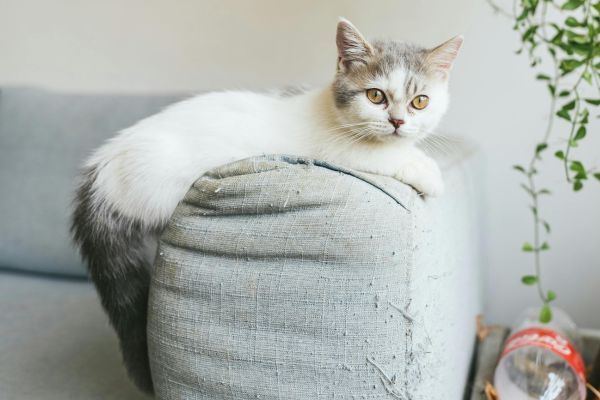
Munchkin care and grooming
The Munchkin Cat has a coat that’s easy to care for, whether short or long. Short-haired Munchkins need a weekly brush to remove loose fur and reduce shedding, while long-haired types may benefit from two to three sessions a week to prevent tangles. Occasional baths can help keep their coat fresh.
Ear cleaning, nail trimming, and dental care should be part of the routine. Use dental treats or brush their teeth regularly to support oral health.

Size, appearance and coat of Munchkins
Munchkins are a small-medium breed with a compact, sturdy frame and notably short legs, resulting from a genetic mutation. Despite their short legs, their body remains well-proportioned, and their tail is long and held upright when they move. They have walnut-shaped, wide-set eyes which come in many colours, often contrasting with their coat, and their ears are medium in size, upright, and slightly rounded at the tips.
Aside from their distinctive legs, Munchkins resemble any other breed, although their low-slung build gives them a kitten-like appearance that lasts into adulthood. They can come with a soft, long or short coat of almost any colour and pattern imaginable.
| Weight range | Males: 3 to 4.5 kg; females: 2.5 to 3.5 kg |
| Height range | 18 to 20 cm |
| Colours | Many colours and patterns, including tabby, calico, and bicolour |
| Coat length | short or long |
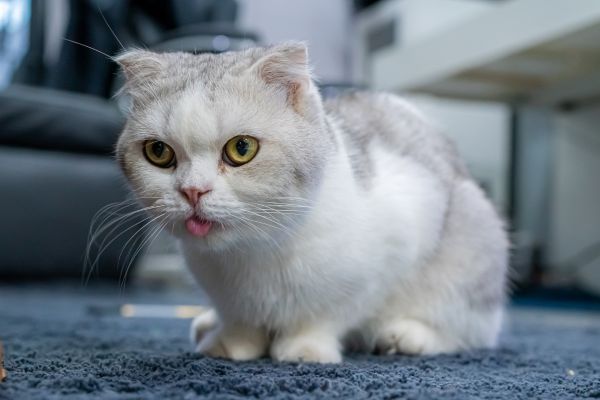
Breed history of Munchkins
A relatively modern breed, Munchkins trace back to a pregnant stray named Blackberry, who was discovered in Louisiana in the USA in 1983. She carried the naturally occurring genetic mutation for short legs and produced kittens with the same trait.
Breeders began developing the line through controlled breeding programs, and the Munchkin breed was formally introduced to the public in 1991 at a cat show in Madison Square Garden. After years of controversy and study, mainly to ensure the short-leg gene didn’t cause spinal problems, The International Cat Association (TICA) granted full championship status in 2003.
However, many registries still do not recognise the breed, including the world’s largest registery, The Cat Fanciers’ Association (USA), which views the breed’s defining mutation as a potential welfare issue. The Australian Cat Federation does not accept the Munchkin or other intentionally short-limbed breeds.
Explore related breeds
Munchkin facts!
- The Munchkin cat is named after the small characters called Munchkins from the 1939 film The Wizard of Oz, not from the original book.
- Some people refer to Munchkins as “kangaroo cats” as they have been known to sit up on their hind legs to get a better view.
- Munchkins are known to sprint like ferrets, using a low, streamlined posture that makes them surprisingly quick.
- The defining trait comes from a spontaneous dominant genetic mutation (a form of dwarfism), not selective shortening by breeders. It appeared in random cats long before the breed existed.
- Some Munchkins exhibit a habit called magpieing — collecting and stashing shiny objects around the house, much like some corvid birds.
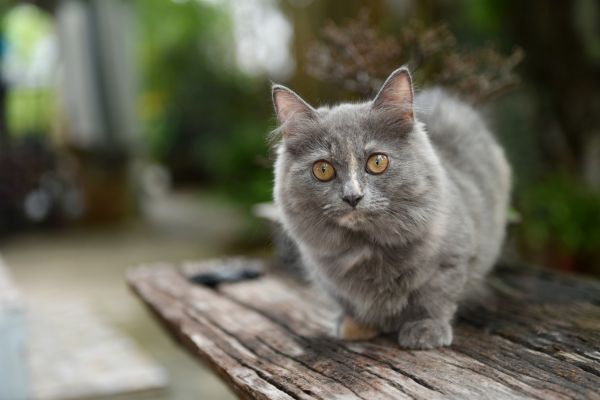
Summary
The Munchkin is a small-to-medium cat known for its distinctively short legs, which result from a naturally occurring genetic mutation. Friendly, affectionate and confident, Munchkins enjoy human company and generally get along well with children and other pets.
They are intelligent, easy to train and tend to retain a playful nature into adulthood. Munchkins suit families, singles and apartment homes that can provide regular interaction, daily play and an environment suited to their distinctive build.
FAQs about the Munchkin
Their short legs are caused by an inherited genetic trait that affects the length of the limb bones, giving the breed its characteristic low-slung appearance.
Yes. Despite their short legs, many Munchkins are playful, curious and energetic and enjoy running, climbing and interactive games.
Many can jump onto lower furniture and climbing surfaces, although their shorter legs may limit how high or far they jump compared with longer-legged cats.
They are generally described as sociable, playful and affectionate, but individual temperament varies as it does in all cats.
They can live successfully with respectful children and compatible pets when introductions are handled gradually.
Grooming depends on coat length. Short-haired Munchkins usually need weekly brushing, while long-haired individuals generally require more frequent grooming.
No. Recognition varies between cat registries, and the breed remains controversial because its defining short-legged trait raises welfare and breeding-ethics concerns for some organisations.
Research and registry positions on breed-specific mobility risks are not uniform. Owners should monitor weight, mobility and joint comfort throughout life and discuss any concerns with a veterinarian.
MORE INFORMATION
Munchkin Cats Australia: https://www.facebook.com/groups/128490596071303/

Get 2 months free for your kitten!
Cover your kitten from Nose-to-Tail
To ensure your precious fur baby is covered from the start, we'd like to offer your first 2 months of our Nose-to-Tail Cover for free2!
Get a quick quote