Are Sphynx cats completely hairless?


Sphynx
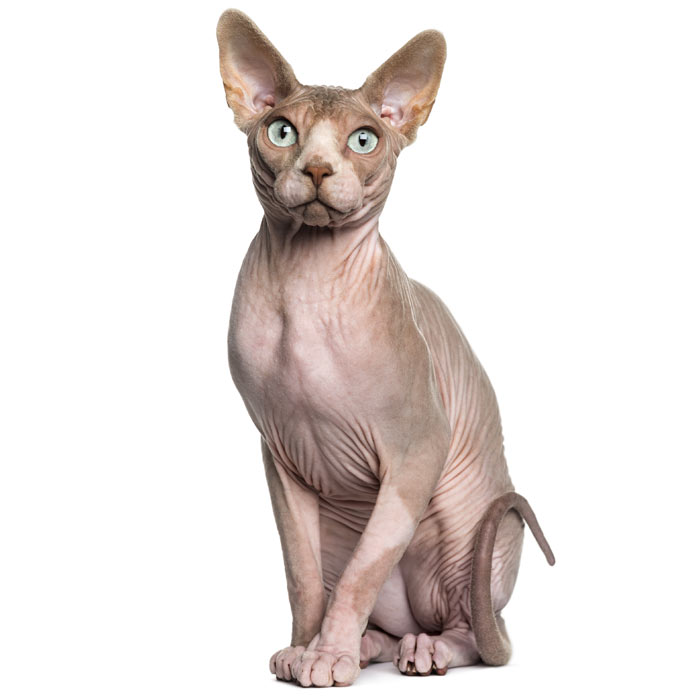
The Sphynx is one of the most distinctive cat breeds in the world, known for its hairless appearance, large ears, wrinkled skin and highly social nature. Despite looking unusual, the breed is often affectionate, curious and deeply people oriented. Sphynx cats are medium-sized, muscular cats with a warm, soft feel to the skin and an unmistakable presence.
| Recommended for | Owners wanting an affectionate, interactive indoor cat |
| Breed Classification | Pedigree cat |
| Other names | Canadian Sphynx |
| Lifespan | Around 8 to 14 years |
| Size | Medium |
| Temperament | Curious, affectionate, outgoing, intelligent |
| Intelligence | High |
| Tendency to vocalise | Medium |
| Maintenance Level | Low to medium, depending on coat length |
| Health Risk | Moderate to above moderate; Sphynx cats can be more prone to skin problems, including oil build-up, irritation, sunburn, and temperature sensitivity because they lack a normal coat, and they may also be at increased risk of heart problems. |
Thinking of insuring a Sphynx?
Explore the Top 5 health issues claimed for Sphynxes, including highest claims paid and how much pet insurance could help you save on eligible vet bills.
See Sphynx pet insurance Ready to get cover? Get a quick quote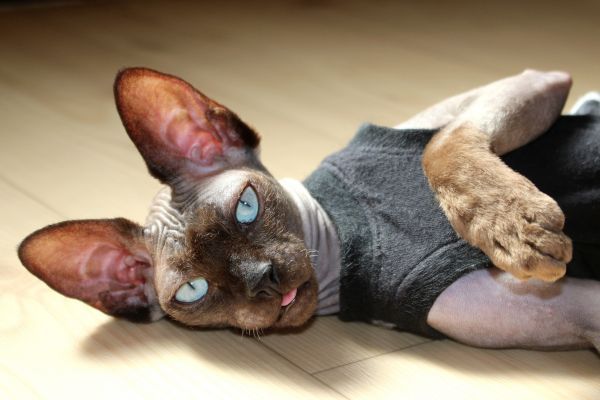
Sphynx personality and temperament
Sphynx cats are often described as outgoing, affectionate and highly people focused. Many like following their owners around, seeking warmth and being involved in household life rather than simply observing from a distance.
They are usually playful and confident, and many owners find them unusually interactive for cats. Their social nature means they often suit homes where there is regular interaction and company.
Sphynxes with kids and other pets
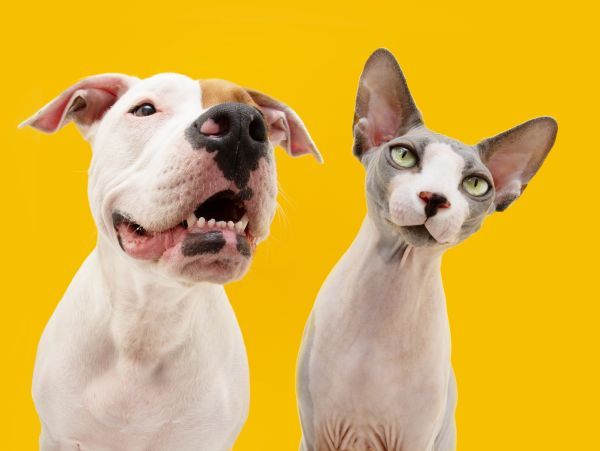
A well-socialised Sphynx often does well with children and other pets because the breed is generally social and people oriented. Many enjoy company and attention, and can adapt well to family routines.
Their confident nature can help them settle into multi-pet households, provided introductions are calm and sensible.
Sphynx training and exercise
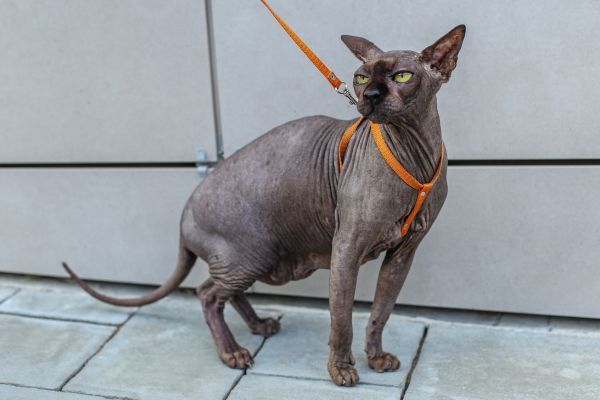
Sphynx cats are intelligent and often enjoy interactive play, climbing, puzzle toys and household engagement. Many learn routines quickly and appreciate daily stimulation rather than a passive indoor life.
Because they are social, their exercise often overlaps with interaction. Owners who play with them regularly and give them warm, interesting spaces to explore usually get the best out of the breed.
| Energy level | Moderate to high |
| Exercise requirements | Daily interactive play, climbing and indoor stimulation, with regular engagement due to their active and social nature. |
Common health issues for Sphynxes
What do Sphynx owners claim for the most?
- Skin irritation – Without a full coat, the skin can become oily, dirty or irritated more easily, and regular cleaning and monitoring may be needed to keep the skin comfortable.
- Sun and temperature sensitivity – Their exposed skin can make them more vulnerable to temperature extremes and sun exposure than many coated breeds, so indoor management is important.
- Heart disease – Some Sphynx lines may be associated with heart-related concerns, which is why responsible breeding and regular veterinary care matter for the breed.
- Ear build-up – Large ears can collect wax and debris more easily, which may lead to irritation if routine cleaning is overlooked.
- Dental Disease – Like many cats, Sphynx cats can still be affected by gum disease and tooth problems if dental care is not maintained consistently.
Not all conditions are covered by Pet Insurance. For details of Bow Wow Meow Pet Insurance cover, refer to the Product Disclosure Statement.
How to choose the right insurance for your Sphynx
When comparing cover for your Sphynx, look for:

Cover for common Sphynx conditions:
Check that the policy covers conditions Sphynxes can be prone to, including common health issues.

Cover for hereditary conditions:
No exclusions for hereditary or congenital conditions⑅.

Flexible cover options:
Options to adjust your annual benefit limit, reimbursement rate and excess.
Bow Wow Meow's Nose-to-Tail Cover offers flexible options for your Sphynx, with cover for accidental injuries, illnesses and hereditary conditions⑅. Get a quick quote for cover that suits your Sphynx and your budget.
Sphynx feeding and nutrition
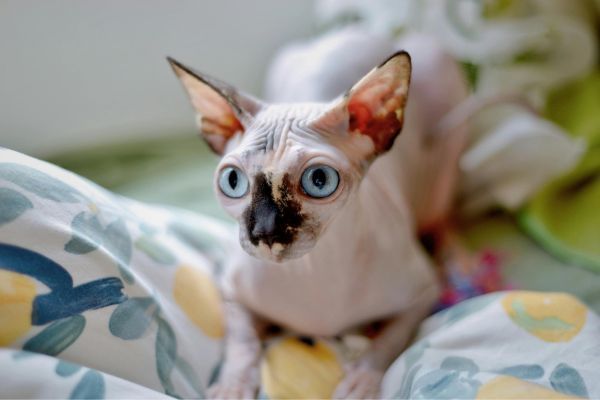
The Sphynx should be fed a complete, good-quality diet suited to age and body condition.
Because they are active and have unique skin-care needs, owners should keep an eye on overall condition and adjust feeding as required. Fresh water and sensible portion control still matter, just as with any cat.
Sphynx care and grooming
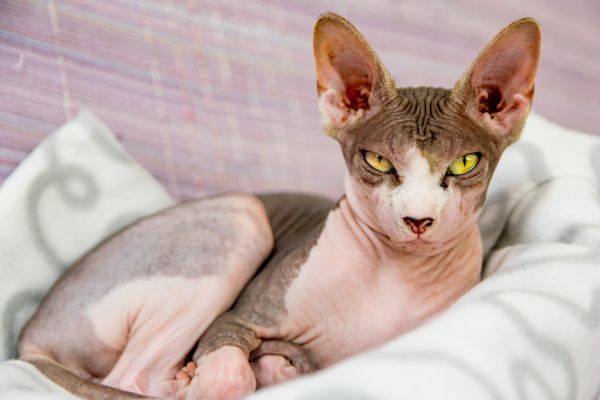
The Sphynx does not need coat brushing in the usual sense, but that does not make it low maintenance. Skin oils can build up more visibly without a full coat, and many need regular skin cleaning and ear care.
Their large ears may collect wax, and the breed may also need extra attention to temperature comfort and indoor living conditions.
Size, appearance and coat of Sphynxes
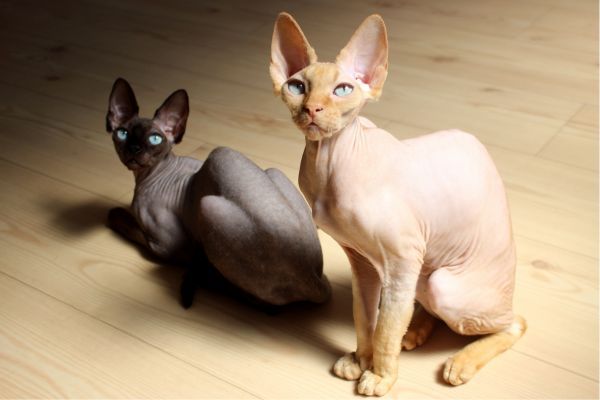
The Sphynx is a medium-sized but solidly built cat with surprising weight for its size. It has a muscular body, broad chest, prominent cheekbones, large open ears and wrinkled skin, especially around the head, shoulders and body. Although often called hairless, the skin is usually covered with a very fine down, giving it a suede-like or peach-fuzz feel.
| Weight range | Usually around 3 to 6 kg, with males often heavier than females. |
| Height range | Usually medium-sized, with a sturdy, muscular frame rather than a delicate one. |
| Colours | The skin can show many colours and patterns, including solid, bi-colour, tortoiseshell and tabby patterning through pigmentation. |
| Coat length | Considered hairless, although most have a very fine, soft down over the body. |
Breed history of Sphynxes
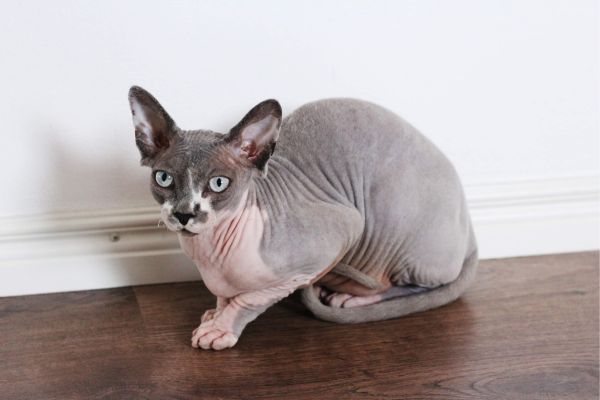
The modern Sphynx developed from naturally occurring hairless cats and was established through selective breeding to preserve that distinctive appearance while maintaining soundness and temperament. Although the breed looks highly unusual, the hairless trait itself began as a natural genetic mutation rather than as a deliberate design from the start.
Over time, breeders worked to develop a stable, recognised pedigree breed with its own identity. The result is a cat that stands out immediately in any breed line-up. The Sphynx is now known not only for its appearance but also for its outgoing temperament, intelligence and close attachment to people.
Sphynx facts!
- The Sphynx is famous for its hairless look, but many have a fine peach-fuzz feel rather than being completely bare.
- They are one of the most instantly recognisable cat breeds in the world.
- Sphynx cats often love warmth and will happily seek out laps, blankets and sunny indoor spots.
- Their personalities are usually much more social and playful than people expect.
- The breed’s appearance is unusual, but its appeal is just as much about temperament as looks.
Summary
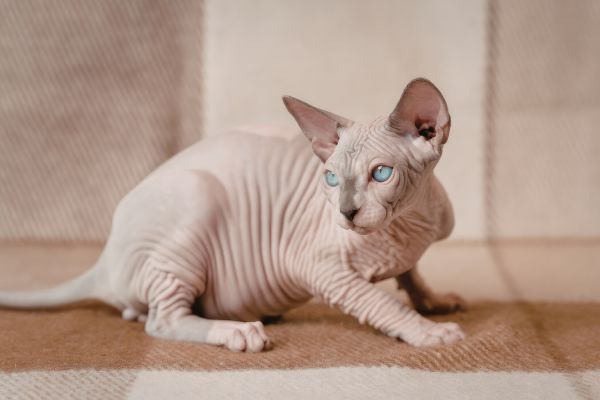
The Sphynx is a distinctive medium-sized, muscular cat known for its hairless appearance, large ears, wrinkled skin and highly social nature. Affectionate, curious and deeply people-oriented, it has a warm, soft feel to the skin and a very interactive personality.
Sphynx cats are best suited to owners wanting an affectionate indoor companion and benefit from daily play, climbing and regular interaction. Although they do not need traditional coat brushing, skin and ear care and attention to temperature comfort are important parts of their routine.
FAQs about the Sphynx
Not always. Many have a very fine layer of down or peach-fuzz-like hair, and the amount of hair can vary between individuals and across different parts of the body.
No. Sphynx cats still produce common cat allergens in their saliva and skin secretions, so people with cat allergies can still react to them.
Yes. Sphynx cats are typically outgoing, people-oriented and affectionate and often seek warm laps, cuddles and close contact with their owners.
They are usually sociable and playful and can do well with respectful children and compatible pets, especially when they receive plenty of interaction.
Many do need periodic bathing or gentle skin cleaning because natural skin oils are not absorbed by a full coat. The ideal frequency varies between individual cats.
Yes. Their lack of a normal insulating coat makes them more sensitive to cold temperatures, and they also need protection from excessive sun and heat.
They are generally energetic, playful and intelligent cats that enjoy climbing, interactive games and spending time with their people.
Hypertrophic cardiomyopathy is an important concern in the breed, and responsible breeders commonly screen breeding cats. Congenital myasthenic syndrome has also been identified in some lines.
MORE INFORMATION
Sphynxlair: https://sphynxlair.com/community/
Sphynx Australia: https://www.sphynxaustralia.com/
The Sphynx Cat Club: https://www.sphynxcatclub.co.uk/

Get 2 months free for your kitten!
Cover your kitten from Nose-to-Tail
To ensure your precious fur baby is covered from the start, we'd like to offer your first 2 months of our Nose-to-Tail Cover for free2!
Get a quick quote