How long do Scottish Folds live?


Scottish Fold
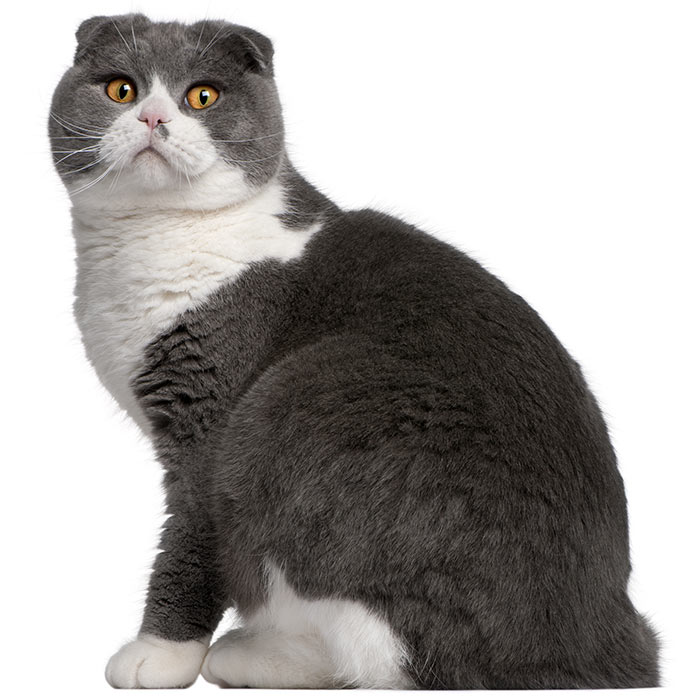
The Scottish Fold is a round-faced cat best known for its forward-folded ears, but this feature is linked to a cartilage mutation with serious welfare implications. They can be affectionate companions, yet prospective owners should understand the breed’s health risks before buying or adopting.
| Recommended for | Owners who understand the breed’s welfare concerns and are prepared for careful veterinary monitoring |
| Breed Classification | Shorthair or longhair depending on variety |
| Other names | Fold, Scottish Fold Longhair in some registries |
| Lifespan | 11–15 years, with health varying significantly |
| Size | Medium |
| Temperament | Affectionate, calm, sweet and adaptable |
| Intelligence | Moderate; enjoys gentle play and routines |
| Tendency to vocalise | Low to moderate; usually not a loud breed |
| Maintenance Level | Moderate; ear checks, weight control and mobility monitoring are important |
| Health Risk | Higher than average because the folded-ear gene is associated with osteochondrodysplasia, which can cause painful cartilage, bone and joint disease. |
Thinking of insuring a Scottish Fold?
Explore the Top 5 health issues claimed for Scottish Folds, including highest claims paid and how much pet insurance could help you save on eligible vet bills.
See Scottish Fold pet insurance Ready to get cover? Get a quick quote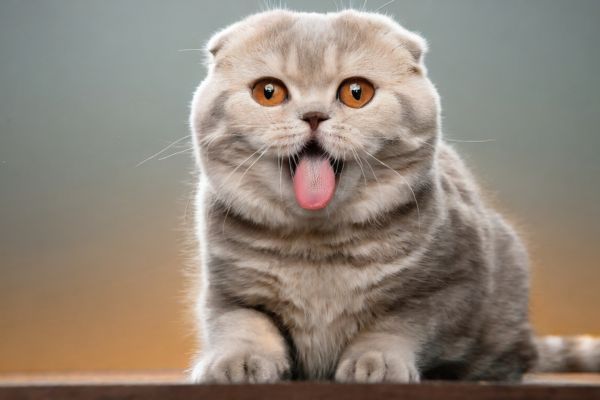
Scottish Fold personality and temperament
Scottish Folds are usually affectionate, calm and sociable. Many enjoy being near their people, sitting in unusual positions and joining family routines without being overly demanding. They can be playful, but they are generally not as intense as high-energy breeds.
They can adapt to apartments and indoor environments, especially if the home is calm and enriched. Because mobility issues are a concern, safe indoor living may be particularly sensible. Owners should provide low-impact play, comfortable bedding and easy access to food, water and litter trays, while watching closely for stiffness or reluctance to jump.
Scottish Folds with kids and other pets
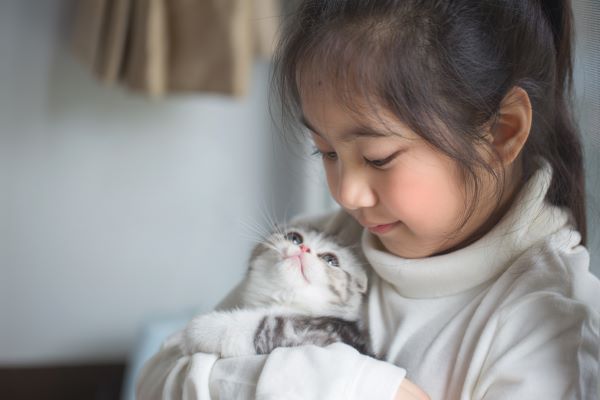
Scottish Folds can be affectionate family cats, but children must be taught to handle them very gently. Pulling the tail, forcing cuddles or rough play is especially inappropriate because some Scottish Folds may have painful joints or cartilage problems. Supervision is important.
They may live well with other cats and calm, cat-friendly dogs, provided introductions are gradual and the other pet is not boisterous. If a Scottish Fold shows mobility discomfort, provide separate resting areas and avoid situations where another pet chases or knocks them around.
Scottish Fold training and exercise
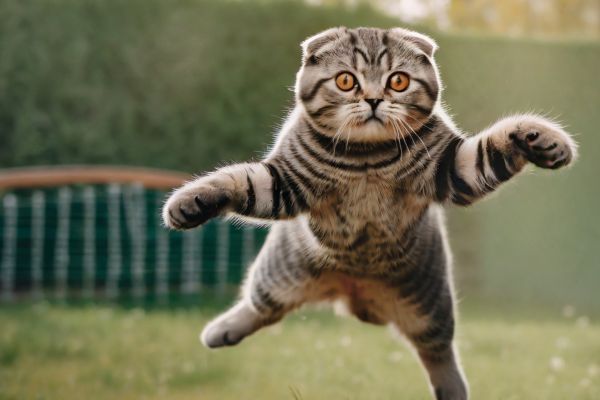
Scottish Folds need gentle, low-impact exercise to maintain weight and mobility. Short play sessions with wand toys, rolling toys and food puzzles are usually preferable to repeated high jumps or rough climbing. Keep play enjoyable and stop if the cat appears stiff, reluctant or sore.
Training should focus on comfort and practical care. Carrier training, handling, medication acceptance and calm vet-visit preparation can be valuable. Reward-based training is best, and owners should never force positions that stress the tail, hips or legs.
| Energy level | Low to moderate |
| Exercise requirements | Moderate; gentle daily play, low-impact enrichment and mobility-aware activity |
Common health issues for Scottish Folds
What do Scottish Fold owners claim for the most?
- Scottish Folds are best known for their unique folded ears, but this trait is linked to a genetic condition called osteochondrodysplasia. This disorder affects cartilage and bone development, sometimes leading to stiffness, lameness, or painful arthritis at a young age. Even cats with straight ears can carry the gene, so careful breeding and regular vet monitoring are essential to detect early signs of joint issues.
- Obesity is another concern for Scottish Folds. Their easygoing nature means they may not exercise as much as other breeds, making portion control and regular play important. Extra weight adds stress to their joints, which can worsen mobility problems if arthritis develops. Feeding measured meals and encouraging daily activity help manage their weight and overall health.
- Dental disease is common if oral care is overlooked. Plaque and tartar can build up quickly, leading to gingivitis and discomfort. Brushing their teeth with a cat-safe toothpaste, using dental treats, and having yearly dental checks reduce the risk of more serious issues. Early care is the best way to keep their teeth and gums in good condition.
- Hypertrophic Cardiomyopathy (HCM), a heart condition that thickens the heart muscle, can also occur in Scottish Folds. It may not show obvious symptoms at first, so regular veterinary exams and heart screenings are recommended. Detecting it early improves treatment options and long-term management.
Preventative care recommendations
Routine vet visits are vital to monitor bone, joint, heart, and dental health in Scottish Folds. Vaccinations, parasite control, and weight checks should be kept up to date. Provide clean water, a balanced diet, and low-impact play to protect joint function. Regular screenings for arthritis and heart health, along with careful management of body weight, give Scottish Folds the best chance at a comfortable and active life.
Not all conditions are covered by Pet Insurance. For details of Bow Wow Meow Pet Insurance cover, refer to the Product Disclosure Statement.
How to choose the right insurance for your Scottish Fold
When comparing cover for your Scottish Fold, look for:

Cover for common Scottish Fold conditions:
Check that the policy covers conditions Scottish Folds can be prone to, including common health issues.

Cover for hereditary conditions:
No exclusions for hereditary or congenital conditions⑅.

Flexible cover options:
Options to adjust your annual benefit limit, reimbursement rate and excess.
Bow Wow Meow's Nose-to-Tail Cover offers flexible options for your Scottish Fold, with cover for accidental injuries, illnesses and hereditary conditions⑅. Get a quick quote for cover that suits your Scottish Fold and your budget.
Scottish Fold feeding and nutrition
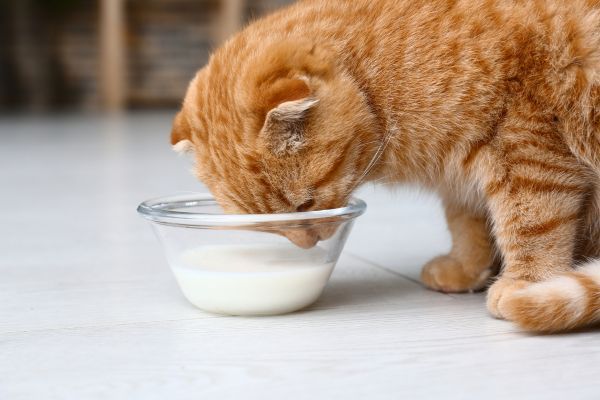
Weight control is particularly important for Scottish Folds because extra weight increases pressure on joints and can worsen discomfort. Feed a complete diet suited to the cat’s age and activity level, and measure portions carefully. Avoid treating a naturally rounded appearance as proof that extra weight is acceptable.
Wet food may assist hydration and satiety, while puzzle feeders can provide gentle mental enrichment. If mobility is reduced, discuss calorie needs with your vet because less active cats may need fewer calories. Any sudden appetite change, difficulty reaching food, reluctance to jump or toileting difficulty should prompt veterinary advice.
Scottish Fold care and grooming
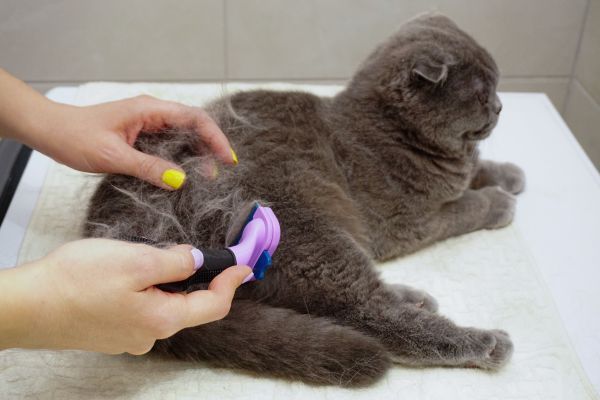
Shorthaired Scottish Folds generally need weekly brushing, while longhaired cats need more frequent grooming to prevent tangles. Brushing also gives owners a chance to notice stiffness, tenderness, skin changes or reduced flexibility. Handle the tail and limbs carefully and never bend a stiff tail.
Ear care deserves attention because folded ears may trap wax and debris more easily. Check the outer ear regularly and ask your vet how to clean safely if needed. Routine care should also include dental hygiene, nail trimming and comfortable litter access. Pain or reduced grooming by the cat should be treated as a health warning.
Size, appearance and coat of Scottish Folds
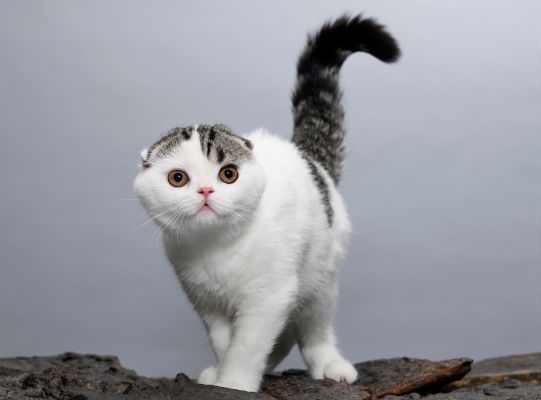
Scottish Folds are medium-sized cats with rounded bodies, round faces, large eyes and a soft, sweet expression. Their most famous feature is the folded ear, which bends forward and downward. Not all kittens in Scottish Fold lines have folded ears; some are straight-eared, and ear fold can vary in degree.
They can be shorthaired or longhaired, with a dense coat and a range of recognised colours and patterns. The tail should be flexible, and stiffness in the tail or limbs is a warning sign that needs veterinary attention. Their rounded appearance should not hide mobility problems or pain.
| Weight range | About 2.5–6 kg, depending on sex and build |
| Height range | About 20–25 cm at the shoulder |
| Colours | Wide range including solid, tabby, tortoiseshell, smoke, shaded and bi-colour patterns |
| Coat length | Short dense coat or longhair variety |
Breed history of Scottish Folds
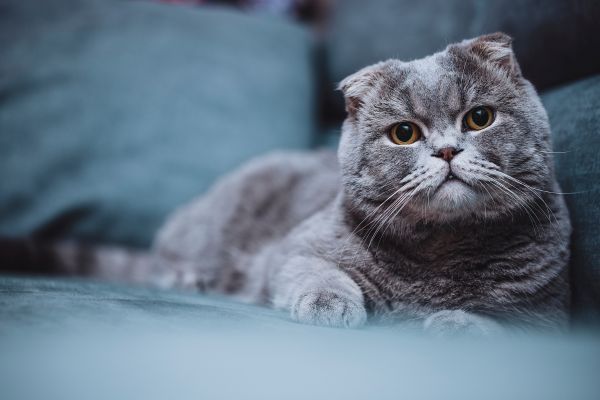
The Scottish Fold traces back to a white barn cat named Susie, found in Scotland in the early 1960s. Susie had unusual folded ears caused by a genetic mutation, and some of her kittens inherited the same trait. Breeders began developing the look, crossing fold-eared cats with other breeds to widen the gene pool and stabilise type.
The breed became popular because of its round face, owl-like expression and affectionate temperament. However, the same mutation that folds the ears can also affect cartilage throughout the body. For that reason, Scottish Fold breeding remains controversial in many animal welfare discussions, and prospective owners should approach the breed with caution and seek veterinary advice.
Explore related breeds
Scottish Fold facts!
- The first known Scottish Fold foundation cat was named Susie.
- The folded ears are caused by a cartilage mutation, not just a harmless cosmetic feature.
- Some Scottish Fold-line kittens have straight ears.
- Taylor Swift’s Scottish Folds helped increase public awareness of the breed.
- Their seated poses can look cute, but unusual posture may also warrant attention if linked with pain.
Summary
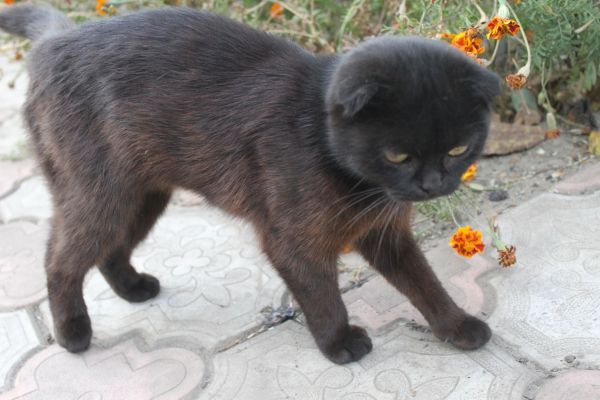
The Scottish Fold is a charming and affectionate cat best known for its folded ears and round features. Calm and adaptable, they bond closely with their families and enjoy gentle companionship. This medium-sized breed usually lives between 12 and 15 years and suits households that provide both affection and stability.
Their coat can be short or long, shedding moderately and requiring regular grooming. While generally friendly, Scottish Folds are prone to certain joint conditions, making attentive care important. They are thoughtful, people-oriented cats who thrive on play and quiet interaction.
FAQs about the Scottish Fold
The average lifespan of a Scottish Fold is around 12 to 15 years. With good nutrition, regular vet care, and a calm home environment, many live well into their senior years.
Scottish Folds are known for their affectionate and gentle nature. They enjoy spending time with their people and often follow family members around the home.
Scottish Folds cannot be bred in Australia due to welfare concerns linked to genetic cartilage issues. However, cats already living in the country are allowed as pets.
Scottish Folds are not considered brachycephalic cats. Their head shape is round but not flat-faced like Persians or Exotic Shorthairs.
Scottish Folds are not hypoallergenic. They shed dander and proteins that can trigger allergies, just like most cat breeds.
Many Scottish Folds are cuddly and enjoy curling up on a lap or beside their owner. They thrive on gentle affection and quiet companionship.
Scottish Folds are best suited to indoor living. They are calm and adaptable, and being indoors protects them from accidents and illness.
Scottish Folds are relatively rare compared to other breeds. Their unique folded ears make them highly recognisable and sought after worldwide.
Scottish Folds are not typically aggressive. They are calm, friendly cats that prefer gentle play and quiet company.
Scottish Folds adapt well to apartment living thanks to their quiet and relaxed temperament. As long as they have climbing spaces, toys, and companionship, they thrive in smaller homes.
The ears fold because of a genetic mutation affecting cartilage.
Yes. The same mutation can cause painful bone and joint disease.
Only after careful research and veterinary advice; welfare concerns are significant.
They can be, but children must handle them gently and respect possible discomfort.
Use gentle, low-impact play and avoid forcing high jumps or rough activity.
MORE INFORMATION
International Cat Care article on Scottish Fold osteochondrodysplasia: https://icatcare.org/advice/scottish-fold-disease-osteochondrodysplasia/
RSPCA NSW cat adoption: https://www.rspcansw.org.au/adoption-or-foster/animal-types-available/cats-and-kittens/
Purebred Cat Rescue Australia community: https://www.facebook.com/groups/pcraus/
Australian Cat Federation breed standards: https://www.acf.asn.au/index.php?page=standards

Get 2 months free for your kitten!
Cover your kitten from Nose-to-Tail
To ensure your precious fur baby is covered from the start, we'd like to offer your first 2 months of our Nose-to-Tail Cover for free2!
Get a quick quote